The Final Battle Looms: Bleach: Thousand-Year Blood War Part 4 "The Calamity" Sets Official 2026 Release Date
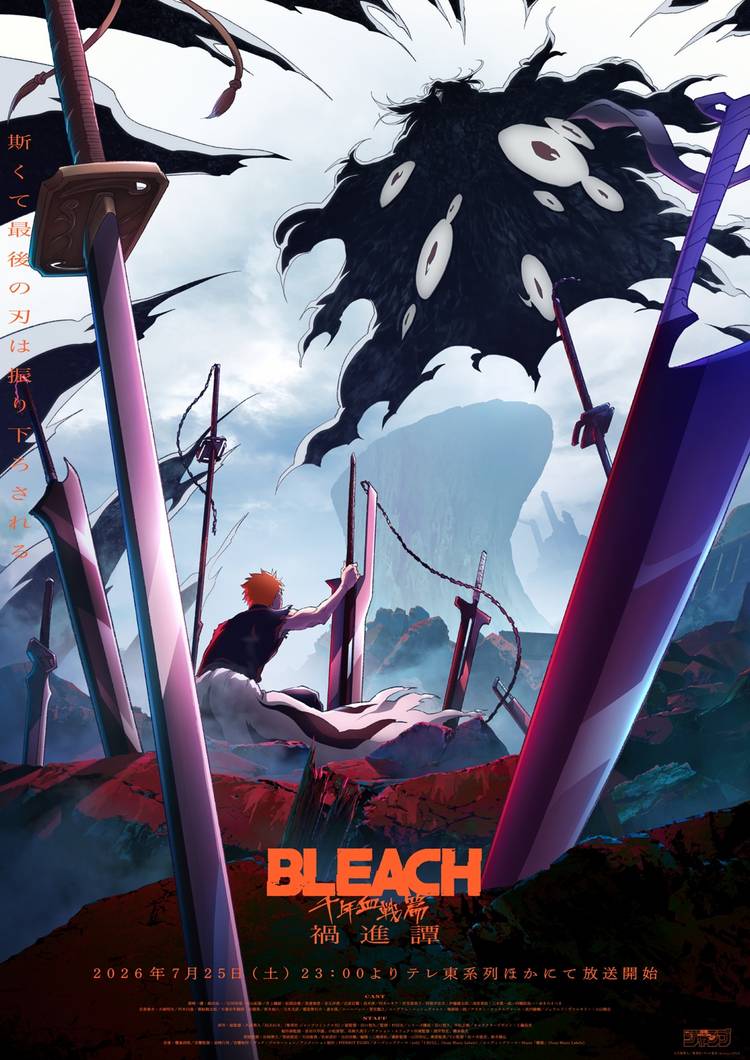
The long-awaited conclusion to one of the most influential anime franchises in history finally has a definitive timeline. Following years of anticipation and a decade-long hiatus that once left fans fearing the story would never be completed on screen, Bleach: Thousand-Year Blood War is preparing for its grand finale. Studio Pierrot and official Japanese media outlets have confirmed that the fourth and final installment, subtitled The Calamity, is scheduled to premiere on July 25, 2026.
This announcement marks the end of an era for the "Big Three"—the legendary trio of One Piece, Naruto, and Bleach that dominated the global anime landscape throughout the early 2000s. As Ichigo Kurosaki prepares for his ultimate confrontation with Yhwach, the Father of the Quincy, the production team has released new insights into the creative process, the musical direction, and the potential future of the franchise beyond the current adaptation.
Main Facts: The Return of the Soul Reapers
The fourth cour (season) of the Thousand-Year Blood War (TYBW) arc, titled The Calamity, will serve as the definitive conclusion to Tite Kubo’s supernatural epic. According to reports from Oricon, the series will maintain its global streaming partnership, airing on Hulu in the United States and Disney+ internationally.
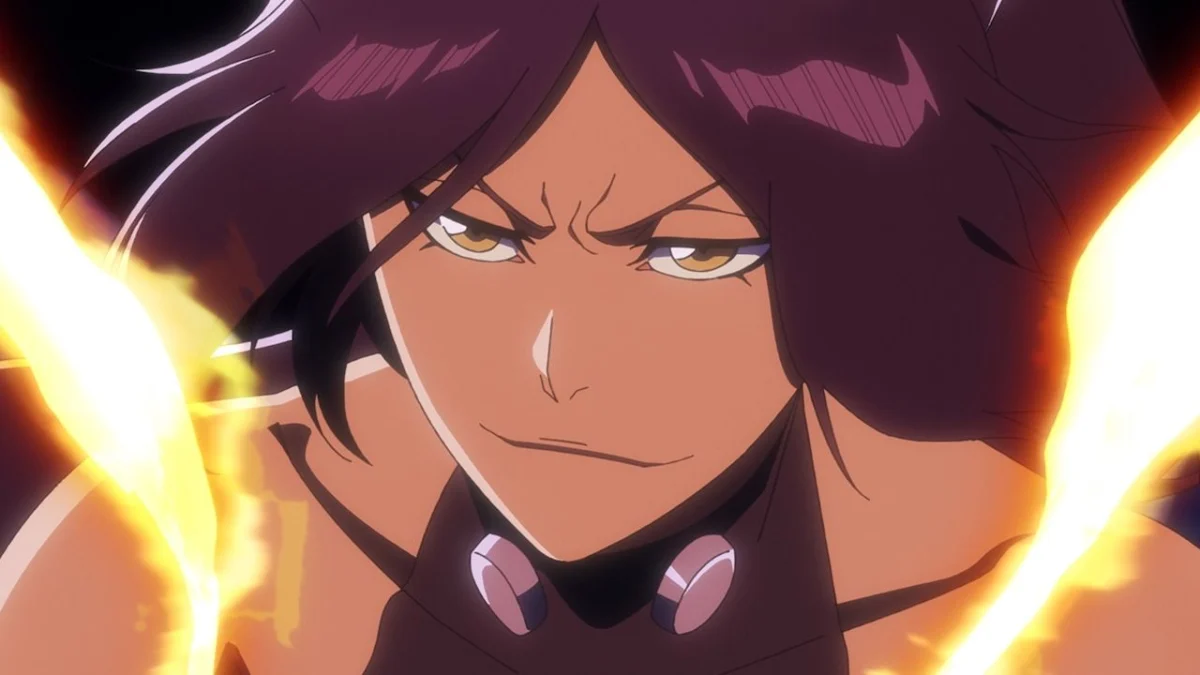
To coincide with the release date announcement, Studio Pierrot unveiled a striking new key visual featuring the series’ protagonist, Ichigo Kurosaki, alongside the "Queen of Thunder," Yoruichi Shihouin. The visual aesthetic continues the high-contrast, cinematic style that has defined the TYBW era, a stark departure from the flatter, long-running weekly animation style of the original 2004–2012 run.
Accompanying the visual reveal were several production updates:
- Premiere Date: Saturday, July 25, 2026.
- Opening Theme: "I-BULL" by rising artist jo0ji.
- Ending Theme: "Rasen" (Spiral) by 9Lana.
- Production Studio: Studio Pierrot (specifically their "Pierrot Films" division, which focuses on high-quality seasonal content).
Chronology: A Decade of Silence and the Path to the Finale
The journey to this final season has been anything but linear. To understand the significance of the 2026 release, one must look at the turbulent history of the Bleach anime adaptation.
The Original Run and Cancellation (2004–2012)
The original Bleach anime began in 2004 and ran for 366 episodes. While it was a global powerhouse, the production eventually caught up to Tite Kubo’s manga. This led to the inclusion of several lengthy "filler" arcs (original stories not found in the manga) which divided the fanbase and caused a dip in ratings. In March 2012, the anime was abruptly canceled following the conclusion of the "Fullbringer" arc, leaving the final manga arc—the Thousand-Year Blood War—unanimated for ten years.
The Resurrection (2022–Present)
During the Bleach 20th Anniversary project in 2020, it was officially announced that the final arc would finally be adapted. Studio Pierrot returned to the helm, but with a new philosophy: instead of a continuous weekly broadcast, the series would be split into four "cours" of approximately 13 episodes each. This allowed for movie-quality animation and closer collaboration with Tite Kubo.
- Part 1: The Blood Warfare (Oct 2022): Introduced the Quincy invasion and the devastation of the Soul Society.
- Part 2: The Separation (July 2023): Focused on the evolution of the Soul Reapers and Uryu Ishida’s betrayal.
- Part 3: The Conflict (2024/2025): Detailed the battle within the Royal Palace and the rise of Yhwach.
- Part 4: The Calamity (July 2026): Set to cover the final showdown and the ultimate fate of the three worlds.
Supporting Data: Music and Artistic Vision
A hallmark of the Thousand-Year Blood War has been its curated soundtrack and stylistic direction. Tite Kubo, known for his keen interest in fashion and music, has taken a hands-on approach to selecting the themes for the final seasons.
Kubo recently shared his philosophy on the music selection for The Calamity, stating that he personally reviewed demos from various artists. "Throughout the series, I wanted to have as many new artists as possible perform the theme songs," Kubo noted via official social media channels. "I hoped viewers would discover an artist through Thousand-Year Blood War and then go on to become fans of them afterward."
The selection of jo0ji and 9Lana for the final cour reflects this desire to blend the high-stakes drama of the anime with contemporary Japanese music trends. This strategy has proven successful in previous cours, where tracks like Kitani Tatsuya’s "Scar" became viral hits, further cementing Bleach’s reputation as the "coolest" of the major shonen properties.
Furthermore, the production data suggests that Part 4 will include significant "anime-only" content. Kubo has admitted that during the original manga’s run, health issues forced him to rush certain chapters. The anime is now being used as a vehicle to "complete" his vision, adding expanded fight sequences and lore explanations that were absent from the printed page.

Official Responses: Tite Kubo and Studio Pierrot
The involvement of Tite Kubo in the TYBW production is unprecedented compared to his role in the 2004 series. He serves as a creative supervisor, reviewing storyboards, character designs, and even script drafts.
"I feel like I’m starting to get more involved in the storyboard details of the episodes," Kubo said in a 2024 interview. "Normally, when a manga is converted into anime format, the image or message of the manga event will vary slightly depending on the audience. My current work is to fill in the discrepancies between the different scenes in detail."
This "author-corrected" version of the story has been a major selling point for the revival. However, fans have also been vocal about a potential "remake" of the original 366 episodes—similar to Fullmetal Alchemist: Brotherhood—to remove filler and update the animation. When asked about this in February 2024, Kubo was candid: "There are no such plans [currently], but I’d like to make that happen." He followed up by confirming that if a faithful, modern remake were proposed, he would support it.
Studio Pierrot, meanwhile, is using the momentum from Bleach to pivot its entire business model. The studio recently announced a shift away from long-running, low-budget weekly series in favor of high-quality seasonal projects. Following the conclusion of Bleach in 2026, the studio will focus on the Naruto 25th-anniversary projects and the eventual return of the Boruto anime in 2027.
Implications: The Legacy of the Soul Society
The conclusion of Bleach: Thousand-Year Blood War – The Calamity carries heavy implications for the anime industry and the franchise’s future.
1. The End of the "Big Three" Era
With Naruto having finished its primary run and One Piece entering its final saga, the end of Bleach signifies the closing of a chapter in anime history. These three shows defined the "Crunchyroll era" of the 2000s and 2010s. The success of TYBW has proven that legacy franchises can be successfully revived with modern production standards, potentially opening the door for other classics to receive similar treatment.
2. The "Hell Arc" Tease
While The Calamity marks the end of the manga’s original run, a special one-shot chapter released by Kubo in 2021—titled No Breathes from Hell—suggested a new threat emerging after the events of the war. Fans speculate that the massive success of the TYBW anime might convince Shueisha and Studio Pierrot to greenlight a full adaptation or expansion of this "Hell Arc" once the current series concludes.
3. Studio Pierrot’s Renaissance
The technical achievement of Bleach has redeemed Studio Pierrot in the eyes of many critics who previously criticized their animation consistency. By proving they can compete with studios like MAPPA and Ufotable, Pierrot has set a high bar for their upcoming Naruto and Boruto revivals.
Conclusion
As July 25, 2026, approaches, the excitement for Bleach: Thousand-Year Blood War – The Calamity is reaching a fever pitch. For a series that was once left unfinished, this final season represents more than just a conclusion—it is a victory lap. With Tite Kubo at the helm ensuring his original vision is finally realized without compromise, Bleach is poised to go out not with a whimper, but with a roar that will echo through the halls of anime history for years to come.
For fans, the message is clear: the wait was long, but the "Calamity" is finally coming, and it promises to be the spectacular finale that Ichigo Kurosaki and the Gotei 13 deserve.