The Legacy of the Leviathan: Exploring the Sci-Fi Masterpieces That Carry the ‘Jurassic Park’ DNA
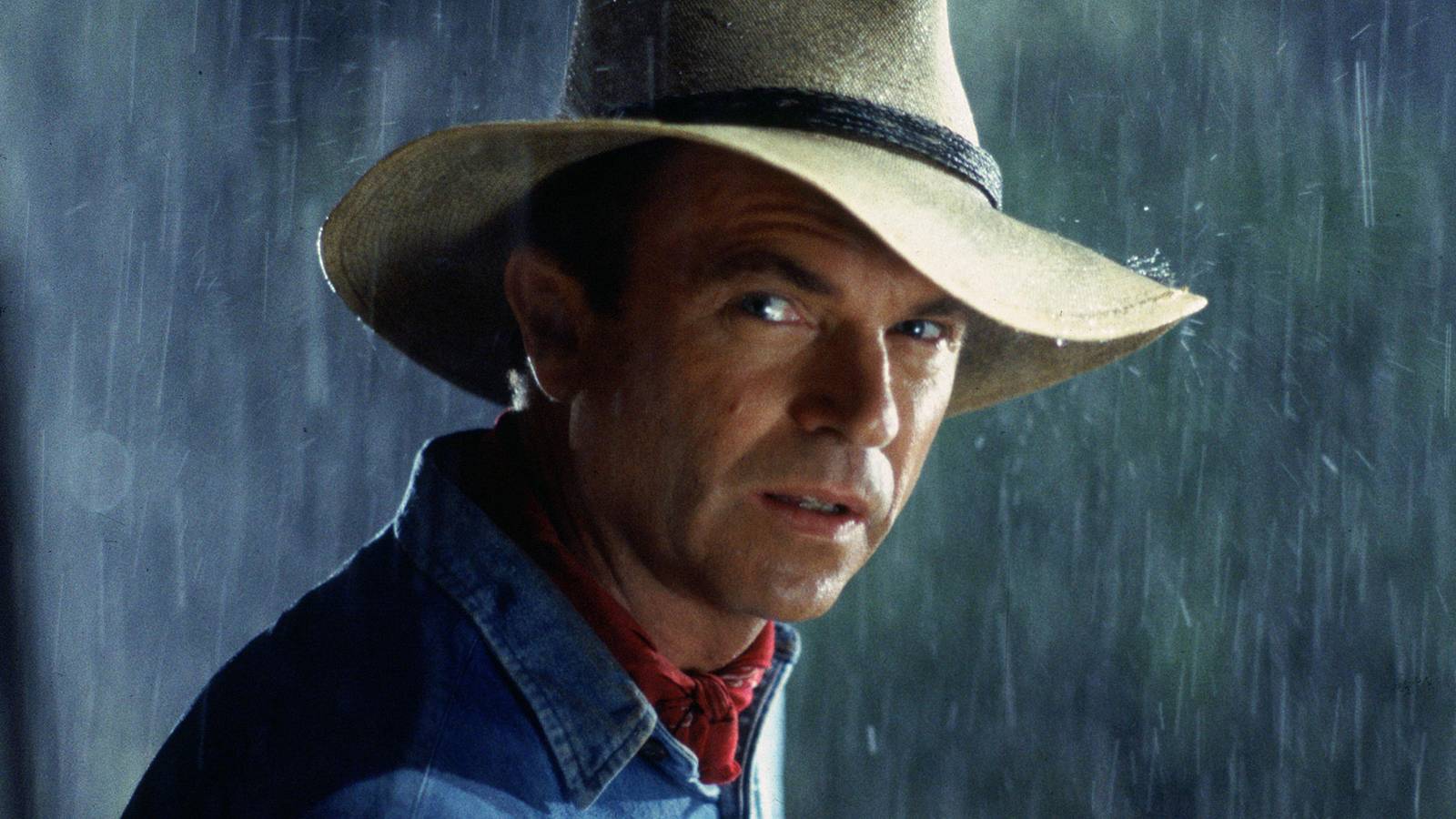
When Steven Spielberg’s Jurassic Park roared into theaters in 1993, it did more than just break box office records; it fundamentally altered the landscape of cinema. By seamlessly blending Michael Crichton’s cautionary techno-thriller themes with groundbreaking digital and animatronic effects, Spielberg created a template for the modern "creature feature." The film’s exploration of scientific hubris, the unpredictability of nature, and the primal instinct of survival remains the gold standard for science fiction.
While no single film has quite replicated the lightning-in-a-bottle success of the original park on Isla Nublar, the cinematic world is rich with spiritual successors. From the depths of the ocean to the far reaches of space, several sci-fi landmarks have successfully utilized the "Jurassic" formula—trapping humans in a controlled environment with apex predators—to deliver thrills that resonate with Spielberg’s classic.
Main Facts: The Anatomy of a ‘Jurassic’ Sci-Fi Narrative
To understand why certain films feel like Jurassic Park, one must dissect the anatomy of the 1993 masterpiece. At its core, Jurassic Park is built on three pillars:
- Scientific Hubris: The "Man playing God" trope, where advanced technology is used to resurrect or create something that humanity cannot ultimately control.
- The Isolated "Arena": A setting—be it an island, a space station, or a remote lab—that prevents easy escape, turning the environment into a pressure cooker.
- The Intelligent Predator: Unlike mindless monsters, the antagonists (like the Velociraptors) exhibit problem-solving skills, making them a psychological threat as much as a physical one.
Films like Aliens, Deep Blue Sea, and Kong: Skull Island do not just feature monsters; they mirror this specific structural DNA, using terror to critique human greed and the fragility of our dominance over the natural world.
Chronology: From Cybernetic Assassins to Prehistoric Portals
The evolution of these "Jurassic-adjacent" films spans decades, showing how filmmakers have adapted the "survival sci-fi" genre to fit the anxieties of different eras.
1986–1991: The Era of the Unstoppable Stalker
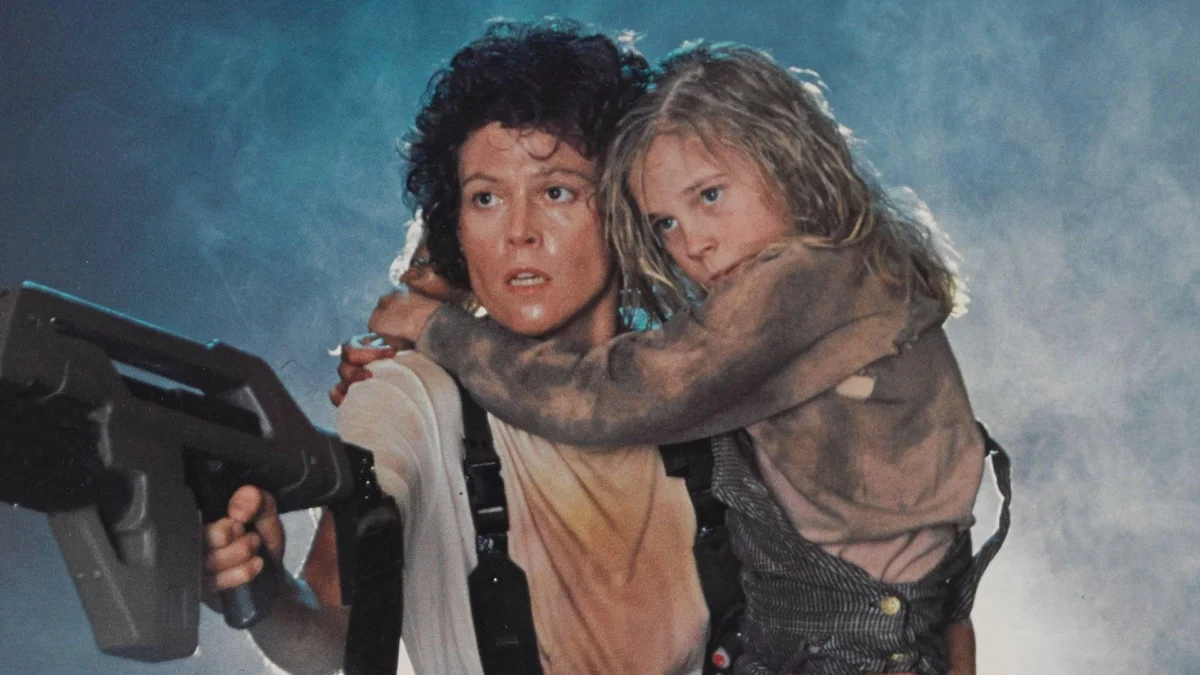
Before Jurassic Park even hit screens, James Cameron’s Aliens (1986) established the "base under siege" trope that Spielberg would later refine. While Alien (1979) was a slasher movie in space, Aliens introduced a hive-minded biological threat that mirrored the pack-hunting tactics of raptors.

In 1991, Cameron followed this with Terminator 2: Judgment Day. While a cyborg thriller, the T-1000 served as a precursor to the T-Rex: a relentless, technologically superior force of nature. The T-1000’s ability to "hunt" through logic and shapeshifting created a sense of stalking terror that Spielberg would famously replicate during the kitchen sequence in Jurassic Park.
1996–1999: Natural Horrors and Genetic Nightmares
Following the success of Jurassic Park, the late 90s saw a surge in films that treated nature itself as a monster. Twister (1996) is perhaps the most direct relative, co-written by Michael Crichton himself. It treated tornadoes not as weather patterns, but as living, breathing beasts with "personalities."
By 1999, Deep Blue Sea took the genetic engineering aspect of Jurassic Park and submerged it. By replacing dinosaurs with mako sharks—enhanced with larger brains to harvest Alzheimer’s medication—the film created a literal "Jurassic Park underwater." It leaned heavily into the "science gone wrong" motif, emphasizing that intelligence in a predator is the ultimate death sentence for humans.
2014–Present: The Scale of the Titan
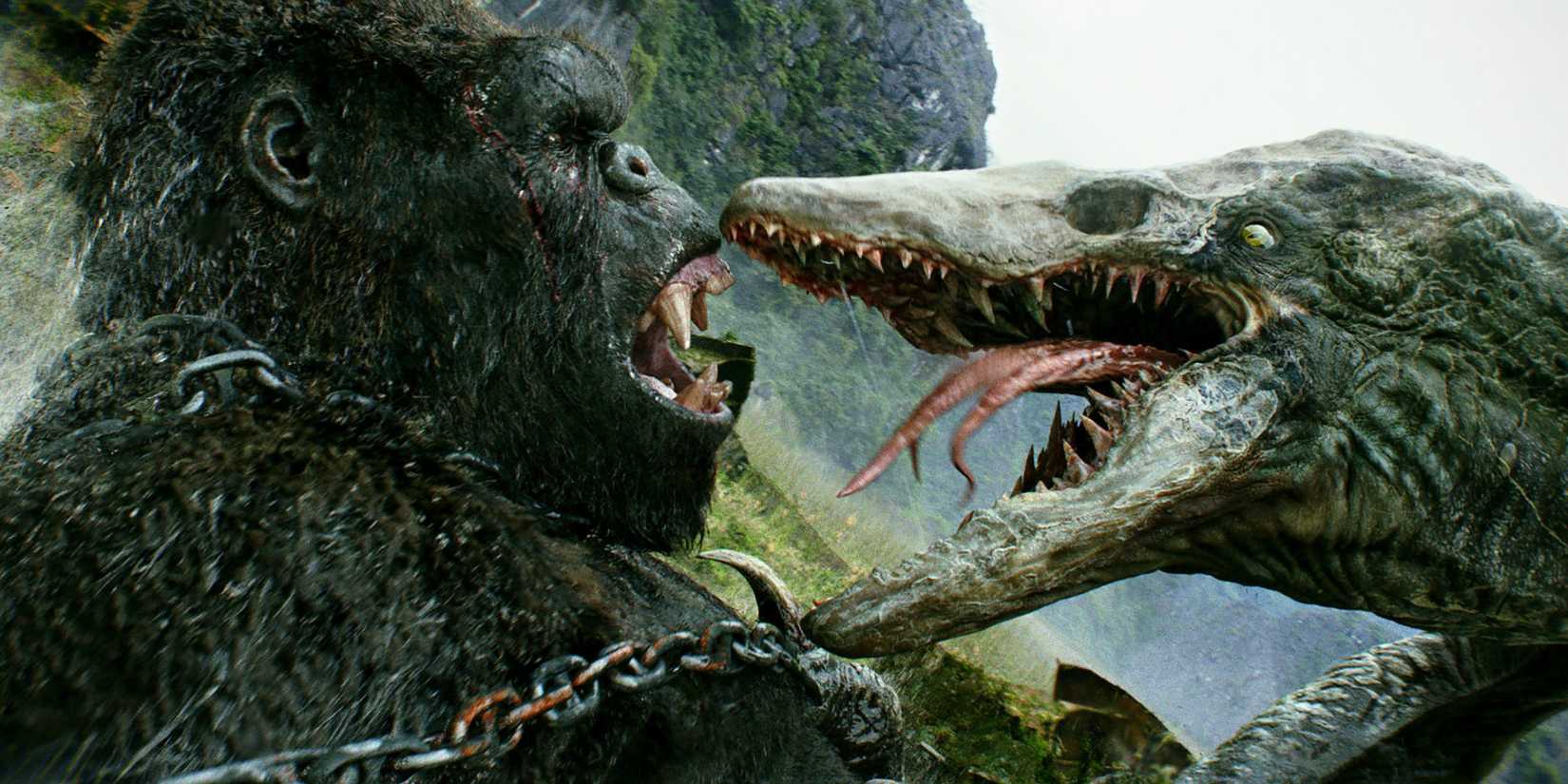
In the modern era, the MonsterVerse has taken the "dinosaur" concept to a planetary scale. Gareth Edwards’ Godzilla (2014) moved away from the campiness of previous iterations to focus on a "ground-level" human perspective. This echoed Spielberg’s technique of keeping the camera low to emphasize the sheer scale and majesty of the creatures. Kong: Skull Island (2017) furthered this by returning to the "dangerous island" trope, presenting an ecosystem where humans were at the bottom of the food chain.
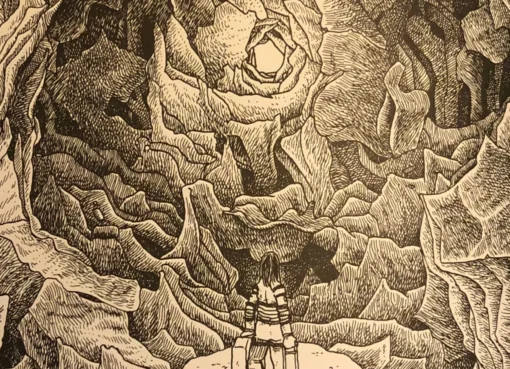
The upcoming Primitive War represents the latest evolution, blending historical war drama (the Vietnam War) with the survival horror of dinosaurs, proving that the appetite for prehistoric terror remains unsated.
Supporting Data: The Technical and Financial Blueprint
The connection between these films isn’t just thematic; it’s technical. Jurassic Park was the first film to prove that CGI could look "real," but it succeeded because it relied on 80% practical effects (animatronics) to ground the digital elements.
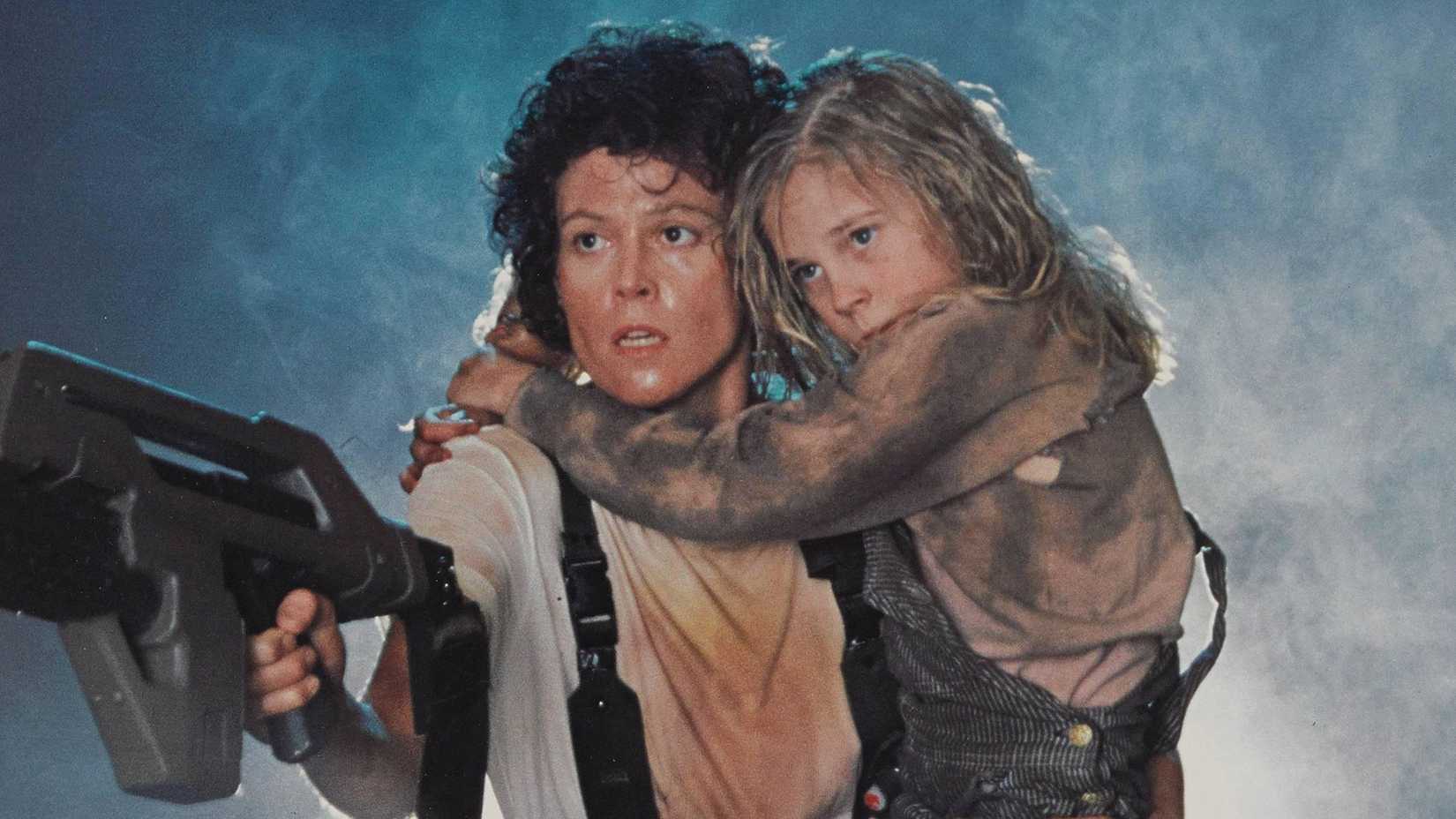
- Practicality over Pixels: Aliens used a massive puppet for the Alien Queen, much like the life-sized T-Rex animatronic. Deep Blue Sea utilized animatronic sharks that were so powerful they reportedly terrified the cast.
- The "Crichton" Effect: Michael Crichton’s influence cannot be overstated. Between Jurassic Park, The Lost World, and Twister, films based on his scripts or novels have grossed over $3 billion worldwide. His specific brand of "techno-fear" provided the intellectual backbone for the entire genre.
- Scale and Perspective: In Godzilla (2014), the director explicitly cited the "T-Rex reveal" as an inspiration for how to frame Godzilla. By obscuring the monster and focusing on the debris and human reaction, the film achieved a sense of "realistic" awe that had been missing from the genre for years.
Official Responses: Critical Reception and Industry Impact
The critical reception of these films often hinges on how well they balance spectacle with the "human element," a balance Spielberg mastered.
- Aliens: Often cited by critics as one of the few sequels to surpass the original, it holds a 98% on Rotten Tomatoes. Critics praised its "relentless" pace, a trait Jurassic Park would later adopt in its third act.
- Deep Blue Sea: While initially dismissed as a "B-movie," it has gained a massive cult following. Modern critics, such as those at Rotten Tomatoes, have re-evaluated it as a masterclass in tension, specifically noting the shocking mid-movie death of Samuel L. Jackson as a subversion of the "expert" trope (similar to how the "expert" lawyer is eaten in Jurassic Park).
- Kong: Skull Island: Nicholas Brooks, a Rotten Tomatoes certified critic, notes that Skull Island is "even scarier than Jurassic Park" because it removes the safety net of the "theme park" setting and replaces it with a wild, untamed ecosystem.
Industry insiders often point to Jurassic Park as the "Big Bang" for these films. Without the digital rendering techniques developed by ILM for Spielberg, the fluid movements of the T-1000 in Terminator 2 or the massive scale of the MonsterVerse would have been impossible to achieve.
Implications: Why the ‘Survival Sci-Fi’ Genre Endures
The enduring popularity of movies like Jurassic Park and its successors suggests a deep-seated human fascination with our place in the natural order. These films serve as a "memento mori," reminding us that for all our satellites, medicines, and weapons, we are still biological entities that can be hunted.
The Corporate Critique:
A recurring implication in these films is the villainy of corporate greed. In Jurassic Park, it’s InGen. In Aliens, it’s Weyland-Yutani. In Deep Blue Sea, it’s the pharmaceutical backers. These films suggest that the "monster" isn’t the dinosaur or the shark, but the human desire to monetize nature. This theme remains more relevant today than it was in 1993, as we grapple with real-world AI and genetic editing.
The Evolution of Awe:
Finally, these movies satisfy a need for "cinematic awe." In an era of superhero fatigue, "creature features" offer a different kind of thrill—one based on the sublime power of the natural (or unnatural) world. Whether it’s the T-1000 stepping through prison bars or a Skullcrawler emerging from the fog, these moments tap into a primal sense of wonder and terror.
As long as humanity continues to push the boundaries of science, there will be a place for films like Jurassic Park and its spiritual kin to remind us of the chaos that waits just outside the electric fence. These seven films—Aliens, Terminator 2, Twister, Deep Blue Sea, Godzilla, Kong: Skull Island, and Primitive War—each carry a piece of that 1993 legacy, proving that while the park may be closed, the monsters are still very much alive in our imagination.