The Intersection of Ideology and Identity: From Brooklyn Coffee Shops to Global Diplomacy
In an era defined by hyper-polarization, the line between personal interaction and political statement has increasingly blurred. From a local Brooklyn coffee shop to the high-stakes corridors of the G7 summit, recent events have highlighted a growing volatility in both domestic and international discourse. The convergence of a controversial primary election in New York City and a diplomatic rupture between the United States and Italy serves as a poignant case study in how ideological shifts, gender dynamics, and "cancel culture" are reshaping the modern political landscape.
Main Facts: A Triad of Political Friction
The current political climate is punctuated by three distinct but interconnected narratives. First, in New York’s 10th Congressional District, a minor personal encounter involving Representative Dan Goldman at a local coffee shop escalated into a national debate over the Israel-Palestine conflict and the limits of political tolerance. This occurred against the backdrop of a significant primary defeat for Goldman, signaling a potential shift in the Democratic Party’s ideological center of gravity.
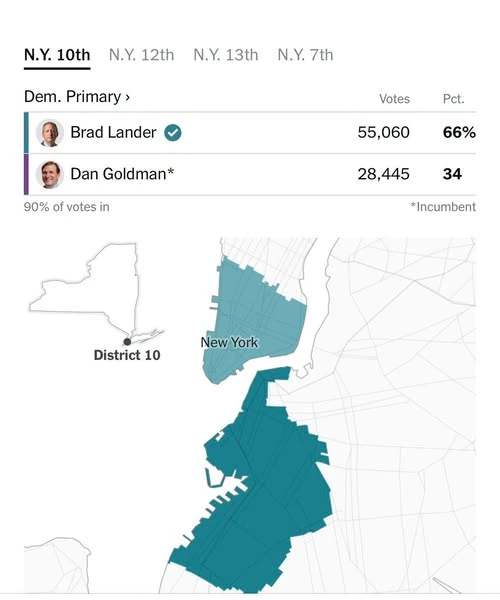
Second, the rise of "Mamdani-backed" socialist candidates in New York City has reignited a historical debate over the definitions of socialism and communism. The victory of Brad Lander over Goldman, supported by figures such as Zohran Mamdani and Senator Bernie Sanders, suggests that voters in high-density urban districts are increasingly prioritizing progressive policies over centrist incumbency, regardless of traditional religious or ethnic voting blocs.
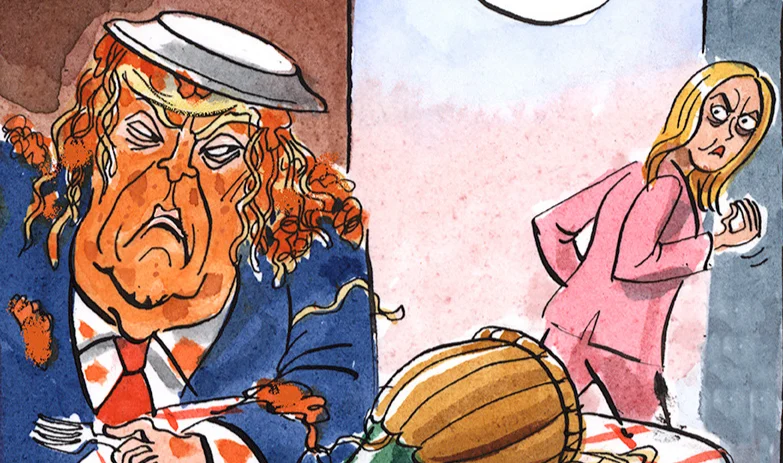
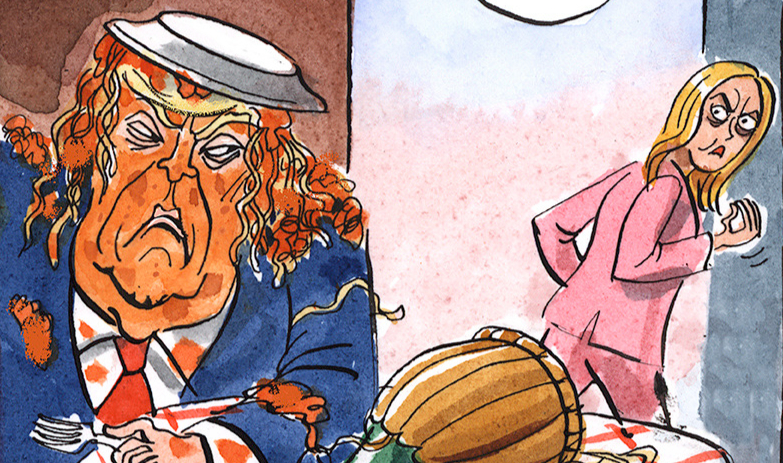
Third, on the international stage, a public rift has emerged between U.S. President Donald Trump and Italian Prime Minister Giorgia Meloni. Following the G7 summit, a dispute over a perceived breach of protocol and allegedly "fabricated" claims regarding Meloni’s conduct has strained relations with one of the few right-wing European leaders who had previously maintained a rapport with the Trump administration. This friction is compounded by a perceived "manosphere" influence within the U.S. executive branch, specifically regarding the treatment of female military leaders and the promotion of traditionalist gender roles.
Chronology of Events
The Brooklyn Coffee Shop Incident
The controversy began when Representative Dan Goldman, representing New York’s 10th District, entered a local coffee shop so his seven-year-old daughter could use the restroom. According to Goldman’s account provided to CNN, the initial interaction with a hijab-wearing barista was polite and compassionate. Grateful for the service, Goldman purchased a coffee and left a significant tip.
However, the civility of the physical encounter was short-lived. Shortly after the visit, a staff member at the establishment—described by critics as a "keyboard warrior"—posted a message on the shop’s Instagram account. The post explicitly barred Goldman from the premises, citing his pro-Israel stance in the ongoing Gaza conflict. While it remains unclear if the post represented official management policy, the "nastygram" went viral, sparking a firestorm of media coverage that ranged from the New York Post’s condemnation of the "ban" to more neutral reports from the Scripps wire service.
The New York Primaries
Parallel to this social media scandal, the NYC primaries saw a decisive shift. Dan Goldman, despite representing a district with the highest Jewish population in the country (estimated between 27.5% and 37.6%), was defeated by Brad Lander. The primary was largely defined by the candidates’ differing levels of criticism toward Prime Minister Benjamin Netanyahu’s operations in Gaza. The results were finalized shortly after the coffee shop incident, fueling the narrative that the "incumbent centrist" model is struggling against the "Mamdani-Sanders" progressive wing.
The G7 Diplomatic Fallout
The timeline of international tension solidified on June 19, 2026, following the G7 summit. President Trump publicly claimed that Prime Minister Meloni had "begged" for a photo with him, a statement intended to project dominance. By June 22, the Italian government issued a stinging rebuttal. Meloni described the claims as "completely fabricated" and expressed "appallment" at the behavior of the U.S. President toward a primary ally. This led to the cancellation of a scheduled U.S. trip by a top Italian diplomat, marking a low point in bilateral relations.
Supporting Data: Demographics and Ideological Shifts
To understand the weight of these events, one must look at the data governing New York’s 10th District. The district is a microcosm of the complexities within the modern Democratic base. While the district’s high Jewish population might traditionally suggest a unified front on Middle Eastern policy, the primary results proved otherwise. Both Goldman and Lander are Jewish, yet the electorate favored Lander’s more critical stance on the Gaza operations.
This shift reflects a broader trend: the "Mamdani effect." Zohran Mamdani, a self-identified democratic socialist, has become a kingmaker in local politics. His endorsements, alongside those of Bernie Sanders and Alexandria Ocasio-Cortez, have proven more influential than traditional party endorsements.
| Candidate | Endorsements | Key Policy Stance |
|---|---|---|
| Dan Goldman | Centrist Establishments | Pro-Israel / Centrist Democratic |
| Brad Lander | Mamdani, Sanders, AOC | Critical of Netanyahu / Democratic Socialist |
Furthermore, the historical context of "socialism" in American politics continues to be a point of confusion. Critics often conflate the democratic socialism of the Sanders-Mamdani wing with 20th-century communism. However, data suggests that younger voters are less moved by "Red Scare" rhetoric. Bernie Sanders has held office since 1981, indicating that the socialist label has been a durable part of the American political fabric for over four decades, particularly in Vermont and now increasingly in New York City.
Official Responses and Rhetoric
Domestic Reactions
Representative Dan Goldman’s response to the coffee shop ban was one of disappointment rather than rage. He emphasized the kindness of the individual worker while lamenting the "unnecessary" politicization of a simple human interaction.
Conversely, the coffee shop’s social media post reflected a growing sentiment among activist staff members who feel empowered to use their workplace as a platform for political protest. This has led to a debate over "unconditional dignity" in service, a promise many shops make but few seem able to maintain when faced with high-profile political figures.
International Rebuttals
Prime Minister Giorgia Meloni’s response to the White House was uncharacteristically blunt for a diplomatic ally:
"Donald Trump’s statements are completely fabricated. I am frankly appalled. I don’t know why the President of the United States behaves this way towards his allies… it’s a pity that he doesn’t show the same determination with the enemies of the West."
This sentiment was echoed by the Italian diplomatic corps, who signaled that Italy would not quietly accept "boorishness" as a standard for international engagement.
Implications: The "Manosphere" and the Future of Alliances
The implications of these events extend far beyond a cup of coffee or a photo op. They suggest a fundamental shift in how leadership is performed and perceived.
The Rise of the "Manosphere" in Governance
The friction between Trump and Meloni, coupled with the domestic policies of figures like Pete Hegseth, suggests the emergence of a "manosphere" influence in the U.S. administration. Hegseth’s association with Pastor Douglas Wilson—a proponent of "tradwife" culture and a critic of the 19th Amendment—has raised alarms regarding the future of women in leadership. The recent dismissal of several high-ranking female military officers under Hegseth’s purview at the Pentagon is seen by many as a practical application of this ideology.
The Erosion of Centrist Dominance
In New York, the defeat of Dan Goldman serves as a warning to centrist Democrats. The "people have spoken," and they are increasingly choosing candidates who advocate for radical changes in tax allocation—prioritizing healthcare and food security over traditional defense and corporate interests. The inability of the centrist wing to define socialism on its own terms has allowed the progressive wing to capture the imagination of the urban electorate.
The Strain on Western Unity
Perhaps the most concerning implication is the fraying of Western alliances. When the President of the United States alienates a right-wing ally like Meloni, it signals a move toward isolationism that disregards ideological commonality in favor of personal ego. Meloni’s pointed comment about "enemies of the West" suggests that European leaders may no longer view the U.S. as a reliable bulwark against global adversaries if the administration continues to prioritize domestic "culture war" victories over international stability.
Conclusion: Determination Over Despair
The events of the past weeks—the coffee shop ban, the primary upsets, and the diplomatic insults—sum up a period of significant "grousing." While many are left with the "I told you so" sentiment, the underlying reality is that the American and global political landscapes are undergoing a painful recalibration.
The shift toward more socialist domestic policies in NYC and the rise of a "traditionalist" gender-focused rhetoric in Washington D.C. represent two diametrically opposed visions for the future. As these ideologies clash, the "Reflecting Pool" of public opinion remains murky. However, as the article notes, solving these complex issues requires "determination, not despair." Whether through the ballot box in New York or the diplomatic cables in Rome, the demand for dignity—both personal and national—remains the central theme of the current political era.