The Narrative Weight of Loss: Why Netflix’s ‘Avatar: The Last Airbender’ Season 2 Falters with Its Most Crucial Arc
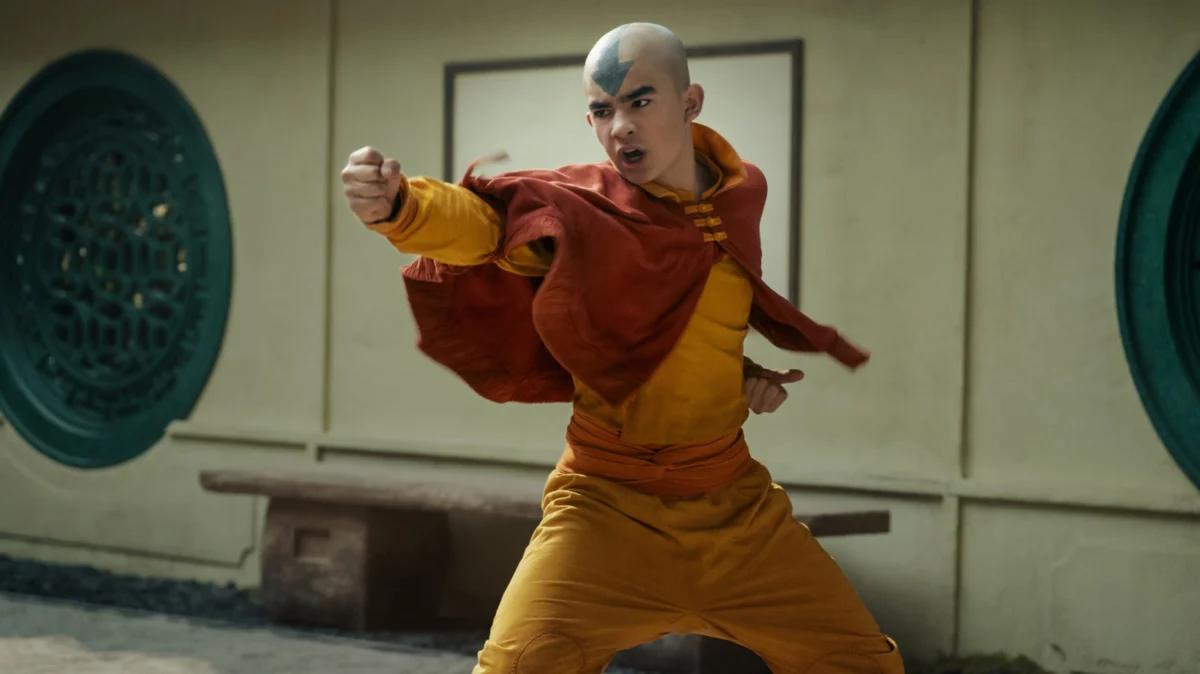
The transition from a beloved animated masterpiece to a live-action prestige drama is a tightrope walk rarely executed without a stumble. For Netflix’s adaptation of Avatar: The Last Airbender, the stakes for its second season—corresponding with the animated "Book Two: Earth"—were astronomical. While the sophomore outing has been praised for its refined tone and willingness to embrace the darker nuances of a world at war, it has simultaneously come under fire for a critical structural failure. By mishandling the kidnapping of Appa, the sky bison and spiritual heart of the series, the live-action remake has arguably stripped the story of its most potent emotional engine.
Main Facts: A Shift in Tone and Structural Missteps
Netflix’s Avatar: The Last Airbender Season 2 presents a paradox. On one hand, it is a significant technical and tonal improvement over its predecessor. The inaugural season was frequently criticized as a "greatest hits" compilation, awkwardly vacillating between the whimsical "cartoonishness" of its source material and a forced, gritty violence intended to appeal to the Game of Thrones demographic. Season 2 finds a steadier footing, leaning into the grim realities of the Fire Nation’s global occupation.
However, this maturity comes at a cost. The narrative suffers from what critics describe as "bloat by nostalgia"—an insistence on shoehorning every minor side character and fan-favorite meme into the script, often at the expense of pacing. The most egregious casualty of this structural clutter is the "Appa’s Kidnapping" storyline. In the original series, this arc served as the backbone of the season’s psychological tension. In the Netflix adaptation, it is relegated to a late-season plot point, serving more as a catalyst for a temporary team breakup than a season-defining tragedy.
Chronology of a Crisis: Original vs. Live-Action
To understand the depth of this failure, one must examine the chronological placement of Appa’s disappearance in both versions of the story.
The Animated Blueprint (2006)
In the original Nickelodeon series, Appa is stolen by sandbenders in the episode "The Library," which occurs exactly halfway through the 20-episode season. This timing was surgical. For the remaining ten episodes, the narrative stakes were fundamentally altered:
- Logistics: The team lost their primary mode of transportation, forcing them to navigate the deadly Si Wong Desert and the Serpent’s Pass on foot.
- Psychology: Aang, already burdened by the genocide of his people, lost his final living connection to his past. This triggered a terrifying descent into rage and grief, culminating in the activation of the Avatar State.
- The Search: The search for Appa provided a desperate, driving force for the team’s arrival in the Earth Kingdom capital of Ba Sing Se, making the city’s internal conspiracies feel even more claustrophobic.
The Netflix Adaptation (Season 2)
In the live-action remake, the kidnapping is delayed until the final two episodes of the season. By moving this event to the "eleventh hour," the showrunners have effectively neutralized the long-term dread that defined the animated "Book Two." Rather than a looming cloud over the entire Earth Kingdom journey, the loss of Appa becomes a "final straw" moment used to justify Aang’s decision to temporarily distance himself from Katara and Sokka. The result is a narrative that feels rushed, where the emotional fallout is condensed into a few scenes rather than being allowed to breathe over an entire character arc.
Supporting Data: The Cultural and Narrative Significance of Appa
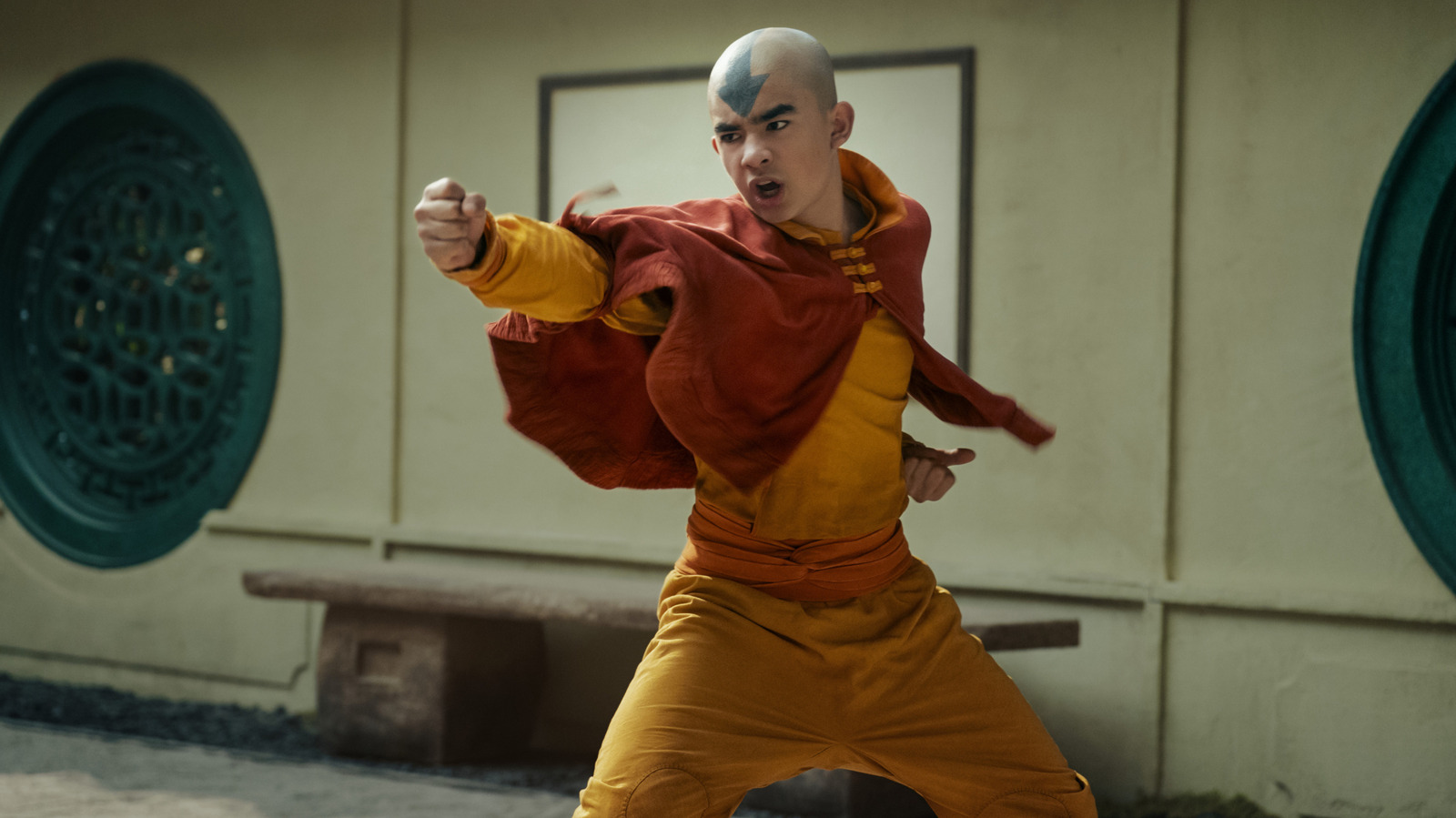
Appa is not merely a "pet" or a "mount" in the Avatar mythos; he is a primary character. The original series recognized this by dedicating an entire episode, "Appa’s Lost Days," to his perspective. This episode remains a landmark in television history, winning a Genesis Award from the Humane Society of the United States for its poignant and harrowing depiction of animal cruelty and the bond between humans and animals.
The Impact of "Appa’s Lost Days"
The data of fan engagement and critical reviews consistently ranks "Appa’s Lost Days" as one of the most emotionally devastating episodes of the franchise. By showing Appa’s trauma—his imprisonment in a circus, his struggle for survival in the wild, and his eventual arrival at the Eastern Air Temple—the show forced the audience to feel the weight of the war from a non-verbal perspective.
The Netflix version, by contrast, has struggled with "Appa visibility." Due to the high cost of CGI, the sky bison is frequently absent from scenes or "grounded" by plot contrivances. In the live-action Ba Sing Se, Appa is forbidden from flying and is kept out of sight for much of the city arc. When he is finally taken, the audience has spent so little time with him in the preceding episodes that the loss lacks the visceral "phantom limb" feeling that the original achieved so masterfully.
The Beifong and Iroh Subplots
The live-action series does find success in other "dark" areas mentioned in the source material:
- Iroh’s Past: Season 2 delves into Iroh’s history as the "Dragon of the West" and the Siege of Ba Sing Se, framing him not just as a lovable uncle but as a man seeking redemption for genuine war crimes.
- The Beifong Family: The show explores the moral bankruptcy of the Earth Kingdom elite, specifically how the Beifong family (Toph’s parents) profited from the war effort, adding a layer of sociopolitical complexity that mirrors real-world war profiteering.
While these additions are praised for their depth, they further highlight the imbalance: the show is willing to spend time on political intrigue but fails to protect the central emotional bond of its protagonist.
Official Context: The Creative Logic and Its Flaws
While Netflix has not issued a formal "rebuttal" to the criticisms regarding Appa, creative decisions can be inferred from showrunner interviews and the realities of streaming production.
- The Binge-Model Pacing: Unlike the weekly 22-minute format of the original, Netflix’s 8-episode structure favors "block" storytelling. The writers likely felt that keeping Appa missing for four or five hour-long episodes would be too depressing or would stall the political intrigue of the Ba Sing Se arc.
- Budgetary Constraints: A fully realized CGI sky bison is expensive. By minimizing Appa’s screen time and pushing his kidnapping to the end, the production saves significant resources for the high-octane bending battles of the finale.
- The "Aged Up" Mandate: There appears to be a creative push to prioritize "human" drama over "animal" drama. The showrunners have focused heavily on the Zuko/Iroh relationship and the internal politics of the Dai Li, perhaps underestimating the audience’s emotional investment in the Avatar’s animal companion.
Implications: What This Means for the Future of the Franchise
The failure to properly execute the Appa arc has broader implications for Avatar: The Last Airbender Season 3 and the legacy of the live-action project as a whole.
Weakening Aang’s Development
Aang’s journey is defined by his struggle to remain a pacifist in a world that demands violence. The loss of Appa in the original was the ultimate test of his philosophy. Without the extended period of grief and the subsequent "Appa’s Lost Days" context, Aang’s eventual reunion with his friend in Season 3 may feel unearned—a plot resolution rather than a spiritual homecoming.
The "Greatest Hits" Trap
If the show continues to treat major emotional milestones as items on a checklist to be "gotten through" rather than experiences to be lived, it risks becoming a hollow imitation. The strength of Avatar was never just its world-building or its magic system; it was the intimacy of its characters’ losses.
Conclusion: A Lesson in Narrative Architecture
Netflix’s Season 2 has proven that it can handle the "gritty" side of Avatar with sophistication. It has successfully navigated the complexities of war crimes, profiteering, and political corruption. However, in its quest to be "grown-up," it has neglected the foundational emotional truth of the series: that a boy and his bison are the heart of the world. By delaying and diminishing Appa’s kidnapping, the show hasn’t just failed a storyline; it has risked losing the soul of the story it is trying to tell. As the production moves toward the final chapter of Aang’s journey, the creators must realize that the most "mature" thing a show can do is allow its characters—and its audience—to truly feel the weight of what has been lost.