Steam Summer Sale Unleashes Massive VR Discounts: A Comprehensive Analysis of the PCVR Marketplace

The digital storefronts of Valve Corporation have once again transformed into a global focal point for the gaming community as the annual Steam Summer Sale officially commences. For enthusiasts of immersive technology, this year’s event represents a significant milestone in the accessibility of high-end virtual reality (VR) content. With over 800 VR-compatible titles receiving deep price cuts, the sale—which is scheduled to conclude on July 9 at 1:00 PM ET—marks one of the most aggressive promotional periods in the history of the platform.
As the VR industry navigates a complex transitional phase between tethered PCVR and standalone headsets, the 2024 Summer Sale serves as a critical pulse check for the ecosystem. From AAA masterpieces like Half-Life: Alyx to cult-classic indie simulations, the breadth of the discounts offers a rare opportunity for both newcomers and veterans to expand their digital libraries at a fraction of the standard retail cost.
Main Facts: The Scope of the 2024 VR Promotion
The scale of the current Steam Summer Sale is difficult to overstate. While the storefront hosts tens of thousands of traditional "flat" games, the dedicated VR segment has seen a robust influx of participation this year. According to official Steam database tracking, more than 800 titles categorized under "VR Support" or "VR Only" have been discounted.
Key highlights of the sale include:
- Half-Life: Alyx: Valve’s flagship VR title is currently available at a 75% discount, bringing the gold standard of VR gaming to its lowest historical price point.
- Hitman World of Assassination: In a move that has surprised many industry analysts, the comprehensive stealth-action suite is discounted by a staggering 90%, offering hundreds of hours of VR-compatible content for a nominal fee.
- Resident Evil 4 (Remake): The critically acclaimed survival horror title, featuring a robust VR mode, is currently listed at 75% off.
- Accessibility: Steam has updated its landing page filters, allowing users to navigate the "Visuals and Viewpoint" section to specifically isolate VR titles, simplifying the discovery process amidst the "overwhelming" volume of deals.
The sale encompasses both "Native VR" (built from the ground up for headsets) and "Hybrid VR" (traditional games that have received official VR support patches). This distinction is vital for consumers looking to maximize their hardware’s potential.
Chronology: The Evolution of the Steam Summer Sale and the VR Movement
To understand the significance of this year’s sale, one must look at the timeline of Valve’s involvement in the VR space. The Steam Summer Sale has historically been a barometer for the health of PC gaming, but its relationship with VR has evolved through several distinct phases.
2016–2018: The Early Adoption Phase
Following the launch of the HTC Vive and the Oculus Rift, VR titles were often experimental and priced at a premium. During these early Summer Sales, discounts were conservative as developers sought to recoup high R&D costs from a small install base.
2019–2020: The Alyx Paradigm Shift
In late 2019, Valve announced Half-Life: Alyx, the first true AAA blockbuster designed exclusively for VR. The 2020 Summer Sale following its release saw a massive surge in VR hardware sales and a corresponding increase in software discounts. This period established Steam as the premier destination for high-fidelity PCVR, contrasting with the mobile-processor-based limitations of standalone units.
2021–2023: The Hybrid Era and Market Consolidation
As Meta (formerly Oculus) pivoted toward the standalone Quest ecosystem, Steam’s VR strategy shifted toward "Hybrid" titles. Games like No Man’s Sky, Elite Dangerous, and the Resident Evil series began dominating the sale charts, offering VR modes as an added value to traditional gaming experiences.
2024: The "Deep Discount" Strategy
The current sale represents a tactical shift. With the July 9 deadline approaching, the 75% to 90% discounts suggest a concerted effort by Valve and third-party publishers to lower the barrier to entry for PCVR. This aggressive pricing strategy aims to revitalize the PCVR market in the face of stiff competition from standalone hardware.
Supporting Data: A Deep Dive into the Discount Tiers
The 800+ titles on sale can be categorized into several tiers based on their value proposition and genre. Analyzing these data points reveals where the most significant savings reside.
The AAA "Must-Haves"
The 75% discount on Half-Life: Alyx is the most significant data point for most consumers. Since its release, the game has maintained a relatively high price floor due to its status as the definitive VR experience. Its current price reduction serves as a "loss leader" to bring users into the SteamVR ecosystem. Similarly, Resident Evil 4 at 75% off highlights a trend of major publishers (Capcom) using the Summer Sale to extend the "long tail" of their high-budget releases.
The Stealth and Simulation Category
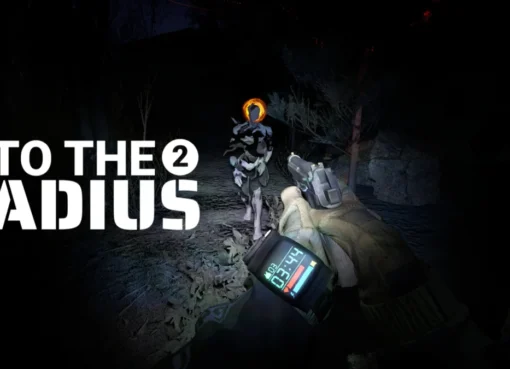
Hitman World of Assassination at 90% off represents the single highest value-to-cost ratio in the sale. The package includes content from Hitman 1, 2, and 3, all playable in VR. In the simulation space, titles like VTOL VR, Into the Radius, and Blade & Sorcery—while often seeing more modest discounts in the 20% to 40% range—continue to be top sellers due to their high "replayability" and active modding communities.
Indie Innovation and Survival
The sale also highlights the "Indie VR" backbone of the platform. Titles like Phasmophobia (a cooperative horror sensation) and Walkabout Mini Golf have become staples of the VR community. Data suggests that these smaller titles often see a 300% to 500% increase in daily active users during the Summer Sale window, as the lower price point encourages "impulse buys" from the Steam community.
Official Responses and Industry Perspectives
While Valve Corporation famously maintains a "quiet" public relations profile, the structure of the sale reflects their broader corporate philosophy. By providing a platform for 800+ VR titles, Valve is reinforcing its commitment to an "Open VR" ecosystem, contrasting with the "Walled Garden" approach of competitors like Meta or Sony.
Developers have been more vocal about the impact of the sale. Speaking on various developer forums and social media platforms, many indie VR creators have noted that the Steam Summer Sale is their most significant revenue event of the year.
"For a small VR studio, the Summer Sale isn’t just about moving units; it’s about community growth," says one developer who requested anonymity. "The influx of new players on July 9th will provide the data and feedback necessary to fund our next two years of development. When Valve puts Alyx on sale for 75% off, it brings thousands of new headsets into the ecosystem, and those people need other games to play once they finish Alyx."
Furthermore, industry analysts suggest that the steep discounts on "Hybrid" titles (like Hitman and Resident Evil) are a strategic move by publishers to gauge interest in VR ports. High sales volumes during this period could signal to boards of directors that VR support is a viable investment for future "flat" titles.
Implications: The Future of PCVR and Market Sustainability
The massive scale of the Steam Summer Sale has profound implications for the future of the virtual reality industry.
1. Lowering the Barrier to Entry
The primary hurdle for VR has always been the "Total Cost of Ownership." Between the cost of a gaming PC and the headset itself, the software often becomes an afterthought. By offering 800+ titles at steep discounts, Valve is effectively lowering the secondary barrier to entry. A new user can now acquire a library of 10-15 top-tier VR games for less than the price of one new AAA release.
2. The Pressure on Standalone Ecosystems
While the Meta Quest 3 dominates the hardware market share, its standalone store rarely matches the aggressive discounting seen on Steam. This creates a "value gap" that favors PCVR. Users who own a Quest 3 but use a Link Cable or AirLink to play Steam games are the primary beneficiaries of this sale, further cementing Steam’s position as the "software hub" for all VR hardware.
3. The "Long-Tail" Revenue Model
The 90% discount on Hitman suggests a shift toward a "long-tail" revenue model. Publishers are realizing that in the VR space, where the audience is smaller but more dedicated, it is more profitable to sell a million copies at $5 than 50,000 copies at $50. This volume-based approach helps build a brand presence that pays dividends when the next generation of hardware arrives.
4. Technical Hardware Requirements
A significant implication of this sale is the hardware "pull" it creates. To play Half-Life: Alyx or Resident Evil 4 at the fidelity offered on Steam, users require mid-to-high-range GPUs. This sale indirectly drives the PC hardware market, as users who purchase these high-end games are often prompted to upgrade their graphics cards or processors to achieve the best experience.
Conclusion
The Steam Summer Sale remains the most significant event in the PC gaming calendar, and its impact on the VR sector is more pronounced in 2024 than ever before. With the July 9 deadline looming, the window for consumers to capitalize on these "ludicrous" discounts is closing.
Whether it is the 90% reduction on Hitman or the 75% price cut on the industry-defining Half-Life: Alyx, the sale represents a turning point in VR accessibility. For the industry, it is a demonstration of the "long-tail" viability of VR software. For the consumer, it is an invitation to step into the future of immersive entertainment without the prohibitive costs that once defined the medium. As the sale enters its final days, the VR community waits to see if this surge in software adoption will translate into a new "Golden Age" for PC-based virtual reality.