
The Unfiltered Reality: Peachies Challenges the "Sanitized" Parenting Narrative with New Newborn Campaign
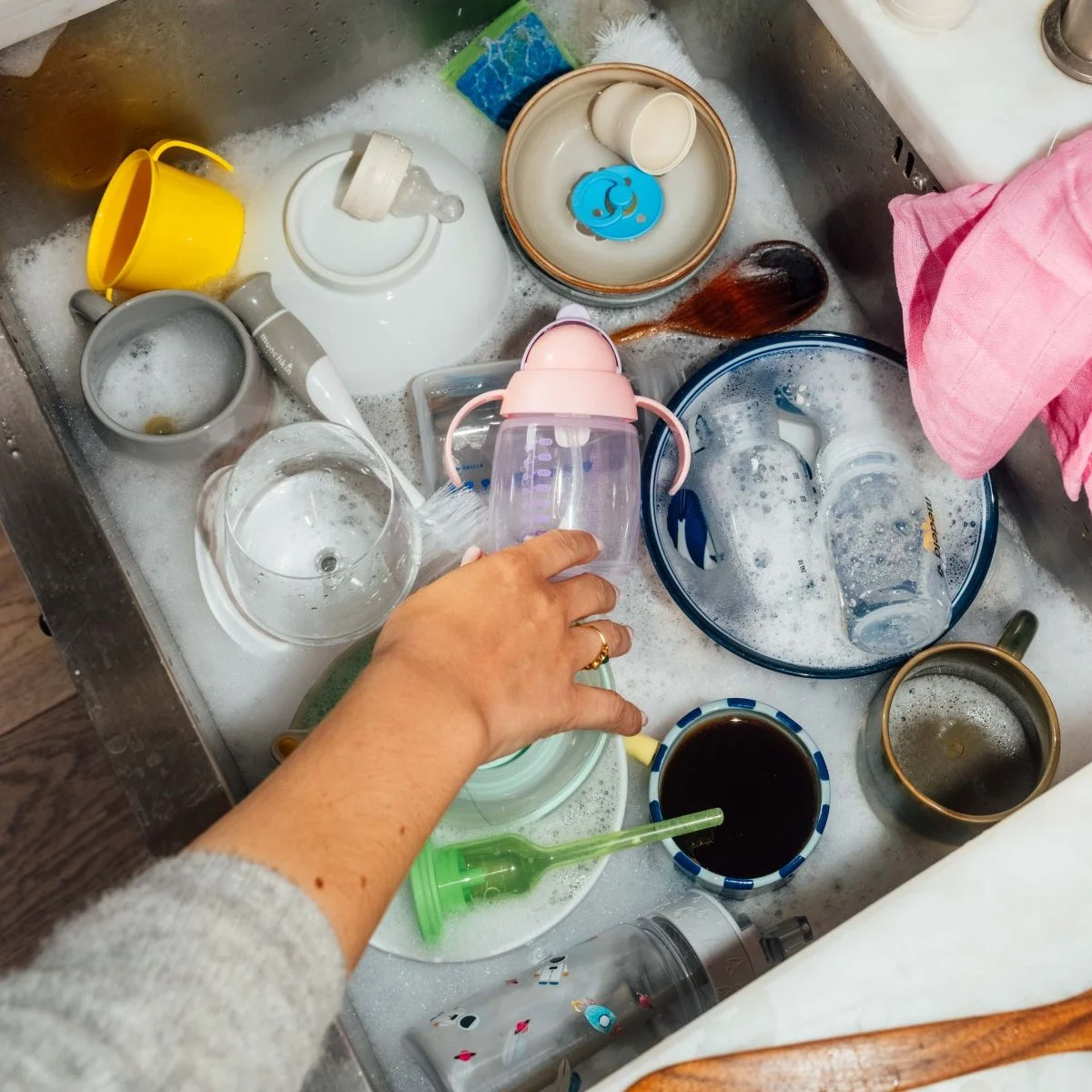
In an industry long dominated by soft-focus lenses, sleeping infants, and a suspiciously clean version of domestic life, the eco-conscious nappy brand Peachies is staging a quiet revolution. With the launch of its latest campaign, titled "Blood, Sweat, Tears, Baby," the brand is moving beyond the traditional marketing tropes of the baby care sector to highlight the gritty, overlooked, and often overwhelming realities of the "fourth trimester."
Created to coincide with the introduction of the brand’s new size 00 newborn nappy, the photography-led campaign marks a significant departure from category norms. Rather than centering the product or even the infant, the work turns its lens toward the parents, capturing the exhaustion, the mess, and the profound emotional shifts that accompany the arrival of a new human being.
Main Facts: A Paradigm Shift in Baby Care Marketing
Peachies’ "Blood, Sweat, Tears, Baby" campaign is a deliberate attempt to bridge the gap between the idealized version of parenthood often seen in advertisements and the lived experience of modern families. The campaign serves as the promotional vehicle for the brand’s size 00 nappy, designed specifically for the smallest newborns, but its message carries much heavier weight than a simple product announcement.
Developed entirely in-house and shot by renowned photographer Annie Kruntcheva, the campaign’s visual language is rooted in "unfiltered" storytelling. The imagery eschews the bright, sterile environments of traditional nappy ads in favor of the cluttered, dimly lit, and chaotic spaces of a real home.
The core of the campaign is built on three primary pillars:

- Parent-Centric Perspective: The baby is often a peripheral figure, while the parents’ physical and emotional states take center stage.
- The "Invisible" Mother: Responding to research that suggests a crisis of identity and support for new mothers.
- The Reality of the Home: Showcasing the "debris of life"—dirty dishes, piles of laundry, and the logistical nightmare of early parenthood.
By focusing on these elements, Peachies is positioning itself not just as a utility provider, but as a brand that "sees" its customers during their most vulnerable transitions.
Chronology: From "Big Pant Energy" to the Fourth Trimester
The "Blood, Sweat, Tears, Baby" campaign is the latest chapter in Peachies’ ongoing effort to disrupt the nappy market. To understand the brand’s current direction, one must look at its trajectory over the past year.
In 2023, Peachies gained significant industry attention with its "Big Pant Energy" campaign. That work focused on the toddler stage, celebrating the chaotic, humorous, and high-energy nature of children learning to move and assert their independence. It was a successful exercise in using humor and relatability to build brand equity.
However, as the brand prepared to launch its size 00 nappy—a product aimed at the very beginning of the parenting journey—the tone required a shift. The transition from the "Big Pant Energy" of a toddler to the "Blood, Sweat, and Tears" of a newborn represents a chronological move backward in the child’s life, but a step forward in the brand’s commitment to radical honesty.
The development of the size 00 nappy itself was a response to a gap in the premium eco-nappy market for smaller infants. During the product development phase, the brand conducted extensive outreach to its community, which revealed a recurring theme: while parents were excited about the product, they felt a profound sense of isolation and a lack of preparation for the postpartum period. This feedback became the catalyst for the creative direction of the campaign, which moved from a product-focus to a socio-emotional focus.

Supporting Data: The Statistics of Postpartum Isolation
The creative direction of the campaign was not merely an aesthetic choice; it was driven by stark empirical evidence. Peachies conducted internal research into the mental health and preparedness of new parents, yielding results that highlight a significant failure in the current parenting support system.
The Preparation Gap
According to the brand’s research, a staggering 95% of mothers reported feeling unprepared for what came after childbirth. This "preparation gap" suggests that while society focuses heavily on the birth event itself—the "delivery"—there is a catastrophic lack of education and support regarding the physical and emotional recovery that follows.
The "Invisible" Parent
Perhaps the most poignant finding was that six in ten mothers (60%) felt "invisible" after giving birth. This phenomenon, often described by sociologists as the "disappearing mother," occurs when the social and medical focus shifts entirely to the newborn, leaving the birthing parent’s needs, health, and identity in the shadows.
Visualizing the Data
The campaign’s imagery acts as a visual representation of these statistics.
- The "Cold Coffee" Shot: A mother holding her child while being fed a pastry by her partner captures the "tag-team" survival mode that 95% of parents find themselves in.
- The Still-Life of Chaos: Photos of sinks full of dirty bottles and "worn-but-not-dirty" clothes draped over chairs speak to the mental load and the physical clutter that contributes to the feeling of being overwhelmed.
By reflecting these specific, unglamorous moments, Peachies validates the experiences of the 60% of mothers who feel unseen, effectively saying: "We see the mess, and we see you."

Official Responses: Redefining the Category
The leadership at Peachies has been vocal about the need for the baby care industry to take a more responsible and honest approach to marketing. Rima Suppan, co-founder of Peachies, emphasizes that the campaign is a direct challenge to the silence surrounding postpartum recovery.
"When we launched Peachies, we wanted to redefine what a nappy brand could be—not just in product performance, but in how it represents the experience of parents," Suppan stated. She noted that the category has been "silent for too long" on the realities of the fourth trimester. "95% of mothers say they weren’t prepared for postpartum recovery. The category has been silent on this for too long."
The choice of Annie Kruntcheva as the photographer was also a strategic move to ensure the "unfiltered" brief was met with artistic integrity. Kruntcheva’s style, which often leans into natural light and candid moments, allowed the campaign to avoid the "staged" feel of traditional advertising. The goal was to create a "visual check-in," encouraging parents to acknowledge their own needs alongside those of their babies.
Furthermore, the brand is using the campaign to advocate for a shift in how friends and family support new parents. Instead of the traditional "unplanned visits and bouquets of flowers," Peachies is calling for practical help—doing the dishes, bringing a hot meal, or simply providing emotional reassurance.
Implications: The Future of Radical Honesty in Parenting Brands
The "Blood, Sweat, Tears, Baby" campaign has broader implications for the future of the $80 billion global baby care market. As millennial and Gen Z parents become the primary consumers in this space, their demand for authenticity and corporate social responsibility is forcing a shift in advertising standards.

1. The Death of the "Perfect Mother" Trope
For decades, brands like Pampers and Huggies utilized the "Perfect Mother" archetype—a woman who is well-rested, perfectly coiffed, and operating in a spotless home. Peachies’ success with "unfiltered" imagery suggests that this trope is not only outdated but potentially harmful, as it contributes to the feelings of inadequacy and "invisibility" highlighted in their research.
2. The Rise of the "Fourth Trimester" Economy
There is a growing economic sector dedicated to the "fourth trimester." By aligning a nappy launch with postpartum advocacy, Peachies is positioning itself as a holistic parenting brand rather than just a diaper subscription service. This could lead to further product diversification into maternal health and recovery.
3. Ethical and Eco-Conscious Branding
As an eco-nappy brand, Peachies already appeals to the environmentally conscious consumer. However, this campaign adds a layer of social consciousness. By addressing maternal mental health and the reality of the domestic load, the brand builds a deeper emotional connection with its audience, which is a key driver of brand loyalty in an increasingly crowded "green" market.
4. Challenging Social Norms
By highlighting the need for "practical help over flowers," the campaign attempts to influence social behavior. If successful, this shift in messaging could lead to a more supportive environment for new parents, where the "village" returns to providing actual labor rather than just celebratory gestures.
Conclusion
Peachies’ "Blood, Sweat, Tears, Baby" is more than a product launch for a size 00 nappy; it is a cultural critique of how we view the beginning of life. By choosing to show the dirty dishes, the cold coffee, and the "invisible" mother, the brand is betting that parents will reward honesty over fantasy.

In an era where mental health awareness is at the forefront of social discourse, the baby care industry can no longer afford to remain silent on the hardships of the postpartum period. Peachies has set a new benchmark for the category, suggesting that the best way to care for a baby is to first acknowledge and support the people who are raising them. As the campaign rolls out, it serves as a stark, beautiful, and much-needed reminder that while parenthood is full of joy, it is also—unquestionably—made of blood, sweat, and tears.


Leave a Comment