The Rise of the VR MOBA: An In-Depth Analysis of Starvault’s Journey to Steam
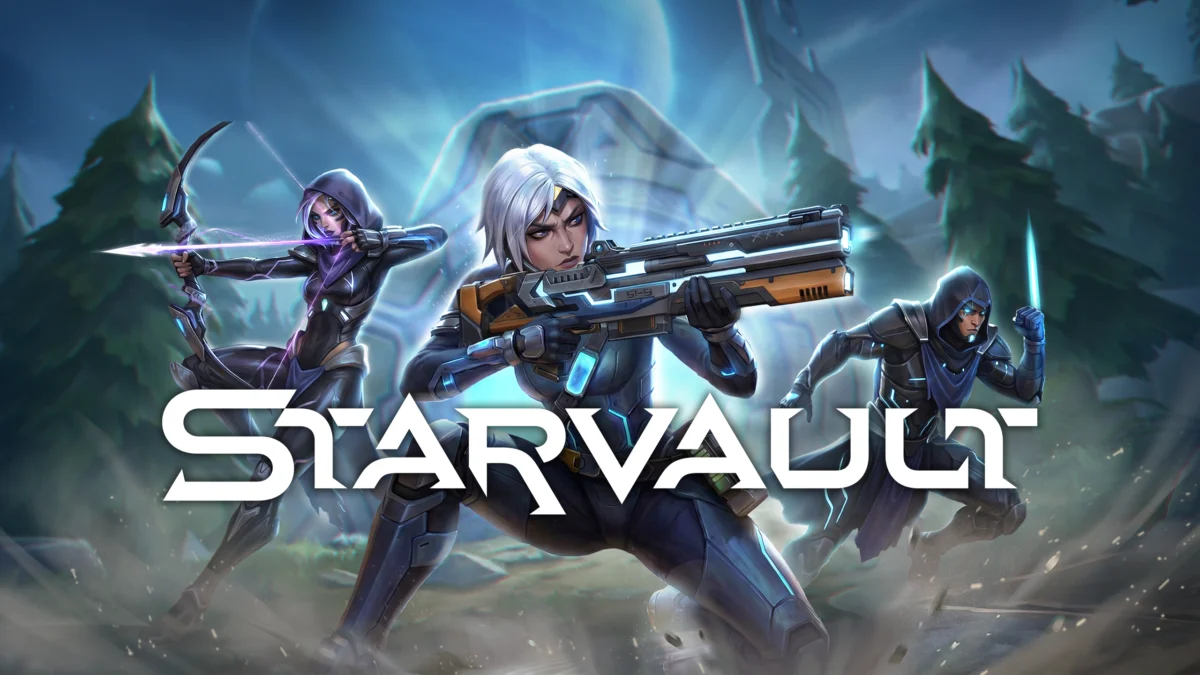
The virtual reality landscape has long been dominated by rhythm games, horror experiences, and tactical military shooters. However, a new contender has emerged to challenge the status quo by merging two of gaming’s most complex genres: the Multiplayer Online Battle Arena (MOBA) and the Hero Shooter. Originally launched on the Meta Quest platform in late 2025, Starvault has recently completed its journey to PCVR via Steam, positioning itself as a pioneer in the immersive competitive space. Developed and published by Theia Games, Starvault represents a significant shift in how developers approach high-stakes, long-form strategic gameplay in a medium often criticized for its short-form "snackable" content.
Main Facts: Defining the Starvault Experience
At its core, Starvault is a first-person, team-based action game that adheres to the traditional pillars of the MOBA genre while utilizing the unique affordances of VR hardware. The game is currently available on Meta Quest (Quest 2, 3, and Pro) and SteamVR for a retail price of $30.
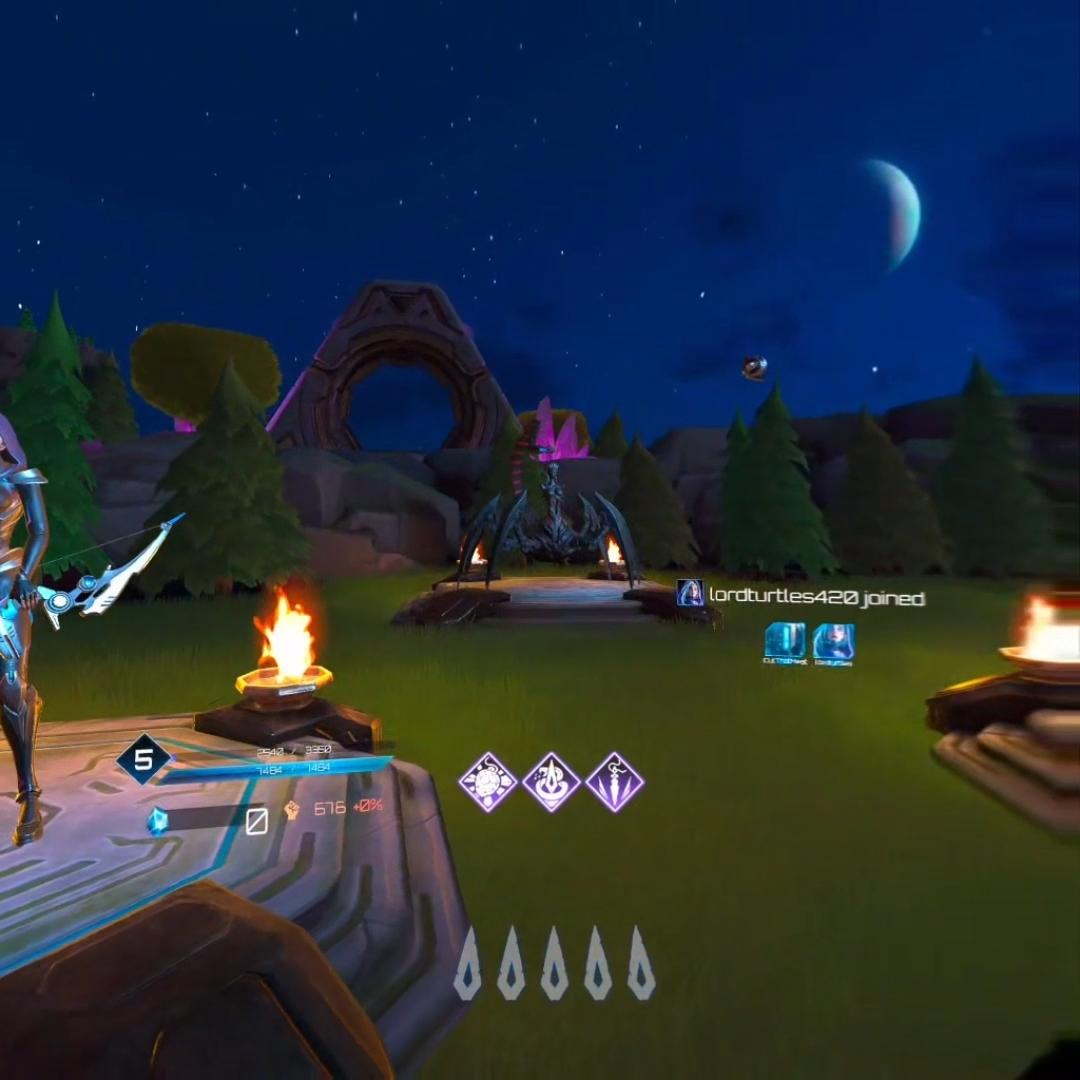
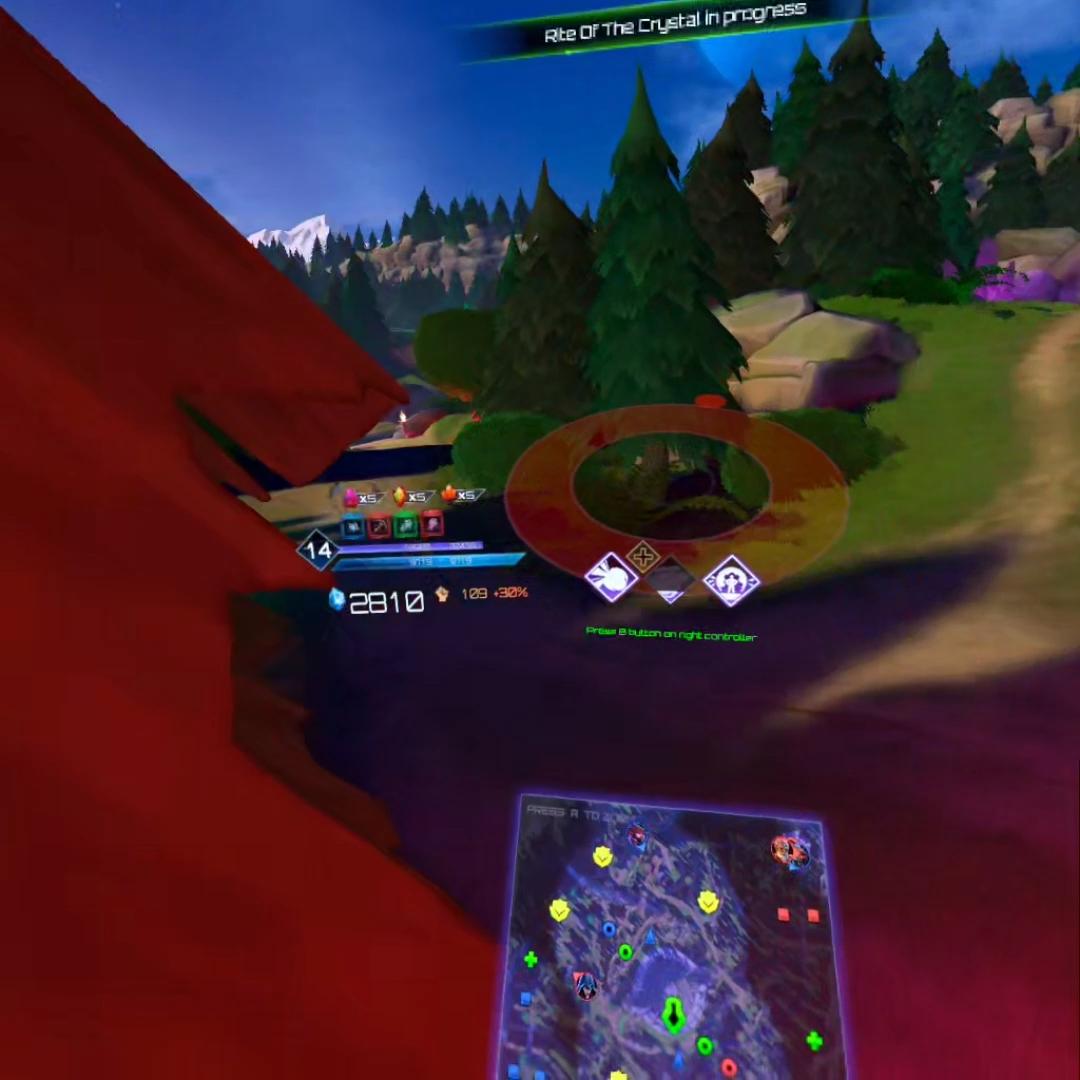
The fundamental objective remains familiar to fans of titles like League of Legends or DOTA 2: two teams of five players must navigate a multi-lane map, destroy defensive structures, and ultimately eliminate the enemy’s core base. What distinguishes Starvault is the perspective. By placing the player directly inside the helmet of the hero, the strategic "God-view" of traditional MOBAs is replaced by localized tactical awareness and physical skill.
Key Specifications:
- Developer/Publisher: Theia Games
- Platforms: Meta Quest (Nov 27, 2025), SteamVR (June 25, 2026)
- Genre: First-Person MOBA / Hero Shooter
- Price: $30.00
- Roster: 15 unique playable heroes at launch
- Locomotion Options: Stick-based, arm-swing, and character-specific teleportation
Chronology: From Early Access to Multi-Platform Launch
The path to Starvault’s current state has been one of iterative refinement. Theia Games first introduced the title through a limited Early Access phase, during which the community provided critical feedback on hero balance and VR comfort.
In November 2025, Starvault saw its primary release on the Meta Quest Store. This launch was a litmus test for whether a standalone headset could handle the complexity of a 5v5 MOBA with dozens of AI-controlled units (Creeps) and large-scale environmental assets. The Quest version was lauded for its stability and art direction, which prioritized readability over hyper-realistic textures.
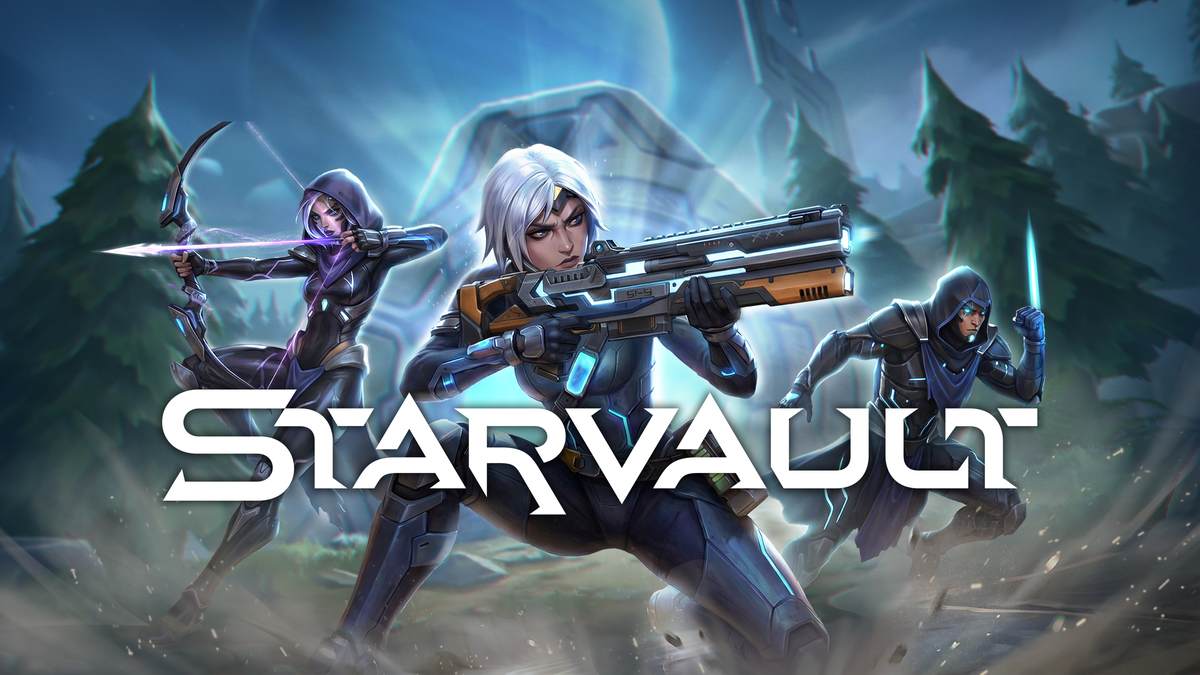
Following its success on standalone hardware, Theia Games set its sights on the PCVR market. On June 25, 2026, the game arrived on Steam. This transition was more than a simple port; it introduced a refined onboarding system, a dedicated practice hub, and a visual polish that leveraged the higher overhead of PC hardware. For many players—including seasoned critics who initially overlooked the title during its early stages—the Steam release served as a "second coming" for the game, proving its longevity and depth.
Supporting Data: Mechanics, Progression, and the "Titan" System
Starvault’s gameplay depth is supported by several interconnected systems that reward both mechanical skill and long-term strategic planning.
The Strategic Ecosystem
The game features a sophisticated AI system for "Creeps," the NPC units that push down lanes to provide cover for players. Beyond the lanes lies the "Jungle," a dense area populated by neutral Creeps. Defeating these offers temporary perks, creating a "risk vs. reward" dynamic where players must decide whether to support their lane or disappear into the jungle to gain a statistical edge.
The most significant mechanical innovation is the Titan. Periodically, a giant stone automaton appears on the map. The team that defeats this Titan gains the ability to pilot it. This shifts the gameplay from a standard shooter to a "boss-battle" scenario, where one player controls a massive, high-damage unit capable of sieging enemy fortifications with devastating efficiency.
Hero Diversity and Locomotion
Theia Games has launched with 15 heroes, categorized into Tanks, Supports, and Damage Dealers. However, the developer has avoided "cookie-cutter" designs. The roster includes:
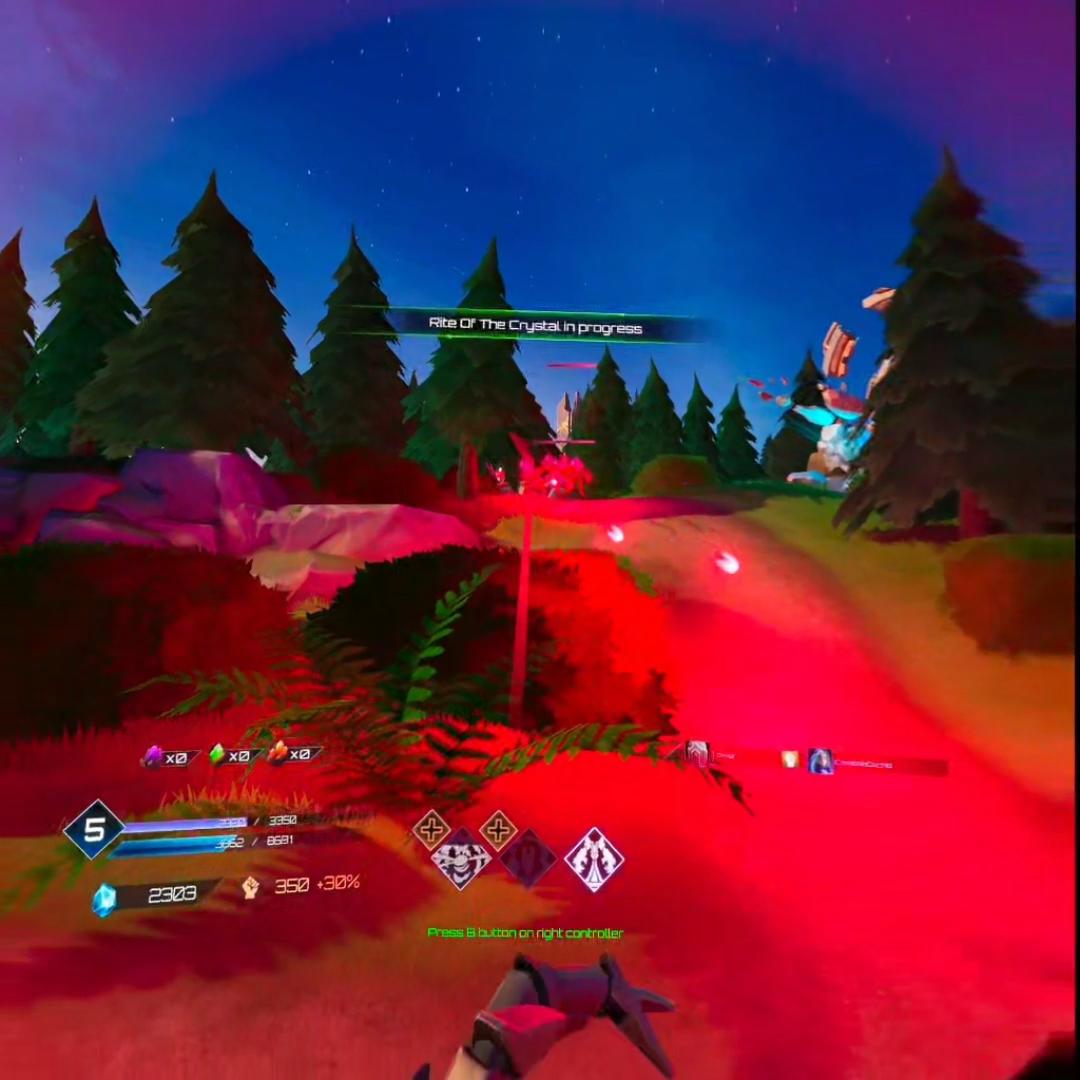
- Vertical Specialists: Heroes equipped with grappling hooks or flight capabilities.
- Physical Locomotion Units: Mechs that move via "arm-swing" mechanics (popularized by Gorilla Tag), providing a high-skill ceiling for physical movement.
- Assassins: High-mobility units capable of backflipping and throwing knives with 1:1 motion tracking.
The Economy and Progression
Unlike many modern shooters that rely on loot boxes, Starvault employs a transparent progression system. While the game costs $30 upfront, all heroes can be unlocked through gameplay. Players earn currency by completing matches and securing objectives. To mitigate the "pay-to-win" stigma, the game features a Hub World where players can test every hero for free before committing their earned currency to a permanent unlock.
Official Responses and Pricing Clarification
The journey to the Steam launch was not without its communication hurdles. During the pre-launch marketing phase, some promotional materials from Theia Games led the community to believe the title might adopt a Free-to-Play (F2P) model, similar to industry giants like Smite.
Upon the Steam release, it was clarified that Starvault would be a premium $30 title. Theia Games’ stance on this has been shaped by a desire to avoid aggressive microtransactions. By charging an entry fee, the developers have stated they can focus on maintaining a balanced competitive environment rather than designing "grind-heavy" systems intended to frustrate players into making purchases.
Furthermore, the developers have been proactive in addressing "match attrition." Responding to player feedback regarding match lengths—which often reach 40 minutes—Theia Games has acknowledged the need for a "Blitz Mode" or smaller map variants to accommodate players with limited time. While not yet implemented, the developer’s engagement with the Discord community suggests that a faster-paced mode is a high priority for the 2027 roadmap.
Implications: The Future of Competitive VR
The success of Starvault carries several implications for the VR industry and the broader esports landscape.
1. The Viability of Long-Form VR
Historically, VR developers have avoided games that require more than 20 minutes of continuous play due to concerns over "sim sickness" and physical fatigue. Starvault challenges this by proving there is a dedicated audience willing to endure 40-minute sessions for the sake of strategic depth. This may encourage other developers to move away from "wave shooters" toward more complex, "hardcore" genres.
2. Standalone vs. PCVR Parity
Starvault demonstrates a growing trend where games are built "Quest-first" but designed with enough scalability to satisfy PCVR enthusiasts. The visual package on Steam is "cleaner" rather than "different," suggesting that art direction is becoming more important than raw polygon counts in the cross-platform VR market.
3. Community-Driven Sustainability
With a thriving tournament scene and cash-prize events already in motion, Starvault is positioning itself as a legitimate VR esport. The inclusion of high-quality bots ensures that the game remains playable even during off-peak hours, a crucial safety net for any multiplayer-only title.
Conclusion and Final Verdict
Starvault is a rare example of a game that successfully translates the complexity of a 2D genre into a 3D, immersive environment without losing the essence of what makes the original genre appealing. It rewards intelligence as much as it rewards aim, and its hero roster is among the most creative seen in VR to date.
While the $30 price tag and the lengthy match times may be a barrier for some, the lack of pay-to-win mechanics and the sheer polish of the experience make it a standout title in the 2026 gaming calendar. Theia Games has not just made a MOBA; they have created a blueprint for how competitive, high-stakes multiplayer should function in virtual reality.
Final Rating: 4/5 Stars. Starvault is an essential experience for any VR owner looking for a game with true staying power, provided they have the stamina for the long game.