The Architect’s Archive: Raph Koster Releases Definitive Compendium of Modern Game Design Theory
By [Journalist Name/Editorial Staff]
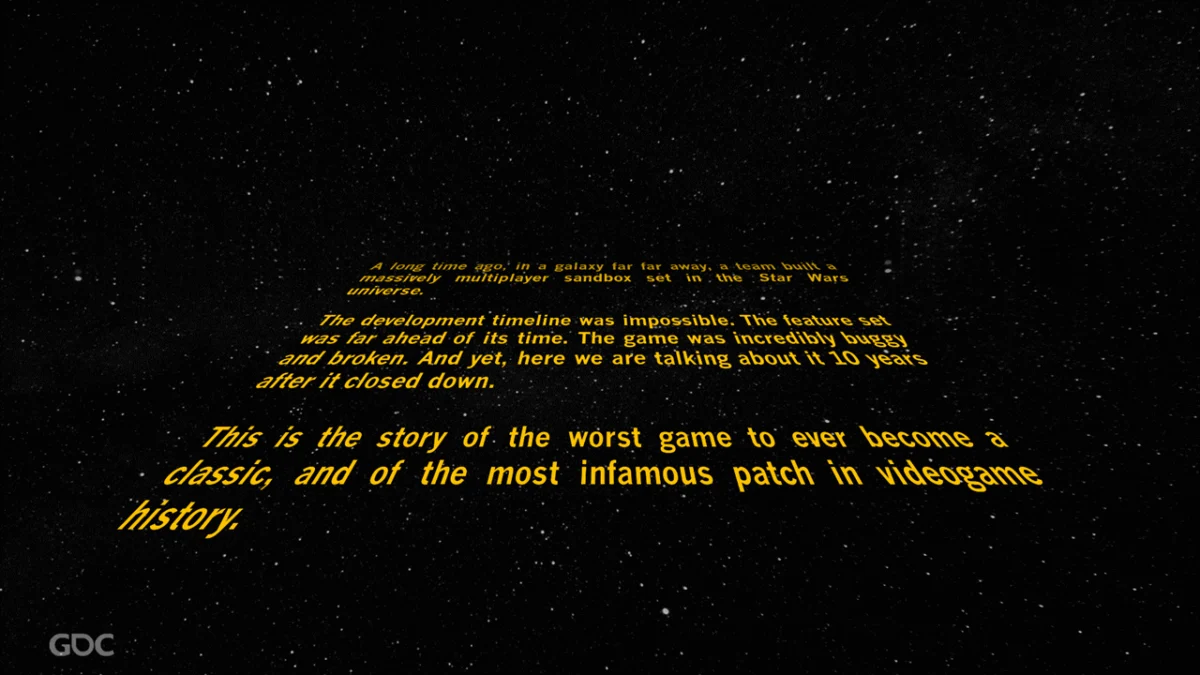
In an era where the digital landscape shifts with dizzying frequency, few voices remain as steady and influential as that of Raph Koster. The legendary designer—best known as the lead designer of Ultima Online and the creative director of Star Wars Galaxies—has recently unveiled a massive, curated update to his professional archive. Marking the first comprehensive update in over five years, Koster’s latest collection serves as both a retrospective of a turbulent half-decade in technology and a roadmap for the future of persistent virtual worlds.
This curation, hosted on his long-running professional blog, synthesizes years of talks, interviews, and deep-dive essays. It arrives at a critical juncture for the games industry, as developers grapple with the collapse of "Metaverse" hype, the rise of generative AI, and a challenging economic climate for multiplayer titles.
Main Facts: A Masterclass in Virtual World Theory
Raph Koster’s latest update is more than a simple blog roll; it is a structured repository of knowledge intended for developers, scholars, and industry analysts. The update categorizes his output into several key pillars: general game design, multiplayer dynamics, the business of games, historical postmortems, and a critical deconstruction of the "Metaverse" phenomenon.
Koster, currently the CEO of Playable Worlds, has used this period to bridge the gap between classic MUD (Multi-User Dungeon) philosophy and modern cloud-native technology. The cornerstone of this new collection is a series of "Riffs" written as a manifesto for his upcoming title, Stars Reach. These entries argue for a return to "living worlds"—simulated environments where player agency has permanent, systemic consequences.
The archive also includes significant new material regarding Ultima Online (UO), providing historical context that was previously unavailable to the public. This includes technical hurdles and social engineering challenges faced during the late 1990s, which continue to mirror the problems faced by modern social platforms today.
Chronology: Five Years of Industry Evolution
To understand the significance of this archive, one must look at the timeline of its creation. The five-year gap (2019–2024) covered by this update encompasses several seismic shifts in the gaming world:
- The 2019–2020 Pivot: Koster begins formalizing the vision for Playable Worlds, moving away from traditional static MMO design toward highly simulated environments.
- The Pandemic Surge (2020–2021): As global lockdowns drove record engagement in virtual spaces, Koster’s writings focused on the social responsibility of developers and the "loneliness epidemic" that games could potentially mitigate.
- The Metaverse Hype Cycle (2021–2022): This period saw a massive influx of capital into blockchain-based "metaverses." Koster emerged as a prominent skeptic, not of the concept of a metaverse, but of the technical and economic implementations being proposed by non-endemic tech firms.
- The Post-Hype Reality (2023–2025): The current era, where the industry has returned to fundamental design principles. Koster’s recent posts reflect a "back to basics" approach, focusing on data structures, emulation, and sustainable business models.
Supporting Data: Deconstructing the "Metaverse Madness"
Perhaps the most academically rigorous section of the updated archive is titled "Metaverse Madness." During the height of the NFT and blockchain boom, Koster was one of the few veterans capable of explaining the technical limitations of "interoperability"—the idea that a player could take a sword from one game into another.
In a series of data-driven posts, Koster argues that the primary obstacle to a metaverse is not a lack of a ledger (blockchain), but the absence of shared "grammars" between games. His data points to three critical failures in recent metaverse attempts:
- Semantic Mismatch: Different games define "gravity," "damage," and "ownership" in incompatible ways.
- The Data Weight Problem: Moving complex assets between engines (e.g., from Unreal to Unity) requires more than just a receipt of ownership; it requires a complete re-authoring of the asset.
- Governance Failure: Koster draws on his decades of experience with UO to show that virtual worlds are "legal jurisdictions" rather than just software. Without a framework for social governance, these spaces inevitably collapse into toxicity or economic stagnation.
Additionally, the archive highlights Koster’s work on emulation. By documenting the process of preserving older virtual worlds, he provides a technical blueprint for how modern developers can build "future-proof" architectures.
Official Stance: The Playable Worlds Manifesto
A significant portion of the new content serves as the intellectual foundation for Koster’s current venture, Playable Worlds. Through the "Riffs by Raph" series, he outlines a vision for Stars Reach that contrasts sharply with the "theme park" MMOs popularized by World of Warcraft.
Koster’s official stance is that the industry has spent twenty years perfecting the "content treadmill"—where developers must constantly build new levels to keep players engaged. His alternative is "systemic design," where the world itself is a living organism.
The image included in his update, titled "Still from Living Trees," illustrates a simulation where trees grow, consume resources, and react to player interaction in a persistent manner. This isn’t just a visual flourish; it represents a shift toward "cloud-native" gaming, where the server handles complex simulations that were previously impossible for home hardware.
Implications: The Future of Persistent Spaces
The release of this archive has profound implications for the next generation of game designers. As the industry moves away from the "move fast and break things" mentality of the early 2020s, Koster’s curated wisdom offers a more sustainable path forward.
1. The Death of the "Empty" Metaverse
Koster’s analysis suggests that the future of digital social spaces lies in meaningful interaction rather than just presence. For a metaverse to succeed, it must provide the same depth of simulation found in traditional games, a feat that requires immense technical expertise rather than just financial speculation.
2. Historical Preservation as Design Tool
By releasing postmortems and history-focused essays, Koster is advocating for the "professionalization" of game design history. He posits that many of the "innovations" claimed by new tech startups were actually solved—or proven impossible—in the MUDs of the 1990s. This historical literacy is presented as a prerequisite for any developer aiming to build a persistent world.
3. The Shift to "Small" Data
One of the more technical implications found in the "Other Game Design Topics" section is the move toward efficient data representation. Koster argues that as worlds become larger and more complex, the ability to represent vast simulations through clever mathematics (rather than raw processing power) will be the defining skill of the 2030s designer.
Conclusion: A Legacy in Real-Time
Raph Koster’s decision to gather five years of insights into a single, accessible menu is a rare act of transparency in a notoriously secretive industry. While many CEOs use their platforms for sanitized corporate messaging, Koster continues to operate as a "designer’s designer," willing to show the "ugly" side of development—the failed economies, the technical debt, and the social engineering disasters.
For the industry, this archive is more than a blog; it is a living textbook. As Playable Worlds moves closer to the launch of Stars Reach, the world will soon see if the theories Koster has painstakingly documented over the last five years can be successfully translated into the next great leap for virtual worlds.
In his own words, this update is simply "my take on what the best stuff to look at on the site is." For everyone else, it is a rare glimpse into the mind of a man who isn’t just watching the future of the internet happen—he is actively coding its foundations.
Key Categories in the Koster Archive:
- Game Design Overviews: Holistic approaches to how systems interact.
- Multiplayer Dynamics: Managing the "human element" in digital spaces.
- The Games Business: Navigating the economics of development.
- Postmortems: Lessons learned from Ultima Online and beyond.
- Metaverse Critique: A technical deconstruction of the 2021-2022 hype.
- Emulation: The science of preserving digital history.