The Supergirl Paradox: Why the DCU’s Latest Entry is Better Than the Critics Suggest

The release of Supergirl in June 2026 marked a pivotal moment for the fledgling DC Universe (DCU). As the second feature film under the leadership of James Gunn and Peter Safran, expectations were sky-high following the monumental success of 2025’s Superman. However, upon its debut, a stark divide emerged between professional critics and the ticket-buying public. While the film currently sits at a "rotten" 55% on Rotten Tomatoes, the audience score tells a different story, holding steady at 76%.
This disparity raises a fundamental question: Is Supergirl a sophomore slump for the DCU, or is it a misunderstood masterpiece that challenges the conventions of the superhero genre? By examining the film’s narrative depth, the brilliance of its casting, and its place within the larger DCU tapestry, it becomes clear that Supergirl offers far more than its middling reviews suggest.
Main Facts: A New Vision for Kara Zor-El
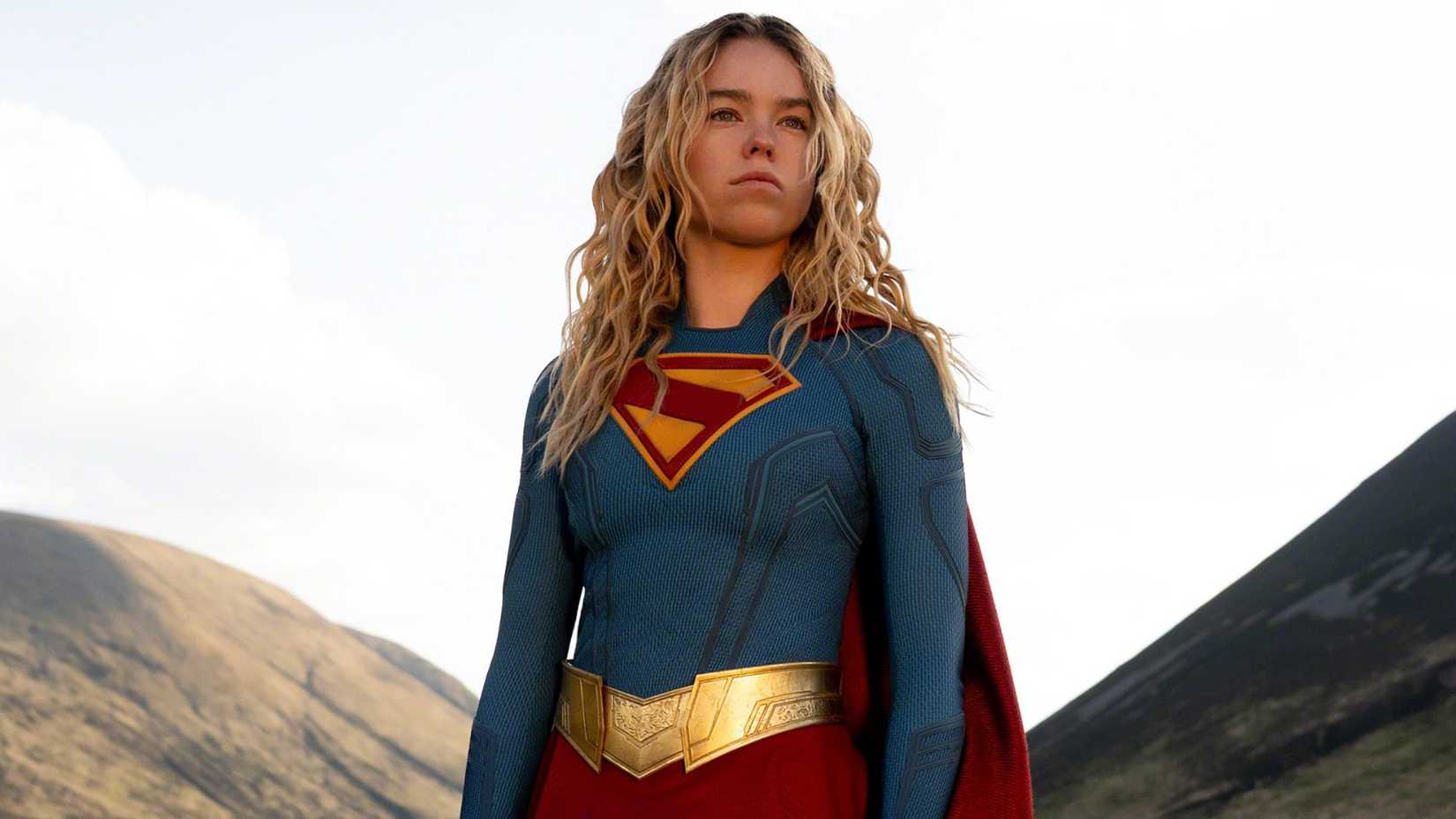
Directed by Craig Gillespie and written by Ana Nogueira, Supergirl is a loose adaptation of the celebrated graphic novel Supergirl: Woman of Tomorrow by Tom King and Bilquis Evely. Unlike previous iterations of the character, which often portrayed Kara Zor-El as a sunny, optimistic foil to her cousin Kal-El, this version—played by Milly Alcock—is a battle-hardened survivor of cosmic trauma.

Plot and Premise
The film follows Kara as she is sought out by Ruthye, a young alien girl seeking revenge against Krem of the Yellow Hills, a ruthless brigand who murdered her father. The journey takes them across the galaxy, away from the yellow sun of Earth that grants Kara her god-like powers, forcing her to rely on her grit, swordplay, and sheer will.
Creative Pedigree
The choice of Craig Gillespie (I, Tonya, Cruella) as director signaled a shift toward a more stylistic, character-driven approach. The film’s runtime of 108 minutes is lean for a modern blockbuster, focusing heavily on the relationship between the two female leads and the psychological scars left by the destruction of Krypton.
Chronology: From Anticipation to Polarization
The road to Supergirl’s release was paved with immense pressure. Following David Corenswet’s acclaimed debut in Superman, the DCU enjoyed a honeymoon period with fans and critics alike.

- Early 2025: James Gunn announces Milly Alcock as the lead, sparking widespread excitement due to her breakout performance in House of the Dragon.
- Late 2025 – Early 2026: Teasers emphasize a "space-western" aesthetic, leaning into the vibrant but harsh visuals of the source material.
- June 26, 2026: The film opens globally. Initial reviews are harsh, citing a "drab" tone and a "lackluster" villain in Krem.
- Opening Weekend: The film earns $68 million internationally. While respectable for many franchises, it falls significantly short of the $100M+ projections set by industry analysts, especially when compared to Superman’s $600M+ total run.
- Post-Release: A "cult" appreciation begins to form on social media, with fans praising the film’s emotional maturity and Alcock’s performance, leading to the 21-point gap between critic and audience scores.
Supporting Data: Five Pillars of the Film’s Success
Despite the critical drubbing, there are five specific areas where Supergirl excels, providing a strong argument for its long-term viability in the DCU.
1. Milly Alcock’s Transformative Performance
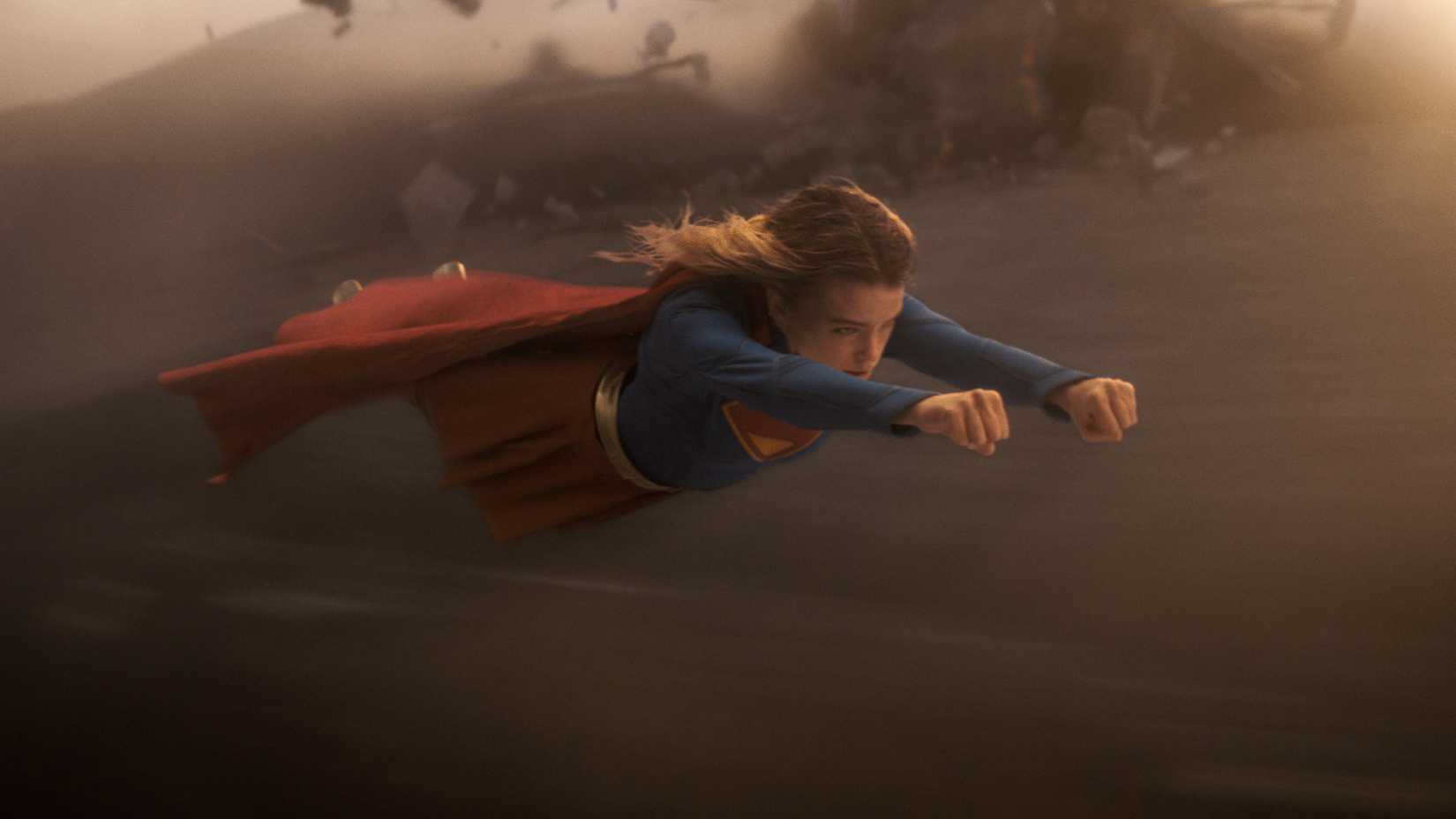
The consensus among both detractors and supporters is that Milly Alcock is a revelation. She portrays Kara not as a "female Superman," but as a woman who watched her world die while her cousin was still in diapers. Alcock captures the "wit and trauma" of the character with precision. A standout moment—widely discussed in fan circles—is the scene where Kara flies into the vacuum of space to scream. The silence of the void serves as a metaphor for her internal isolation, a haunting image that stays with the viewer long after the credits roll.
2. The Introduction of Jason Momoa’s Lobo
One of the film’s biggest surprises was the official debut of Jason Momoa as Lobo, the "Main Man." After years of playing Aquaman in the previous DCEU, Momoa’s transition to the cigar-chomping, motorcycle-riding bounty hunter feels like a homecoming. Though his screentime is limited, his presence injects a chaotic energy into the film. His inclusion serves a dual purpose: providing a brief respite from the film’s heavier themes and establishing a major player for future DCU projects.
3. The Argo City Sequence: A Masterclass in Tragedy
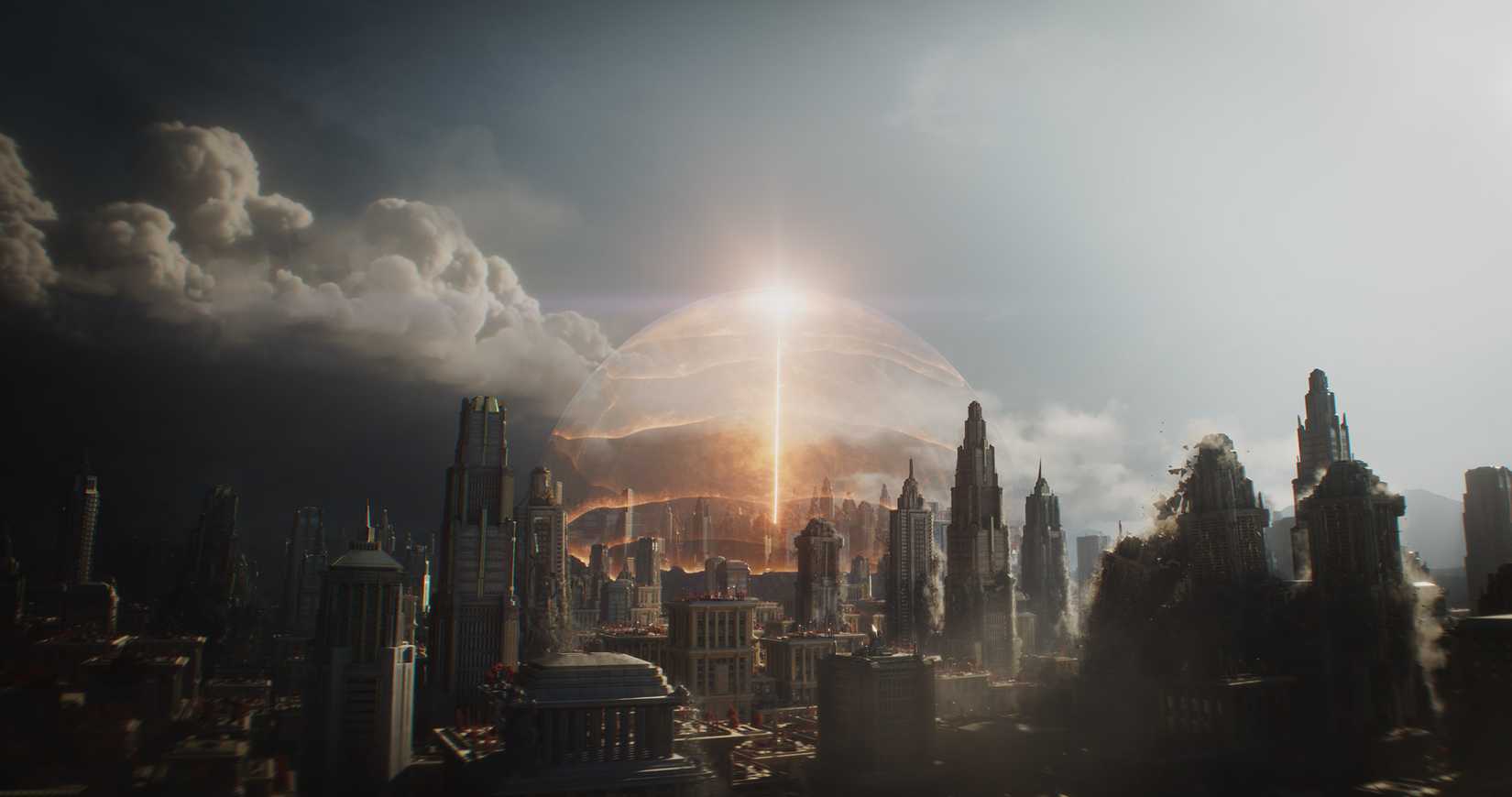
Midway through the film, the narrative pauses for a flashback to Argo City, a fragment of Krypton that survived the initial explosion only to slowly succumb to radiation poisoning. This sequence is arguably the most visually and emotionally arresting moment in the DCU to date. It contextualizes Kara’s nihilism, showing the horrific slow-motion death of her culture. By depicting the tragedy of the Kryptonian people so vividly, the film justifies Kara’s desire to escape her responsibilities through "partying on red-sun planets."
4. Choreography and Visual Direction
While critics called the film "drab," many fans have defended Gillespie’s color palette as a deliberate choice to reflect the "Woman of Tomorrow" aesthetic. The action, when it arrives, is visceral. The final confrontation on the Brigands’ ship showcases a version of Supergirl that is efficient and dangerous. Once she finally dons the iconic suit, the shift in her fighting style—from desperate survivalist to confident hero—is a satisfying payoff for the audience.
5. Faithfulness to Thematic Roots
The film takes liberties with the plot of Tom King’s graphic novel, but it remains fiercely loyal to its heart. It explores the burden of being a symbol and the difference between vengeance and justice. The script by Ana Nogueira allows Kara to find her purpose not because she is told to be a hero, but because she sees the impact her choices have on a young girl like Ruthye.

Official Responses: The Critic-Audience Divide
The reaction from the professional critical community focused heavily on the film’s pacing and its villain. Many reviewers felt that Krem of the Yellow Hills, played with menacing subtlety, lacked the "world-ending" stakes expected of a superhero antagonist.
In a review for a major trade publication, one critic noted, "The film feels all over the place, caught between a gritty character study and a cosmic adventure, never quite landing on either."
Conversely, James Gunn has been vocal on social media, defending the film’s tonal shifts. "Supergirl isn’t meant to feel like Superman," Gunn stated in a recent Q&A. "She’s a different person with a different history. We wanted to explore the ‘weird’ and ‘beautiful’ parts of the DC cosmos, and Craig [Gillespie] delivered exactly that."
The box office data, while disappointing in the short term, suggests a "long tail." Historically, films with high audience-to-critic gaps often find success in the home streaming market, becoming "cult classics" that bolster the brand over time.
Implications: The Future of the DCU
The "mixed" reception of Supergirl has significant implications for the future of James Gunn’s "Gods and Monsters" chapter.
Brand Diversity
Supergirl proves that the DCU is willing to experiment with genre. By leaning into a space-western/fantasy vibe, Gunn is signaling that his universe will not be a monolith of tone. This diversity is essential for longevity in a market currently struggling with "superhero fatigue."
Character Trajectory
The film ends with Kara Zor-El in a much different place than where she started. Having reclaimed her heritage and her suit, she is now positioned to be a major leader in the inevitable Justice League crossover. The trauma established in this film provides a rich foundation for future character development, making her a more complex figure than a standard "invincible" hero.
The Lobo Factor
Jason Momoa’s successful debut as Lobo almost certainly guarantees a solo project for the character. Whether it be a feature film or a Max original series, the "Main Man" is now a foundational pillar of the DCU’s cosmic side.
Final Assessment
In conclusion, Supergirl is a film that rewards the patient viewer. It eschews the easy wins of constant quips and world-ending CGI battles in favor of a somber, beautiful exploration of what it means to be a survivor. While the 55% Rotten Tomatoes score may deter some, the 76% audience rating reflects a growing appreciation for a superhero movie that dares to be different. As the DCU continues to expand, Supergirl will likely be remembered not as a failure, but as the moment the franchise proved it had a soul.