The Dirty Bibles of Deconstruction: Yvan Alagbé and the Subversion of the Colonial Image
PARIS – In the rarefied world of contemporary bande dessinée, few figures command as much intellectual gravity as Yvan Alagbé. As a co-founder of the influential Franco-Belgian publishing house Frémok, Alagbé has long utilized the medium of comics to explore the jagged intersections of race, power, and historical memory. However, his recent body of work—published under the provocative nom de guerre "Démoniak"—represents a startling shift in strategy. By reclaiming the aesthetics of Fumetti Neri (Italian "black comics") and the problematic tropes of colonial jungle adventures, Alagbé is forcing a confrontation with what he terms the "dirty bibles" of Western popular culture.
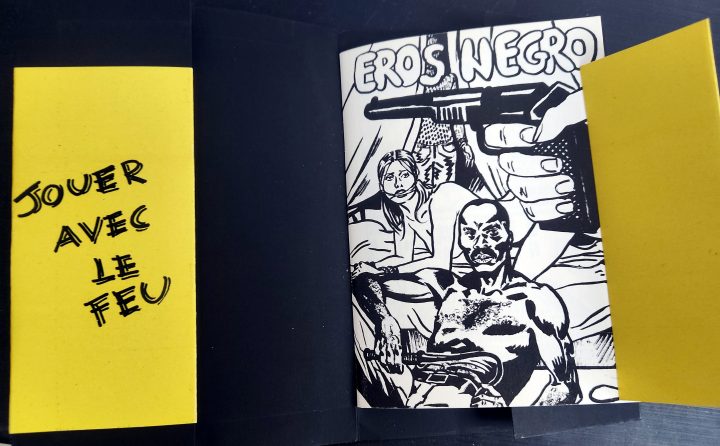
The recent release of The Midnight Traveler (2025) and the four-part miniseries Eros Negro marks a significant milestone in this artistic project. These works do not merely depict racial tension; they inhabit the very structures of 20th-century pulp—violence, eroticism, and the "exotic"—to dismantle the "white man’s burden" from the inside out.
Main Facts: Reclaiming the Pulp Aesthetic
The core of Alagbé’s recent output, specifically the Eros Negro series published by the experimental house Édition Adverse, operates as a "pastiche galore" of the Fumetti Neri tradition. Originally rising to prominence in 1960s and 70s Italy, Fumetti Neri were adult-oriented pocket comics characterized by graphic violence, sadistic sexual undertones, and a nihilistic worldview. While mainstream comics of that era sought to uphold moral certainties, these "black comics" wallowed in the transgressive.
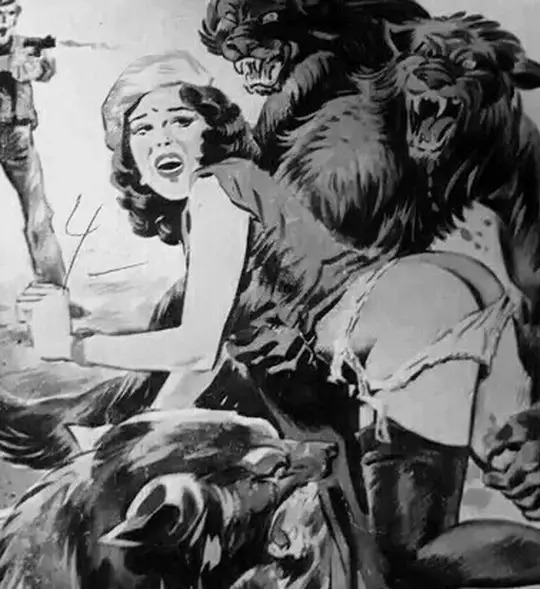
Alagbé, working as Démoniak, utilizes this "low-art" framework to tell a power-and-revenge fantasy. In Eros Negro, a botched kidnapping spirals into an absurdist psychodrama where racial roles are starkly, and often uncomfortably, defined. The narrative features thugs of color and white victims, but Alagbé’s intent is far from simple exploitation. By utilizing images deeply rooted in Western fears—specifically the "slave’s revenge"—he turns the lens back on the viewer, questioning the origins of these violent fantasies.
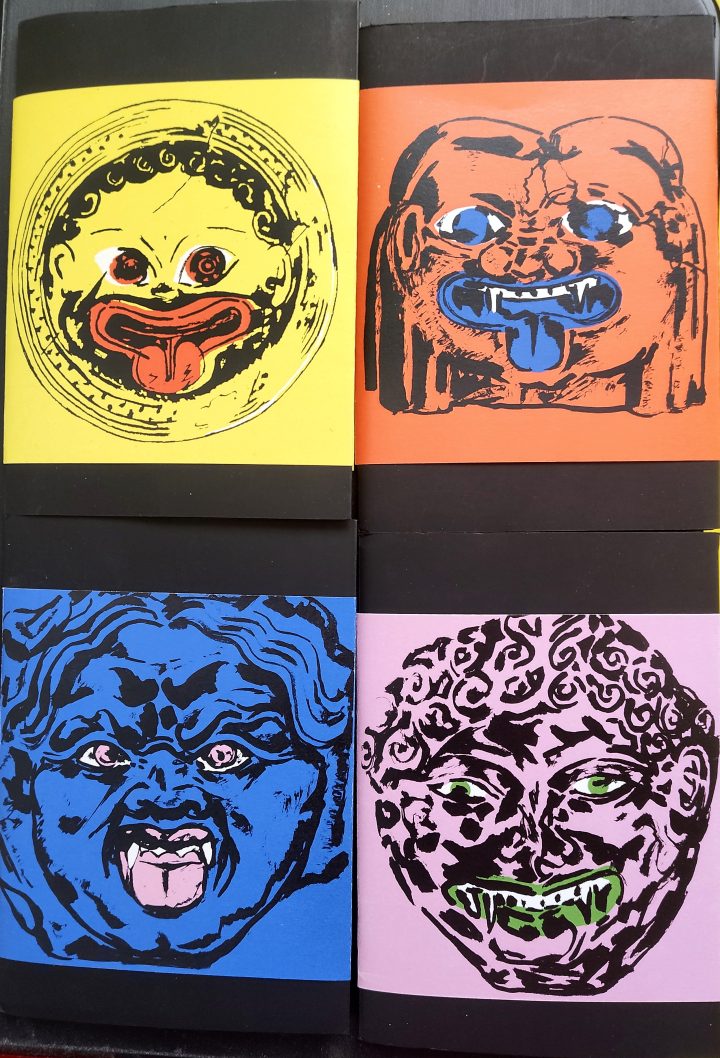
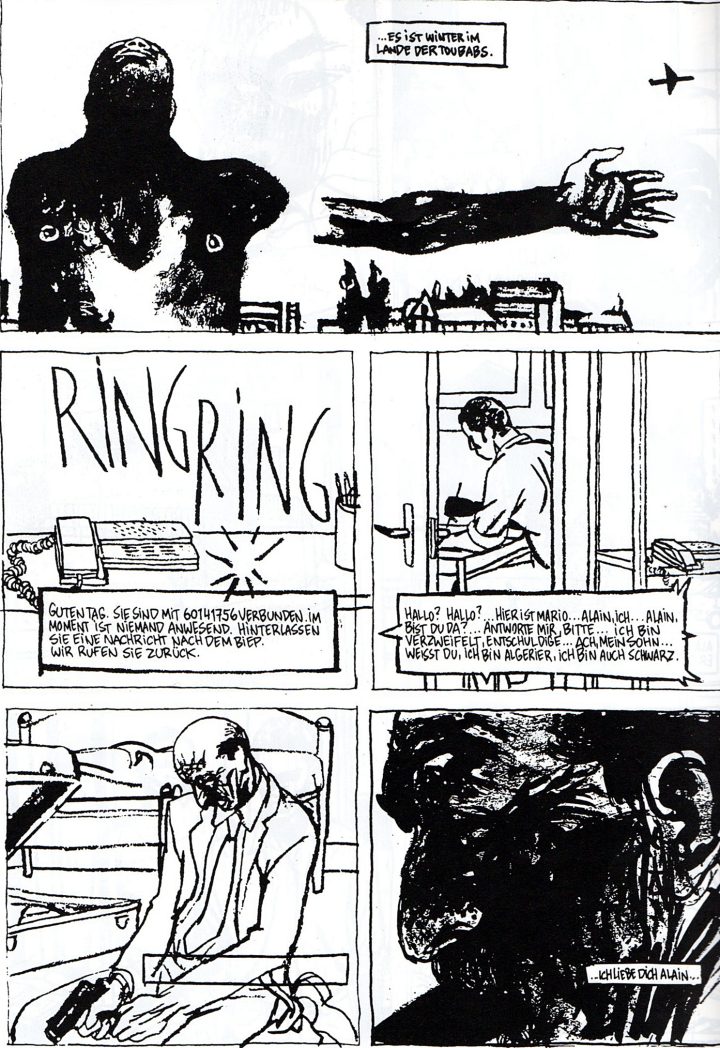
Stylistically, these works are a departure from the polished lines of mainstream graphic novels. Alagbé employs "art brut" mannerisms: fat, aggressive brushstrokes, roughly staged panels, and backgrounds that are often sparse or entirely eradicated. This aesthetic choice mirrors the "erasure" of immigrant history in Europe, a theme Alagbé previously explored in his seminal work, Yellow Negroes.
Chronology: From Mowgli to the Phantom
To understand the weight of Alagbé’s subversion, one must trace the lineage of the "noble savage" and the "jungle hero" that has dominated Western imagination for over a century.
- 1894: Rudyard Kipling publishes The Jungle Book. While Mowgli was a student of the wild rather than its master, Kipling’s simultaneous authorship of the poem "The White Man’s Burden" (1899) cemented the ideological link between the "civilized" West and the "savage" East.
- 1912: Edgar Rice Burroughs introduces Tarzan of the Apes. This became the definitive archetype of the white man ensuring his superiority by "erecting" civilization within the wilderness, a motif that Alagbé argues has clung to popular culture like a "venereal disease."
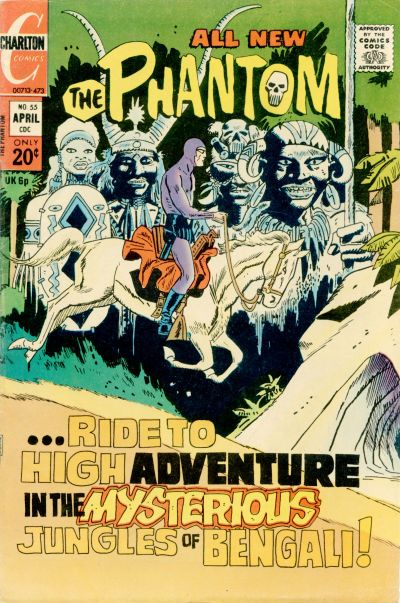
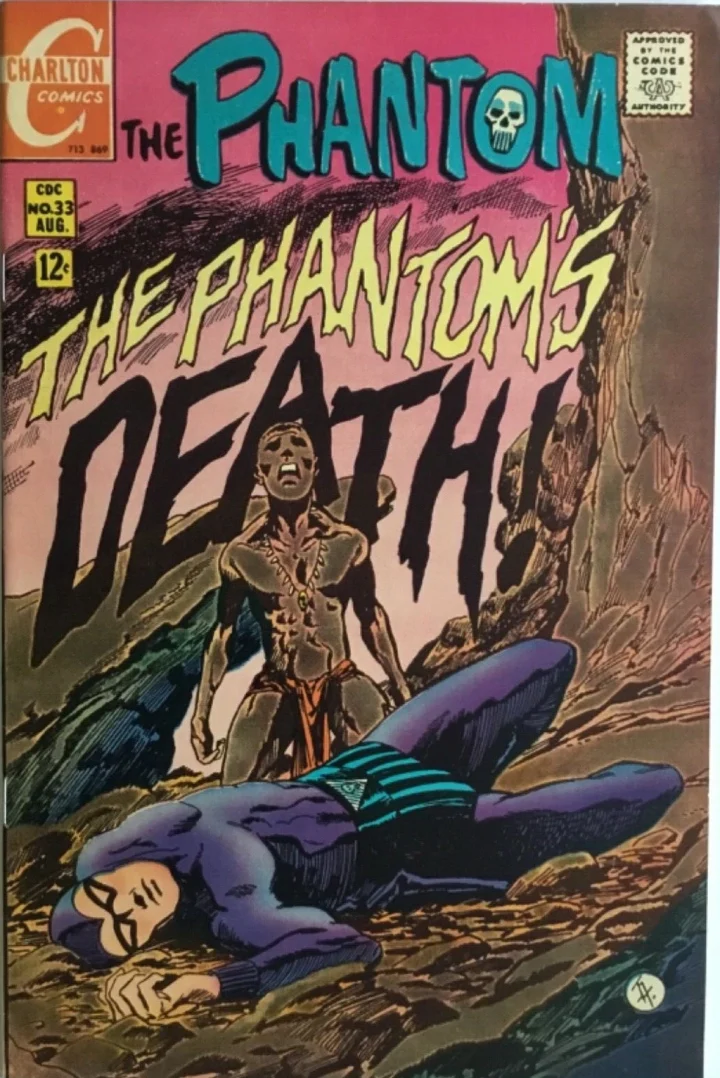
- 1936: Lee Falk creates The Phantom. Known as "The Ghost Who Walks," this hero introduced the fully costumed vigilante to the jungle. Crucially, the Phantom’s mythos involves a hereditary line of white men ruling over "savages" who believe their master is immortal.
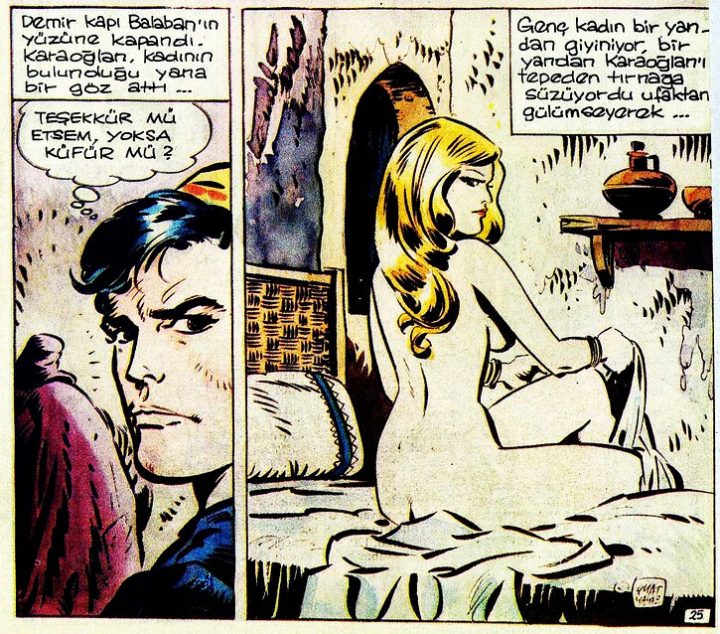
- 1960s–1980s: The rise of Fumetti Neri and Turkish adaptations. Artists like Suat Yalaz rose to fame with Karaoğlan, featuring a scout for Genghis Khan. Yalaz later moved to France, adopting the pseudonym Gi-Toro and contributing to sadistic adult publications like African Love (later Eros Negro), which blended pornography with racialized violence.
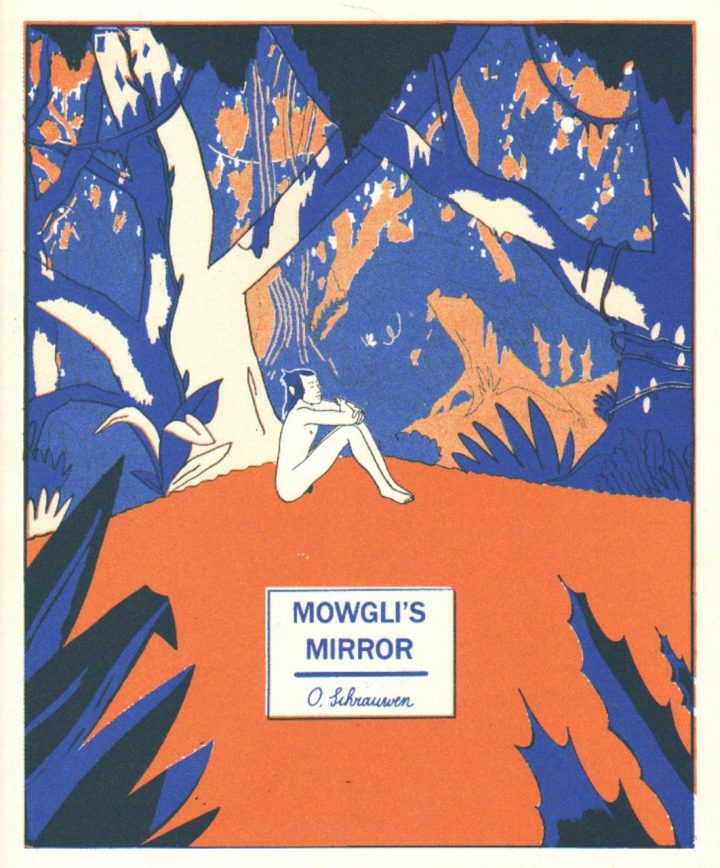
- 2011–2025: Modern deconstruction begins. Olivier Schrauwen’s Mowgli’s Mirror (2011) took a critical look at Kipling’s hierarchies. This culminated in Alagbé’s 2025 New York Comics Symposium appearance, where he cited Frank Miller and José Muñoz as influences in his quest to use black-and-white violence to expose structural racism.
Supporting Data: The Aesthetics of Erasure
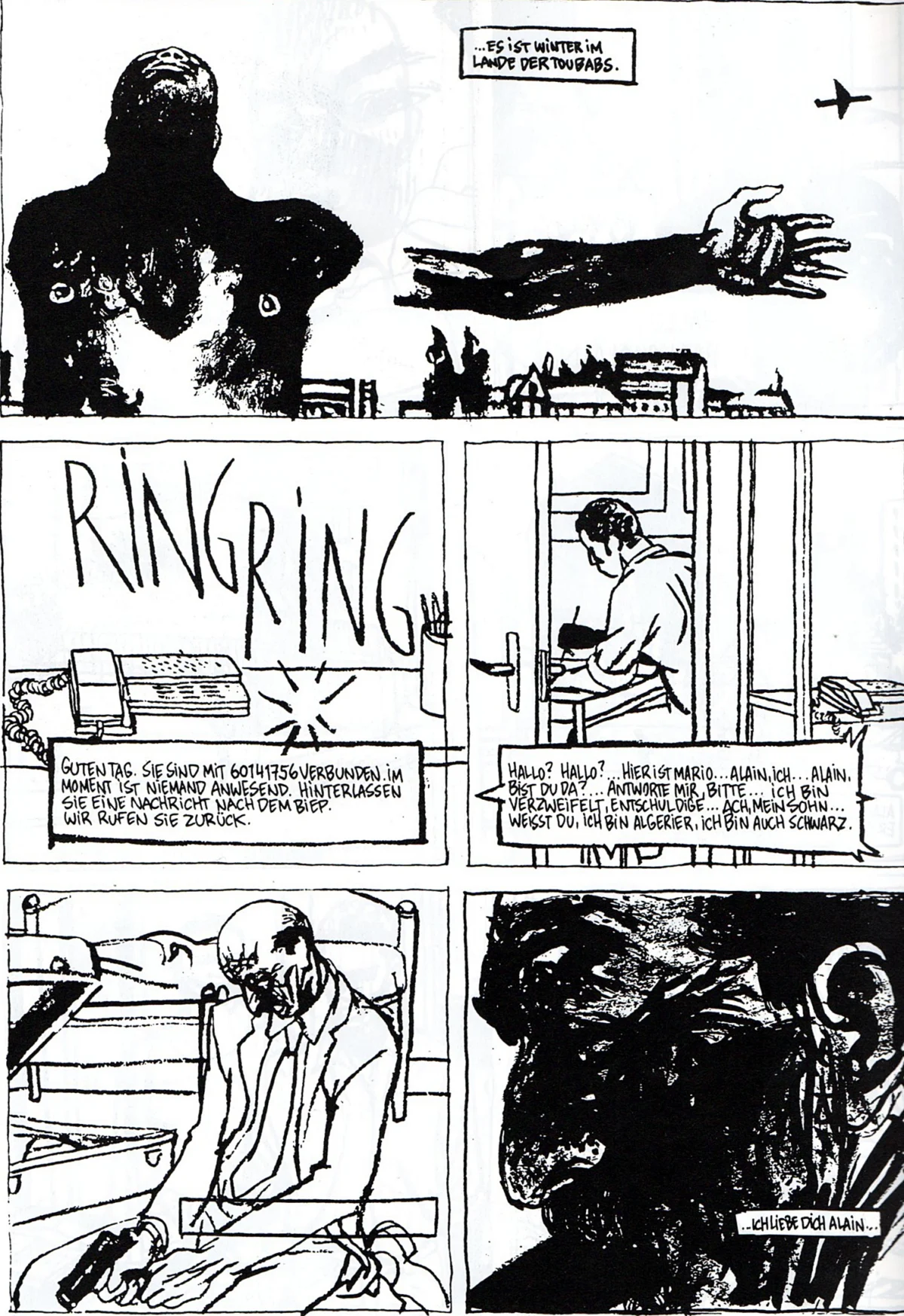
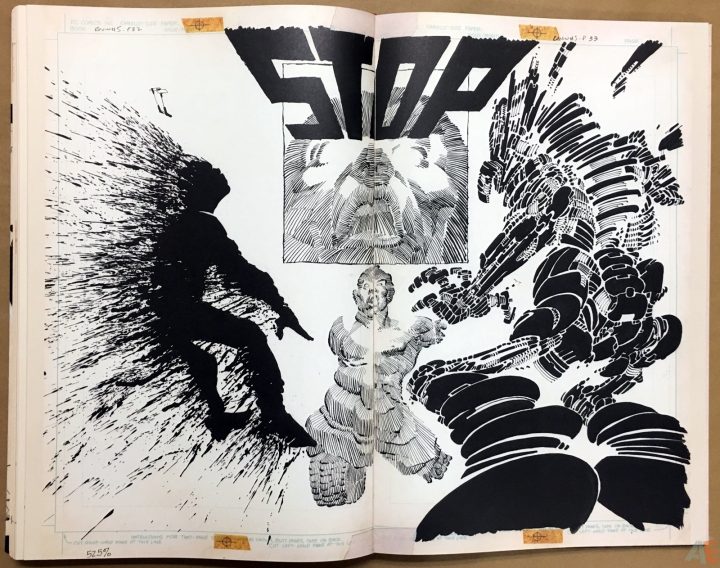
Alagbé’s work is deeply informed by his peers and predecessors who used high-contrast ink to depict harsh realities. At the 2025 New York Comics Symposium, Alagbé noted his attraction to "black and white aficionados" like Frank Miller (Sin City, Ronin) and the Argentine master José Muñoz (Alack Sinner). Both artists are known for their refusal to shy away from brutality, using the starkness of ink to reflect the moral ambiguity of their worlds.
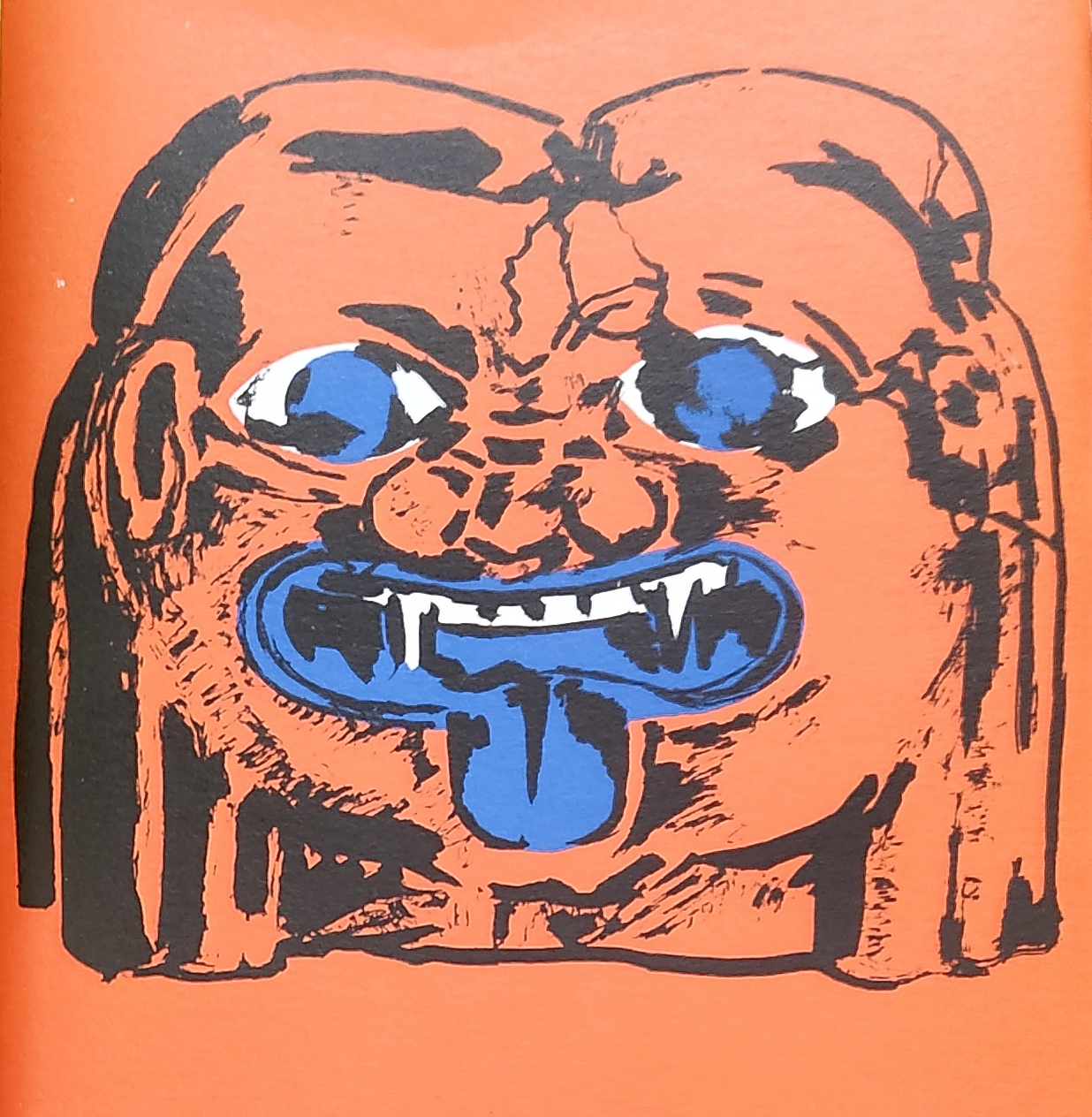
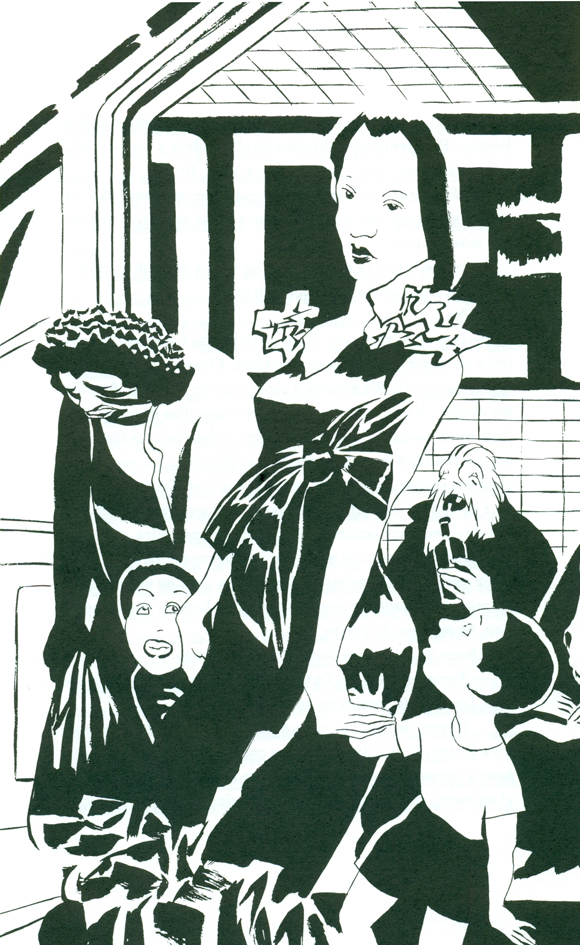
Furthermore, Alagbé’s work pays homage to Firmin Aristophane Boulon (known simply as Aristophane), a French artist of color whose Conte Démoniaque utilized a woodblock-carving aesthetic. This "carved" look is essential to Alagbé’s philosophy: the idea that the soul is missing an "origin" image, and that the artist must "swim in ink" to find it.
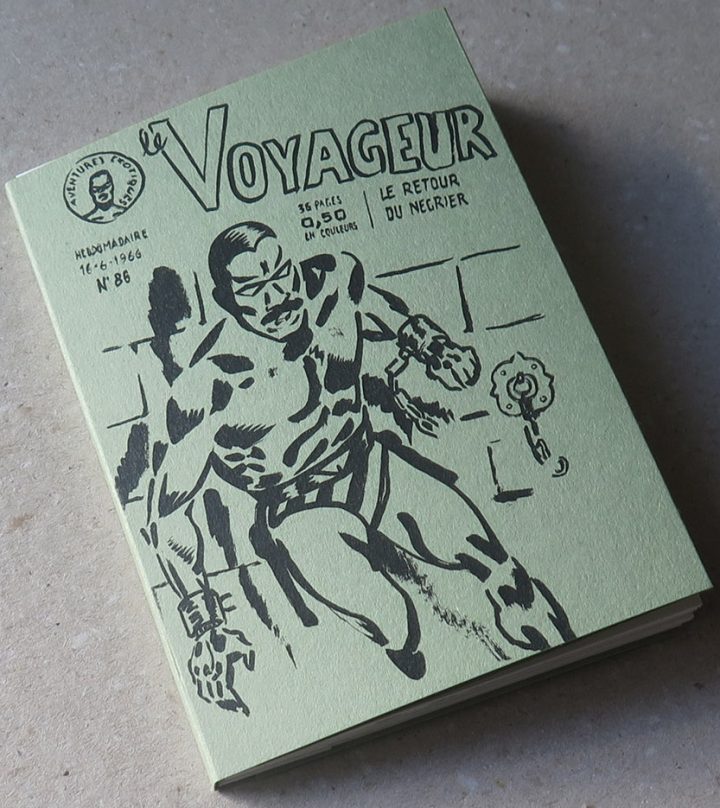
In Le Voyageur, an essayist pamphlet that accompanies the Italian edition of Yellow Negroes, Alagbé presents a meta-textual retelling of the relationship between black and white bodies. He uses the figure of the Phantom—specifically "Kit Walker"—to highlight the absurdity of the colonial spirit. Alagbé’s Phantom is not a hero but a "midnight traveler," a symbol of a colonial mythos that refuses to die, passed from father to son while the "savages" remain trapped in a perpetual state of misunderstanding.
Official Responses and Critical Perspectives
The reception of these themes has often been polarized, reflecting a broader "culture war" within the comics industry. The debate is perhaps best encapsulated by a 2020s exchange within The Comics Journal regarding the legacy of Tarzan artist Russ Manning.
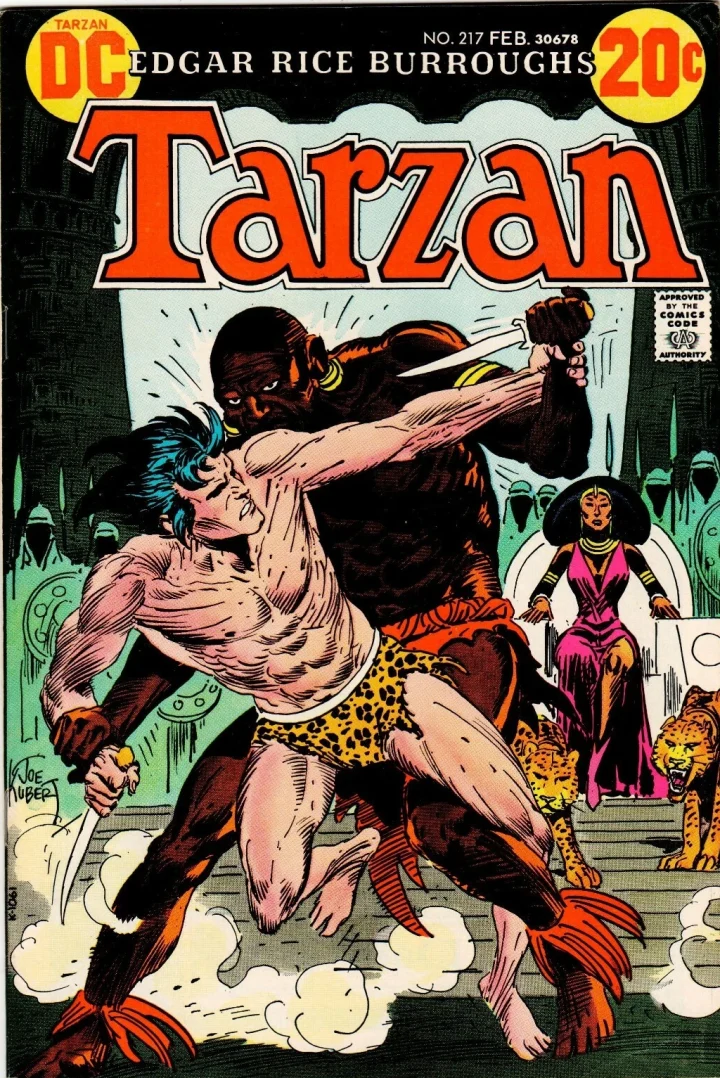
While some critics denounce the "white savior" tropes of Tarzan as inherently racist, others, including former TCJ editors, have pushed back against what they call "hyper-sensitive politically correct denouncements." The argument from the traditionalist camp suggests that viewing historical works through a modern "hipster" lens kills the industry by imposing retrospective moral standards on "innocuous" adventure titles.
Alagbé’s response to this is not to "cancel" the past but to inhabit it. By using the pseudonym Démoniak and publishing in the Fumetti Neri style, he acknowledges that these "dirty bibles" are part of his own artistic DNA. He does not seek to sanitize the history of comics; he seeks to "terrorize the terrorists" by turning their own libidinous power fantasies into a mirror of their fears.
Implications: Intersectional Tactics in the Culture War
The emergence of Eros Negro and The Midnight Traveler suggests a new direction for political art in the mid-2020s. Alagbé is moving beyond the semi-biographical storytelling of Yellow Negroes toward a more aggressive, intersectional tactic.
- The Subversion of the "Suitcase": In Alagbé’s recent writings, he uses the metaphor of a "lost suitcase" found on a train, containing "revolutionary" writings and "train station comics." This suitcase represents the hidden history of racial fantasy that the Ministry of Culture would rather archive and forget. Alagbé’s goal is to "rescue" these obscene illustrations to show how they have shaped modern perceptions of race.
- Challenging Structural Racism: By using "eradicated backgrounds," Alagbé highlights how immigrant histories are stripped away by the bold brushstrokes of structural racism. His work suggests that until the "origin image" of the colonial spirit is confronted, Western society will continue to repeat the same unconscious gestures of humiliation and violence.
- The "Sexual Night": Citing the philosopher Pascal Quignard, Alagbé links the turning of sex into "terror" (a Roman tradition) to the modern political climate. He implies that the current fascination with "cage matches" and hyper-masculine posturing—evidenced in the rhetoric of figures like Donald J. Trump—is a direct descendant of the same colonial power fantasies found in the jungle comics of the 1930s.
Ultimately, Yvan Alagbé’s work serves as a reminder that comics are never just "innocuous." Whether it is a Turkish scout serving Genghis Khan or a white man in a purple skin-tight suit riding a horse through the jungle, these images are the building blocks of a collective psyche. By diving into the ink of the "dirty bibles," Alagbé is not just drawing comics; he is performing an exorcism of the colonial ghost that still walks among us.