THE DAILY CARTOONIST CHRONICLE
The State of the Strip: Legacy Tributes, Crowdfunded Futures, and the Global Evolution of Sequential Art
By D. D. Degg
Published: July 4, 2026
The landscape of the American and international comic strip is undergoing a profound transformation, marked by a dual commitment to honoring the titans of the past while aggressively embracing the decentralized publishing models of the future. As of July 4, 2026, the industry finds itself at a crossroads where legacy print traditions—exemplified by G.B. Trudeau’s Doonesbury—intersect with the burgeoning digital economies of Substack and Kickstarter.
This week’s developments highlight a medium that, despite decades of predictions regarding its demise, remains a vital vehicle for political satire, local commentary, and cultural debate. From the highlands of Scotland to the ski slopes of Vail, Colorado, the following report explores the major shifts and milestones currently defining the world of cartooning.

Main Facts: A Convergence of Eras
The current week in cartooning news is dominated by four primary movements: the preservation of regional satire, the rise of creator-owned crowdfunding, the formal recognition of feminist pioneers, and the historical preservation of the "Golden Age" of British Sunday funnies.
1. Regional Satire and the Substack Pivot
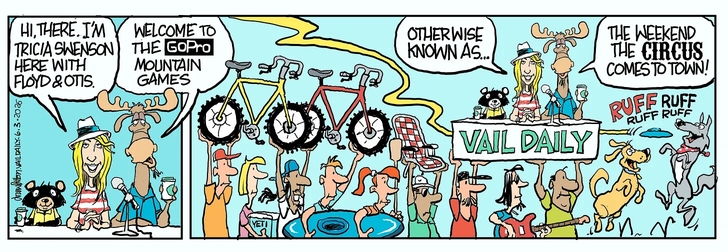
Drew Litton, a veteran of the sports and editorial cartooning world, has successfully bridged the gap between traditional local news and digital independence. His latest collection, Slippery Slopes, originally published in the Vail Daily, has transitioned to his "Beyond the Drawing Board" Substack. By releasing a "baker’s dozen" (13) of his latest strips from late May and early June 2026, Litton demonstrates the viability of the "freemium" model, where localized content—focused on the unique culture of mountain living and seasonal transitions—finds a global audience through newsletter subscriptions.
2. The Crowdfunded Renaissance
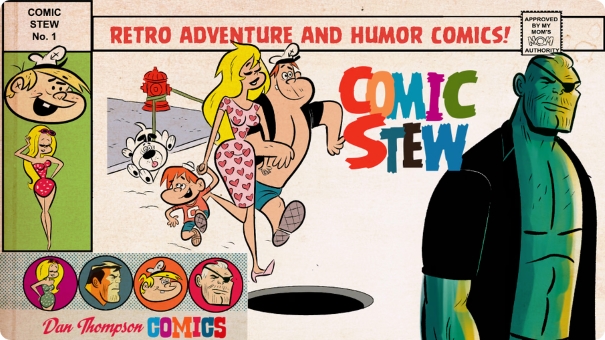
Dan Thompson, known for the long-running adventure strip Rip Haywire, is preparing to launch Comic Stew on Kickstarter. This move is significant as adventure strips—once the backbone of the funny pages—have dwindled in number. Thompson’s project aims to collect both his action-oriented "noir" crime stories and his humor-based work. This reflects a broader industry trend where cartoonists are bypassing traditional syndicates to fund high-quality physical collections directly through their fanbases.
3. The Doonesbury Homage
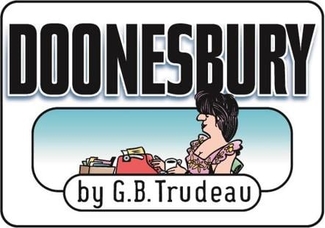
In a poignant moment for the industry, G.B. Trudeau utilized the high-visibility "title panel" of his July 5, 2026, Doonesbury Sunday strip to pay tribute to the late Nicole Hollander. Hollander, the creator of the iconic Sylvia, passed away earlier this year, leaving a void in the world of feminist satire. Trudeau’s acknowledgement serves as a formal "passing of the torch" and a recognition of Hollander’s influence on the political landscape of the 1980s and 90s.
4. Phil Hands and the Mendota Marsh
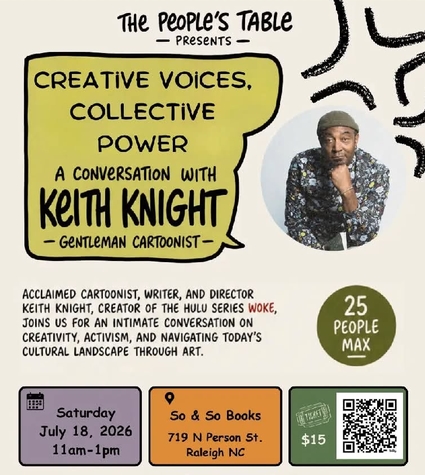
The Wisconsin State Journal has released a comprehensive digital collection of Phil Hands’ Mendota Marsh. This weekly strip represents the endurance of the "local favorite" model, providing a satirical look at Wisconsin politics and environmental issues. The release of dozens of strips from the past year suggests that regional newspapers are increasingly viewing their cartoonists as key drivers of digital engagement.
Chronology: From the Trenches to the Tablet
To understand the current state of the medium, one must look at the historical trajectory of the strips mentioned this week. The evolution of the Sunday comic is not merely a history of art, but a history of societal shifts.
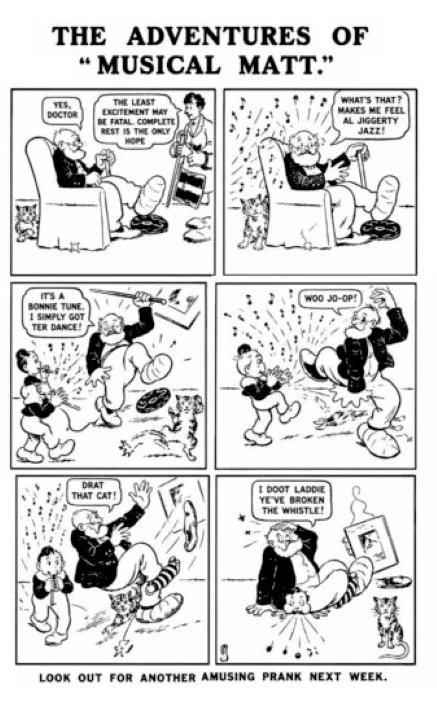
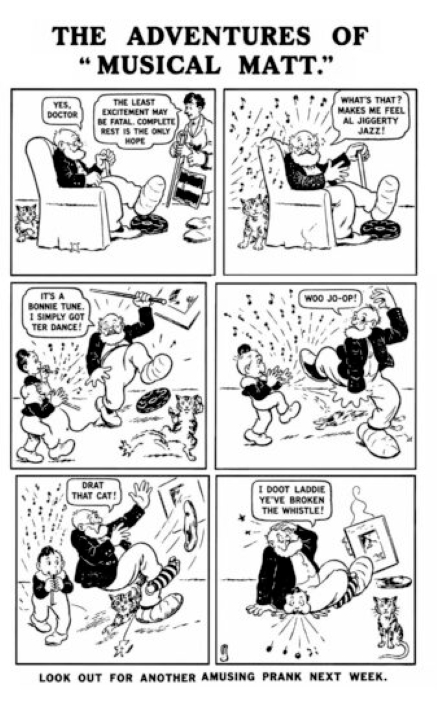
- December 1919: The Sunday Post in Glasgow, Scotland, launches its first children’s comic, Musical Matt. Born out of the somber atmosphere following World War I, the strip offered a fantastical escape with its magical flute, marking a shift from wartime satire to juvenile entertainment.
- March 1936: The "Fun Section" of The Sunday Post debuts under managing editor Robert Duncan Low and artist Dudley D. Watkins. This era birthed Oor Wullie and The Broons, two strips that remain national treasures in Scotland today.
- 1970: G.B. Trudeau launches Doonesbury, revolutionizing the strip by introducing overt political commentary and characters that aged in real-time.
- 1981: Nicole Hollander’s Sylvia enters wide syndication, providing a dry, acerbic feminist voice that challenged the male-dominated perspective of the funny pages.
- 2000s–2010s: The rise of webcomics and the decline of print advertising force a migration of talent. Keith Knight emerges as a "Gentleman Cartoonist," blending social justice with humor in The K Chronicles.
- 2024–2026: The "Substack Era" begins in earnest. Cartoonists like Drew Litton and Phil Hands utilize hybrid models—printing in local papers while archiving and monetizing on digital platforms.
Supporting Data: The Economics of the Modern Strip
The data suggests that while the "Golden Age" of syndication (where a single strip could run in 2,000 newspapers) is over, the "Niche Age" is thriving.
- The "Baker’s Dozen" Model: Drew Litton’s release of 13 strips at once is a tactical response to "binge culture." Digital readers prefer consuming thematic blocks of content rather than a single daily panel.
- Kickstarter Metrics: Projects like Dan Thompson’s Comic Stew typically see success by offering "exclusive" tiers, such as original sketches or behind-the-scenes "process" books. This indicates that the value of a comic has shifted from its utility (a daily distraction) to its collectability (a piece of art).
- Historical Longevity: The Sunday Post strips, Oor Wullie and The Broons, have survived for 90 years. Their continued presence in 2026 highlights the "Lindy Effect"—the idea that the longer something has lasted, the longer it is likely to last.
Official Responses and Expert Commentary
On the Legacy of Nicole Hollander
Industry analysts view Trudeau’s Doonesbury tribute as more than a courtesy. "Nicole Hollander didn’t just draw a comic; she created a manifesto for the modern woman," says one industry commentator. "By integrating her into the Doonesbury universe, Trudeau is signaling that the era of ‘men’s comics’ and ‘women’s comics’ is officially over. There is only the ‘smart comic.’"
On the Keith Knight "Meet and Greet"
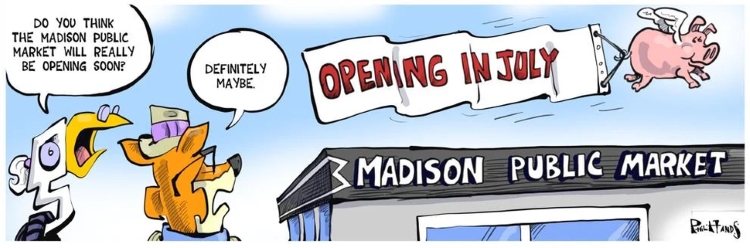
The upcoming "Conversation with Keith Knight" on July 18, 2026, at So-So Books in Raleigh, N.C., is being framed as a masterclass in survival. Knight, who has successfully transitioned his work into the television medium (Hulu’s Woke), represents the pinnacle of the "multihyphenate" cartoonist. His presentation, hosted by The People’s Table, is expected to address how cartoonists can maintain their voice while scaling their brand across different media.
The "Mickey vs. Snoopy" Philosophical Divide
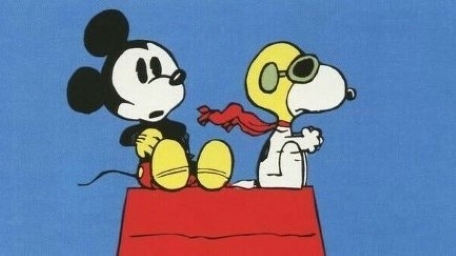
Joe Manio of The Lethbridge Herald sparked a viral debate this week by posing the "eternal question": Mickey or Snoopy? Manio’s commentary suggests that these two characters represent the two poles of the industry.
- Mickey Mouse represents the corporate, optimistic, and brand-driven side of animation and cartooning.
- Snoopy represents the internal, existential, and artistically driven world of the comic strip.
Manio’s refusal to definitively choose highlights the industry’s current identity: it needs the commercial power of a Mickey to survive, but it needs the soul of a Snoopy to remain relevant.
Implications: What Lies Ahead
The developments of July 2026 suggest three major implications for the future of the graphic arts:
1. The Death of the "Generalist" Strip
As seen with Phil Hands and Drew Litton, the most successful strips are those that lean into specific identities—whether that is Wisconsin politics or Colorado ski culture. The "one size fits all" family sitcom strip is being replaced by hyper-local or hyper-topical content.

2. The Rise of the "Archival Economy"
The focus on The Sunday Post’s history and Dan Thompson’s collection of "blonde Rip Haywire" webcomics shows that there is significant money to be made in the past. As the barrier to entry for new strips remains high, publishers are looking toward high-quality reprints and historical retrospectives to stabilize revenue.
3. The Return to Personal Connection
Events like Keith Knight’s "Meet and Greet" and the limited seating at So-So Books indicate a move away from the anonymity of the digital web. In an age of AI-generated art, the "Gentleman Cartoonist" who meets his audience in person is becoming a premium commodity. The "human touch"—the ink on the page and the conversation in the bookstore—is the industry’s strongest defense against automation.
As we look toward the remainder of 2026, the comic strip appears to be shedding its "disposable" reputation. It is no longer just something to be read over breakfast and tossed in the recycling bin; it is a crowdfunded artifact, a digital newsletter, and a platform for profound cultural tribute. The "Ink-redible" history of the medium continues to be written, one panel at a time.