The Surrealist Horizon: Akino Kondoh’s ‘Box Garden Beetle’ and the Evolution of Alternative Manga in America
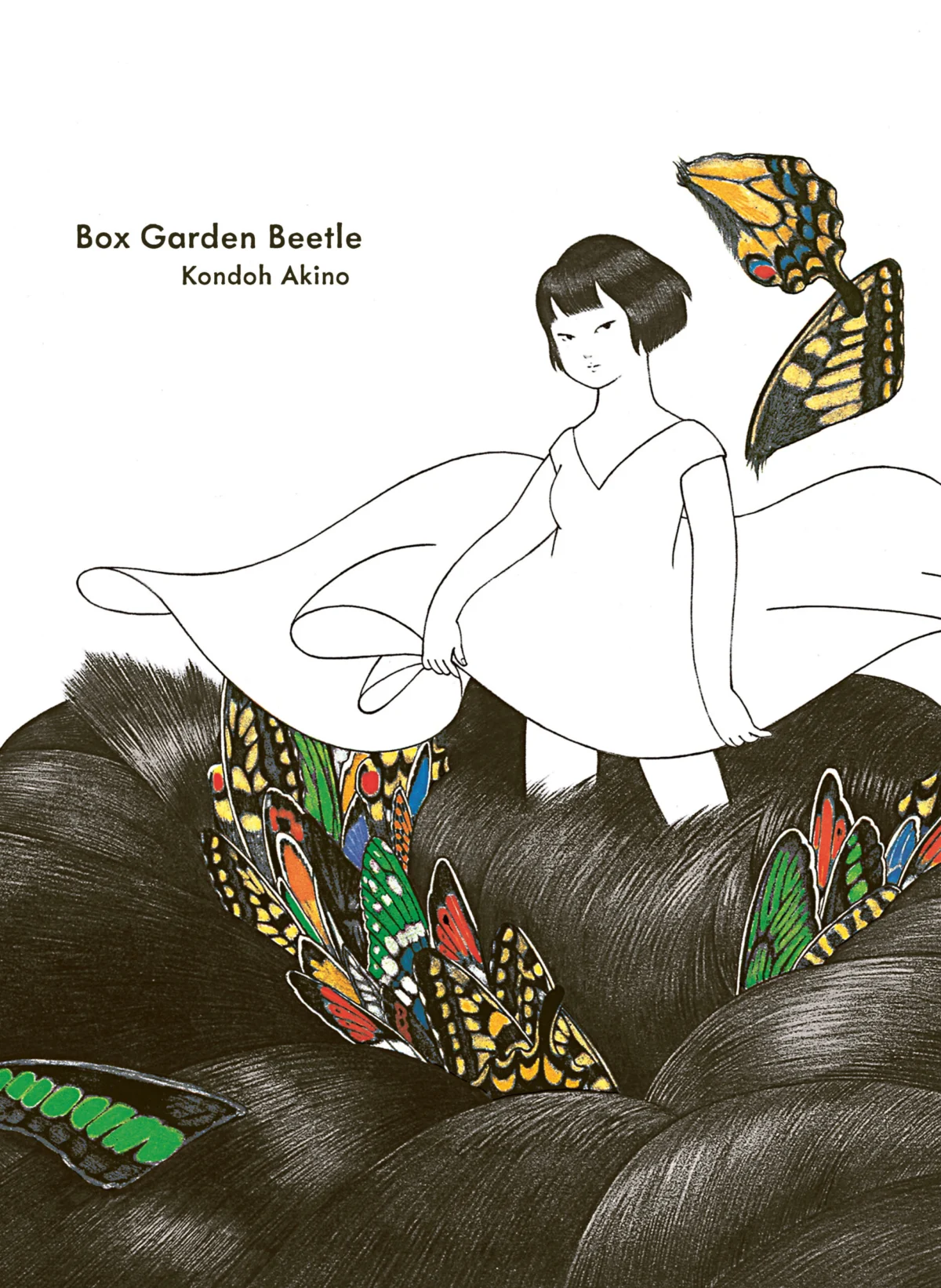
The landscape of North American manga consumption is undergoing a profound transformation. While mainstream "Shonen" and "Shojo" titles continue to dominate sales charts, a sophisticated undercurrent of "art manga" or gekiga-adjacent works has found a dedicated foothold among Western bibliophiles. A landmark moment in this movement arrived on July 3, 2026, with the official U.S. release of Box Garden Beetle, the debut collection from the visionary artist Akino Kondoh. Published by Glacier Bay Books, this release marks a significant milestone: the first full-length volume of Kondoh’s work to be translated into English, signaling a new era of accessibility for one of Japan’s most enigmatic visual storytellers.
Main Facts: A Landmark Publication in the Alt-Manga Scene
Box Garden Beetle arrives as a high-quality trade edition priced at $25.00, curated and released by Glacier Bay Books, a publisher that has carved out a niche for itself by bringing avant-garde and independent Japanese comics to the English-speaking world. The volume is not merely a collection of stories but a historical document of Kondoh’s early creative output, featuring her debut work originally published in Japan in 2004.
The English edition is bolstered by significant critical weight. It includes an introductory essay by Hayashi Seiichi, a doyen of the Japanese art-comics scene and a key figure in the legendary Garo magazine. The translation is handled by Ryan Holmberg, a preeminent scholar and translator whose work has been instrumental in bringing historically significant manga to the West.
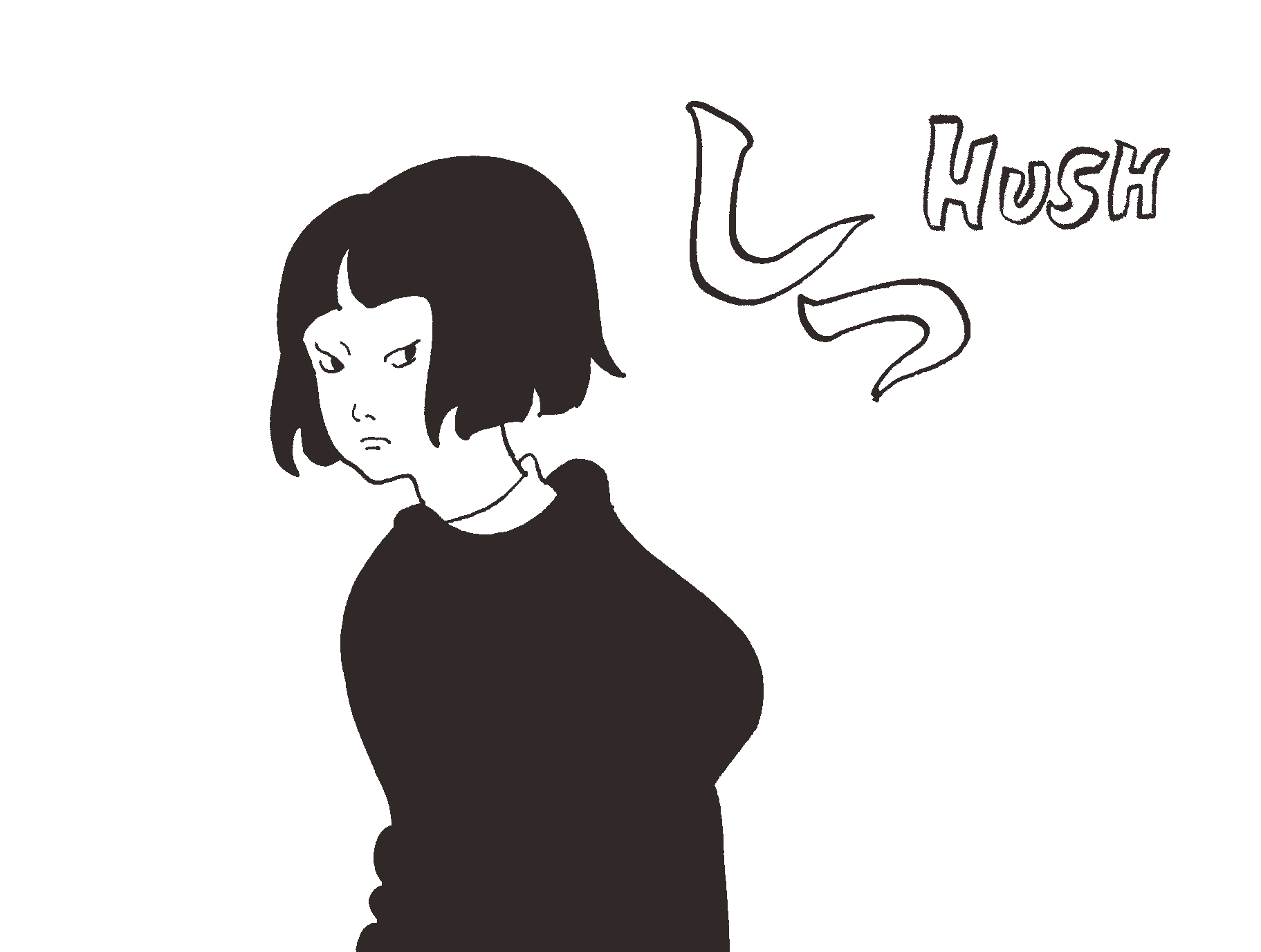
Kondoh’s style is described by the publisher as an "ethereal poetry of exquisite line and quiet space." The book promises a journey through childhood memories, surrealist insectoid invasions, and "balletic bands of laughter," blending the mundane with the phantasmagoric. For American readers, this volume provides the most comprehensive look yet at an artist who has spent two decades bridging the gap between traditional manga, experimental animation, and contemporary fine art.
Chronology: The Artistic Evolution of Akino Kondoh (2000–2026)
To understand the weight of the Box Garden Beetle release, one must trace the twenty-six-year trajectory of Akino Kondoh’s career, which has spanned continents and mediums.
The Ax Debut (2000–2004)
Kondoh first emerged on the scene in 2000 in the pages of Ax, the successor to the legendary alternative magazine Garo. Ax was a sanctuary for artists who rejected the commercial constraints of major publishing houses, favoring idiosyncratic styles and psychological depth. In this environment, Kondoh developed the stories that would eventually form Box Garden Beetle. By 2004, the collection was published in Japan, establishing her as a pioneer of "poetic imagination" in the medium.
International Recognition and New York (2012–2014)
In 2012, Kondoh began her long-running diaristic series Noodling in New York, which chronicled her life as an expatriate artist in the United States. This period saw her reputation grow beyond the borders of Japan, as her paintings and animations began appearing in galleries worldwide. In 2014, American readers received their first small taste of her work when Retrofit Comics published Nothing Whatsoever All Out in the Open, a 50-page magazine-sized comic. While well-received, it left fans clamoring for a more substantial collection.
Mainstream Success and Critical Maturity (2014–2020)
During this decade, Kondoh authored the best-selling A-ko’s Boyfriends (serialized from 2014 to 2020). This work showcased her ability to blend her avant-garde sensibilities with a more structured narrative of womanhood and daily life, further cementing her status as a versatile creator capable of navigating both the art gallery and the bookstore.
The Full English Debut (2026)
The July 2026 release of Box Garden Beetle by Glacier Bay Books represents the culmination of years of advocacy by translators and independent publishers. It brings the artist’s career full circle, presenting her foundational work to a Western audience that has finally matured enough to appreciate the nuances of the "box garden" (or hakoniwa) aesthetic.
Supporting Data: The Visual and Thematic Language of Kondoh
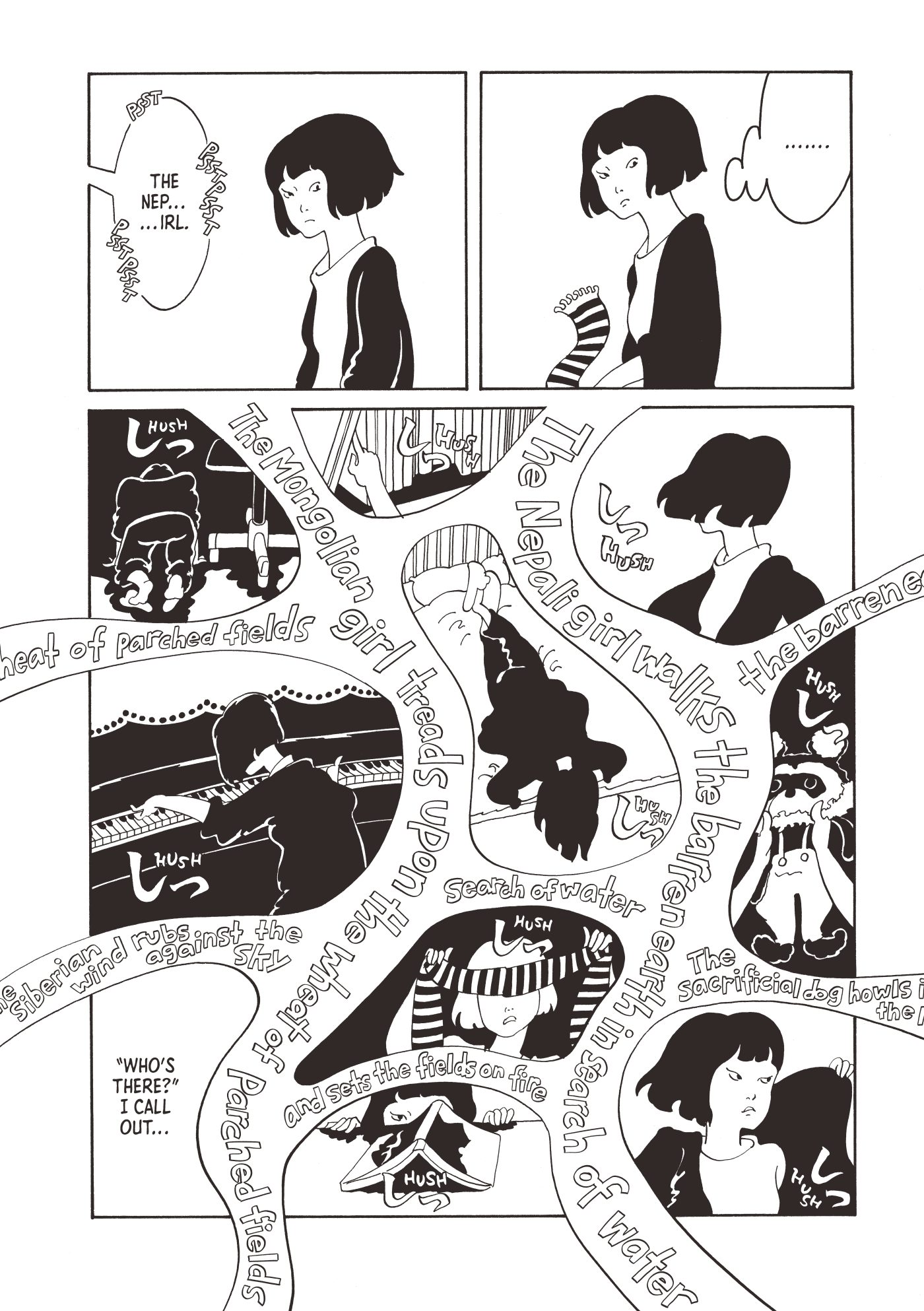
Akino Kondoh’s work is characterized by a distinct "limpid" quality—a clarity of line that belies the complexity of the subject matter. Box Garden Beetle serves as a primer for the recurring motifs that define her "Wonderland."
The "Box Garden" Aesthetic
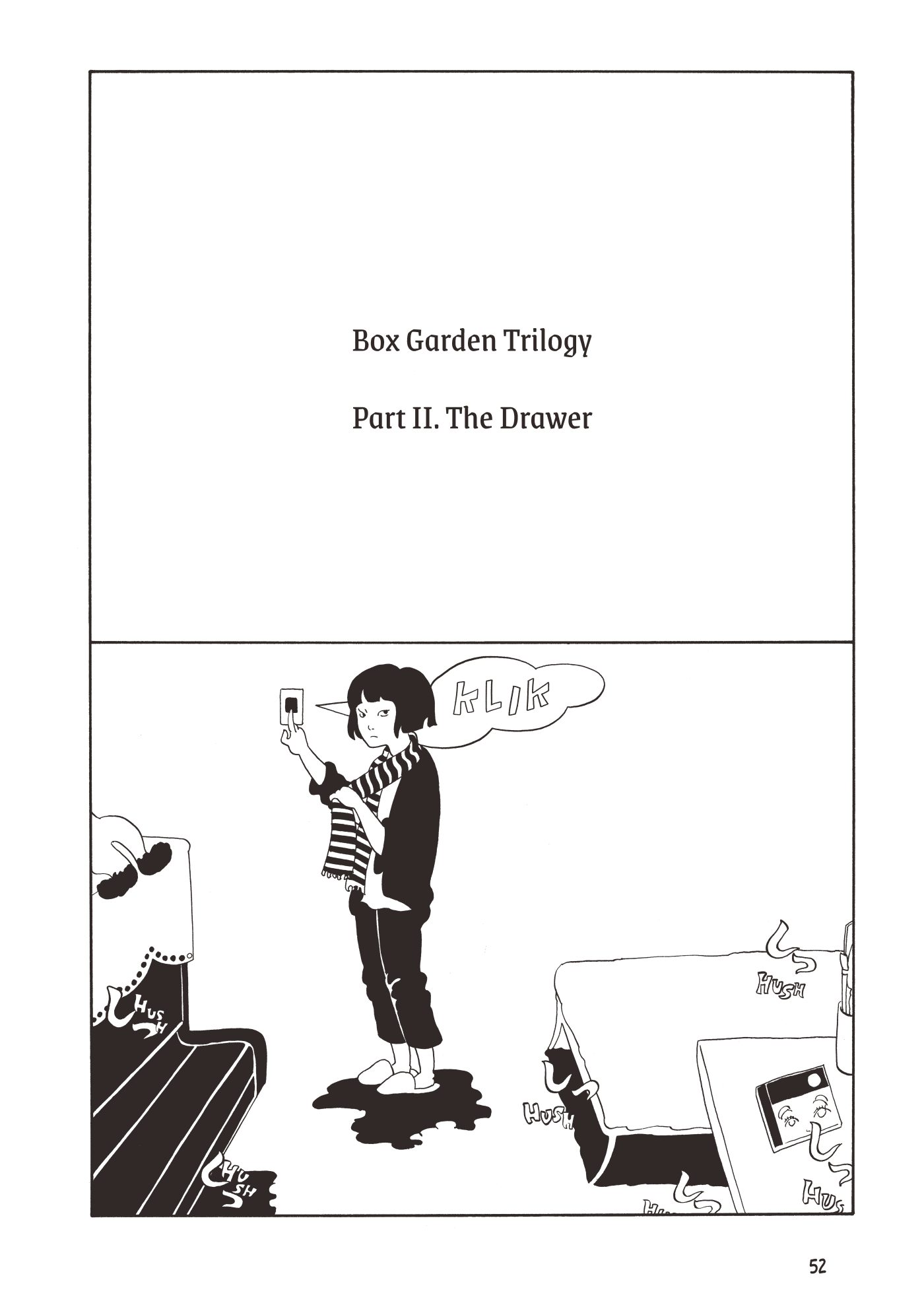
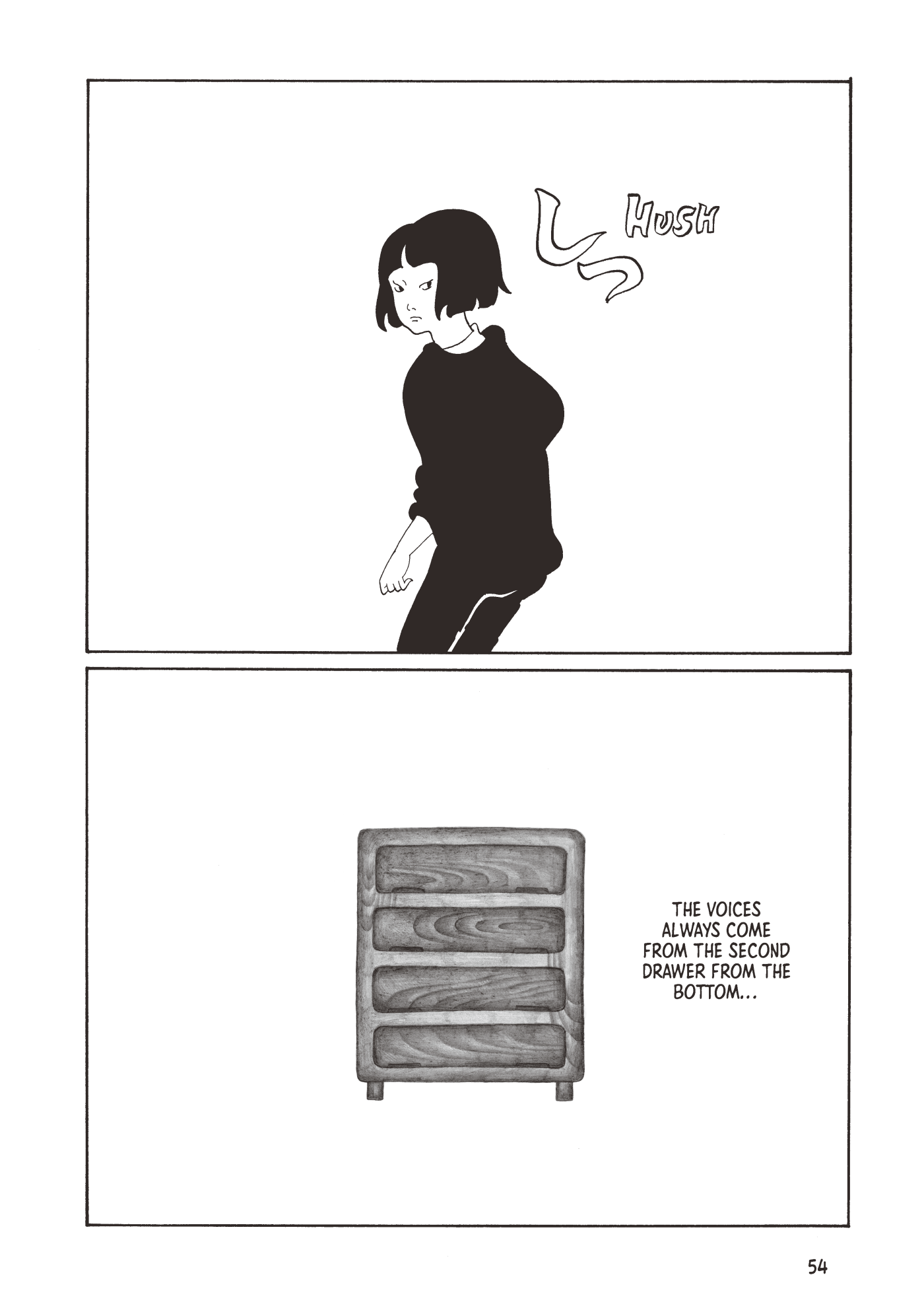
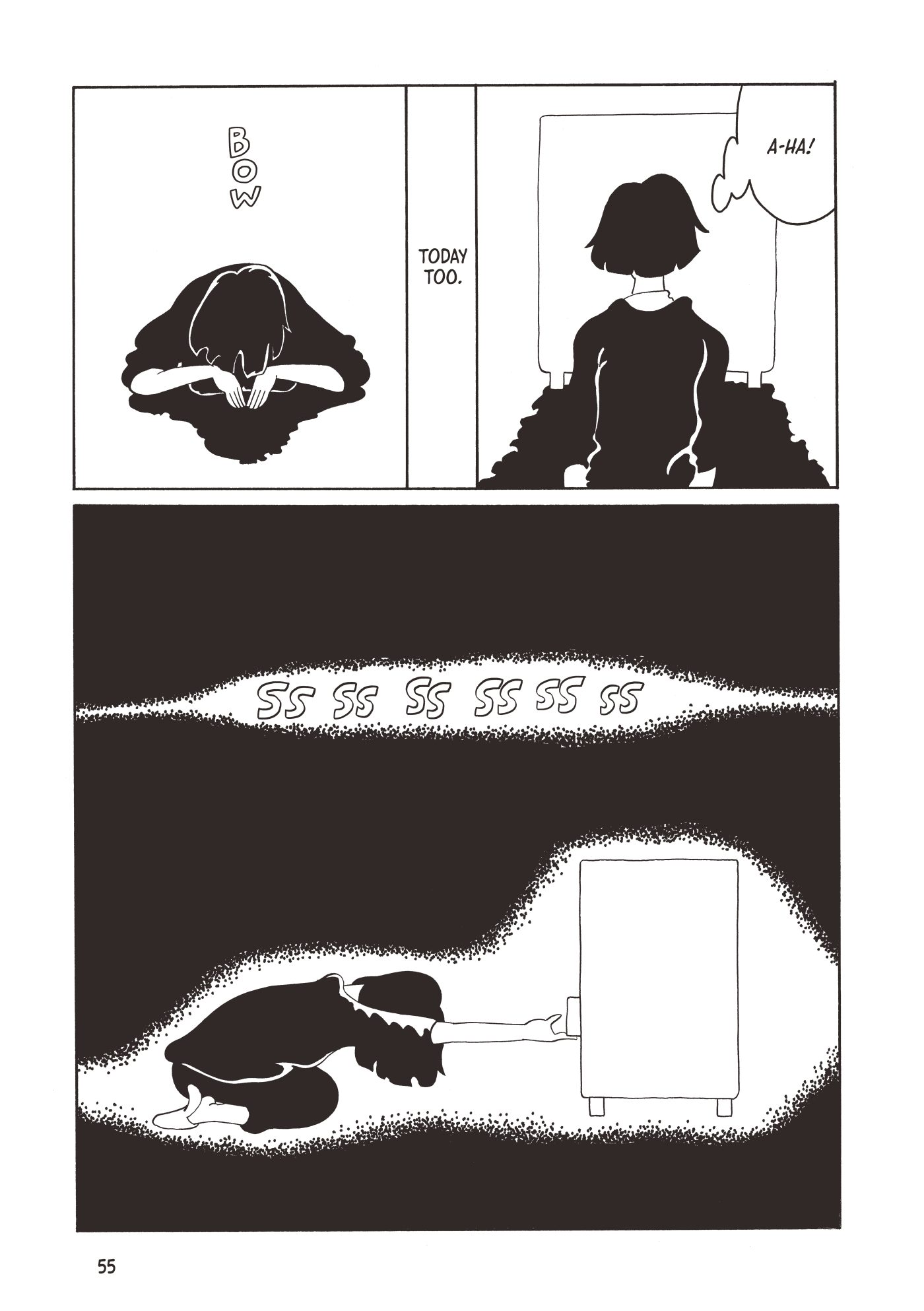
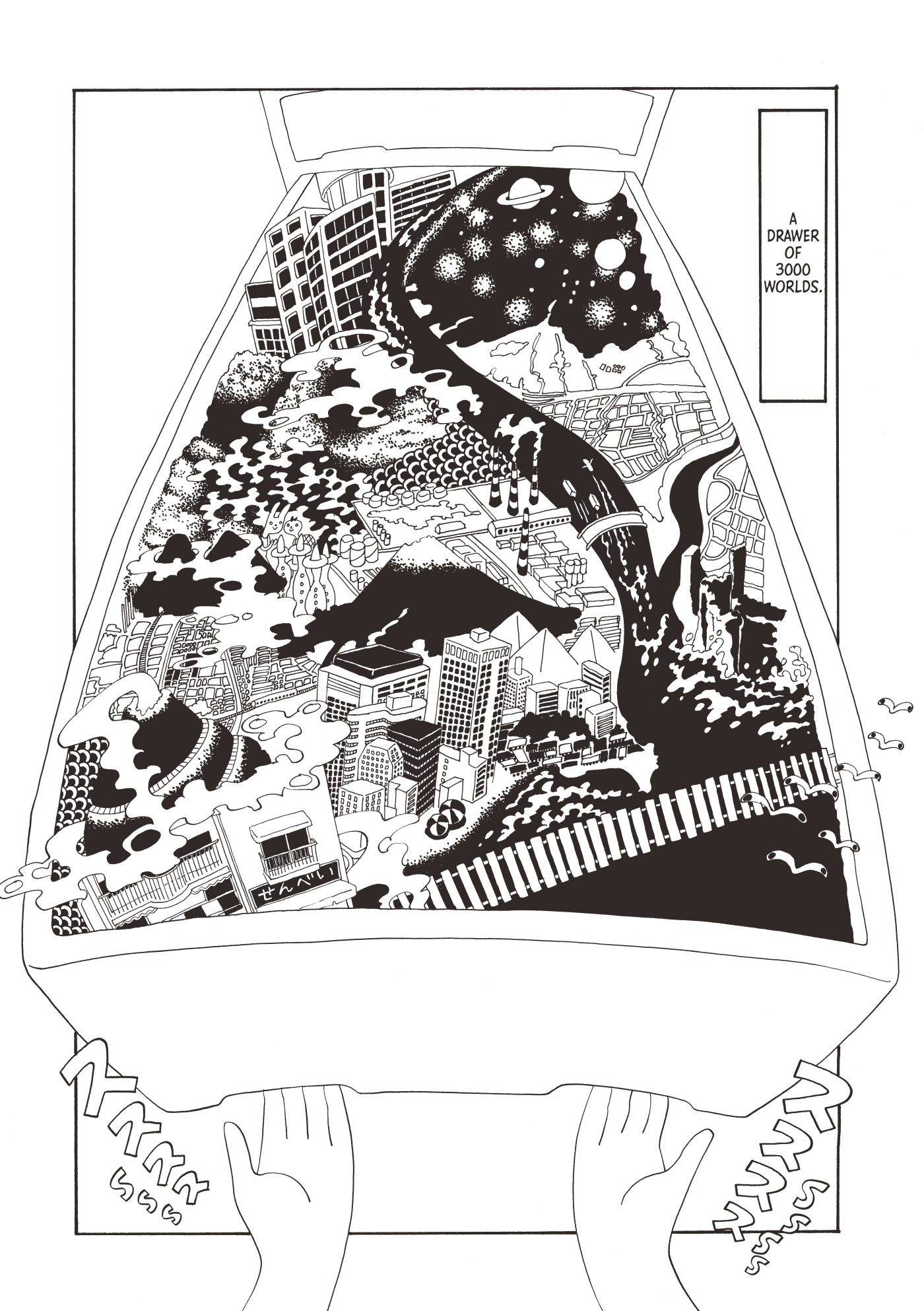
The title refers to the Japanese concept of hakoniwa, or miniature gardens. In Kondoh’s hands, this becomes a metaphor for the psychological interior—a controlled space where memories are cultivated like plants. The publisher’s description highlights "wormholes of childhood memories" and "cabinets of magical curiosities," suggesting that the book functions as an archival exploration of the subconscious.
Technical Prowess: Stippling and Space
Artistically, Kondoh is a master of contrast. She utilizes "creeping stippled shadows" to create texture and depth, a technique that requires immense patience and precision. This is often juxtaposed with "quiet space," where the absence of ink allows the reader’s imagination to fill in the gaps. This push-and-pull between "exploding form" and "exquisite line" is a hallmark of her visual surrealism.
The Insectoid Metaphor
Insects appear frequently in Kondoh’s work, representing both the alien nature of the world and the "armies" of thoughts that inhabit the mind. In Box Garden Beetle, these creatures serve as bridges between the domestic reality of a young woman’s life and the surrealist landscape of her dreams.
Official Responses: Publisher and Critical Perspectives
The release has been met with significant enthusiasm from the independent comics community. Glacier Bay Books has positioned the release not just as a book, but as an entry point into a specific movement of Japanese art.
The Publisher’s Vision
In their official description, Glacier Bay Books emphasizes Kondoh’s role as a "pioneer of visual form." By selecting a work that includes an essay by Hayashi Seiichi, the publisher is intentionally linking Kondoh to the lineage of Gekiga (dramatic pictures) and the 1960s avant-garde movement. This framing encourages readers to view manga as a high-art form on par with literary fiction or experimental film.
Critical Reception
Early reviews from critics at The Comics Journal and other industry outlets have praised the choice of Ryan Holmberg as translator. Holmberg’s involvement ensures that the cultural nuances of Kondoh’s 2004 debut are preserved, providing a "limpid" translation that matches the clarity of the artwork. Critics have noted that while the book must be read "right to left" in the traditional Japanese format, its themes of love, memory, and the "doppelganger" are universal, transcending linguistic barriers.
Implications: The Future of the "Alt-Manga" Market
The publication of Box Garden Beetle has broader implications for the publishing industry and the cultural perception of manga in the West.
1. The "Niche" is Expanding
The fact that a $25 art-manga volume can find a viable market in 2026 suggests that the American manga reader is no longer a monolith. There is a growing demographic of readers who seek out "slow manga"—works that prioritize atmosphere and psychological exploration over high-octane action. Kondoh’s success paves the way for other Ax and Garo alumni to receive similar treatment.
2. The Intersection of Fine Art and Comics
Kondoh’s dual career as a fine artist and a mangaka (manga creator) challenges the traditional hierarchy of the arts. As her paintings continue to be exhibited globally, Box Garden Beetle serves as a tangible link for art collectors to engage with her narrative work. This cross-pollination is essential for the long-term cultural legitimacy of the medium.
3. The Role of the Boutique Publisher
Small presses like Glacier Bay Books and the now-legendary Retrofit have become the true curators of the medium. While major publishers focus on "hits," these boutique labels are performing the essential work of cultural preservation. By bringing out a 2004 debut in 2026, they are asserting that great art is not ephemeral; it does not have an expiration date.
4. A New Standard for Translation
The inclusion of scholarly essays and the involvement of high-caliber translators like Holmberg sets a new standard for how manga should be presented to the West. It treats the source material with the same reverence as a Penguin Classic, ensuring that the artist’s "poetic imagination" is not lost in translation.
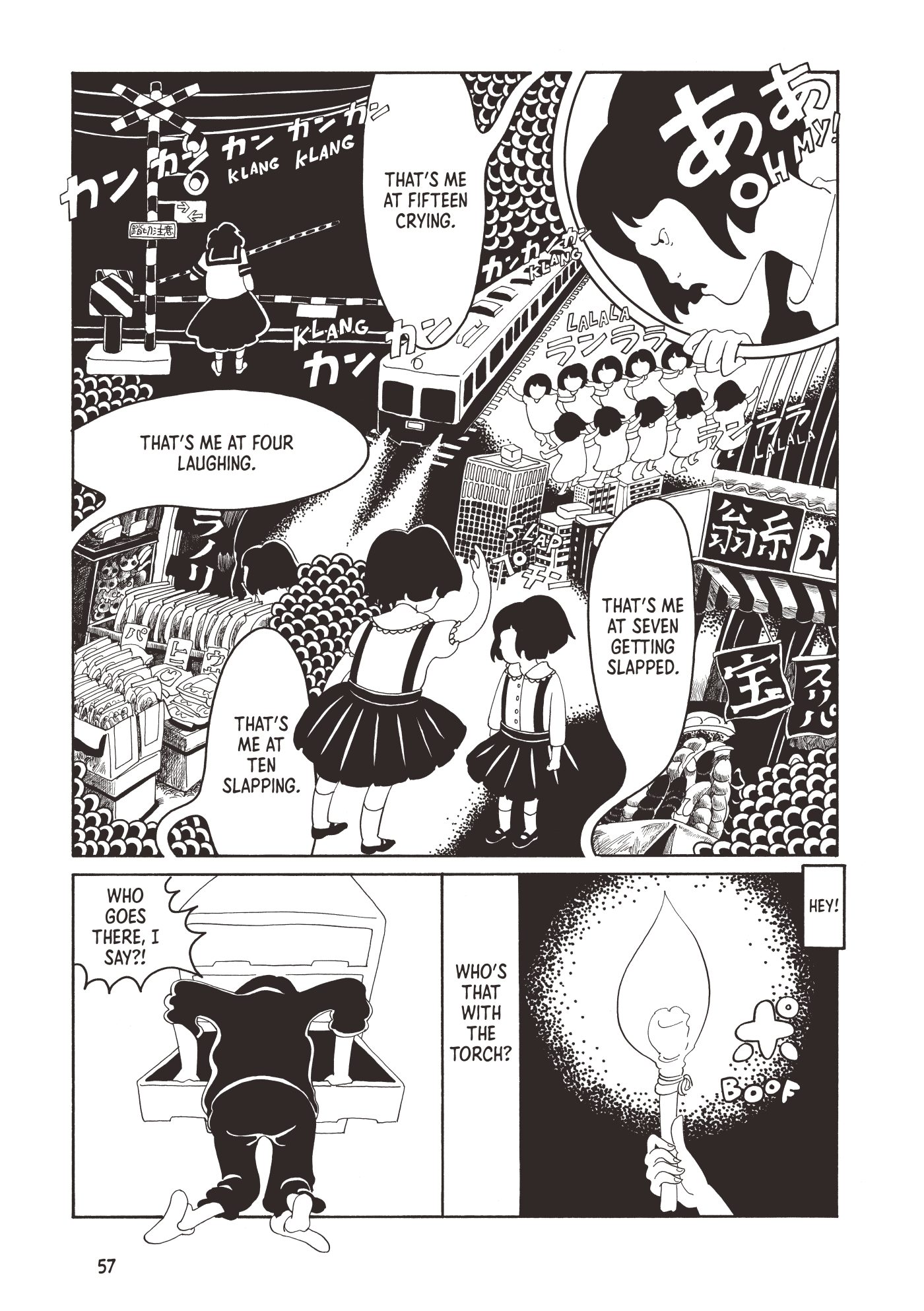
In conclusion, Box Garden Beetle is more than a book; it is a portal into the mind of Akino Kondoh. Its release in July 2026 marks a high point for the alternative manga scene, offering a masterclass in how the "quiet space" of a page can contain the "whirling imagination" of an entire universe. For those willing to step into Kondoh’s box garden, the rewards are as strange and beautiful as a beetle under glass—a specimen of pure, unfiltered creativity.