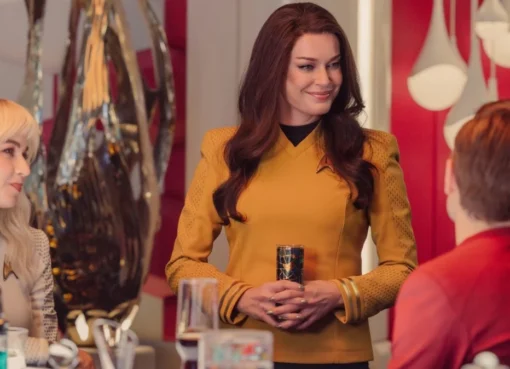
The Burden of the Iron Throne: How House of the Dragon Season 3 Reinvents the Daenerys Targaryen Arc
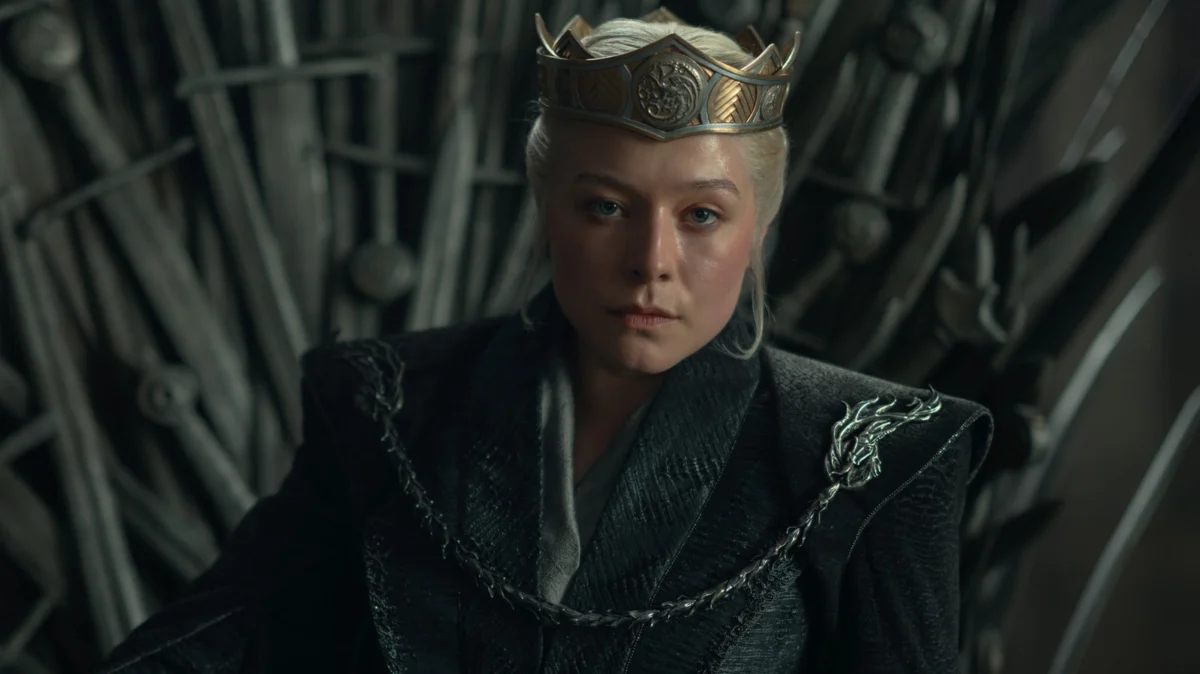
The third episode of House of the Dragon Season 3 has signaled a profound shift in the narrative trajectory of HBO’s epic prequel. While the first two seasons focused heavily on the escalating tension and the subsequent outbreak of the Dance of the Dragons, the latest installment—titled with an air of somber reflection—turns its gaze inward. As Rhaenyra Targaryen (Emma D’Arcy) finally occupies the seat of power in King’s Landing, she is discovering a bitter truth that her descendant, Daenerys Targaryen, would learn nearly two centuries later: winning a throne is a matter of fire and blood, but holding it is a matter of logistics, patience, and the slow erosion of one’s soul.
By drawing clear parallels to the "Meereenese Knot" that defined Daenerys’ middle seasons in Game of Thrones, showrunner Ryan Condal is exploring the most complex theme in George R.R. Martin’s universe—the fundamental difference between a conqueror and a ruler.
Main Facts: The Transition from War to Governance
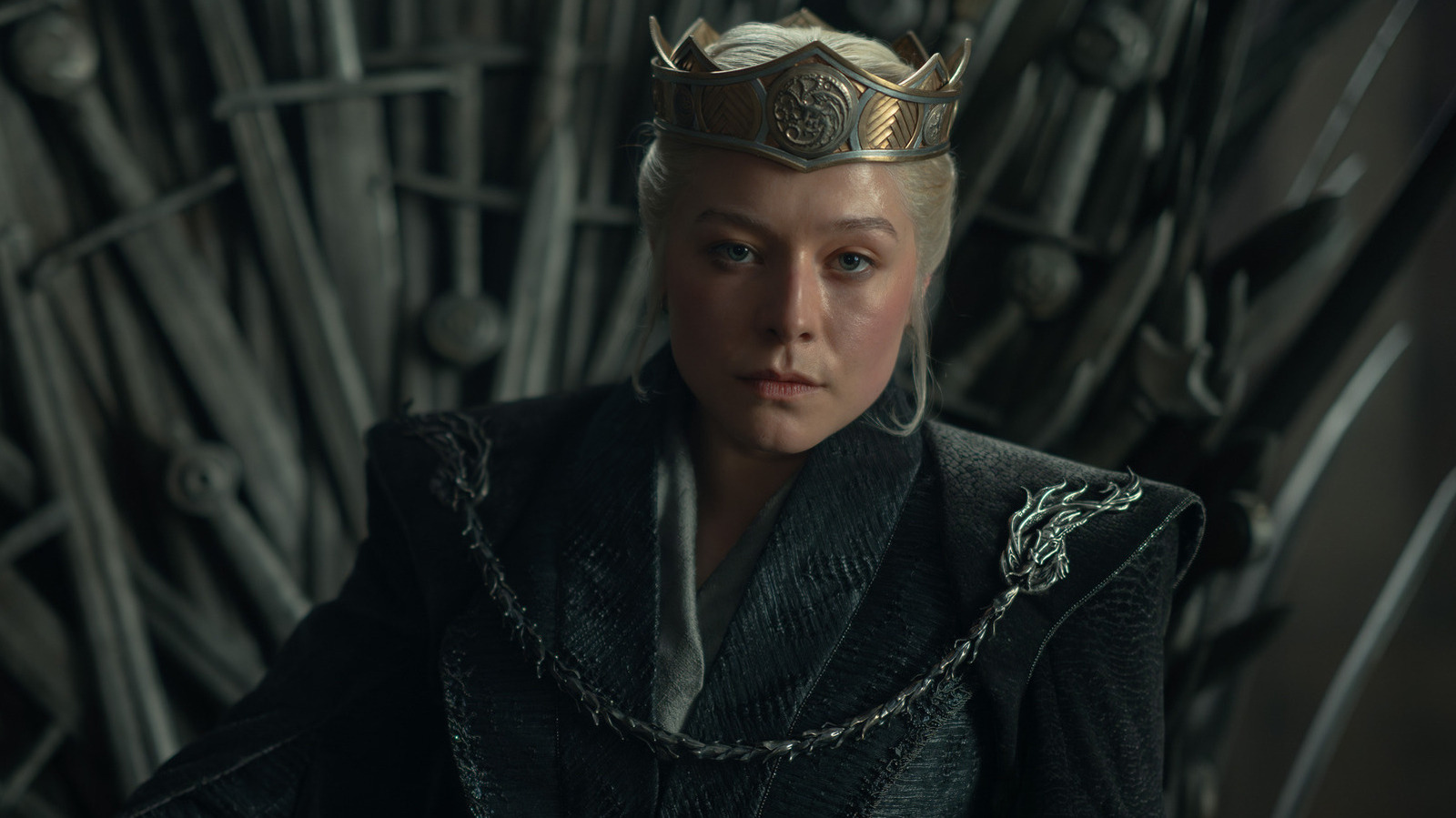
In Season 3, Episode 3, the high-octane spectacle of dragon warfare takes a backseat to the claustrophobic reality of the Red Keep. Following the successful, albeit chaotic, invasion of King’s Landing, Rhaenyra Targaryen has achieved her lifelong goal. She sits upon the Iron Throne, the crown of her father, Viserys I, resting upon her brow. However, the victory is proving to be pyrrhic.
The episode highlights several critical challenges facing the "Black Queen":
- The Resource Crisis: King’s Landing is suffering from severe grain shortages and a disrupted supply chain, a direct result of the naval blockades and the scorched-earth tactics of the preceding months.
- Religious Friction: Rhaenyra faces immediate pushback from the High Septon, representing a Faith of the Seven that remains skeptical of her legitimacy and her House’s perceived "incestuous" and "godless" traditions.
- Internal Dissension: Her own Small Council is fractured. Corlys Velaryon, the Sea Snake, is increasingly disillusioned, while Daemon Targaryen’s aggressive instincts clash with Rhaenyra’s desire for a stable, peaceful transition.
- The Smallfolk’s Fickleness: The commoners of King’s Landing, who cheered her arrival, are beginning to turn as hunger sets in—a direct echo of the riots that plagued the latter half of the original series.
Chronology of a Crisis: From Invasion to Introspection
To understand the weight of Episode 3, one must look at the rapid succession of events leading up to this political quagmire.
The Immediate Aftermath
The season began with the high of the "Rook’s Rest" fallout and the subsequent strategic maneuvering that allowed Team Black to seize the capital. The execution of Otto Hightower (Rhys Ifans) in the previous episode removed a master manipulator from the board but left a power vacuum and a legacy of bureaucratic efficiency that Rhaenyra is struggling to replicate.
The First Week of Rule
As the third episode opens, the "honeymoon phase" of the restoration is over. Rhaenyra is inundated with the mundane but vital tasks of statecraft. The narrative pace slows significantly, mirroring the "slog" of actual governance. We see Rhaenyra in the throne room not as a triumphant warrior, but as an exhausted administrator dealing with bickering lords and petitions for compensation.
The Breaking Point
The episode culminates in a series of tense confrontations. Rhaenyra’s interaction with the High Septon serves as a warning shot, while her refusal to immediately legitimize Corlys Velaryon’s "hull" sons creates a rift with her most powerful ally. By the end of the hour, it is clear that while the Greens have retreated to Oldtown and beyond, the city of King’s Landing itself has become Rhaenyra’s most formidable opponent.
Supporting Data: The "Meereenese Knot" Parallel
The narrative structure of Season 3 is a deliberate "remake" of Daenerys Targaryen’s arc in Meereen (Seasons 4 through 6 of Game of Thrones). George R.R. Martin famously coined the term "The Meereenese Knot" to describe the difficulty of writing the political complexities of a conqueror trying to rule a foreign or hostile population.
The Conqueror vs. The Ruler
In Game of Thrones, Daenerys spent three seasons in the city of Meereen. She had the dragons; she had the Unsullied; she had the "righteousness" of her cause. Yet, she was nearly undone by the "Sons of the Harpy"—an insurgency fueled by local traditions and economic grievances.
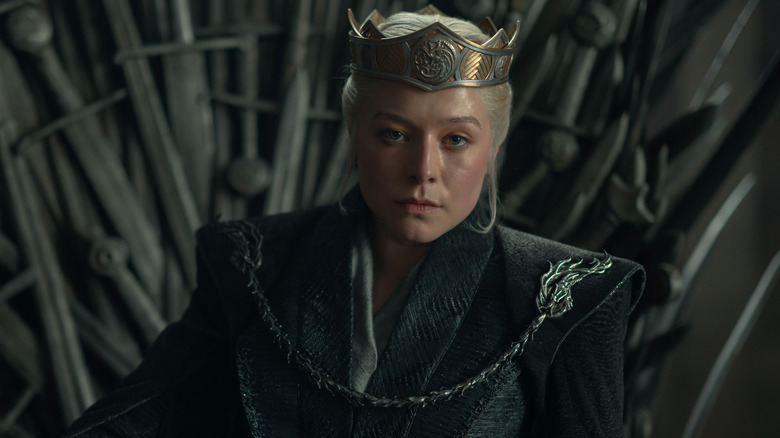
Rhaenyra is now in an identical position.
- The Insurgency: While the Sons of the Harpy used masks and daggers, Rhaenyra’s enemies are the "rat-catchers" of the city and the whispers in the septs.
- The Marriage of Convenience: Just as Dany had to consider marrying Hizdahr zo Loraq to appease the locals, Rhaenyra must navigate the delicate sensibilities of the Westerosi nobility who still view a woman on the throne as an affront to natural law.
- The "Dracarys" Temptation: Both queens face the constant temptation to solve their political problems with dragonfire. Daemon Targaryen acts as Rhaenyra’s "darker half," much like the more aggressive impulses Daenerys struggled to contain before her eventual fall in "The Bells."
The Economic Reality
In both series, the "villain" isn’t just a rival claimant; it is starvation. In Game of Thrones, the blockade of Meereen by the Masters of Yunkai and Astapor mirrored the current blockade of King’s Landing. The show is emphasizing that dragons cannot eat gold, and they certainly cannot produce grain.
Official Responses and Production Context
Showrunner Ryan Condal has frequently discussed the influence of George R.R. Martin’s "Aragorn’s Tax Policy" philosophy. Martin famously critiqued J.R.R. Tolkien’s The Lord of the Rings by asking, "What was Aragorn’s tax policy? What did he do about the Orcs that were left over?"
House of the Dragon Season 3 is the cinematic embodiment of that critique. The production team has shifted the visual language of the show to reflect this. The lighting in the Red Keep has become more oppressive and shadowy, and the costume design for Rhaenyra has transitioned from the vibrant reds and blacks of war to more somber, heavy regalia that seems to weigh the character down physically.
In behind-the-scenes interviews, the writers have noted that they wanted to subvert the audience’s expectation of a "triumphant return." By making the governance of King’s Landing "boring" and "frustrating," they are forcing the audience to empathize with the mental toll taken on a ruler who wants to do good but is stymied by a system designed for oppression.
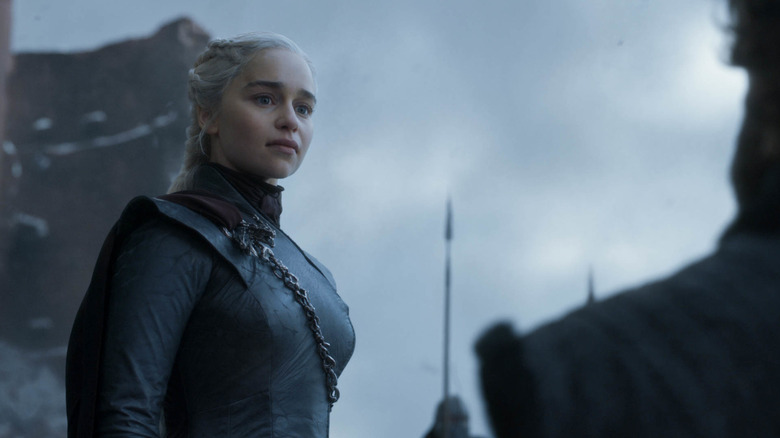
Implications: Setting the Stage for a Darker Conclusion
The parallels to Daenerys Targaryen are not merely stylistic; they are omens. The "remaking" of the Meereen arc suggests a dark trajectory for Rhaenyra’s character.
The Radicalization of the Queen
As Rhaenyra finds that diplomacy and "good governance" fail to yield results, the narrative suggests she will lean further into her Targaryen exceptionalism. The episode’s friction with the High Septon is a direct precursor to the "Storming of the Dragonpit"—a pivotal event in the lore where the smallfolk’s religious fervor and desperation lead to a catastrophic confrontation with the dragons themselves.
The Breakdown of the Household
The tension between Rhaenyra and Daemon in Episode 3 implies that the "United Front" of Team Black is an illusion. If Rhaenyra follows the Daenerys path, she will increasingly isolate herself, viewing even her closest advisors with suspicion. The "Meereenese" phase of the show is designed to strip away Rhaenyra’s idealism, leaving only the "Fire and Blood" that defines her house.
The Legacy of the Iron Throne
Ultimately, Season 3, Episode 3 reinforces the central thesis of the A Song of Ice and Fire universe: the Iron Throne is a cursed object. It is a seat made of swords, designed to ensure that no one who sits upon it can ever truly be comfortable. By mirroring Daenerys’ struggle, House of the Dragon is telling a cyclical story of history. The names change—Rhaenyra, Alicent, Daenerys, Cersei—but the machine of power remains the same, grinding down those who attempt to steer it.
As the season progresses, viewers should expect less focus on the "who" of the throne and more on the "how." If the Daenerys parallel holds true, the tragedy of Rhaenyra Targaryen will not be that she lost the war, but that she won the throne only to find it was a cage of her own making. The "slow" pace of Episode 3 is not a narrative flaw; it is a deliberate, chilling look at the death of hope in the face of political reality.