Ancient Sumerian Hymn Reveals Complex View of Justice, Rehabilitation, and Divine Power
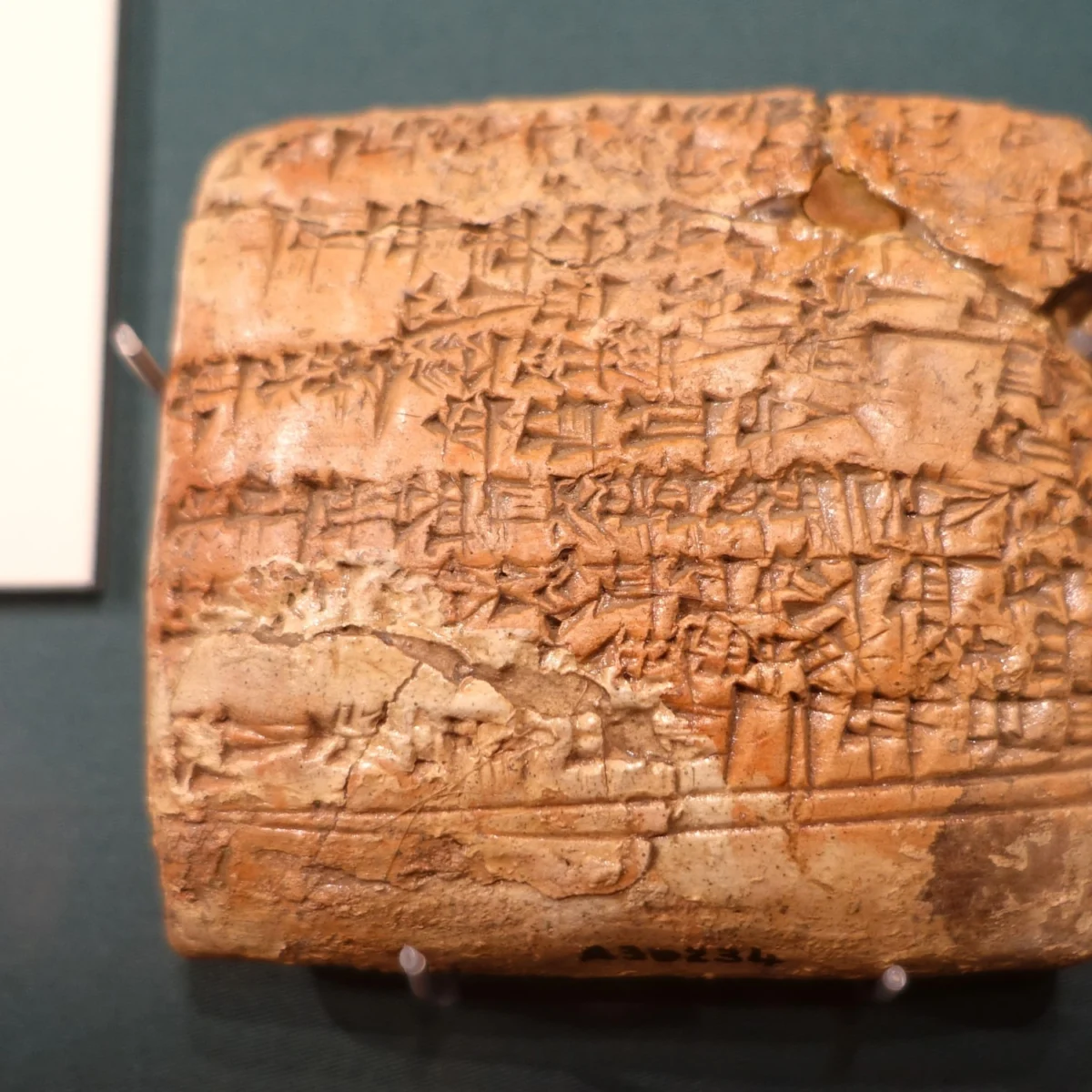
NIPPUR, MESOPOTAMIA – From the dusty ruins of ancient Mesopotamia emerges a profound literary work, the Hymn to Nungal, offering an unparalleled glimpse into the Sumerian understanding of justice, punishment, and rehabilitation. Dating back to the Old Babylonian period (circa 1894-1595 BCE) through its numerous surviving copies, this Sumerian poem extols Nungal, the formidable yet compassionate goddess of prisons and the underworld, and the intricate institution over which she presided. More than a simple praise song, the Hymn to Nungal, also known as Nungal A, served as a cornerstone of scribal education and a powerful cultural narrative, shaping societal views on accountability and redemption in one of humanity’s earliest civilizations.
Nungal, whose name translates as "Great Princess" and who was also revered as Manungal ("Mother Nungal"), embodies a complex duality. She is the daughter of Ereshkigal, the Queen of the Underworld, linking her directly to the realm of the dead. Yet, as the daughter-in-law of Enlil, the sky god revered for maintaining cosmic order, Nungal is equally associated with the principles of justice and equitable judgment. This unique position allowed her to oversee a divine prison house, described in the hymn as both a place of dread and despair for the wicked, and a crucible for transformation, "built on compassion," designed to give "birth to a just person."
Unveiling the "Hymn to Nungal": A Glimpse into Ancient Justice
The Hymn to Nungal is far more than a theological text; it is a window into the societal values and educational priorities of ancient Sumer. Its prominence in the curriculum of the edubba, the Sumerian scribal schools, underscores its significance not only for religious understanding but also for the practical application of law and ethics.
The Goddess Nungal: A Divine Arbiter
Nungal stands out in the Sumerian pantheon for her specialized role. While other deities like Utu-Shamash were associated with justice, Nungal’s purview was distinctly focused on the accused after a crime had been committed. Her association with Ereshkigal placed her within the shadowy confines of the afterlife, yet her connection to Enlil, the supreme deity responsible for cosmic and societal order, infused her role with a potent sense of divine authority and moral rectitude. She was symbolically referred to as a "daughter of An" (Anu), Enlil’s father and the primordial sky god, further cementing her ties to foundational cosmic justice.
Her consort, Birtum, an underworld god whose name ominously translates to "shackle," reinforces Nungal’s dominion over confinement and accountability. This divine partnership paints a picture of a deity not merely of punishment, but of a carefully calibrated system designed to discern truth and facilitate change. The hymn repeatedly emphasizes Nungal’s unique ability to "separate the innocent from the guilty," a critical function in a legal system where divine intervention was often sought to validate human judgments.
A Core Text of Sumerian Education and Culture
The widespread copying of the Hymn to Nungal attests to its popularity and importance. Discovered primarily in the ruins of Nippur, a major religious and educational center in ancient Iraq, as well as other sites, these cuneiform tablets reveal that the hymn was a staple of the edubba curriculum. It was part of the "Decad," a collection of ten advanced compositions that aspiring scribes had to master before graduation. This suggests that understanding Nungal’s role and the poem’s intricate themes was considered essential for those who would go on to administer laws, record history, and manage the complex bureaucracy of Sumerian society.
Beyond the classroom, the hymn likely played a role in public life. It is believed to have been recited or read aloud during festivals honoring Nungal, a common practice in ancient Mesopotamia. Such public performances would have reinforced the goddess’s authority, instilled respect for the legal system, and offered comfort or warning to the populace, depending on their individual circumstances or perceived transgressions. The poem thus functioned on multiple levels: as a didactic tool, a liturgical text, and a moral compass for the community.
Chronology: Tracing the Hymn’s Ancient Roots
Pinpointing the exact moment of the Hymn to Nungal‘s composition is a fascinating exercise in ancient literary detective work, highlighting the enduring nature of Sumerian religious concepts.
From Early Dynastic Murmurings to Old Babylonian Prominence
While the majority of extant copies of the Hymn to Nungal date to the Old Babylonian period (circa 1894-1595 BCE), indicating its widespread use and popularity during that era, the goddess Nungal herself appears much earlier. Her name is attested in the Early Dynastic period of Mesopotamia (circa 2900 to circa 2350/2334 BCE). This early mention suggests that the deity and perhaps an earlier version of her hymn, or at least the theological concepts surrounding her, were already established long before the Old Babylonian copies were made.
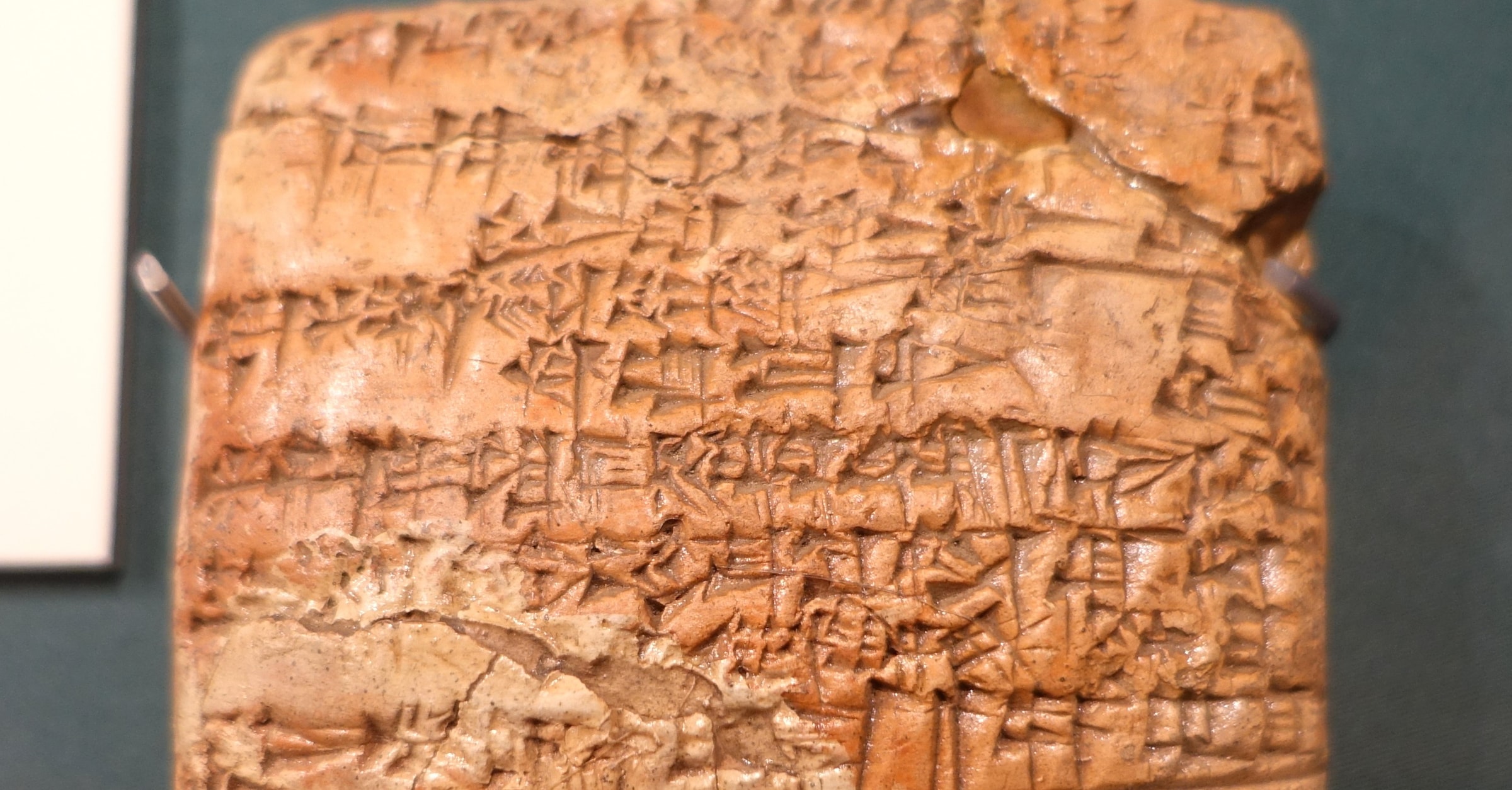
It is plausible that the hymn, in its current form or a close precursor, was composed during the Ur III period (circa 2112 to circa 2004 BCE). This era, particularly under the reign of Shulgi of Ur (2094 to circa 2046 BCE), saw a significant push for widespread literacy and the establishment of numerous scribal schools. Shulgi’s interest in expanding written works would have provided a fertile ground for the creation and dissemination of such an important literary piece. The continuity of Nungal’s veneration across these distinct periods speaks to the enduring nature of certain religious and ethical principles in Mesopotamian culture. The consistent copying of the hymn over centuries underscores its foundational importance to the Sumerian worldview, demonstrating a remarkable longevity that few ancient texts can claim.
Supporting Data: The Dual Nature of Justice in Mesopotamia
The Hymn to Nungal provides invaluable context for understanding the Mesopotamian legal system, which, while seemingly harsh by modern standards, possessed a nuanced appreciation for divine oversight and, surprisingly, rehabilitation.
The Mesopotamian Legal Landscape
Mesopotamian society operated under a legal framework that intertwined human laws with divine authority. Codes such as the famous Code of Ur-Nammu (circa 2100-2050 BCE) and the later Code of Hammurabi (circa 1754 BCE) meticulously defined crimes and prescribed punishments. However, these laws were not seen as mere human constructs; they were understood to be validated and enforced by the gods. As scholar Stephen Bertman observes, the "key [to Mesopotamian justice] was an innate compliance to higher authority, a behavioral characteristic that permeated Mesopotamian culture." He further notes that "society’s prime personal virtue was humble and unquestioning obedience to the gods and their earthly surrogates. Within society, it was the state and its demands, rather than the individual and his rights, that were supreme." This context highlights Nungal’s critical role as a divine intermediary, ensuring that justice was not only meted out but also divinely sanctioned.
Prisons and Punishment: A Temporary Divine Confinement
In ancient Mesopotamia, imprisonment as a long-term punishment was uncommon. Instead, prisons or guardhouses served primarily as temporary holding facilities for the accused until their guilt or innocence could be determined through trial or ordeal. Once judgment was rendered, punishments varied widely, including fines, forms of mutilation, periods of slavery or forced labor, or, in severe cases, death.
Nungal’s domain, however, transcends this earthly legal process. She is the deity responsible for dealing with the accused after a crime has been committed, specifically in her unique "prison house." This is not a physical jail but a liminal space, possibly in the underworld or a realm outside mortal perception, where Nungal exercises her divine prerogative to separate the innocent from the guilty and, crucially, to offer a path to rehabilitation. This spiritual prison, therefore, represents a deeper, more profound form of justice, focusing on the moral and spiritual state of the individual.
A Poetic Journey Through Nungal’s House
The hymn itself is structured to convey this duality of dread and hope, guiding the reader through the intimidating facade of Nungal’s domain to the compassionate heart of the goddess.
Lines 1-61: The Narrator’s Menacing Vision. The initial section, narrated by an unidentified voice, paints a terrifying picture of Nungal’s prison. It is depicted as the "jail of the gods," a "furious storm of heaven and earth," and "a pitfall waiting for the evil one." The imagery is stark and visceral: the prison is a "city in ruins" where inmates wander disoriented, their faces so changed that they cannot recognize even close relatives. They "pass the days in weeping and lamentation," with "no escape" from its "net whose fine meshes are skillfully woven." The description of its architectural features – gates of "yellow evening light," stairs as a "great open-mouthed dragon," a door jamb as a "great dagger," and a latch as a "python sticking out its tongue" – emphasizes its inescapable and fearsome nature. This section powerfully conveys the perspective of those trapped within, highlighting their suffering and the overwhelming authority of the institution. It is a place of interrogation and ordeal, where the "river of the ordeal… chooses the evil ones."
Lines 62-116: Nungal’s Compassionate Voice. The poem then shifts dramatically, giving voice to Nungal herself. Here, the goddess reveals the true, complex nature of her prison house. She proudly declares her divine lineage and authority, stating, "An has determined a fate for me, the lady; I am the daughter of An. Enlil too has provided me with an eminent fate, for I am his daughter-in-law." But it is her description of her house that truly transforms the narrative: "My house is built on compassion," she states, emphasizing that it "gives birth to a just person but exterminates a false one." Nungal portrays herself as a "compassionate mother" who "cools down even the angriest heart, sprinkling it with cool water" and "snatch[es] men from the jaws of destruction."
She speaks of tempering severe punishments, holding the "tablet of life" to register the just, and polishing individuals "clean like silver of good quality" so they can be "entrusted again into the propitious hands of his god." This section articulates a philosophy of restorative justice, where the prison, despite its initial terror, ultimately serves as a place of purification and spiritual rebirth. The promise of being "polished clean" and returning to divine favor is a powerful message of hope and second chances.
Lines 117-121: The Concluding Praise. The hymn concludes with a final flourish of praise for Nungal, acknowledging her "greatness" and the "awesome radiance" of her prison house. It celebrates her as the "powerful goddess, the neck-stock of the Anuna gods," whose divine powers are "untouchable." This conclusion reinforces the ultimate justice and benevolence of Nungal’s role, asserting that her judgment, though formidable, is always righteous.
Official Responses: Scholarly Insights and Enduring Legacy
Modern scholarship has grappled with the profound implications of the Hymn to Nungal, recognizing its unique contribution to our understanding of ancient legal and ethical thought.
Interpreting Ancient Intentions
Jeremy Black, a renowned scholar of Sumerian literature, highlights the unsettling yet crucial nature of the hymn. He describes it as "one of the most menacing and unsettling compositions in the Sumerian literary corpus, posing difficult questions about the nature of justice and hinting darkly at the fate of criminals and transgressors in early Mesopotamia." Black points out that while legal processes are well documented, "the operation of prisons themselves is virtually undocumented," making this hymn an invaluable primary source.
Black also emphasizes the pedagogical purpose of the hymn within the scribal schools: "As a curricular composition, it sent a message to the scribes in training that it was their duty to uphold a just and fair legal system while showing what was in store if they did not." This dual message—a warning to potential transgressors and a moral imperative for future legal administrators—underscores the hymn’s multifaceted function in ancient Sumerian society. It presented a stern reminder of divine retribution while simultaneously instructing the intellectual elite on the principles of justice they were expected to embody.
Yet, scholars also acknowledge the hymn’s profound message of mercy. Black notes that "at the same time, in emphasizing the compassion and mercy of the goddess, the poem provided hope of forgiveness for those who erred in ignorance or were led astray by circumstance." This balance between fear and hope, punishment and potential redemption, is what makes the Hymn to Nungal such a compelling and enduring work. It challenges simplistic interpretations of ancient justice as purely punitive, revealing a sophisticated theological and ethical framework that embraced the possibility of moral transformation.
Implications: Lessons from the Cradle of Civilization
The Hymn to Nungal is more than an ancient poem; it is a testament to the complex and often surprisingly progressive thinking of early Mesopotamian civilization regarding justice, morality, and the human condition.
Beyond Punishment: A Holistic View of Justice
The hymn compels us to reconsider simplistic notions of ancient justice. Rather than a purely retributive system, Nungal’s domain embodies a holistic approach that incorporates both severe consequences for wrongdoing and a genuine interest in the rehabilitation of the misguided. The goddess’s declaration that her house "gives birth to a just person" is a remarkably early articulation of restorative justice, suggesting that even in the third millennium BCE, there was a recognition that punishment could and should serve a transformative purpose. This perspective anticipates elements of modern correctional philosophy, where the goal extends beyond mere incarceration to include rehabilitation and reintegration into society. The Sumerians, through Nungal, envisioned a divine mechanism for moral cleansing, offering offenders a "second chance and redemption" once their hearts had been "appeased" and they were "polished clean."
The Power of Literature in Shaping Society
Finally, the Hymn to Nungal stands as a powerful example of how literature functioned as a cornerstone of social control, moral instruction, and cultural cohesion in ancient societies. By vividly describing both the terrors of divine judgment and the promise of divine mercy, the hymn reinforced societal norms, instilled reverence for the gods and their laws, and provided a framework for understanding human suffering and the possibility of spiritual renewal. Its inclusion in the scribal curriculum ensured that these complex ethical and theological ideas were passed down through generations, shaping the worldview of those who would lead and govern. The enduring power of this ancient text lies not just in its historical significance but in its timeless exploration of justice, forgiveness, and the human capacity for change, reminding us that the fundamental questions of right and wrong, punishment and redemption, have resonated across millennia.