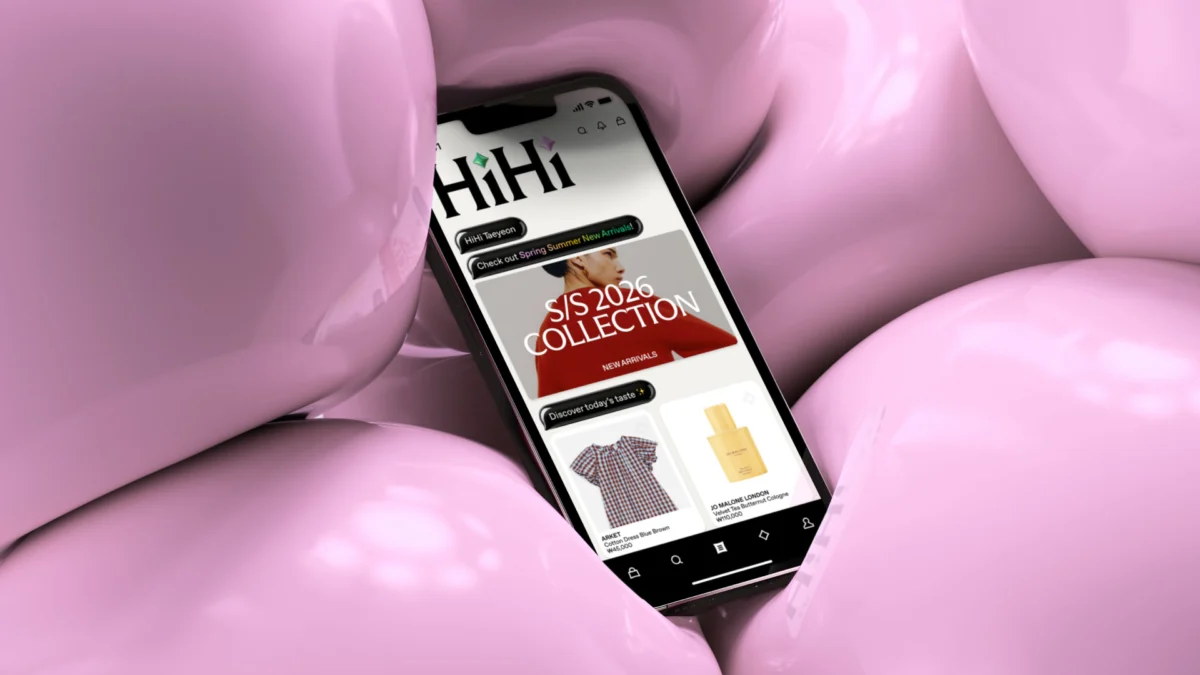
In an era where traditional brick-and-mortar retail faces the dual pressures of hyper-efficient e-commerce giants and the rise of generative AI, South Korea’s premier luxury retailer, The Hyundai, has unveiled a transformative response. Partnering with the internationally acclaimed creative studio Base Design, the retailer has launched The Hyundai Hi, a digital platform that seeks to transcend the transactional nature of online shopping.
By blending high-end content, cultural engagement, and a sophisticated e-commerce engine, The Hyundai Hi aims to replicate the sensory and serendipitous experience of wandering through a physical luxury department store. Since its debut, the platform has seen meteoric growth, signaling a potential blueprint for the survival and evolution of luxury retail in the 21st century.
Main Facts: A Digital Extension of Premium Hospitality
The Hyundai Hi is not merely a mobile application or a localized website; it is positioned by its creators as "The Hyundai in your pocket." Developed in collaboration with Base Design, the platform represents a fundamental departure from the "search-and-buy" model that has dominated the digital landscape for two decades.
A New Strategic Pillar
Rather than focusing on price comparisons and logistics, The Hyundai Hi is built on three core pillars: discovery, participation, and entertainment. The platform’s slogan, "HiHi," reflects a welcoming, social-first approach to luxury. It integrates more than 3,000 brands, ranging from global powerhouses like Valentino to niche streetwear labels like Aape and gourmet food purveyors such as La Grande Épicerie de Paris.
The Creative Partnership
Base Design, a studio known for its work with luxury brands and cultural institutions, was granted a broad mandate that covered every facet of the platform’s existence. This included:
Naming and Brand Strategy: Crafting the "Hi" identity to feel accessible yet premium.
Visual Identity and Art Direction: Developing a semi-3D, "glossy" aesthetic that mirrors the tactile nature of luxury goods.
UI/UX Design: Creating an immersive "shop-in-shop" ecosystem that encourages exploration rather than linear navigation.
Chronology: From Physical Landmark to Digital Frontier
To understand the launch of The Hyundai Hi, one must look back at the retailer’s recent history of disruption. In 2021, The Hyundai Seoul opened its doors, instantly becoming a global benchmark for "retail therapy." It prioritized open green spaces, art installations, and social hubs over traditional shelf density.
2021: Setting the Visual Standard
Base Design partner Min Lew led the original creation of The Hyundai’s brand identity in 2021. This established a visual language of "premium hospitality" that helped the physical store become a cultural destination for Millennials and Gen Z in Seoul.
2023–2024: The Digital Transition
Recognizing that the "magic" of the physical store was getting lost in the utilitarian nature of their existing digital presence, The Hyundai tasked Base Design with a new challenge: "Rethink e-commerce from the ground up." The goal was to translate the "serendipity of wandering" into a digital format.
The Launch Phase
Following months of development, The Hyundai Hi was launched with an integrated campaign featuring "Icons"—cultural tastemakers who act as the platform’s curators. Within the first nine weeks of its rollout, the platform experienced a staggering 326% increase in traffic, reaching 9.6 million visitors and capturing nearly half a million new members.
Supporting Data: Architecture of the "Gems" Ecosystem
The success of The Hyundai Hi is rooted in its technical and psychological architecture. Base Design moved away from the grid-like layouts of traditional marketplaces to create a more fluid, engagement-led environment.
The "Gems" Mechanic
At the heart of the user experience is a feature called "Gems." As users navigate the platform, they are encouraged to collect and curate products into personal collections.
Self-Expression: This mechanic turns shopping into a creative act, similar to mood-boarding on Pinterest or Instagram.
Data Personalization: While the user enjoys the act of curation, an integrated data system analyzes these "Gems" to surface increasingly personalized recommendations that feel intuitive rather than algorithmic.
Visual and Interface Innovation
The UI/UX reflects this concept through "gem-like" forms embedded in the wordmark and interface. The use of vibrant color palettes and semi-3D treatments provides a "tactile" digital experience. This visual language is designed to combat "scroll fatigue" by providing constant visual stimulation and a sense of luxury "gloss."
Content as Commerce
The Hyundai Hi treats content with the same gravity as inventory. The platform features:
Original Programming: A survival competition show for stylists titled Kill It, designed to drive engagement and highlight the retailer’s fashion authority.
Me Space: A dedicated community hub where users share their own content, transforming customers into brand ambassadors.
Editorial Collaborations: High-fashion storytelling that contextualizes products within broader cultural trends.
Official Responses: Defining the Role of the Department Store
Leadership at both Base Design and The Hyundai view this platform as a defensive and offensive "moat" against the commoditization of retail.
Min Lew, Partner at Base Design, emphasized the existential nature of the project:
"Department stores everywhere are asking the same question: What is our role in a world where e-commerce and AI are rewriting the rules? With The Hyundai Hi, we helped The Hyundai translate its signature experience—premium hospitality and discovery—into an engagement-led digital platform built for how people consume time, content, and products now."
Mirek Nisenbaum, Partner and Digital Director at Base Design, highlighted the shift in the digital blueprint:
"The brief from The Hyundai was to rethink e-commerce from the ground up. The Hyundai Hi is a blueprint for how department stores can extend their moat in a future where traditional e-commerce is being fundamentally redefined."
The consensus from the creative team is that the value of a department store in the digital age is no longer just "access" to goods—since Amazon and Alibaba provide that—but rather the "filtering" and "presentation" of those goods through a cultural lens.
Implications: The Future of Experience-Led E-commerce
The early performance metrics of The Hyundai Hi—9.6 million visitors in two months—suggest that there is a significant appetite for "slow" or "exploratory" digital retail. This has several long-term implications for the global luxury industry.
1. The Decline of "Search"
As AI becomes better at finding specific items for the lowest price, luxury retailers must provide a reason for customers to visit their platforms without a specific product in mind. The Hyundai Hi suggests that "discovery-based" shopping is the only way to maintain high margins and brand loyalty in a post-search world.
2. Retailers as Media Houses
The production of original shows like Kill It indicates that the line between a retailer and a media company is blurring. To capture "mindshare," retailers must compete not just with other stores, but with TikTok, Netflix, and Instagram. The Hyundai Hi’s integration of community and original content positions it as a lifestyle destination rather than a utility.
3. The "Phygital" Synergy
The platform serves as a bridge to the physical store. By allowing users to follow "Icons" and participate in "Me Space" communities, The Hyundai creates a digital loop that encourages users to visit physical locations for events, exclusive launches, and the "hospitality" that the brand is known for.
4. Data-Driven Humanization
The use of "Gems" to feed personalization algorithms represents a more "human" way to collect data. Instead of tracking clicks through a sterile funnel, the platform tracks "acts of self-expression." This leads to a more sophisticated understanding of the consumer’s aesthetic preferences, allowing for a level of service that mimics a high-end personal shopper.
Conclusion
The Hyundai Hi represents a bold bet on the idea that luxury is defined by the quality of the experience, not the convenience of the transaction. By prioritizing culture and serendipity over speed and price, The Hyundai and Base Design have created a digital ecosystem that feels less like a store and more like a community. For the global retail industry, the message is clear: to survive the digital age, the department store must stop being a warehouse and start being a curator of time.
NEW YORK — As the global art market continues to grapple with the intersections of digital reproduction, commercial saturation, and the search for authentic expression, GR Gallery is set to host a lan
The global animation landscape has long looked to specific "tentpole" festivals to signal the next generation of Academy Award contenders and industry leaders. In 2026, the spotlight shone b
For decades, the story of Britain has been told through the lens of its monarchs, its wars, and its industrial triumphs. Yet, a parallel history has always existed in the shadows of the high street an