The Architecture of Rebellion: London Welcomes the World’s First Permanent Museum of Youth Culture
For decades, the story of Britain has been told through the lens of its monarchs, its wars, and its industrial triumphs. Yet, a parallel history has always existed in the shadows of the high street and the sweat-soaked basements of inner-city clubs—a history of rebellion, fashion, and the restless energy of the young. On June 20, that narrative finally finds a permanent home.
The Museum of Youth Culture (MOYC) is set to open its doors in Camden, North London, marking a watershed moment for the preservation of social history. Occupying a bespoke 6,500-square-foot space in St Pancras Place, the institution is the first of its kind globally: a museum dedicated entirely to the styles, sounds, and social movements of young people. Far from a static repository of the past, the MOYC aims to be a living archive, tracing the lineage of British identity from the Teddy Boys of the 1950s to the Grime artists of the 2020s.
Main Facts: A Permanent Sanctuary for Subculture
The opening of the Museum of Youth Culture represents the culmination of nearly thirty years of grassroots archiving. Located in Camden—an area synonymous with the birth of punk and the evolution of Britpop—the museum serves as a physical manifestation of the British teenage experience.

The collection is vast and primarily crowdsourced, featuring over 150,000 items that range from iconic photography to ephemeral artifacts like rave flyers and hand-drawn doodles. The space has been designed not just to display history, but to evoke the atmosphere of youth itself. It features a ground-floor café and gallery that mirrors the aesthetics of a community youth club, complete with a Rough Trade record concession and a custom foosball table where the players represent 26 distinct subcultures, from Goths to New Romantics.
The museum’s mission is twofold: to celebrate the influence of young people on modern society and to foster intergenerational dialogue. By showcasing the commonalities between a Mod in the 60s and a Skater in the 90s, the MOYC seeks to bridge the gap between "then" and "now," proving that while the fashions change, the impulse to create and rebel remains constant.
Chronology: From Grassroots Archive to National Institution
The journey to the Camden opening began in 1997, a year when the UK was at the height of "Cool Britannia." Founder Jon Swinstead recognized that the ephemera of youth culture—the flyers kept in shoeboxes and the photographs stored in attics—were at risk of being lost forever. He began a mission to collect these stories before they disappeared into the void of history.

For the first fifteen years, the project existed as a dedicated but largely underground archive. The turning point came in 2012 when Jamie Brett joined the organization. Under Brett’s creative direction, the project transitioned from a private collection into a nationally recognized cultural movement. The duo spent the next decade hosting pop-up exhibitions, educational workshops, and digital campaigns, slowly building the case for a permanent physical space.
Throughout the 2010s, the MOYC gained momentum through its "Grown Up in Britain" campaign, which invited the public to submit their own memories. This democratized approach to history-making allowed the museum to bypass the traditional gatekeepers of high culture. By 2024, the project had secured its first permanent home in St Pancras Place, Camden, signaling its entry into the upper echelon of British cultural institutions.
Supporting Data: The Anatomy of the Collection
The MOYC is structured to provide a multi-sensory experience, moving beyond the "look but don’t touch" philosophy of traditional museums. The 6,500-square-foot space is divided into four primary gallery areas, each serving a specific function in the narrative of youth.

The Photographic Archive
The heart of the museum is its photographic collection. Notable works include:
- Neil Massey’s 2001 portraits: Capturing the dark, theatrical world of Marilyn Manson fans at the London Arena.
- Darren Regnier’s 1990s chronicles: Documenting the rise of the UK Garage scene at legendary nights like "Twice As Nice."
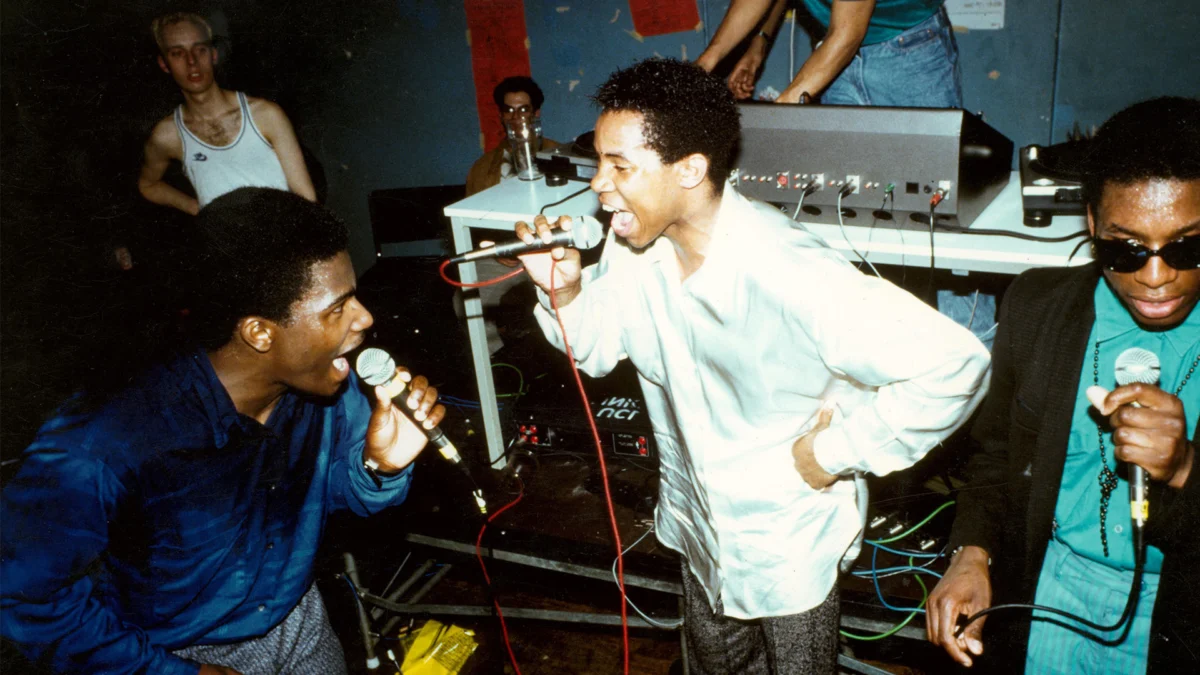
- Normski’s 1980s hip-hop photography: Featuring seminal groups like the Demon Boyz, capturing the birth of British rap.
- Peter Anderson’s subculture studies: Striking images of skinhead and mod girls from the 1980s, highlighting the often-overlooked role of young women in these movements.
Immersive Installations
The museum leverages technology and art to create an "immersive listening environment." A centerpiece of the main gallery is a custom-built sound system developed by Linett Kamala, the artist and chair of the Notting Hill Carnival. Created in collaboration with high-end audio brand Monitor Audio, the system pays homage to the "sound system culture" that has been the heartbeat of London’s Caribbean communities for generations.
The Interactive Narrative
The installation titled ‘Things I lied to my parents about’ serves as a focal point for visitor engagement. It invites people of all ages to contribute their own tales of teenage defiance, creating a communal tapestry of shared experience. This is supported by an industrial ventilation unit transformed into a piece of art by illustrator Mark Wigan, covered in neon-colored doodles that evoke the DIY spirit of 80s and 90s club culture.

Official Responses: Preserving the People’s History
The leadership of the MOYC views the museum as a corrective to the way history is usually taught. Speaking on the importance of the permanent space, founder Jon Swinstead emphasized the fragility of youth culture.
"Everything in this museum exists because people cared enough to save it," Swinstead remarked. "Flyers kept in drawers, photos stored on hard drives, stories shared before they disappeared. We’ve poured years into protecting this culture because it belongs to the people who built it."
Creative Director Jamie Brett echoed this sentiment, highlighting the social necessity of the institution. "Now more than ever, we all need a physical space to come together and celebrate our collective national story," Brett stated. He noted that the museum is not just for those looking back with nostalgia, but for the young people of today who are currently shaping the next wave of British culture. To ensure this, one of the museum’s four galleries was co-designed with local youth, ensuring that contemporary perspectives on identity and activism are given equal weight alongside historical material.

Implications: The Future of Cultural Democracy
The opening of the Museum of Youth Culture in Camden is more than just a new tourist attraction; it is a significant shift in how we value social history. By elevating the "school disco" and the "bad haircut" to the same status as the "Great Reform Act," the MOYC challenges the hierarchy of what is considered "important" history.
The Democratization of the Archive
The MOYC’s reliance on crowdsourced material—the "Grown Up in Britain" campaign—suggests a new model for museums in the 21st century. It moves the museum from being a "temple of experts" to a "forum for the community." This approach ensures that the history of Britain is told by the many, not the few, reflecting a more diverse and authentic version of the national identity.
Economic and Geographic Expansion
The Camden site is only the beginning. The MOYC has already announced an ambitious roadmap for expansion, with new venues scheduled to launch in Birmingham in 2027 and Glasgow in 2029. This regional strategy acknowledges that youth culture is not solely a London-centric phenomenon; the Northern Soul of Wigan, the Madchester scene, and the heavy metal of the Black Country are equally vital threads in the British cultural fabric.

Educational and Social Impact
Beyond its exhibits, the MOYC will function as an educational hub. Through a regular program of talks, workshops, and school initiatives, the museum aims to empower young people to document their own lives. In an era dominated by fleeting digital interactions, the museum provides a tangible connection to the past, offering current generations a sense of belonging and a reminder that their voices have the power to shape the future.
As visitors walk through the Camden space, they are met with the sights and sounds of their own formative years. Whether it is the smell of fresh paint or the thumping bass of a vintage sound system, the museum succeeds in making the past feel visceral. It serves as a reminder that while youth is fleeting, its impact on the world is permanent. The Museum of Youth Culture is not just a collection of objects; it is a testament to the enduring power of the young to dream, to dance, and to defy.