The Art and Craft of Serial Storytelling: A Writer’s Journey Through the Abi Wunder Trilogy
Linda Wilson, a seasoned author with a passion for captivating young readers, offers a compelling glimpse into the intricate process of crafting a book series. Her latest endeavor, the Abi Wunder Ghost/Mystery trilogy, serves as a practical case study for aspiring and established writers alike, highlighting the strategic decisions and creative considerations involved in weaving a cohesive narrative across multiple installments. Wilson’s insights, shared through her blog and personal experiences, underscore the enduring appeal of serial storytelling and the unique challenges it presents.
The Genesis of a Series: Beyond the Standalone Novel
The decision to transform a single story idea into a multi-part series is a significant one, often driven by the inherent potential of the characters, plot, or world-building. As Wilson aptly points out, the concept of "book idea size" can range from expansive, multi-generational sagas like Laura Ingalls Wilder’s "Little House" series to the character-driven evolution seen in Nancy Drew mysteries. Nonfiction also benefits from serial treatment, with educational series like "The Magic School Bus" or the "Body Works" collections demonstrating how a central theme can blossom into diverse explorations.
Wilson elaborates on the fundamental appeal of series: they offer readers a promise of continued engagement. This commitment extends beyond the final page of a single book, inviting readers to embark on further adventures, delve into new worlds, and become intimately familiar with the lives of beloved characters. This sentiment is echoed by author Thomas Helm, quoted in Karen S. Wiesner’s "Writing the Fiction Series: The Complete Guide for Novels and Novellas," who suggests that the "dread of the end" experienced by both author and reader is a testament to a good novel, and a prime indicator for expansion into a series.
Wilson’s blog series, dedicated to her Abi Wunder trilogy, aims to distill the lessons learned from her own journey in writing and publishing a chapter-book trilogy. This three-month exploration promises to offer practical advice for those contemplating a similar undertaking.
Deconstructing the "Why": Motivations for Serial Expansion
While the provided text doesn’t explicitly list the reasons for Wilson’s decision to turn a stand-alone book into a series, the context of her writing and the general principles of serial storytelling allow for an informed exploration of potential motivations. These often include:
- Unforeseen Character Depth: A protagonist might reveal more layers and potential for development than initially anticipated. Their personality, motivations, or backstory could organically lend themselves to further exploration.
- Expanding World-Building: The fictional universe created for a single story might possess untapped potential. New locations, cultures, or historical elements could be introduced and explored in subsequent books.
- Intriguing Plot Threads: A narrative might leave certain questions unanswered or introduce subplots that beg for resolution in a later installment. These "loose ends" can serve as fertile ground for future storytelling.
- Audience Demand and Engagement: If a particular character or story resonates strongly with early readers, authors may feel compelled to provide more content that caters to that interest.
- Creative Synergy: Sometimes, the act of writing one story sparks a cascade of new ideas that are too substantial to be contained within a single volume. The creative energy itself can fuel the desire to continue.
- Commercial Viability: In the publishing world, successful series can offer a more consistent revenue stream for authors and publishers due to established readership and brand recognition.
Wilson’s Abi Wunder trilogy, focusing on ghost/mystery stories for 7-to-10-year-olds, likely benefited from a combination of these factors. The genre itself, with its inherent suspense and potential for recurring themes, is well-suited for serial development.

Crafting the Connected Narrative: Threads of Continuity
A hallmark of a successful series lies in its ability to create a sense of continuity and connection between individual installments. This is achieved through various narrative devices that bind the books together, creating a cohesive whole. Wilson emphasizes this point by highlighting the "connecting threads that run through them, culminating in the last book."
These threads can manifest in several ways:
- Recurring Characters: The most obvious form of continuity involves the reappearance of beloved characters. This can include the main protagonist(s), supporting characters, or even antagonists who continue to pose a threat or challenge. In Wilson’s Abi Wunder series, the titular character, Abi Wunder, would undoubtedly be the central recurring figure, driving the narrative across each book.
- Overarching Plotlines: Beyond episodic adventures, a series can feature a larger, overarching plot that unfolds gradually. This could involve a long-term mystery to solve, a prophecy to fulfill, or a conflict that escalates across multiple books. The "secrets" hinted at in the titles of Wilson’s books suggest such overarching mysteries.
- Thematic Resonance: Series can explore recurring themes that are central to the author’s message or the story’s purpose. These themes can be revisited and examined from different angles in each installment, adding depth and complexity. For a ghost/mystery trilogy, themes of courage, friendship, overcoming fear, or the nature of the supernatural could be explored.
- World-Building Consistency: Maintaining a consistent and believable fictional world is crucial. Details about the setting, its rules, its history, and its inhabitants must remain consistent across all books in the series.
- Character Development Arcs: While individual books might offer self-contained character arcs, a series allows for more profound and sustained character development. Protagonists can grow, learn, and evolve significantly over the course of their multi-book journey.
Wilson’s acknowledgment that her current challenge is "giving meaning to these threads and giving the book a satisfying ending" underscores the meticulous planning required to ensure these connections are not merely superficial but contribute meaningfully to the overall narrative arc.
The Abi Wunder Trilogy: A Case Study in Action
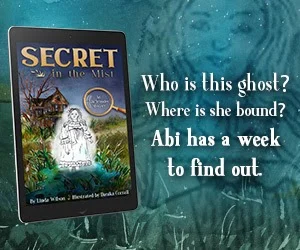
Wilson’s Abi Wunder trilogy exemplifies these principles in practice. The first two books, Secret in the Stars and Secret in the Mist, are already available, with Secrets of the Heart in the works. The fact that these books are aimed at 7-to-10-year-olds suggests a focus on age-appropriate mysteries, perhaps with a touch of the supernatural that appeals to this demographic. The inclusion of illustrators for each book (Tiffany Tutti and Danika Corrall) highlights the collaborative nature of children’s literature and the importance of visual storytelling.
The availability of the books on Amazon indicates Wilson’s engagement with the digital marketplace, a crucial aspect of modern publishing. The mention of cover art and formatting by "100 Covers" further points to the professional infrastructure supporting her work.
The upcoming release of Secrets of the Heart signifies the culmination of this particular narrative arc. Wilson’s stated goal of "giving meaning to these threads" suggests a deliberate effort to tie up loose ends, resolve the central mysteries, and provide a sense of closure for her young readers. This final installment will likely serve as the grand finale, where the cumulative impact of the previous books is fully realized.

Looking Ahead: The Future of Serial Storytelling and Authorial Intent
Wilson’s commitment to sharing her insights through her blog series, with the next installment titled "Tips on How to Start a Series," Part II, demonstrates a dedication to educating and empowering other writers. This pedagogical approach is invaluable, especially in a field where practical experience often outweighs theoretical knowledge.
The additional information about Wilson’s other recent releases – the award-winning Spanish versions of Tall Boots (Botas Altas) and Cradle in the Wild (Cuna en la Naturaleza), as well as upcoming bilingual picture book The Pur-r-rfect Costume and middle-grade book A Home Run Friendship – paints a picture of a prolific and versatile author. Her engagement with bilingual works and diverse age groups showcases a broad understanding of the literary landscape and a commitment to reaching a wide audience.
The photograph of Wilson with her "trusty writing buddies" adds a personal touch, reminding readers that behind every published work is a dedicated individual navigating the creative process. The image of Alamo Canyon also suggests a connection to a specific place that may inform her storytelling.
The Enduring Power of Series
In conclusion, Linda Wilson’s exploration of her Abi Wunder trilogy provides a valuable window into the multifaceted world of serial storytelling. From the initial decision to expand a narrative to the intricate weaving of connecting threads and the ultimate goal of a satisfying conclusion, the process is a testament to the author’s craft and strategic vision. As Wilson continues to share her expertise, aspiring writers can glean crucial insights into the art and business of creating engaging, multi-part literary experiences that captivate readers and leave a lasting impression. The success of her Abi Wunder series, and indeed any successful book series, lies in its ability to foster a deep connection with the reader, inviting them back time and again for more adventures, more discoveries, and more of the worlds they have come to love.