From Physical Craft to Digital Serenity: A Deep Dive into the World of ‘Book Nook’

The intersection of hobbyist crafting and digital entertainment has birthed a new sub-genre within the indie gaming landscape: the "cozy assembly" puzzler. At the forefront of this movement is Book Nook, the latest project from Malapata Studio, the developers behind the critically acclaimed Camper Van: Make it Home. Revealed and demoed during the high-octane environment of Gamescom, Book Nook offers a stark, meditative contrast to the industry’s typical focus on high-speed action and complex narratives.
By translating the tactile, meticulous hobby of building miniature shelf dioramas into a digital format, Malapata Studio is tapping into a specific cultural zeitgeist. This article explores the game’s mechanics, its development trajectory, and its position within the burgeoning "cozy gaming" market.
I. Main Facts: The Digital Transformation of a Miniature Craft
At its core, Book Nook is a 3D puzzle game that tasks players with assembling intricate miniature scenes designed to sit between books on a virtual shelf. These dioramas, known in the real world as "book nooks," have seen a massive surge in popularity over the last five years, fueled by social media platforms like TikTok and Pinterest. The game aims to replicate the satisfaction of this physical craft without the need for glue, tweezers, or expensive physical kits.
Core Gameplay Mechanics
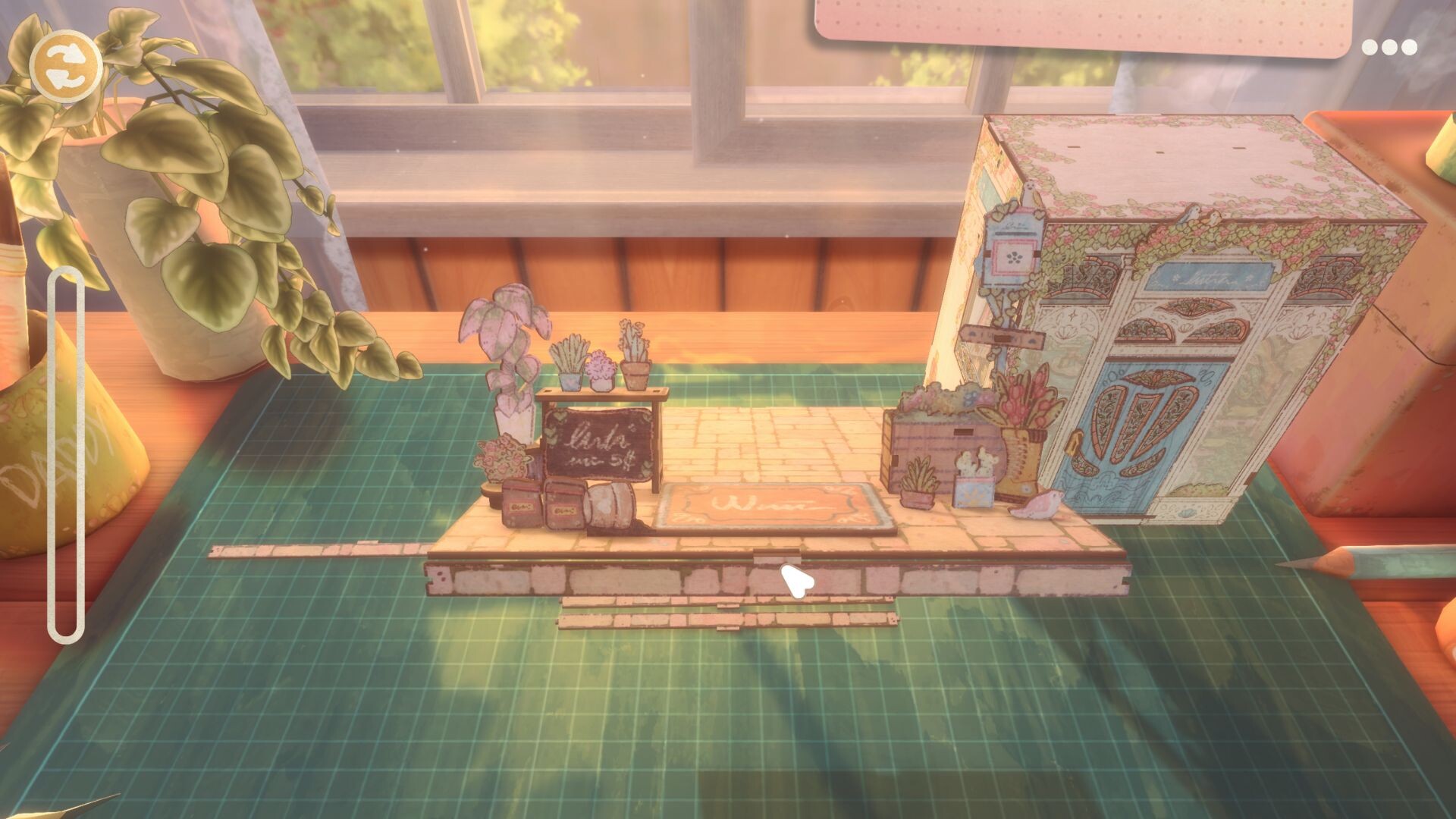
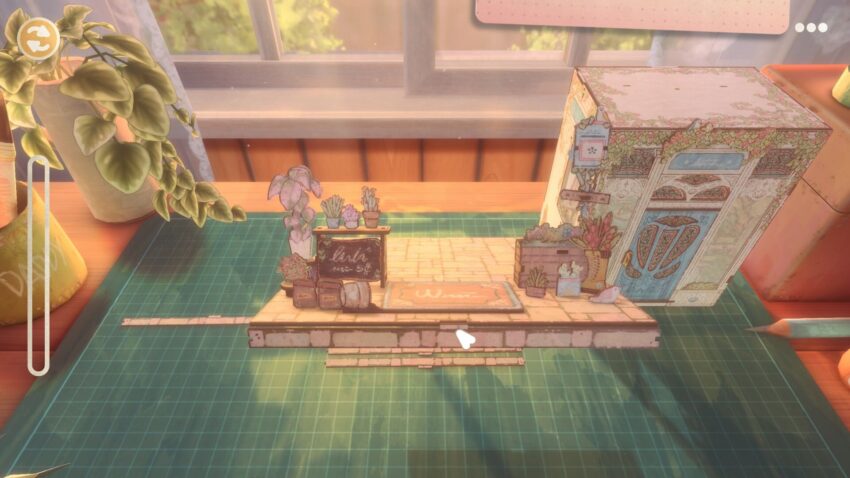
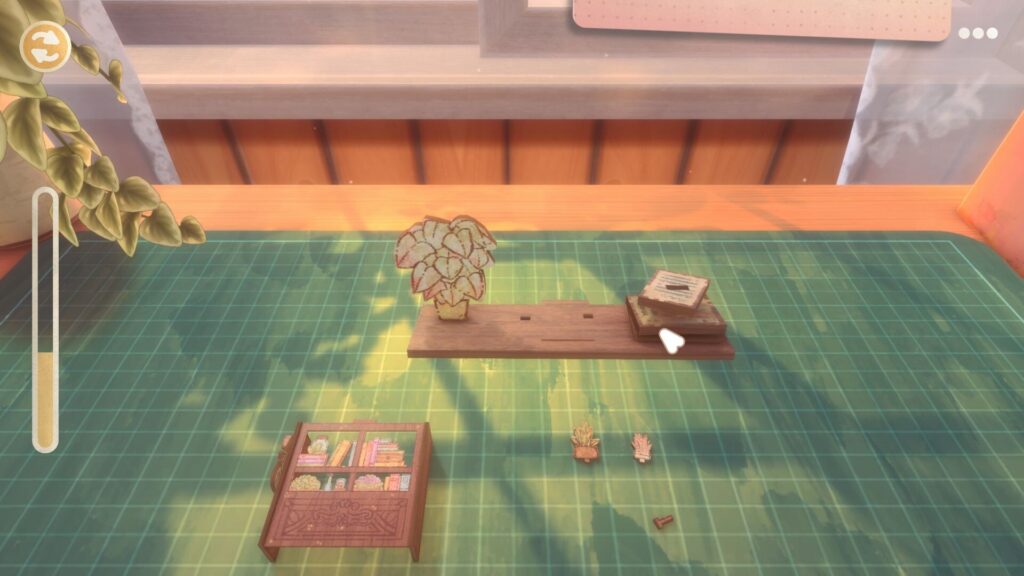
The gameplay loop of Book Nook is deceptively simple: players are presented with a series of components—ranging from structural walls and flooring to tiny furniture, books, and decorative flora. These pieces must be oriented and placed within the frame of the diorama.
A key feature of the game is its "snapping" mechanic. When a piece is brought close to its intended location, it clicks into place with a satisfying tactile response. However, the game allows for a degree of creative freedom. Many items have multiple valid placement points, allowing players to customize the final look of their miniature world.
Aesthetic and Art Direction
Unlike many 3D puzzle games that opt for photorealistic textures, Book Nook employs a stunning hand-drawn art style. This choice bridges the gap between a digital product and a physical craft. The illustrations are warm and detailed, utilizing a soft color palette that reinforces the "cozy" atmosphere. Once a diorama is completed, the scene "comes to life" with subtle animations and the introduction of characters, transforming a static model into a living vignette.
II. Chronology: From Camper Vans to Miniature Worlds
The journey of Book Nook is inextricably linked to the evolution of its developer, Malapata Studio. Based in Spain, the studio first gained international attention with Camper Van: Make it Home, a game centered on the "van life" phenomenon, focusing on organization and interior decoration.
The Success of ‘Camper Van’
Camper Van: Make it Home successfully leveraged a successful Kickstarter campaign and a growing interest in "zen" games like Unpacking. It established Malapata’s signature style: a focus on personal spaces, organizational satisfaction, and low-stress gameplay. The success of this title provided the foundational capital and community interest necessary to explore more niche crafting hobbies.
The Gamescom Reveal
In late 2024, Malapata Studio brought a playable demo of Book Nook to Gamescom. This was the first time the public and press were able to interact with the assembly mechanics. The demo featured a specific level involving a miniature apartment, which served as a microcosm for the game’s narrative ambitions.
Future Release Timeline
Following the feedback gathered at Gamescom, the studio has entered the final stages of refinement. Book Nook is currently slated for a release in late 2024 or early 2025. The developers are using the remaining months to address technical feedback regarding collision physics and camera controls, ensuring the final experience is as seamless as possible.
III. Supporting Data: The Mechanics of Cozy Design
While the "cozy" genre is often dismissed as simplistic, the design of Book Nook reveals a sophisticated understanding of player psychology and user experience (UX).
The Absence of Pressure
One of the most significant data points regarding Book Nook’s design is the intentional omission of traditional gaming stressors. There are no:
- Timers: Players can take hours on a single diorama if they choose.
- Scoring Systems: There is no "perfect" way to build a nook, removing the fear of failure.
- Lose Conditions: The game acts as a sandbox for assembly, prioritizing the journey over the destination.
Technical Feedback from Gamescom
Analysis of the Gamescom demo highlighted areas where the digital-to-tactile translation requires further polish. Early testers noted that while the snapping mechanic felt "juicy" when it worked, the 3D physics engine occasionally struggled with larger structural pieces.
In some instances, pieces would clip behind the main game board or fail to register a "snap" if the player’s camera angle was too close. These technical hurdles are common in 3D assembly games, where the balance between "guided placement" and "free-form movement" is delicate. Malapata Studio has acknowledged these issues, noting that the "feel" of the assembly is the most critical component of the game’s success.
IV. Official Responses and Developer Vision
Malapata Studio has been vocal about their design philosophy, often interacting with their community via Steam and social media. Their primary goal with Book Nook is to provide a "digital refuge."
On Storytelling Through Objects
In statements regarding the game’s narrative, the developers have emphasized "environmental storytelling." In the Gamescom demo, the completion of the apartment nook triggered a scene where a young couple moved into the space.
"We want the player to feel like they are not just building a box, but creating a moment in time," a spokesperson for the studio noted. "When you finish the puzzle, the reward isn’t just a ‘Level Complete’ screen—it’s seeing the world you built start to breathe."
Addressing the Technical Challenges
Responding to feedback about the camera and snapping issues, the development team stated:
"The transition from 2D art to 3D interaction is our biggest challenge. We are currently refining the collision boxes and the ‘magnetism’ of the pieces to ensure that the player never feels like they are fighting the controls. A cozy game should be effortless."
V. Implications: The Future of Micro-Hobby Gaming
The emergence of Book Nook signifies a broader shift in the indie gaming market. We are seeing the rise of "micro-hobby" games—titles that take a very specific, often niche, real-world hobby and digitize it with high production values.
The Democratization of Craft
Physical book nook kits can cost anywhere from $40 to $150 and require significant physical space and manual dexterity. By offering a digital alternative, Book Nook democratizes the hobby. It allows players who may lack the space, budget, or fine motor skills to enjoy the creative process of miniature assembly. This inclusivity is a hallmark of the modern indie scene.
The Saturated "Cozy" Market
As the "cozy" genre becomes increasingly crowded with farming simulators and town managers, Book Nook represents a pivot toward "activity-based" relaxation. Rather than managing a farm or a shop, the player is simply making. This shift suggests that the next wave of successful indie titles will likely focus on specific tactile experiences—pottery, restoration, or specialized crafting—rather than broad management loops.
Conclusion: A Quiet Contender
Book Nook is not a game designed to break sales records or dominate Twitch streams through high-stakes competition. Instead, it is a game designed for the quiet moments of a Sunday afternoon. Its success will be measured by how well it captures the "flow state" of crafting.
While the Gamescom demo revealed that some technical rough edges remain, the core appeal—the beauty of the art, the charm of the stories, and the inherent satisfaction of putting things in their right place—is undeniable. For those looking to bring a bit of miniature magic to their Steam library, Book Nook is a title to watch as it nears its final assembly.
Availability: Book Nook is currently available for wishlisting on Steam, with a full release expected in the coming months.