The Architecture of an Icon: How One Season 1 Scene Cemented the Daredevil-Kingpin Legacy
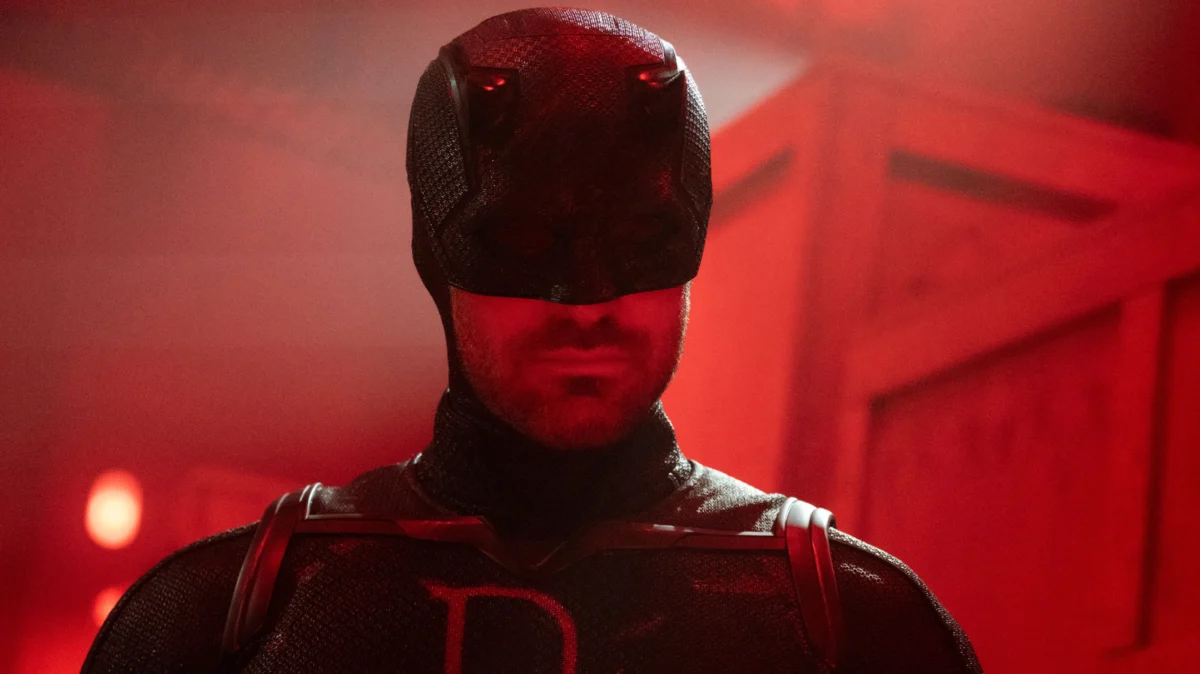
The history of superhero cinema and television is often defined not just by the heroes who wear the masks, but by the adversarial chemistry they share with their villains. In the pantheon of great on-screen rivalries—joining the ranks of Patrick Stewart and Ian McKellen’s X-Men dynamic or Kevin Conroy and Mark Hamill’s definitive Batman/Joker relationship—stands the visceral, deeply human conflict between Charlie Cox’s Matt Murdock and Vincent D’Onofrio’s Wilson Fisk.
As the Marvel Cinematic Universe (MCU) prepares for the highly anticipated revival Daredevil: Born Again, veteran actor Vincent D’Onofrio has reflected on the origins of this partnership. In a recent career retrospective, D’Onofrio identified the specific moment during the production of the first season of the original Netflix series when he realized that Charlie Cox was not just an actor playing a part, but the definitive incarnation of the "Man Without Fear."
Main Facts: The Revelation on the Set of "Condemned"
The professional bond between Cox and D’Onofrio has become one of the most enduring in modern television, spanning three seasons of the original Daredevil series and now extending into the Disney+ era. However, according to D’Onofrio, the realization of Cox’s suitability for the role didn’t happen during a high-stakes fight or a dramatic monologue. It happened during the filming of the Season 1 episode "Condemned."
In a breakdown of his most iconic roles for GQ, D’Onofrio recounted that while he and Cox had met briefly at a dinner hosted by then-Head of Marvel Television Jeph Loeb, they had little time to build a rapport before the cameras began rolling. The narrative of Season 1 was a "slow burn" that kept the hero and the villain apart for several episodes. Their first significant interaction was purely auditory, conducted via walkie-talkies while Matt Murdock was trapped in a derelict building, framed for a series of bombings.
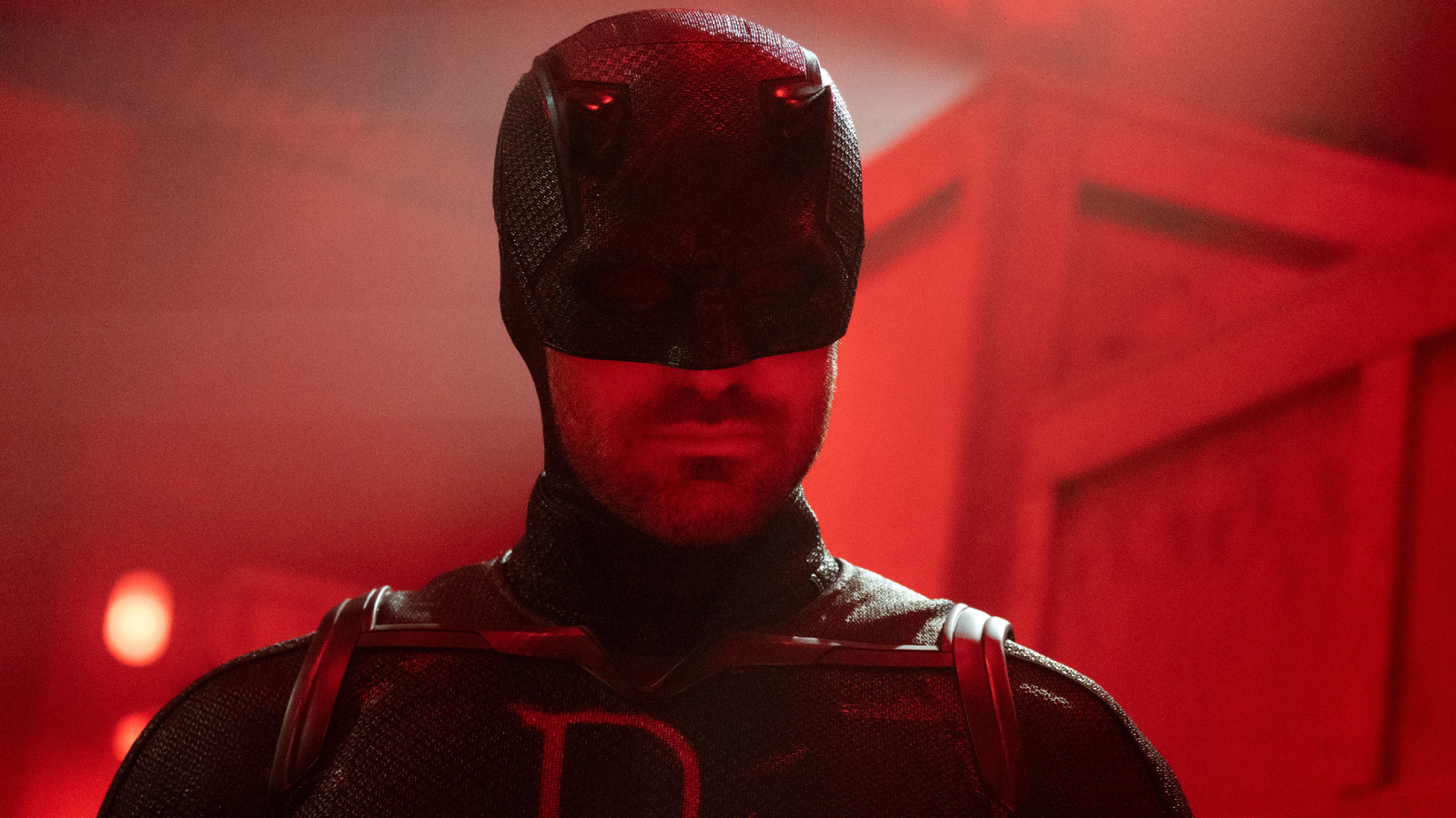
D’Onofrio recalls watching Cox work during this sequence. While the dialogue was sharp, it was Cox’s physical commitment to the space that stunned his co-star. D’Onofrio noted that Cox began leaping onto desks and navigating the office furniture with a fluid, instinctive grace that transcended standard stunt work. "I remember thinking, ‘Oh my god, this guy is actually Daredevil,’" D’Onofrio said. This moment served as the foundation for a partnership that D’Onofrio now describes as a true creative "partnership" where the two actors are almost always in sync regarding the direction of their characters.
Chronology: From Hell’s Kitchen to the MCU Proper
The journey of the Cox-D’Onofrio partnership is a testament to the power of casting and fan advocacy. The timeline of their collaboration reflects the changing landscape of superhero media over the last decade:
2014–2015: The Genesis
After the rights to Daredevil reverted to Marvel from 20th Century Fox, a deal was struck with Netflix to create a grittier, "street-level" corner of the MCU. Charlie Cox was cast as the blind lawyer Matt Murdock, and Vincent D’Onofrio was brought in to provide a complex, vulnerable, yet terrifying take on Wilson Fisk. Their first meeting at the Jeph Loeb dinner set the stage, but the filming of "Condemned" (Episode 6) was the true turning point for D’Onofrio’s confidence in the project.
2015–2018: The Netflix Era
Over three seasons, Daredevil became the flagship of the "Defenders" saga. The rivalry peaked in Season 3, which adapted elements of the "Born Again" comic arc. During this time, the actors developed a shorthand. D’Onofrio noted that their notes on scripts were often identical, demonstrating a shared vision for the show’s grounded tone.
2018–2021: The Dark Years and the Resurrection
In 2018, despite high ratings and critical acclaim, Netflix canceled Daredevil as Disney prepared to launch its own streaming service. This sparked the #SaveDaredevil movement. For three years, the future of these versions of the characters remained in limbo.
2021–Present: The MCU Integration
The partnership was officially "saved" when Charlie Cox made a cameo in Spider-Man: No Way Home (2021) and Vincent D’Onofrio appeared in the Hawkeye series that same year. Since then, they have appeared in Echo and are currently spearheading Daredevil: Born Again, a series that D’Onofrio claims treats the two actors as full creative partners.
Supporting Data: The Grounded Philosophy of Daredevil
The success of Cox’s portrayal—and D’Onofrio’s belief in it—stems from a specific "grounded" philosophy that set Daredevil apart from the broader, more fantastical MCU.
D’Onofrio emphasized that for the show to work, both the hero and the villain had to feel like real people inhabiting a real world. "If we’re both kind of grounded as actors… and we keep the show grounded, and he can do that, and if I’m able to bring in what I want to bring in, this show is going to be good," D’Onofrio explained.
This groundedness is supported by three key pillars:
- Physicality and "Messy" Choreography: Unlike the polished, superhuman movements of the Avengers, Cox’s Daredevil fought with a desperate, exhausting realism. Cox has frequently noted that he wanted the fights to feel "messy." In reality, combatants grapple, miss punches, and tire out. This vulnerability made the "360 flip-kicks" feel earned rather than gratuitous.
- Psychological Complexity: The character of Matt Murdock is defined by a "tormented spirit." As a devout Catholic, Murdock is plagued by guilt, viewing his vigilante life as both a necessity and a sin. Cox has stated that he empathized with this inner conflict, describing Murdock’s relationship with violence as a form of addiction.
- Creative Synergy: D’Onofrio’s revelation that he and Cox "never disagree about anything" regarding their characters is a rarity in high-budget television. This alignment ensures that the protagonist and antagonist are two sides of the same coin, providing a narrative cohesion that resonates with audiences.
Official Responses and Actor Insights
Both actors have been vocal about their mutual respect. While D’Onofrio’s recent comments highlight Cox’s physical embodiment of the role, Cox has similarly praised D’Onofrio’s ability to bring a "child-like" fragility to the Kingpin, making him more than a one-dimensional brute.
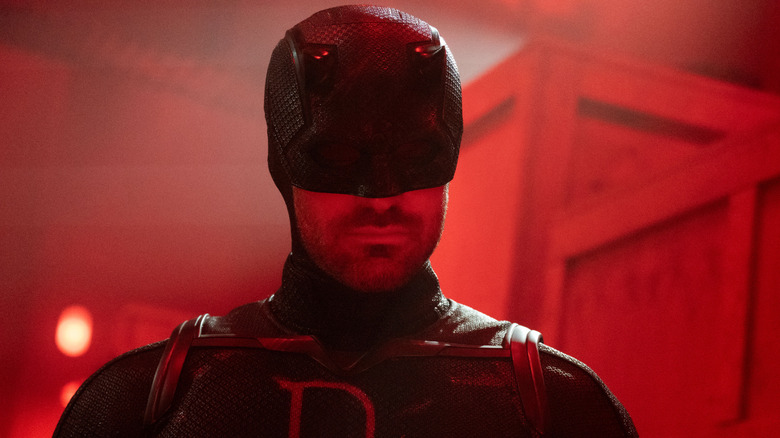
In various interviews, Cox has expressed that he was "all in" on the role because the scripts were "dark and geared to a much more mature audience." This maturity allowed the actors to explore themes of faith, corruption, and the limits of the law.
D’Onofrio’s description of their current work on Daredevil: Born Again suggests that the transition to Marvel Studios hasn’t diluted this chemistry. He notes that they are "real partners on the show," suggesting a level of creative input that goes beyond mere performance. This suggests that the new series will maintain the DNA of the original, focusing on the character-driven drama that D’Onofrio first glimpsed on that office set in Season 1.
Implications: The Future of Street-Level Heroism
The enduring popularity of Cox and D’Onofrio has significant implications for the future of the Marvel Cinematic Universe.
First, it validates the "Marvel Knights" approach to storytelling—the idea that there is a massive appetite for R-rated or TV-MA content within a superhero framework. The success of these characters proved that audiences value psychological depth and physical stakes as much as they do "end-of-the-world" CGI spectacles.
Second, the "Born Again" revival represents a shift in how Disney+ handles its Marvel properties. By bringing back the original leads and acknowledging the "grounded" tone that D’Onofrio championed, Marvel Studios is signaling a return to serialized, character-focused storytelling.
Finally, the Cox/D’Onofrio partnership serves as a blueprint for casting. D’Onofrio’s "epiphany" regarding Cox’s movement on the furniture highlights the importance of an actor’s physical commitment to a role. It wasn’t the costume or the stunts that convinced D’Onofrio; it was the way Cox moved through the world. As the MCU enters a new phase, the lessons learned from the "Condemned" set—that authenticity and creative alignment are the keys to longevity—will likely influence the franchise for years to come.
In the end, Vincent D’Onofrio’s anecdote is more than just a behind-the-scenes trivia point. It is a testament to the moment a television show found its soul. When Charlie Cox leaped onto that desk, he didn’t just impress a co-star; he defined an era of superhero television.