The Architecture of Discomfort: The Unruly 3D Worlds of Ivan Li
In the contemporary landscape of independent animation, where the trend often leans toward "knitting" films—works that are technically proficient, emotionally safe, and aesthetically pleasing—Hong Kong-born Canadian animator Ivan Li emerges as a jarring, necessary disruption. His work does not merely invite the viewer in; it assaults the senses, dragging the audience through a visceral landscape of bodily functions, existential dread, and hyper-saturated 3D chaos.
Li’s filmography represents a sharp departure from the polished, "short and sweet" narratives typically produced by animation students aiming for a desk at Pixar or Disney. Instead, he occupies a space of "restless excess," where the frame is perpetually crowded with malformed bodies, synthetic organisms, and a brand of anthropomorphism that feels more like a fever dream than a fable. By leaning into the "shittiness of existence," Li has carved out a reputation as one of the most polarizing and vital voices in modern Canadian animation.
Main Facts: A New Aesthetic of Confrontation
Ivan Li’s work is often compared to that of the legendary British animator Phil Mulloy, though the similarities end at the thematic level. While Mulloy is a minimalist—using stark, stick-figure drawings to critique religious and political systems—Li is a maximalist. His 3D worlds are fully fleshed out, often to a degree that makes them difficult to process in a single viewing. Every corner of the frame is occupied by movement, often featuring "half-human, half-who-knows-what" figures that blur the lines between humanity, technology, and nature.
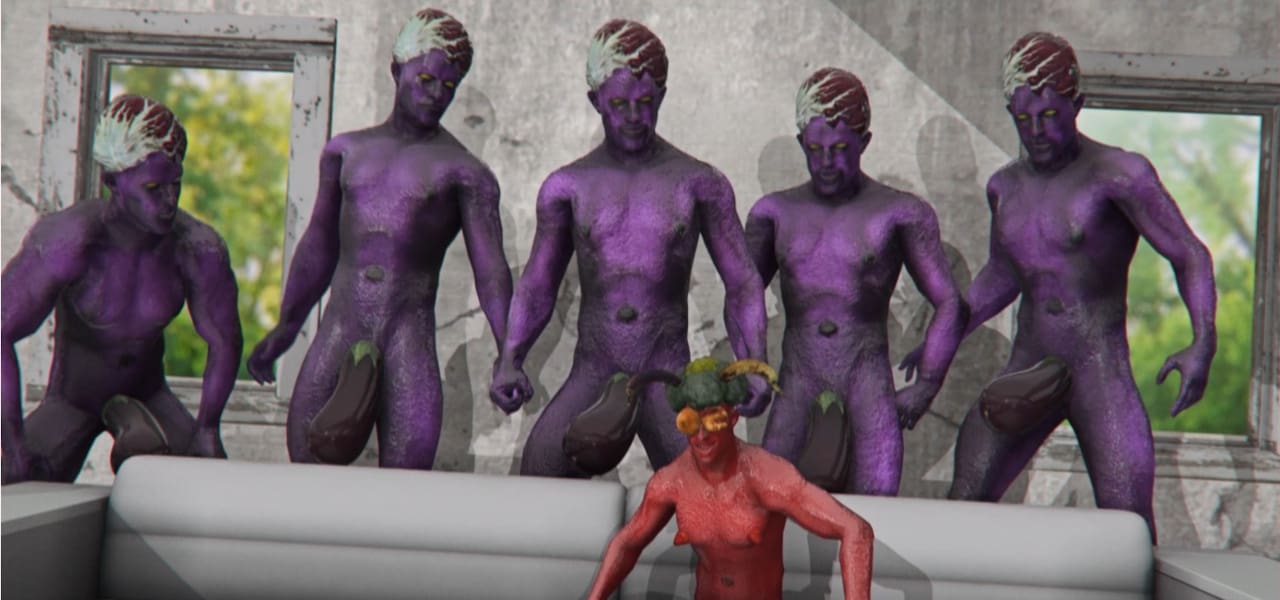
The core of Li’s artistic identity lies in his willingness to embrace what he calls "raw, intrusive thoughts." His films tackle subjects that many avoid: loneliness, sexual shame, failed communication, and physical discomfort. His filmography includes a tragic musical journey of a single sperm, a pansexual orgy of personified fruits, and a disturbing deconstruction of school violence.
Despite the provocative nature of his content, Li’s technical prowess is undeniable. He often employs the "Neil Breen Method," acting as writer, animator, editor, and sound designer. This DIY approach began as a budgetary necessity but evolved into a personal ethos, allowing him to take full responsibility for the "backlash" his work occasionally generates.
Chronology: From Hong Kong Windsurfing to Vancouver’s "Hollywood North"
The Formative Years (2000–2014)
Ivan Li’s origins provide little hint of the transgressive artist he would become. Born and raised in Hong Kong to "standard office worker" parents, Li describes his childhood as remarkably ordinary. Before discovering animation, he spent years training as a competitive windsurfer, a path he eventually abandoned after realizing it wasn’t his calling.
His visual imagination was instead fed by a diet of early-2000s CG animation and Japanese tokusatsu series like Giant Robo and Kamen Rider Agito. He cites Stephen Chow’s Shaolin Soccer and Kung Fu Hustle as pivotal influences on his sense of visual comedy, while Robert Rodriguez’s Spy Kids 3-D: Game Over provided what he calls the "most groundbreaking cinematic experience" of his youth. This eclectic mix of Y2K aesthetics and high-energy Asian cinema laid the groundwork for his current "distorted" style.
The Vancouver Shift (2014–2023)
At age 18, Li moved to Vancouver to attend Emily Carr University of Art + Design. Attracted by the city’s reputation as "Hollywood North," his initial goal was conventional: a stable career in post-production and visual effects (VFX). For a time, he succeeded, securing a role in the industry after graduation.

However, the 2023 labor crisis and structural shifts within the VFX industry rendered that career path less viable. This professional instability, ironically, provided the catalyst for Li to commit fully to independent animation.
The Artistic Pivot (2018–Present)
Li’s early student work, such as Cathedral (2018), attempted to capture a traditional sense of "cinematic beauty." However, after seeing Cecilia Corzo’s The Missing Pig, Li realized his approach was "inauthentic and flat-out pretentious." He decided to abandon his pre-established ideologies and lean into the "ugly." This led to the creation of Finding Uranus (2019) and marked the beginning of his signature style.
Supporting Data: An Analysis of the Li Filmography
Li’s work is best understood through the progression of his major shorts, each pushing the boundaries of what 3D animation can—or should—depict.
Finding Uranus (2019): The Sperm’s Opera
Originally a graduation project, Finding Uranus is an "epic, almost operatic ode to wanking." The film follows a sperm’s tragic journey through a world defined by rejection and self-loathing. Despite its crude premise, the film utilizes high-art influences, with visual nods to Stanley Kubrick and Ingmar Bergman. Its emotional core is anchored by various covers of Radiohead’s "Creep," creating a bizarre juxtaposition between the grotesque and the profoundly melancholy.
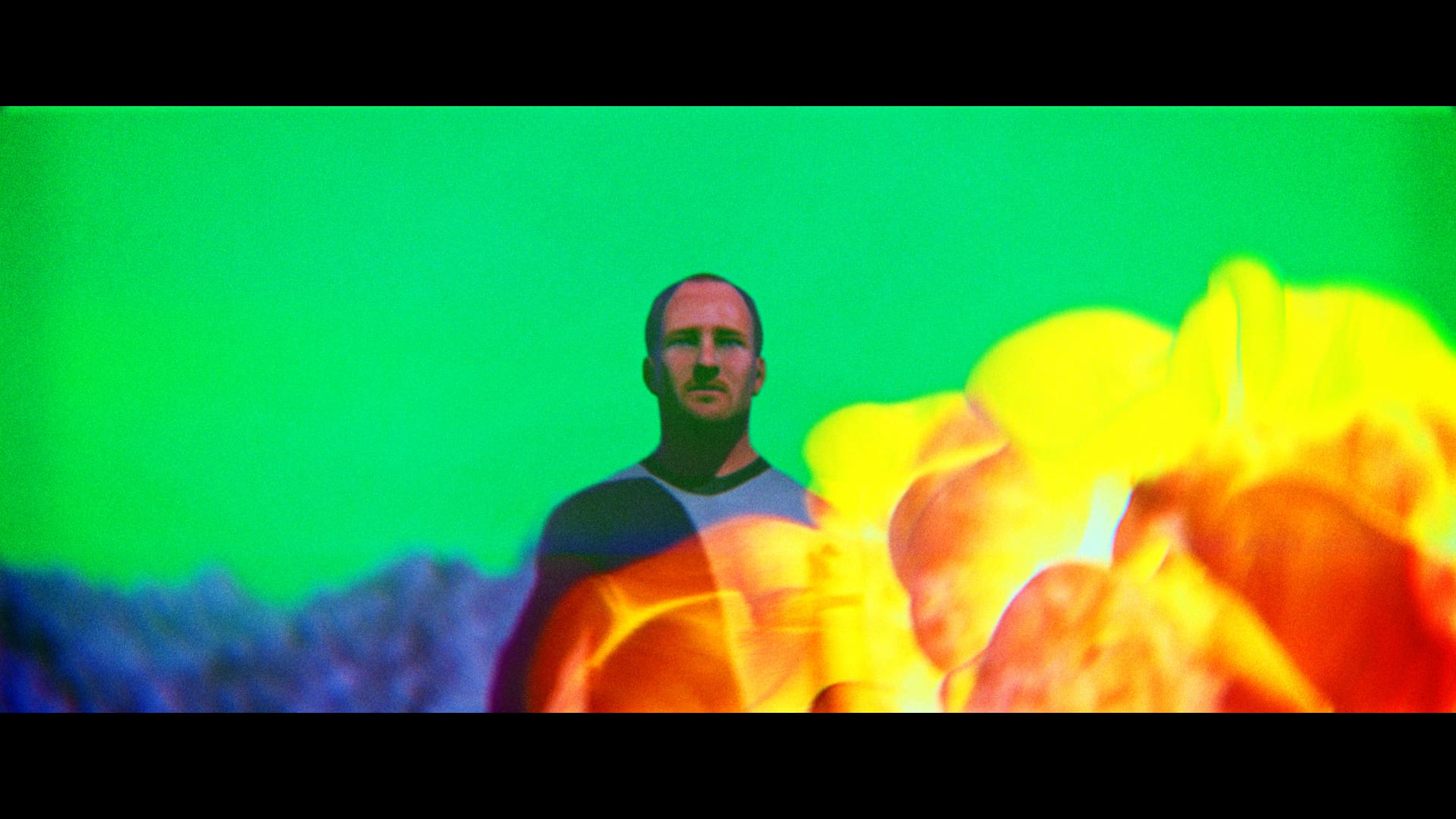
Fruit (2020): The Commercial Orgy
Fruit began as a speculative advertisement for the Naked smoothie brand. Li’s goal was to personify fruit to show the "violent" process of blending. The result was a pansexual orgy and a movie-set bloodbath that served as a parody of both action cinema and consumer advertising. While Vimeo deleted the film for being "too sexually stimulating," it remains Li’s most commercially successful work, having been sold for national television broadcast.
Drizzle in Johnson (2023): Psychoanalytic Horror
In this short, Li attempted to visualize Jacques Lacan’s psychoanalytic essay on the "mirror stage." What began as an academic exercise spiraled into a science-fiction horror noir featuring apelike assistants, penises falling from the sky, and slithering creatures. The film’s selection for the prestigious Annecy Festival provided Li with the professional validation needed to pursue independent animation full-time.
Build (2024): The Aesthetic of the Bully
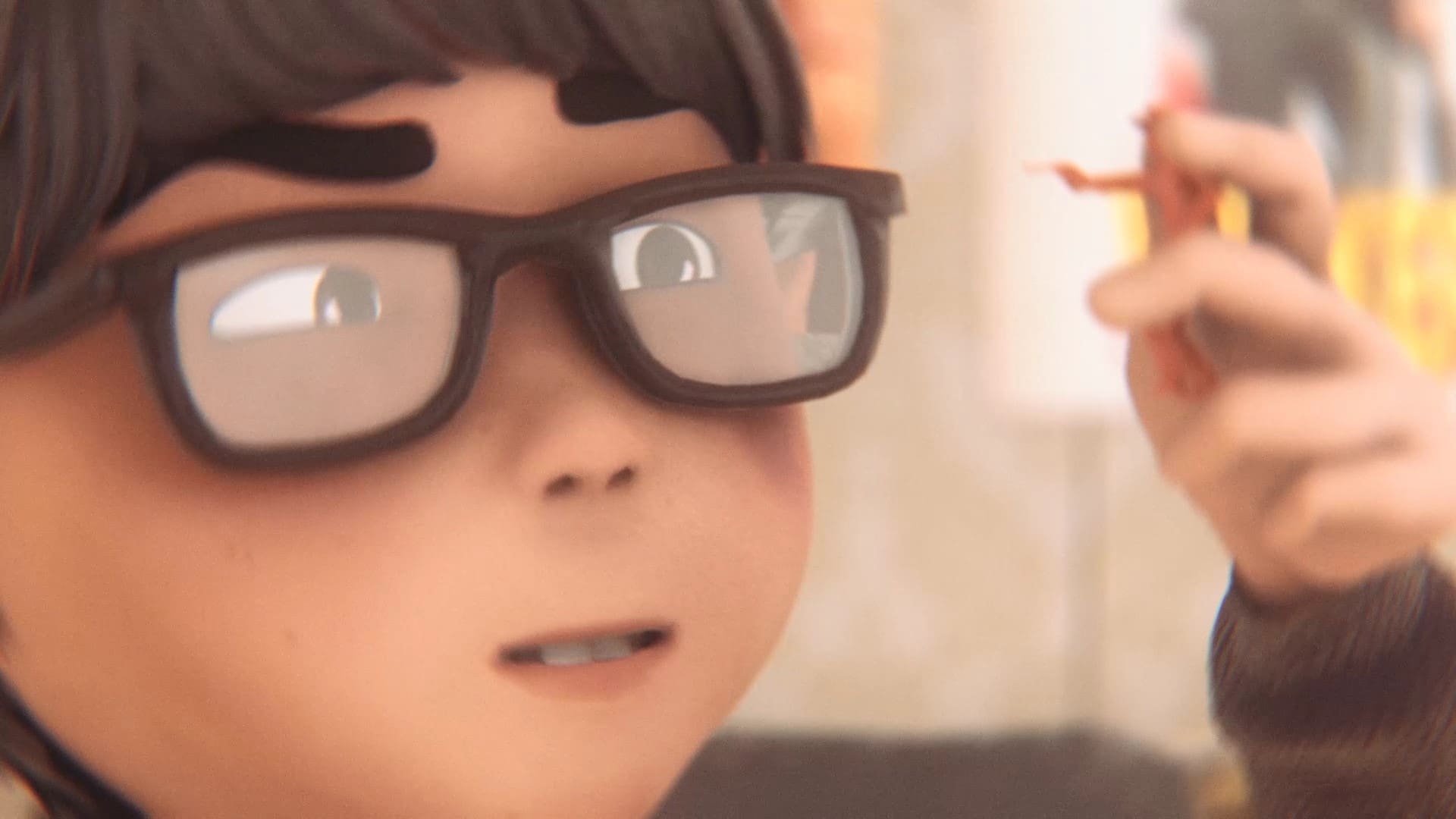
Build is perhaps Li’s most controversial work. Visually, it mimics the "studio-friendly" look of a professional calling card, featuring a nerdy child who 3D-prints cowboys. However, the narrative ends in a violent massacre as the protagonist takes revenge on his bullies. Li uses the "cute" aesthetic to trap the viewer, forcing them to confront the "undeniably evil and tragic" outcome of social isolation and systemic failure.
Official Responses: Public Funding and the "Cronenberg Tradition"
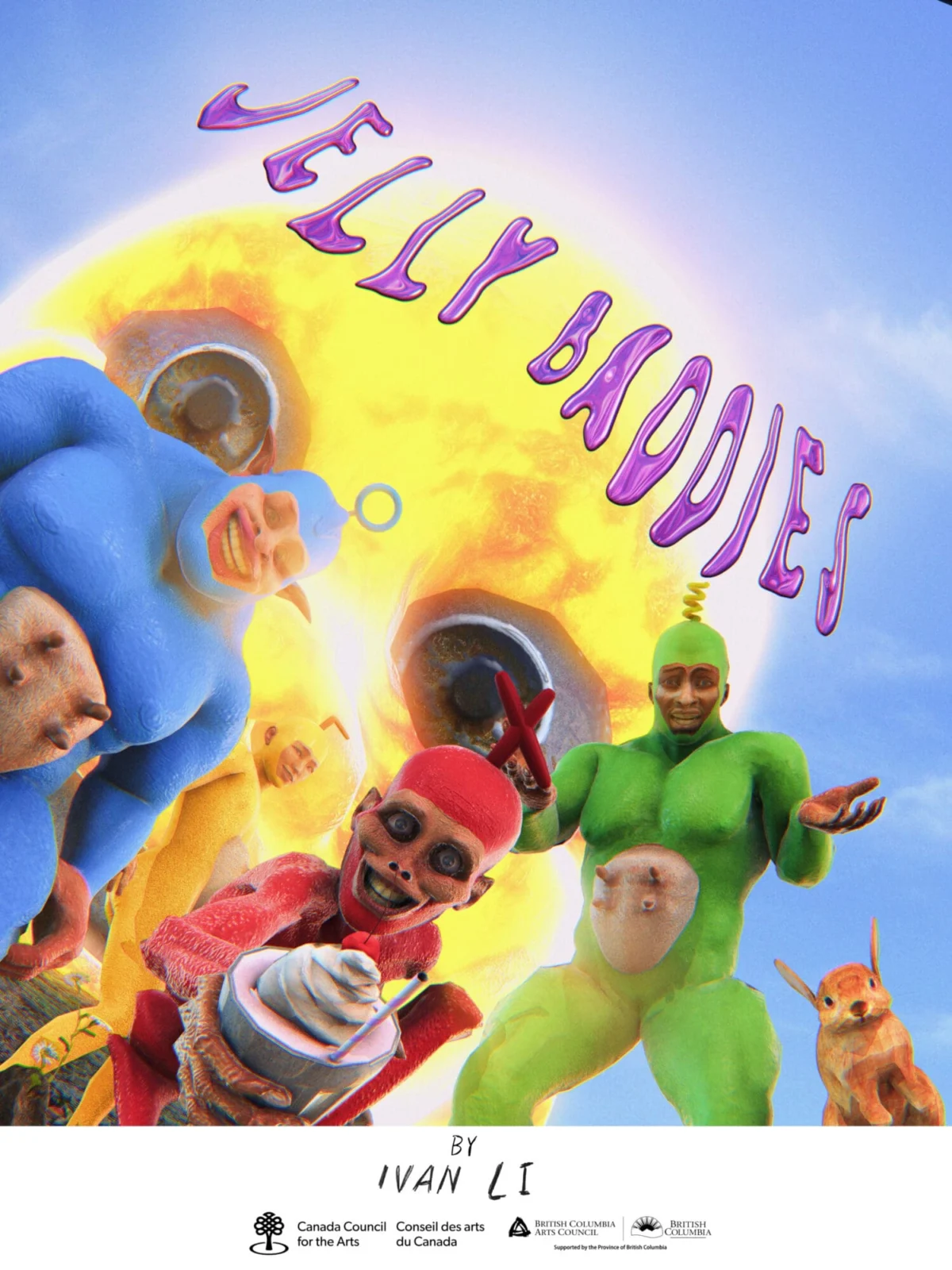
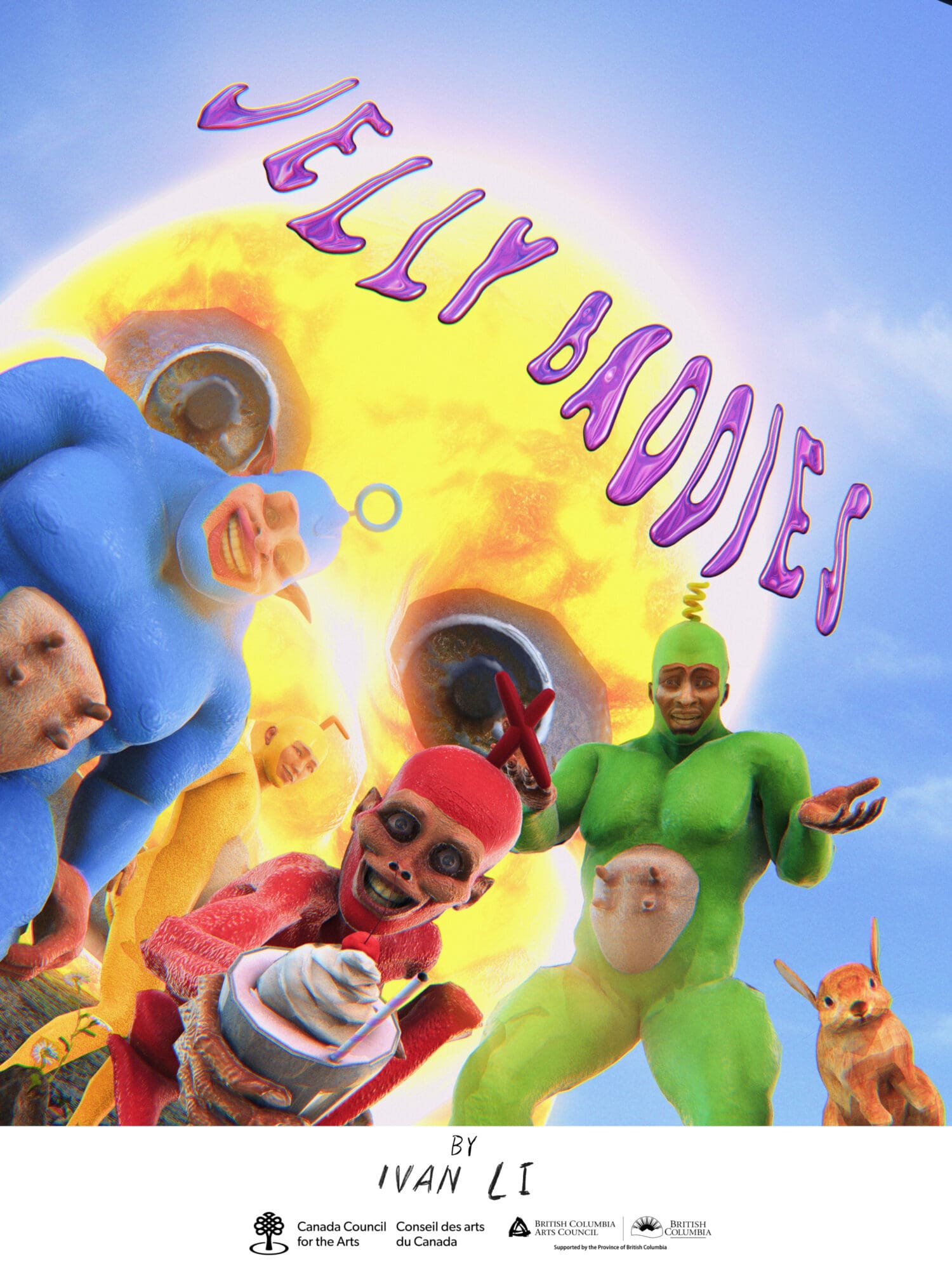
One of the most surprising developments in Li’s career is his recent success in securing public funding. His 2026 film Jelly Baddies was supported by the Canada Council for the Arts and the British Columbia Arts Council.
The National Film Board (NFB) of Canada originally declined the project, stating it did not align with their mandate, but encouraged Li to seek out arts councils, which are often more receptive to "experimental storytelling." Li’s success in these applications is notable given the "aggressive and extreme" nature of Jelly Baddies, which features Teletubbies-like creatures engaged in a corrupt, maiming war.
Li attributes this support to a long-standing Canadian tradition of embracing provocative cinema. He points to Telefilm’s historical funding of David Cronenberg—specifically the controversial film Crash—as a precedent for the government supporting artists who explore the darker, more "polarized" aspects of the human condition. By funding Li, the councils have signaled a willingness to maintain Canada’s reputation as a sanctuary for "unruly" art.
Implications: Challenging the "Safety" of Modern Animation
The rise of Ivan Li comes at a time when the animation industry is facing an identity crisis. With the democratization of 3D tools, much of the "independent" output has begun to look indistinguishable from corporate studio work. Li’s refusal to "keep it sweet" serves several functions for the medium:
- A Critique of Anthropomorphism: While Disney uses animals to teach moral lessons, Li uses sperm and vegetables to explore the "unstable territory" between humanity and technology. He reminds us that the "human-like" can also be the "monstrous."
- The Rejection of the "Calling Card" Culture: Li’s work suggests that student films should not merely be resumes for Disney. By making films that are "undeliverable" to major studios, he asserts the importance of animation as a pure art form.
- The Ethics of the DIY Method: By taking on the "Neil Breen Method," Li highlights the ethical complexities of modern production. He chooses to work alone not just for control, but because he feels it is unfair to ask a crew to animate "falling dongs" or "space uteri." This raises questions about the labor and consent involved in producing transgressive content.
Conclusion: The Utility of the Sewer
Ivan Li does not expect his audience to enjoy the "cesspools of violence, desire, and hatred" he depicts. Instead, he views his work as a mirror to a reality that is often just as messy and uncomfortable. As he notes through his use of the Stanisław Jerzy Lec quote—"No snowflake in an avalanche ever feels responsible"—his films are less about the acts themselves and more about the systems that lead to them.
In a world that often feels like it is sliding toward a collective breakdown, Li’s work suggests that there is a certain utility in "momentarily dipping into the shittiness of existence." By throwing the "sewer side of life" onto the screen, he forces a confrontation that "sweet" animation simply cannot achieve. Whether he is a visionary or a provocateur remains a subject of debate, but in the crowded, restless frames of an Ivan Li film, one thing is certain: you will never be comfortable.