Rediscovering the Rhythms of Life: Why Engaging with Everyday Folklore Matters
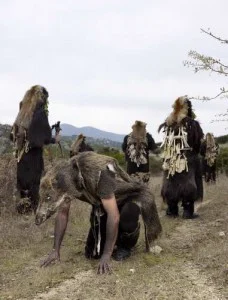
Folklore, often relegated to the dusty shelves of academic study or the quaint curiosities of a bygone era, is frequently misunderstood. For some, it conjures images of arcane rituals performed by "antler-wearing men" in remote villages or the peculiar efficacy of "wart charming." It might be dismissed as mere "flim-flam," a tool to soothe children to sleep, to add a twist to a fictional plot, or to capitalize on a burgeoning fandom. Yet, even those who claim indifference to folklore unconsciously participate, whether through the annual ritual of decorating a Christmas tree, exchanging birthday cards, or debating the proper order of jam and cream on a scone. But beneath these superficial interactions lies a deeper truth: folklore is a living, breathing tapestry woven into the very fabric of our daily existence – the rituals, traditions, and customs that subtly guide our lives, even down to the precise method of brewing a cup of tea.
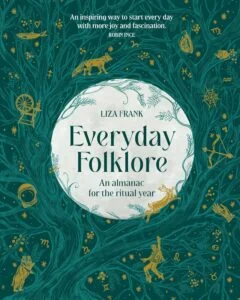
This profound realization lies at the heart of Liza Frank’s new book, Everyday Folklore: An Almanac for the Ritual Year. Born from a year-long personal experiment, Frank’s work is a passionate call to action, urging individuals to consciously re-engage with the rich, often overlooked, folkloric heritage that surrounds them. For readers of Folklore Thursday, a passing interest in the subject is a given, but Frank extends an invitation to move beyond passive observation. "Everyone should consciously incorporate a little bit of folklore into their life," she asserts, encapsulating her philosophy with a playful twist on a familiar adage: "Feel the folklore fear and do it anyway." This article delves into Frank’s compelling arguments, exploring five transformative reasons why embracing the ritual year can profoundly enrich modern life.
A Year of Immersion: The Genesis of ‘Everyday Folklore’
Liza Frank’s journey into the heart of everyday folklore wasn’t born from abstract theory but from a deeply personal and immersive experience. Between St Distaff’s Day 2020 and Twelfth Night 2021, Frank committed herself to a unique project: practicing "ritual year folklore" every single day. This dedicated endeavor, chronicled as "The Everyday Lore Project," involved actively seeking out and engaging with traditions, customs, and beliefs tied to specific dates, months, or seasons. Her daily life became a laboratory where ancient practices met modern living, transforming mundane routines into moments of mindful engagement.
This intensive period of observation and participation served as the crucible for Everyday Folklore: An Almanac for the Ritual Year. Frank’s personal experiences, from the subtle shifts in nature to the discovery of quirky historical practices, became the practical guide she now offers to others. The book is not merely a compendium of lore but a testament to the transformative power of active participation, demonstrating how these seemingly small acts can foster a deeper connection to the world and oneself. It’s a bridge between the academic study of folklore and its lived reality, inviting readers to step off the sidelines and into the vibrant stream of tradition.
Beyond the Flim-Flam: Five Profound Benefits of Embracing Folklore
1. Reclaiming Time: The Slowing Power of Seasonal Rhythms
In an age dominated by relentless digital connectivity and the accelerating pace of modern life, time often feels like an elusive commodity, slipping through our fingers like sand. Days blur into weeks, weeks into months, and before we know it, another year has rushed past, leaving us with a vague sense of hurriedness and regret. While folklore, regrettably, lacks a charm to halt the relentless march of time (though one might speculate on such a possibility), actively observing the ritual year offers a powerful antidote: it compels us to be more present.
Engaging with practices tied explicitly to the date, month, or season provides crucial anchors in the relentless flow of time. Instead of merely noticing the "daffs are dead" or "nights encroaching," these traditions invite conscious participation in the year’s unfolding narrative. If you partake in wassailing in January, a centuries-old tradition of visiting orchards to bless the apple trees for a good harvest, you develop a tangible "stake" in the seasonal cycle. The act of singing to the trees, making noise, and offering cider isn’t just a historical reenactment; it fosters a genuine connection to the land and the agricultural rhythm that once dictated life. Similarly, the simple act of counting the fogs in August becomes a delightful game, transforming meteorological observations into playful predictions for winter’s snowfalls.
This deliberate engagement extends to the natural world around us. Experimenting with lunar plantings, aligning gardening activities with the moon’s phases, encourages a deeper understanding of celestial influence and growth cycles. Or, more simply, taking the time to observe the hedgerows – witnessing their transformation from barren dormancy to budding promise, then to full, fecund abundance, and finally back to sparse resignation – provides a visceral connection to the cyclical nature of existence. Each observation, each participation, however small, carves out a moment of mindfulness. The more we consciously pause to observe what is unfolding around us, the more our internal pace slows. And in that slowing, we become more open to possibility, wonder, and the subtle magic that permeates the everyday. This isn’t just about nostalgia; it’s about reclaiming a sense of rhythm and presence in a world that constantly demands our haste.
2. An Abundance of Joy: The Endless Calendar of Celebration
Life’s calendar is already peppered with milestones: birthdays, anniversaries, religious festivals, and secular holidays. Yet, the ritual year offers an almost boundless capacity for additional celebration, transforming the ordinary into opportunities for joy and communal connection. Beyond the well-trodden path of conventional holidays, folklore unveils a rich tapestry of days dedicated to almost anything imaginable.
Do you wish to honour the majesty of trees? The ritual year provides numerous occasions, from ancient tree-planting ceremonies to the vibrant Maypole dances that herald spring. For those with a more whimsical inclination, there are even entire festivals dedicated to "innies and outies" – belly buttons – over June and July, highlighting humanity’s playful capacity to find wonder in the most unexpected places. Culinary enthusiasts and connoisseurs of fine spirits can mark their calendars for specific days to raise a glass to their favourites: August 19th for wine, the second Saturday of June for gin, and July 31st for rum. These aren’t just commercial inventions; they tap into a human desire to mark and celebrate, even the simple pleasures of life.
The scope of folklore’s celebratory potential extends even to the realm of modern popular culture. We now have dedicated days for Back to the Future, Star Trek, and the ubiquitous Star Wars Day ("May the Fourth be with you"), demonstrating how new "folk groups" spontaneously generate their own traditions and rituals. But folklore also allows for the unique celebration of non-events. Consider St Swithin’s Day, where the absence of rain can be a cause for collective giddy relief, or the sheer delight of completing a personal folklore task, such as "counting seven stars on seven consecutive nights" and having a wish granted. These acts, whether ancient or modern, profound or quirky, collectively underscore the ritual year’s infinite capacity to mark the passage of time with excuses for joy, fostering a spirit of optimism and shared experience that enriches the human spirit.
3. Banishing Boredom: Folklore as a Wellspring of Engagement
In an era where screens often dominate leisure time, and the pervasive feeling of "ennui" can creep in, folklore offers a vibrant, hands-on antidote. It transforms passive consumption into active participation, turning leftover Christmas cake into an opportunity for a "Great Fruitcake Toss" in January, as delightfully practiced in Manitou Springs, Colorado. This quirky community event epitomizes how folklore can inject playfulness and shared activity into the quieter months, challenging individuals to recreate, innovate, and connect.
The culinary traditions embedded within the ritual year provide a delicious avenue for engagement. Challenge yourself to recreate historical recipes like "Heg Peg Dumps," "Harvest shot," or "knotting-sowins," offering a tangible link to past generations and their seasonal sustenance. Or, for a more universally appealing endeavour, bake a generous batch of scones for National Cream Tea Day, a simple yet profound act of culinary tradition. (Frank, with a humorous note of caution, advises against experimenting with "plum duffs," especially if involving vegetarian suet and a favourite tea towel, highlighting the often-unpredictable nature of engaging with historical recipes!).
Beyond the kitchen, folklore encourages imaginative self-expression and daring feats. Ever considered becoming a King for a weekend? The Porthcawl Elvis Festival in September offers a chance to embody a cultural icon. Or, for a more animalistic transformation, embrace the spirit of St Piran’s Day in March by becoming a badger. For those with a more adventurous spirit, the ritual year provides opportunities for genuine daredevilry: chasing a wheel of cheese down Cooper’s Hill in May, or participating in the exhilarating Dorking Wife Carrying Race in March, navigating an obstacle course with a spouse on one’s back. As Frank discovered during her "year of living folklorishly," the world of folklore offers an endless supply of activities, ensuring that boredom remains at bay. Even the most unusual and seemingly arcane practices, such as "conducting an exorcism at midnight by spitting black beans and walking backwards" (a Lemuralia ritual from ancient Rome), provide a unique, engaging, and memorable way to pass the time.
4. The Scholar’s Edge: Unearthing Curiosities and Winning Pub Quizzes
Folklore is not merely a collection of quaint customs; it’s a vast repository of peculiar, wondrous, and often surprisingly insightful information that can lend an undeniable edge in any pub quiz scenario. Delving into its depths is to embark on an intellectual adventure, unearthing facts that bridge the gap between ancient beliefs, scientific discovery, and cultural practices.
Consider, for instance, the intriguing finding that spiders apparently exhibit a preference for classical music over techno. Research dating back to Frings and Frings in 1966 documented orb-weaving spiders’ reactions to airborne sounds, suggesting a fascinating, if unexpected, aspect of their sensory world. So, if you observe an "uptick of spiders in your home around March," a month historically associated with arachnid activity, your playlist might be influencing your eight-legged cohabitants – and, according to folk wisdom, also auguring rain, making an umbrella a prudent accessory.
Another gem reveals the curious pre-launch ritual of Baikonur cosmonauts. Since the early 1970s, before every space mission, these intrepid explorers traditionally watch The White Sun of the Desert, a 1970 Russian Civil War comedy, for good luck. This powerful example underscores the enduring human need for ritual and symbolic actions, even in the highly scientific and technologically advanced realm of space exploration. Such details offer a unique insight into the psychology of risk and tradition.
Furthermore, folklore challenges us to re-evaluate our perceptions of creatures like bats. Often maligned as "the Devil’s messenger" in popular lore, these winged wonders are, in fact, crucial pollinators of agave plants. Without their ecological service, our beloved Margaritas would likely be swapped for Manhattans, as the very existence of tequila depends on them. This revelation, supported by contemporary ecological research, beautifully illustrates how scientific understanding can both complement and contextualize ancient folk beliefs, transforming a creature of superstition into a vital component of our global ecosystem and, indeed, our cocktail culture. Once you embark on the folklore "rabbit hole," the breadth and depth of surprising "pub quiz nuggets" you’ll uncover are truly limitless, enriching your general knowledge and offering endless conversational fodder.
5. Crafting Narratives: The Enduring Power of Personal Tales
At its heart, folklore is about storytelling, and actively engaging with it guarantees a rich harvest of personal tales. Some aspects of folklore are undeniably "bonkers," as Frank charmingly puts it, and it’s important to acknowledge this without invalidating the deeply held beliefs of others. After all, she asserts, anyone "stalking a churchyard in Leicestershire on 1 June to see if St Wistan’s hair sprouts amongst the headstones" is "my kind of people." This sentiment encapsulates the spirit of shared curiosity and acceptance that often accompanies a genuine appreciation for folklore.
The more deeply one delves into these traditions, the more unusual and memorable stories one accumulates. Imagine recounting the time you were out "a-nutting in September" and swore you caught "a whiff of demonic sulphur in the woods," a sensory experience that blurs the line between the mundane and the supernatural. Or perhaps you’ll share the anecdotal success of a folk remedy, swearing that "the boil on your neck decreased with the application of a cabbage leaf." These personal experiences, even if they remain unverified by science, become powerful narratives that shape our individual mythologies.
Then there are the more romantic, and often humorous, tales. Frank recounts her own experience of placing "a sprig of rosemary and a crooked sixpence under [her] pillow on St Luke’s Eve" in hopes of dreaming of her "one true love," only to envision "Mark Hamill." (She wryly notes, "He’s not rung though.") These personal encounters with folklore become cherished anecdotes, shared with friends and family, enriching conversations and fostering a sense of shared human experience.
However, a word to the wise from Frank: while you might find it genuinely impressive that you "failed to detect any vampire activity in your gardening implements" (a nod to Vukanovic’s 1958 research on vampire lore), it might be prudent to "save this kind of anecdote for the second date." This humorous caution underscores the social dimension of folklore: knowing your audience and when to share the more outlandish stories. Ultimately, engaging with folklore transforms life into a continuous narrative, providing a wellspring of unique, often quirky, and always memorable tales to tell.
The Academic Echo: Validating the Everyday Practice
Liza Frank’s enthusiastic advocacy for everyday folklore resonates deeply with contemporary academic understandings of the subject. Modern folkloristics has largely moved beyond viewing folklore as merely a collection of "primitive" superstitions or dying remnants of the past. Instead, scholars increasingly recognize folklore as a dynamic, living tradition, constantly being created, adapted, and performed within various "folk groups" – from families and communities to online fandoms and professional circles.
As G. E. Warshaver noted in his 1991 paper, "On Postmodern Folklore," the concept of folklore has evolved to embrace its fluid, ever-present nature, acknowledging that it permeates contemporary society in myriad forms. Frank’s "Everyday Lore Project" and subsequent book perfectly embody this postmodern understanding, demonstrating that folklore isn’t confined to historical texts but is actively lived and shaped by individuals today. Her work aligns with the growing academic emphasis on "vernacular culture" – the everyday, informal expressions of a group’s identity and shared meaning.
This academic shift underscores the profound implications of Frank’s call to action. By consciously engaging with folklore, individuals are not merely indulging in whimsy; they are actively participating in the preservation and evolution of intangible cultural heritage. Folklorists and social scientists alike highlight folklore’s crucial role in fostering mental well-being, strengthening community bonds, and reinforcing cultural identity. Engaging with seasonal rituals, for example, can deepen our connection to the natural world, promoting environmental awareness and a sense of place. Furthermore, the act of passing on traditions, or even creating new ones, contributes to social cohesion and provides a sense of continuity in an increasingly fragmented world. Frank’s accessible approach makes these academic insights actionable, transforming the study of folklore into a practical guide for a more meaningful life.
A Call to Action: Weaving Folklore into the Fabric of Modern Life
In conclusion, the invitation to consciously weave a little bit of folklore into our daily lives is far more than a whimsical suggestion; it is a powerful opportunity for enrichment, connection, and mindful living. As the year turns, make it your New Year’s resolution to embrace curiosity, to try new things, to create new traditions, and to challenge yourself to see the magic in the mundane. The benefits, as Liza Frank so eloquently demonstrates, are profound: a slower pace of life, an abundance of joy, a potent antidote to boredom, a treasure trove of fascinating knowledge, and a lifetime of unique stories to tell.
It is a well-known, albeit somewhat disheartening, piece of modern folklore that January 19th is often cited as the day when most New Year’s resolutions falter. But here, too, the ritual year offers a comforting reprieve. Given the multitude of "New Year’s Days" that punctuate the diverse cultural calendars throughout the year – from Rosh Hashanah to Lunar New Year, from Samhain to Beltane – there are always fresh opportunities for a do-over, a renewed commitment, or a brand new start.
Embracing folklore is not about retreating into the past, but about enriching the present and shaping a more vibrant future. It’s about fostering a deeper sense of belonging, both to our communities and to the natural world. It’s about finding meaning in the cycles of life, connecting with the wisdom of generations past, and creating personal narratives that resonate with wonder. In a world that often feels disconnected and overwhelming, folklore offers a tangible path back to ourselves, to our communities, and to the enduring rhythms of life. So, feel the folklore fear, and do it anyway – your life will be immeasurably richer for it.
[1] Warshaver, G. E. (1991) On Postmodern Folklore. Western Folklore, 50(3), 219–229. https://doi.org/10.2307/1499876
[2] Frank, L. (2021) The Everyday Lore Project. https://liza-frank.com/the-everyday-lore-project/
[3] Frings, H. and Frings, M. (1966) Reactions of Orb-Weaving Spiders (Argiopidae) to Airborne Sounds. Ecology, 47, 578-588. https://doi.org/10.2307/1933935
[4] Hollingham, R. (2014) The strangest space launch rituals. https://www.bbc.com/future/article/20140610-the-strange-rituals-of-cosmonauts
[5] Menchaca, A., Arteaga, M.C., Medellin, R.A., Jones, G. (2020) Conservation units and historical matrilineal structure in the tequila bat (Leptonycteris yerbabuenae). Global Ecology and Conservation, Volume 23. https://doi.org/10.1016/j.gecco.2020.e01164
[6] Vukanovic, T. P. (1958) The Vampire. Journal of the Gypsy Lore Society, 37(1), 21-31. https://www.proquest.com/scholarly-journals/vampire/docview/1299021299/se-2