The Architecture of Whimsy: How Donna Wilson is Redefining Interior Design Through Tactile Joy
In an era often dominated by the sleek, sterile lines of digital minimalism and the muted palettes of "quiet luxury," a counter-movement of vibrant, tactile expression is taking hold of the interior design world. At the forefront of this shift is London-based designer Donna Wilson, whose eponymous brand has become synonymous with a unique blend of folk art, high-quality craftsmanship, and unabashed playfulness. By transforming traditional lambswool into oversized bananas, gargantuan whales, and surrealist body parts, Wilson is not merely selling home accessories; she is pioneering a philosophy of "dopamine decor" that prioritizes emotional resonance over aesthetic conformity.
Main Facts: The Intersection of Craft and Creativity
Donna Wilson’s latest collections represent a significant evolution in the world of soft furnishings. Moving beyond the standard square throw pillow, Wilson has introduced a series of "personality-driven" cushions that challenge the boundaries of functional art. These objects, ranging from elongated bolsters to substantial floor cushions, are characterized by their unconventional shapes and vivid color palettes.
The Collection Highlights
The current portfolio features several standout pieces that have captured the attention of the design community:

- The Whale Bolster: A large-scale, sea-creature-shaped pillow that functions as both a supportive bolster and a sculptural statement piece.
- The Oversized Banana: A playful, curved cushion that injects a sense of pop-art irony into traditional living spaces.
- The Anatomical Series: Whimsical interpretations of human features, including mouth-shaped pillows with red lips and gap-toothed grins, and eye-shaped cushions that peer out from sofas.
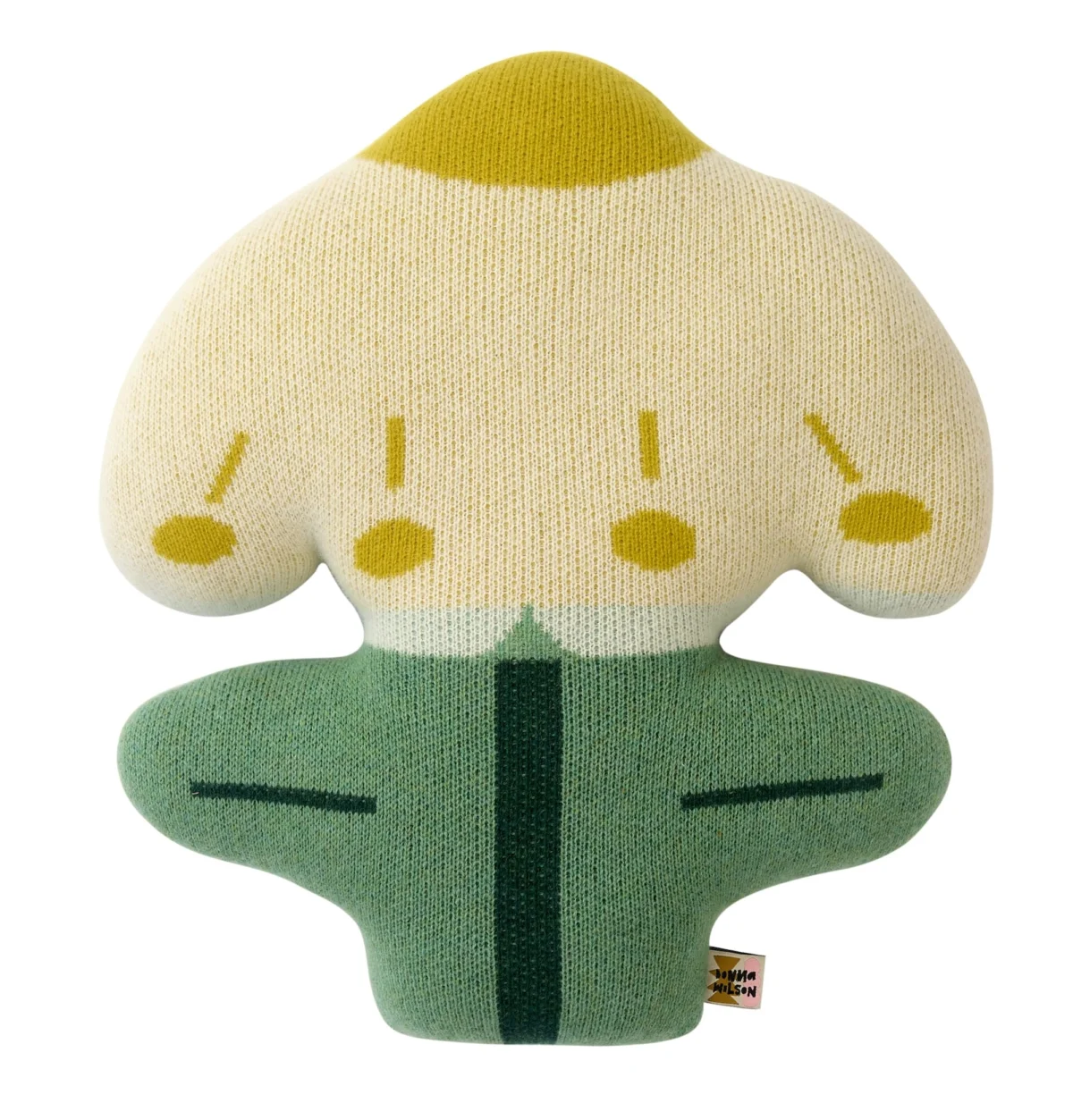
- Flora and Fauna: Toadstools, daisies, and crabs that bring a stylized version of the natural world indoors.
Materiality and Manufacturing
Central to the brand’s identity is the use of 100% knitted lambswool. Unlike synthetic alternatives, lambswool offers a specific tactile depth and durability that aligns with the brand’s commitment to quality. These items are not mass-produced in large overseas factories; instead, they are the product of Wilson’s "micro-factory," known as the Knit Shop, located in Scotland. This commitment to local production ensures that each piece maintains a "handmade" feel while benefiting from industrial-grade knitting technology.
Chronology: From the Royal College of Art to Global Recognition
The trajectory of Donna Wilson’s career provides a roadmap for the resurgence of the British textile industry. To understand the current impact of the Knit Shop, one must look back at the origins of her creative vision.
2003: The Birth of the "Creatures"
The Donna Wilson brand began as a final project at the Royal College of Art (RCA) in London. Wilson started knitting odd, long-limbed creatures that defied the logic of traditional toys. These "Creatures"—each with its own name and personality—quickly gained a cult following. They were more than just stuffed animals; they were manifestations of a specific Scottish folklore-inspired aesthetic that resonated with adults and children alike.

2005–2015: Scaling the Whimsy
Following her graduation, Wilson’s work was picked up by influential boutiques and design stores. During this decade, she expanded her repertoire from knitted toys to a full lifestyle brand. This period saw the introduction of patterned blankets, ceramics, and apparel. Her work became a staple in high-end retailers like Liberty London and John Lewis, proving that there was a massive market for "weird and wonderful" design.
2019–Present: The Return to the Roots
The establishment of the "Knit Shop" in Scotland marked a pivotal moment in the brand’s history. While Wilson remains based in London for design and creative direction, moving the heart of her production back to Scotland—where she grew up on a farm in Aberdeenshire—allowed for greater vertical integration. This move coincided with a global shift toward "slow fashion" and artisanal home goods, positioning Wilson as a leader in the sustainable textile movement.
Supporting Data: The Economics of the "Cozy Economy"
The success of Donna Wilson’s playful cushions is supported by broader economic and psychological trends. Data from the interior design industry suggests a marked increase in consumer spending on items that promote "emotional comfort."

The Rise of Maximalism
Market research indicates that the "Maximalism" trend has seen a 25% year-over-year increase in social media engagement. Consumers are moving away from "all-grey" interiors in favor of "statement pieces" that spark conversation. Wilson’s oversized bananas and mouth pillows fit perfectly into this niche, serving as the "anchor" pieces for expressive rooms.
The Value of British Textiles
The UK textile industry has faced significant challenges over the last 30 years, yet there is a growing "provenance premium." According to consumer surveys, a significant portion of luxury buyers are willing to pay a 15–20% markup for goods labeled "Made in Britain." By maintaining her micro-factory in Scotland, Wilson taps into a heritage of wool production that is globally recognized for excellence, justifying the higher price point of her small-batch items.
The Longevity of Lambswool
Lambswool is not only a renewable resource but also biodegradable. In an era where "fast furniture" is being criticized for its environmental impact, Wilson’s use of high-quality natural fibers provides a data-backed sustainability narrative. Lambswool’s natural resistance to odors and wrinkles makes it an ideal material for heirlooms, contrasting with the disposable nature of polyester-filled cushions found in big-box retailers.

Official Responses and Design Philosophy
While Wilson’s designs may appear lighthearted, her approach to the business of design is deeply intentional. In various statements and descriptions of her work, the philosophy of "bringing joy" is treated as a serious design objective.
On the Concept of the "Micro-Factory"
Wilson describes the Knit Shop as a space where technology and hand-finishing meet. "We wanted to keep the production close to home," Wilson has noted regarding her Scottish operations. The micro-factory model allows for "squishy instances of delight" to be produced in small batches, preventing overstock and ensuring that every item—whether it’s a crab-shaped pillow or a checkered blanket—receives individual attention.
The Psychology of Play
Design critics have noted that Wilson’s work functions as a form of "tactile therapy." In a digital world where most of our interactions are with cold, hard glass screens, the "hand-shaped" or "whale-shaped" pillow provides a necessary sensory contrast. Wilson’s team emphasizes that these objects are designed to "elicit joy," a metric that is becoming increasingly important in modern architecture and interior design.

Implications: The Future of the Expressive Home
The influence of Donna Wilson’s work extends beyond the living room sofa. It signals a broader shift in how we perceive the function of our homes.
The Death of the "Showroom" Aesthetic
For decades, the goal of interior design was to create a home that looked like a hotel or a showroom—impersonal and pristine. Wilson’s success suggests that the future of the home is deeply personal. By incorporating "pillows with personality," homeowners are reclaiming their spaces as reflections of their own humor and eccentricities.
Blurring the Line Between Art and Utility
Wilson is part of a generation of designers who are dismantling the hierarchy between "fine art" and "craft." A mouth-shaped pillow with a gap-toothed smile is a sculptural object that happens to be soft. This blurring of lines allows art to become accessible and interactive, rather than something to be viewed from a distance.

Revitalizing Local Economies
The "Knit Shop" model provides a blueprint for other designers looking to maintain ethical production standards. By proving that a global brand can be powered by a Scottish micro-factory, Wilson is encouraging a decentralization of the design industry. This has significant implications for local economies, preserving traditional knitting skills while applying them to modern, avant-garde designs.
Conclusion
Donna Wilson’s work is a testament to the power of imagination in the domestic sphere. Through her vibrant patterns, playful creatures, and commitment to Scottish manufacturing, she has created a world where a pillow can be a whale, a banana can be a bolster, and a home can be a sanctuary of joy. As the design world continues to grapple with the balance between technology and humanity, Wilson’s "micro-factory" approach offers a soft, woolen, and decidedly colorful path forward. Her cushions are not just accessories; they are reminders that in the middle of our busy, often chaotic lives, there is always room for a little bit of squishy delight.