Unraveling the Etymological Tapestry: Where European Countries and the UK Found Their Names
A Journey Through History, Language, and Identity
For the intrepid traveler navigating the European continent with a Eurail pass, a familiar yet fascinating linguistic landscape unfolds. Lands like Österreich, Italia, and Česká republika offer a rich tapestry of history and culture. Yet, as one journeys between these historically and culturally significant capitals, a question often surfaces: how did these nations, particularly in their English renditions, acquire their distinctive names? This exploration delves into the etymological origins of European countries and the United Kingdom, unraveling the fascinating stories behind their English appellations.
The genesis of these names is not a monolithic event but rather a complex interplay of historical encounters, linguistic evolution, and sometimes, even diplomatic necessity. The way a nation is known to the world is often a reflection of how it was perceived by others, particularly those with whom it had significant historical or linguistic interactions. This article will chart a course through these etymological journeys, offering a deeper understanding of the historical forces that shaped the nomenclature of Europe and its island neighbor.
The Roman Legacy and the Germanic Enigma: Germany’s Shifting Identity
One of the most striking examples of linguistic divergence lies in the naming of Germany. While Germans themselves refer to their homeland as Deutschland, other European languages offer a kaleidoscope of names: Allemagne in French, Germania in Italian, and Alamania in Spanish, among others. This disparity begs the question: why does English use "Germany"?
The answer, as illuminated by language YouTuber RobWords, traces back to the Romans. To the ancient Romans, the lands east of the Rhine were inhabited by peoples they collectively termed the "Germani." This term, likely derived from a Celtic word meaning "noisy ones" or "neighbors," was applied to various Germanic tribes whose languages and customs were distinct from their own. The Romans, in essence, used "Germani" as a broad descriptor for the inhabitants of this region, a label that has, in various forms, persisted in many European languages.
However, the story doesn’t end there. The Romans also employed the term "Alemanni," which referred to a confederation of Germanic peoples. This appellation, originating from an Old High German word meaning "all men" or "free men," has become the root for the names of Germany in Romance languages like French (Allemagne) and Spanish (Alemania). This highlights how different historical interactions and linguistic influences can lead to distinct naming conventions even for the same geographical entity.
The meaning of "Deutschland" itself offers another layer of intrigue. It translates to "Land of the Dutch," with "Dutch" originating from an ancient Germanic word meaning "popular" or "people." This term, in its earliest form, did not simply refer to any human beings but specifically to those who spoke the region’s widely understood "popular languages." This underscores a fundamental aspect of naming: it often reflects shared linguistic identity and a sense of commonality among a group of people.
From Tribes to Nations: The Diverse Origins of European Country Names
The etymological roots of European country names are as varied as the continent’s rich history. Many names are derived from the names of ancient tribes or confederations of peoples who inhabited those regions.
Belgium: The name Belgium, for instance, is believed to derive from the Belgae, a confederation of Gallic and Germanic tribes who lived in the northern part of Gaul. The term "Belgae" itself is of uncertain origin, but it became associated with the people of the southern Low Countries. Notably, the name was adopted by the people living in these regions during their struggle for independence from Spain in the sixteenth century, underscoring how national identity can be intertwined with historical nomenclature.
Austria: Österreich, the German name for Austria, translates to "Eastern Realm." This name reflects its historical position as a margraviate or eastern march of the Holy Roman Empire, strategically important for its defense against incursions from the east. The English name "Austria," on the other hand, is believed to be derived from the Latinized form of this name, Ostarrîchi.
Italy: The origin of "Italia" is less clear-cut, with several theories positing its roots in ancient languages. One prominent theory suggests it derives from Víteliú, meaning "land of young cattle" in the Oscan language, an ancient Italic dialect. Another theory links it to a legendary king named Italus. Regardless of its precise origin, the name has ancient roots and has been associated with the peninsula for millennia.
Czech Republic: The name Česká republika (Czech Republic) has a more straightforward linguistic origin, directly referencing the Czech people. The movement towards using "Czechia" as a shorter, official alternative name reflects a modern desire for brevity and national branding, mirroring similar trends in other countries.
Switzerland: Switzerland’s multiple names – Schweiz (German), Suisse (French), Svizzera (Italian), and Svizra (Romansh) – highlight its linguistic diversity. The name is believed to originate from the canton of Schwyz, one of the founding cantons of the Swiss Confederacy. The English name "Switzerland" is a direct anglicization of the German "Schweiz."
The United Kingdom: A Tapestry of Origins
The naming conventions of the constituent countries of the United Kingdom also reveal fascinating historical narratives.
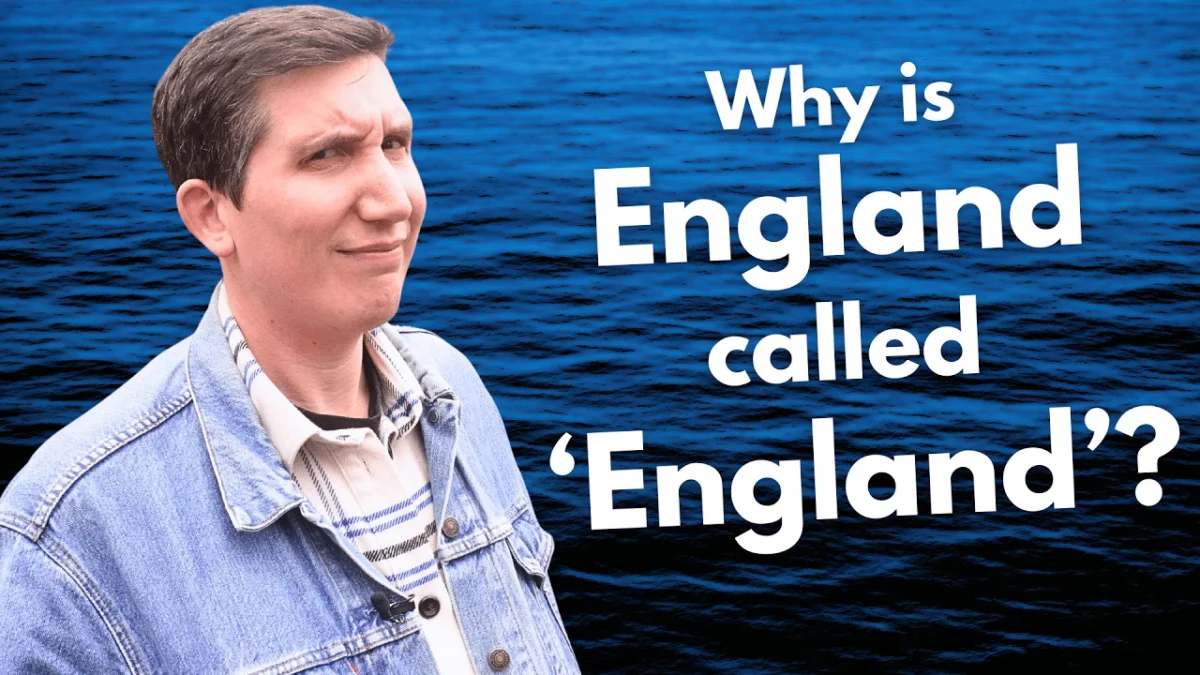
England: The name "England" itself is derived from the Angles, one of the Germanic tribes that settled in Great Britain during the 5th century. The Old English name Engla land literally means "land of the Angles."
Scotland: The name "Scotland" originates from the Gaels, a Celtic people who migrated from Ireland to the region known as Caledonia. The Latin name for this territory was Scotia, and the name gradually came to refer to the entire country.
Wales: The name "Wales" is derived from the Old English word Wealas, meaning "foreigners" or "strangers." This term was used by the Anglo-Saxons to refer to the native Celtic inhabitants of Britain, who were distinct from the Germanic settlers. The Welsh themselves call their country Cymru, which means "fellow countrymen" or "compatriots," reflecting a sense of shared identity.
Ireland: The name "Ireland" is believed to be derived from the Old English Ēire, which in turn comes from the Old Irish Ériu. Ériu is the name of a Celtic goddess of sovereignty who, according to mythology, was the mother of the last three kings of the Tuatha Dé Danann. The name has a deep mythological and historical resonance for the Irish people.
The Enigma of "Great Britain"
The addition of "Great" to "Britain" is not a boast of superiority but a practical distinction. As explained by RobWords, "Great Britain" was used to differentiate the island of Britain from the region of Brittany in France. Brittany, also inhabited by Celtic peoples, was historically known as "Little Britain." Therefore, "Great Britain" served as a geographical identifier, distinguishing the larger island from its smaller counterpart on the continent.
The Enduring Power of Names
The names of countries are more than just labels; they are linguistic artifacts that encapsulate centuries of history, cultural exchange, and evolving identities. The exploration of these etymologies reveals how external perceptions, internal self-identification, and historical events have all contributed to the way nations are known.
The journey through the naming of European countries and the United Kingdom underscores a fundamental truth: language is a dynamic and ever-evolving entity. The names we use today are the product of countless linguistic shifts, historical encounters, and the enduring human desire to define and understand ourselves and our place in the world. As travelers continue to traverse these lands, the stories embedded within their names offer a richer and more profound appreciation of their unique historical and cultural journeys.
Related Content:
- A Map Shows What Every Country in the World Calls Itself in its Own Language: Explore the “Endonyms of the World” Map
- The Surprising Pattern Behind the Names of Colors Around the World
- A Map of How the Word “Tea” Spread Across the World
- Welcome to Llanfairpwllgwyngyllgogerychwyrndrobwllllantysiliogogogoc, the Town with the Longest Name in Europe
- The History of Europe from 400 BC to the Present, Animated in 12 Minutes
- The Entire History of English in 22 Minutes