The End of an Era in Athens: Bizarro-Wuxtry and the Displacement of Cultural Landmarks
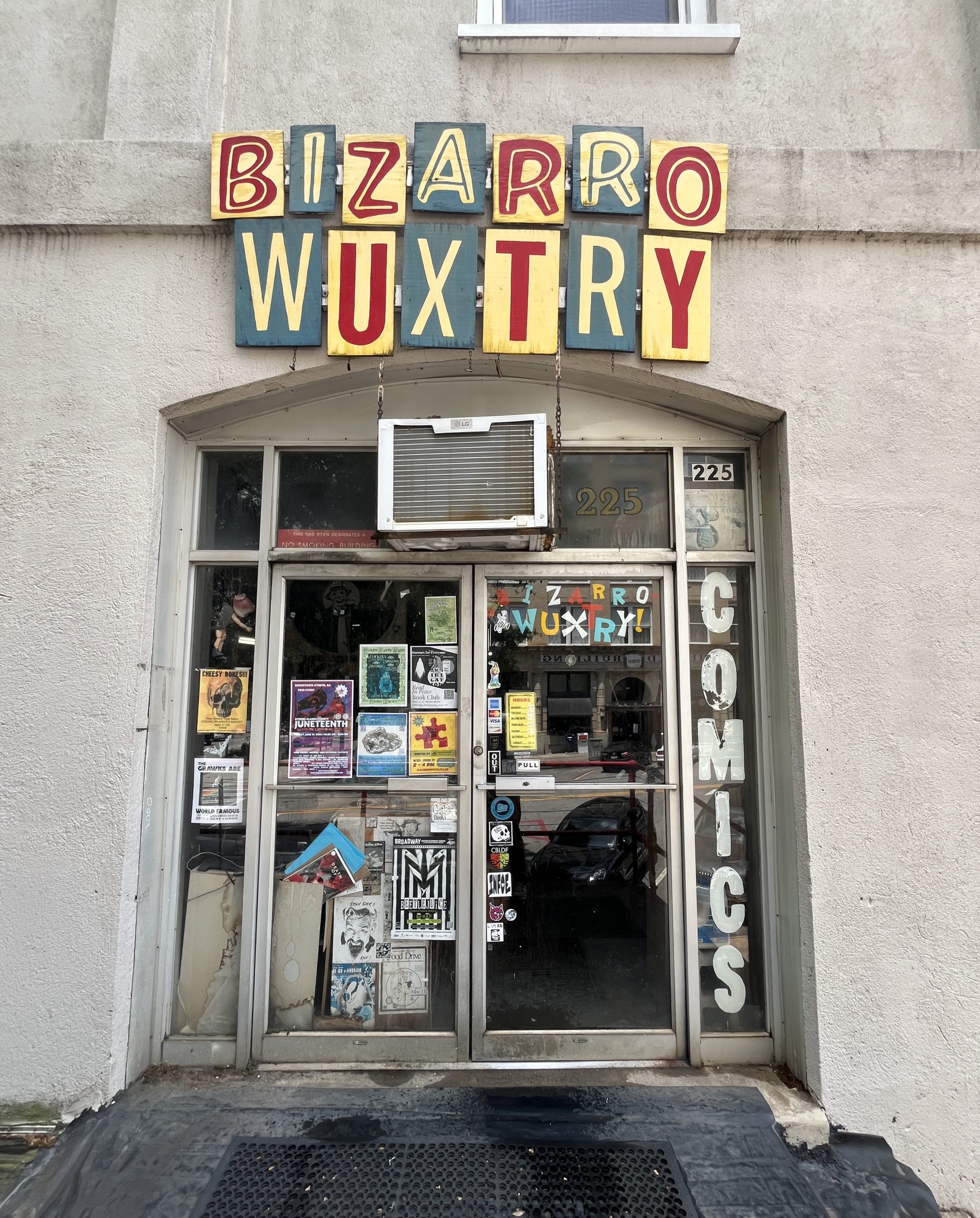
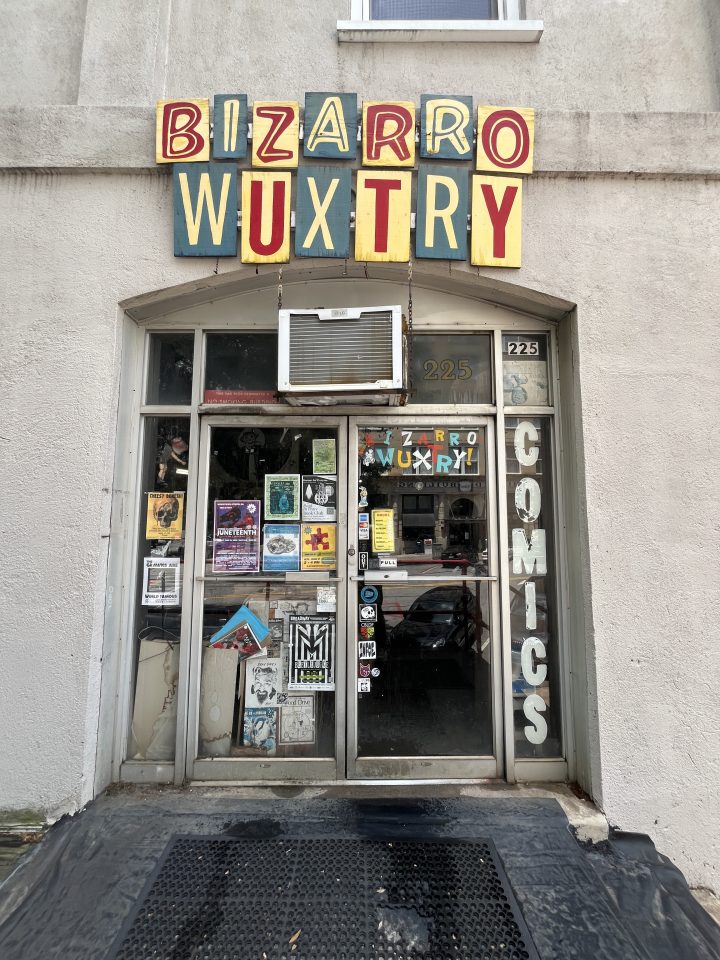
ATHENS, GA — In a move that has sent shockwaves through the international comics community and the local cultural landscape of North Georgia, Bizarro-Wuxtry, the legendary independent comic book shop, has officially been put up for sale. The announcement, which arrived in June 2026, marks the beginning of the end for a retail institution that has served as the epicenter of the Athens underground arts scene for over three decades.
The shop’s impending closure is not a result of a failing business model or a lack of interest in the medium. Instead, it is a casualty of a far more systemic trend: the aggressive redevelopment of college towns and the prioritization of luxury student housing over established cultural "third places."
Main Facts: A Labyrinth of Ink and Ideas
Bizarro-Wuxtry is more than a specialty bookstore; it is a sprawling, multi-room archive of 20th and 21st-century pop culture. Located on the second floor above Wuxtry Records at the corner of Clayton and College Avenue, the shop has long been considered one of the premier comic book destinations in the United States.
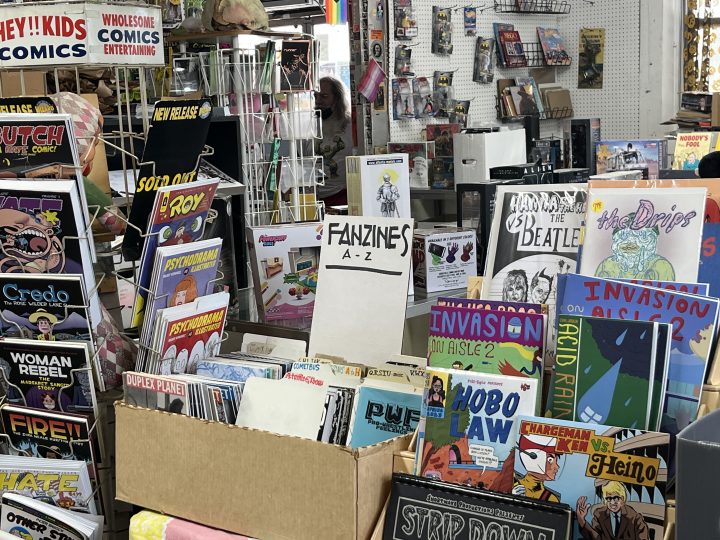
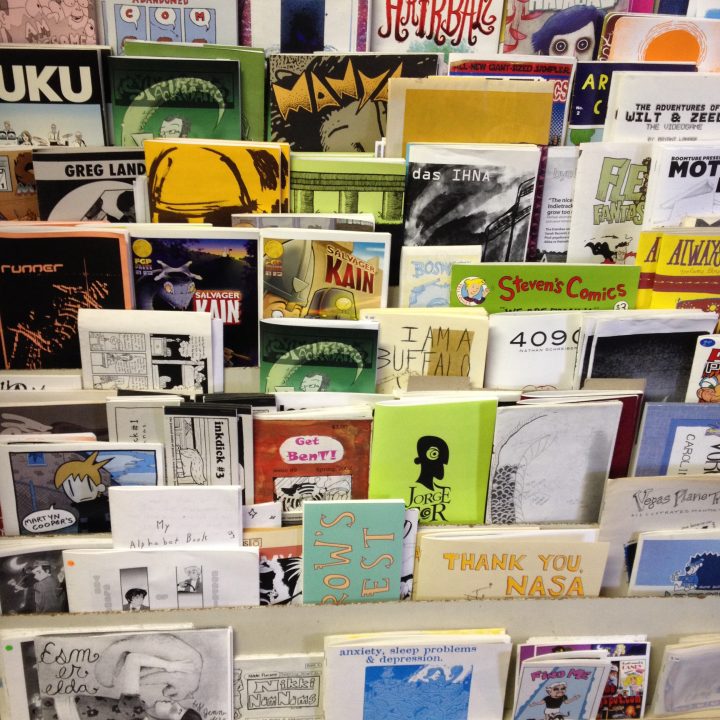
Under the management of Devlin Thompson for over 30 years, the shop curated a selection that defied the "superhero-centric" norms of the industry. While mainstream titles were available, the shop’s true identity lay in its unwavering support for the "alternative" and the "weird." From the seminal works of the Hernandez brothers (Love and Rockets) to the transgressive indie-zines of the 1990s and the thriving contemporary small-press movement, Bizarro-Wuxtry provided a platform for voices that often found no home in traditional retail environments.
The sale of the building to developers—intended to be converted into high-density apartments for University of Georgia students—represents a significant loss for the city’s creative economy. As the shop’s social media notice confirmed in mid-2026, the physical space that housed decades of history is slated for a complete overhaul, leaving the future of the inventory and the community it fostered in a state of precarious uncertainty.
Chronology: From Record Store Bin to Global Destination
The history of Bizarro-Wuxtry is inextricably linked to the broader "Athens Sound" and the city’s reputation as a bohemian oasis in the South.
The Early 1990s: The Spinoff
In the late 1980s and early 1990s, Wuxtry Records—already a landmark in its own right—began to see its comic book inventory outgrow its physical footprint. Originally a small section within the record store, the comics division demanded its own identity. In 1992, the shop was spun off into "Bizarro-Wuxtry," initially occupying street-level spaces before finding its permanent home on the upper floor of the mid-century office building it currently occupies.
The Thompson Era
Shortly after its relocation, Devlin Thompson took the helm. Thompson’s vision transformed the store from a mere retail outlet into a curated experience. His commitment to self-publishing and the "small press" coincided with the 1990s boom of independent comics. By the mid-90s, the shop had become a regular stop for touring cartoonists and a sanctuary for local artists.
1999–2024: A Hub for Community
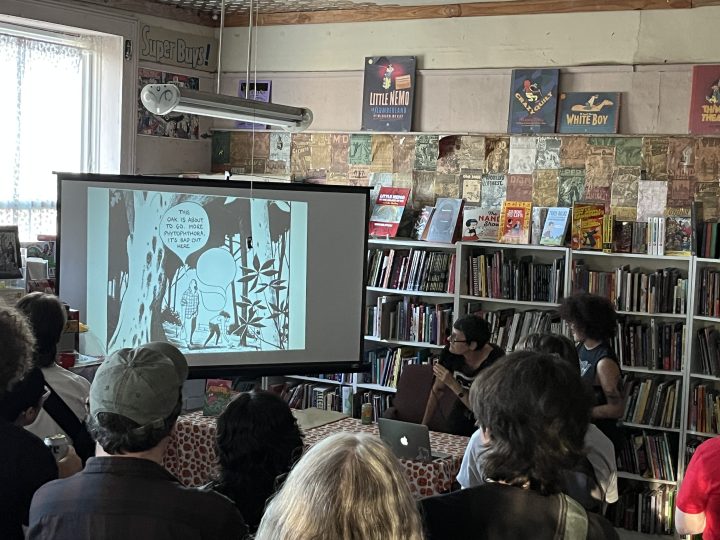
In 1999, the FLUKE Mini-Comics & Zine Festival was established in Athens. Bizarro-Wuxtry served as the unofficial headquarters for the festival’s planning and promotion. For twenty-five years, the shop acted as a lattice for the growing vine of the Georgia comics community, offering shelf space to any creator who walked through the door, regardless of their professional status or the size of their print run.
June 2026: The Announcement
The "lunch break" visit described by long-time patrons became a somber ritual in late June 2026. Following the sale of the building by the previous landlords to a development firm, the notice was issued: Bizarro-Wuxtry was for sale. The announcement signaled the end of its residency in the Clayton Street building, sparking an immediate outpouring of grief and nostalgia from the global arts community.
Supporting Data: The Anatomy of a Cultural Museum
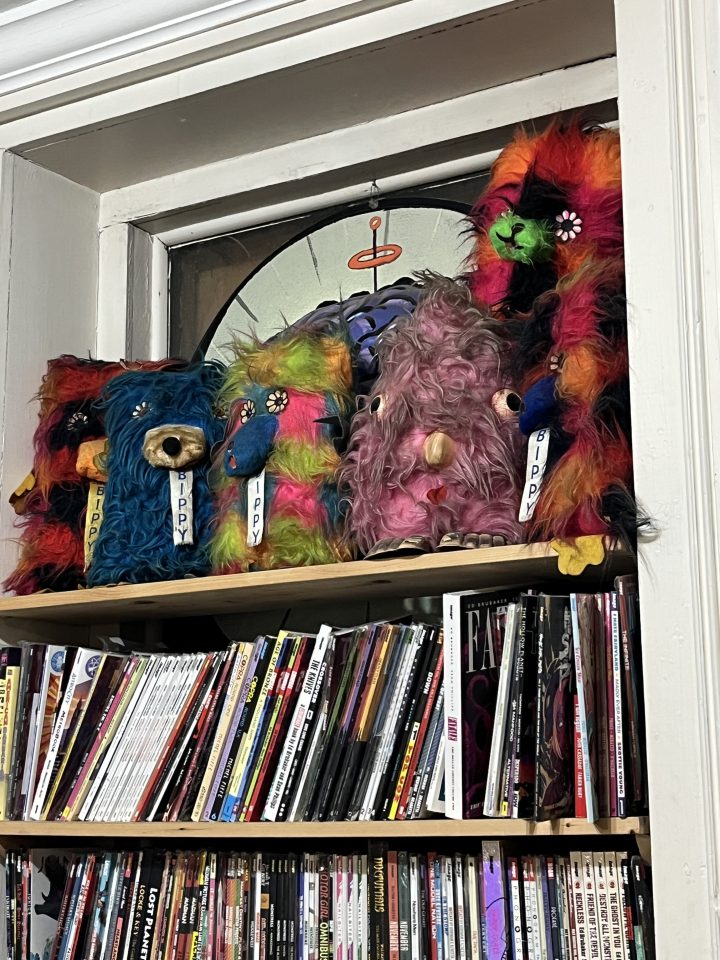
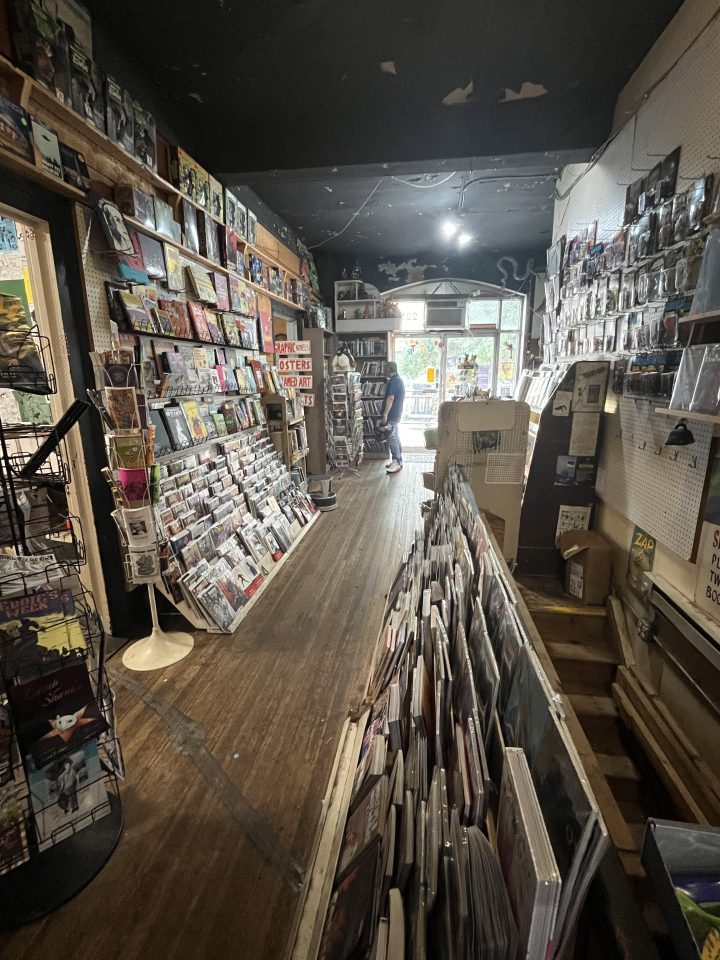
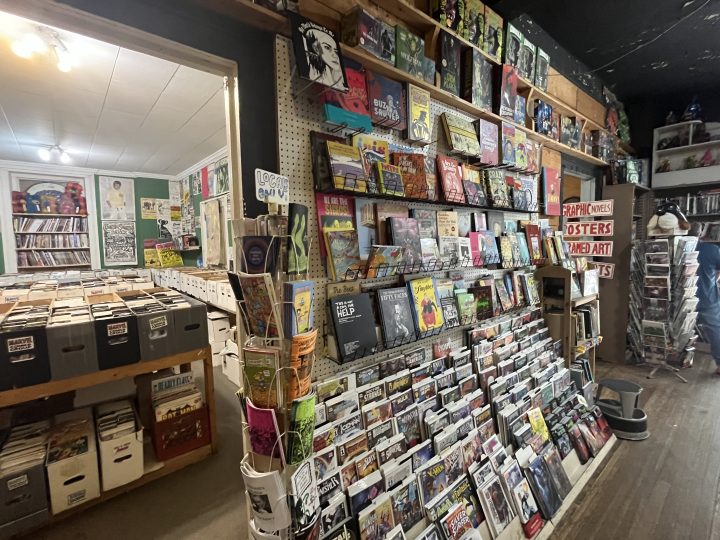
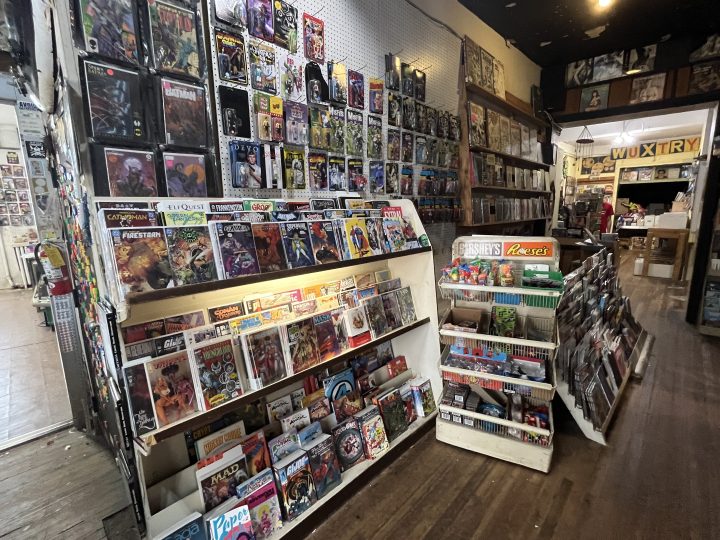
The significance of Bizarro-Wuxtry is best understood through its physical layout—a labyrinthine series of rooms that functioned as an accidental museum of the avant-garde.
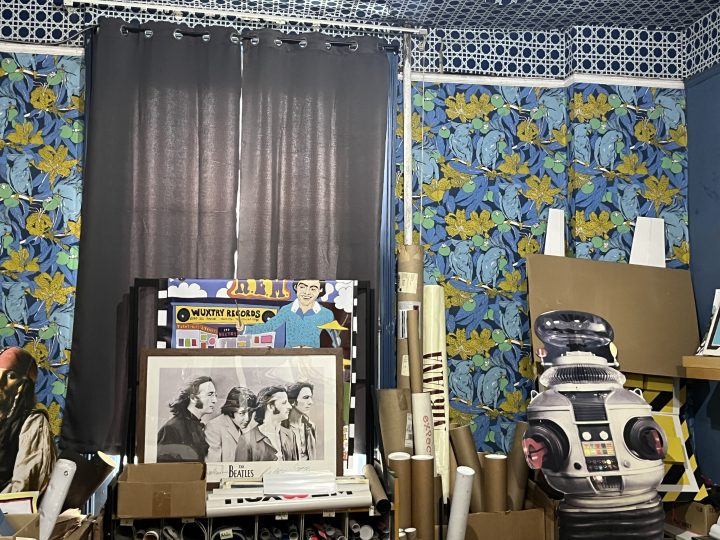
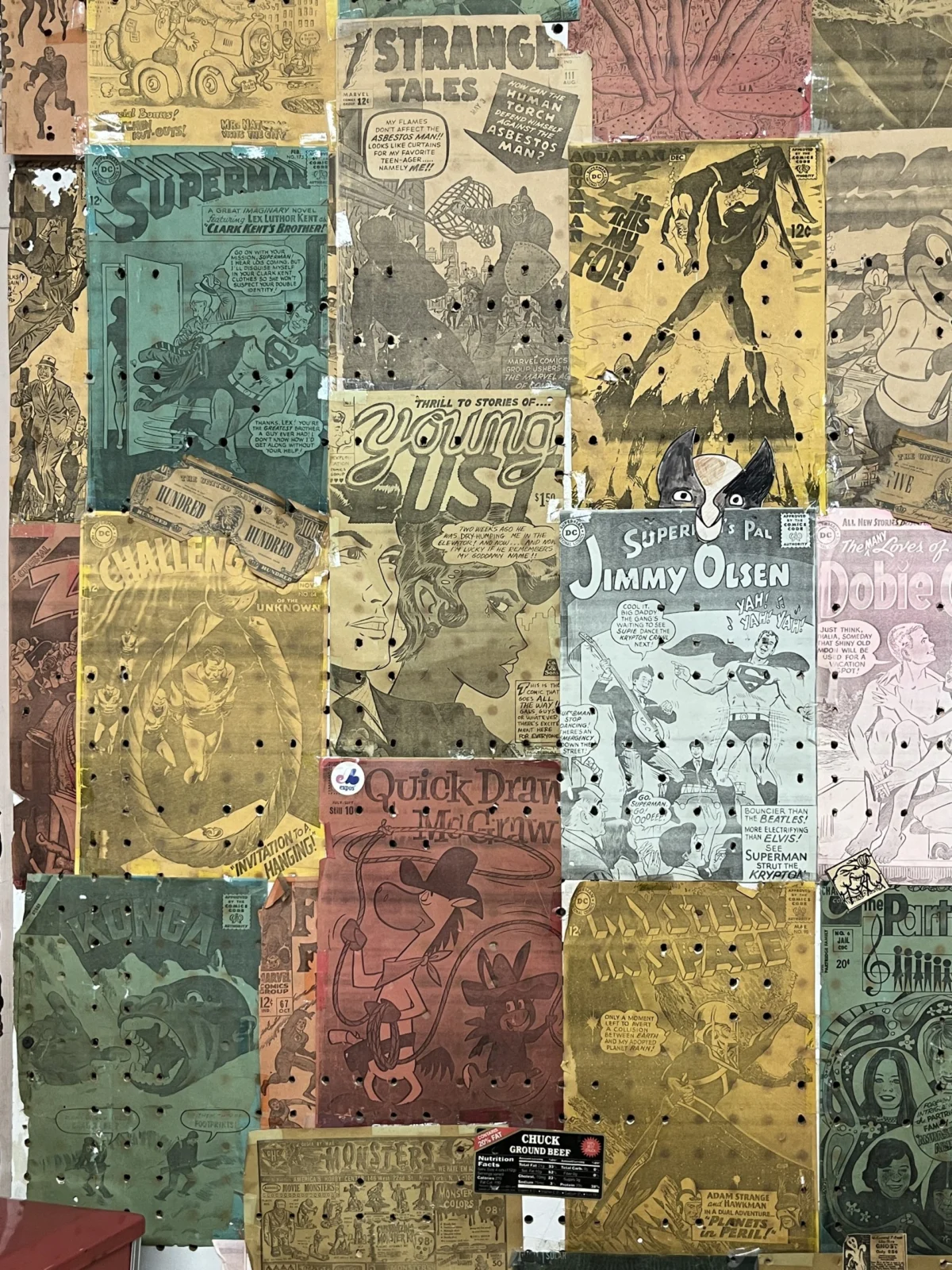
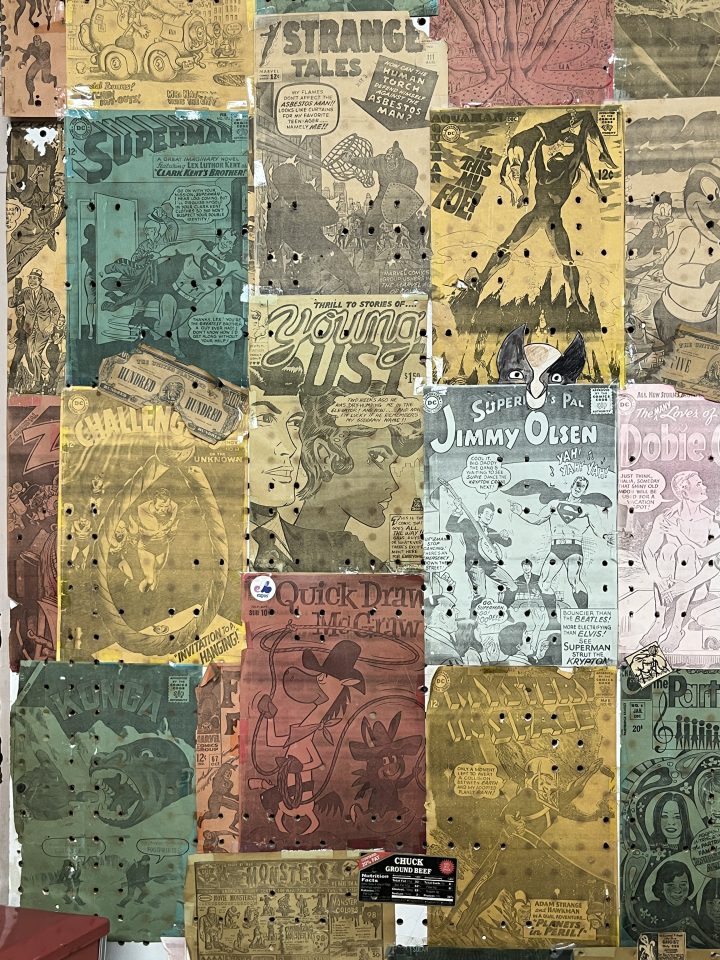
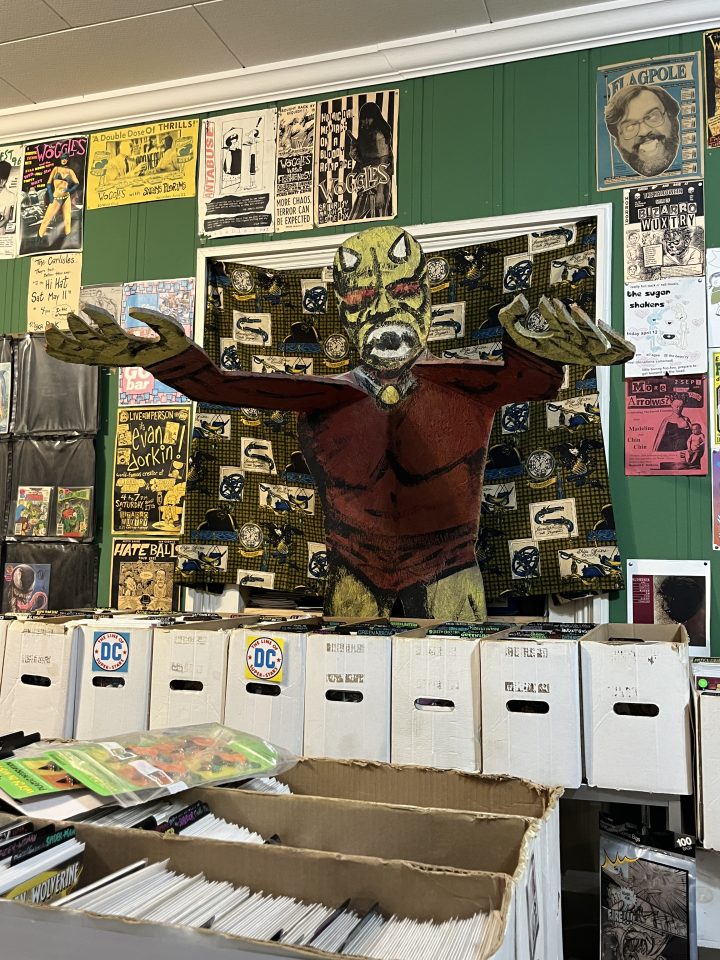
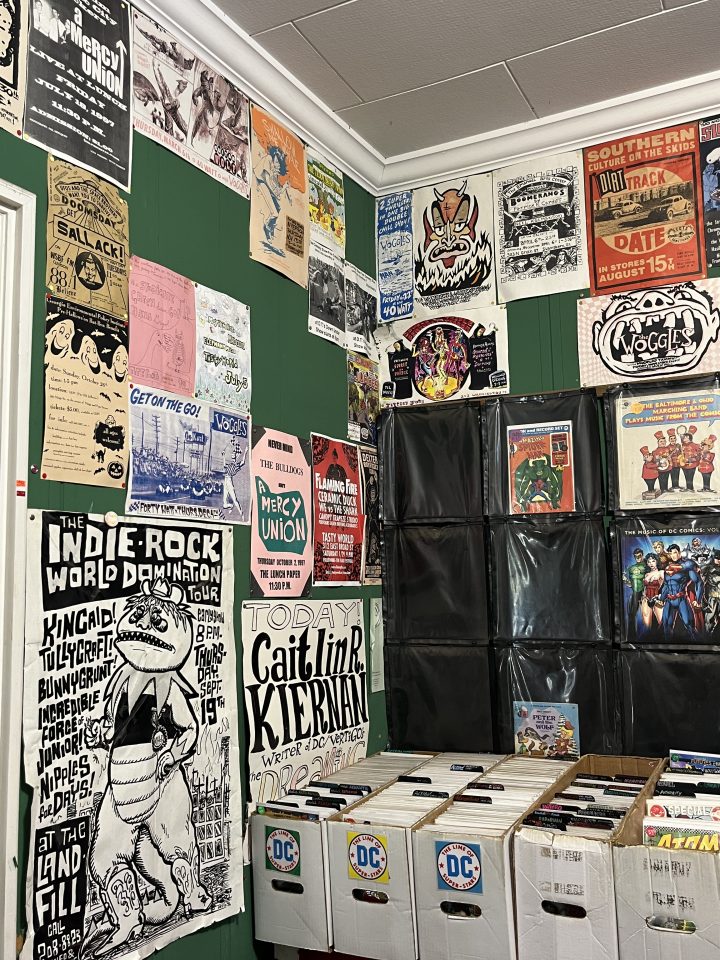
- The Back-Issue Room: The walls of this room serve as a palimpsest of Athens history. Decades of flyers for rock shows, political campaigns, circus performances, and book signings are stapled layer upon layer, creating a literal wallpaper of the city’s cultural evolution.
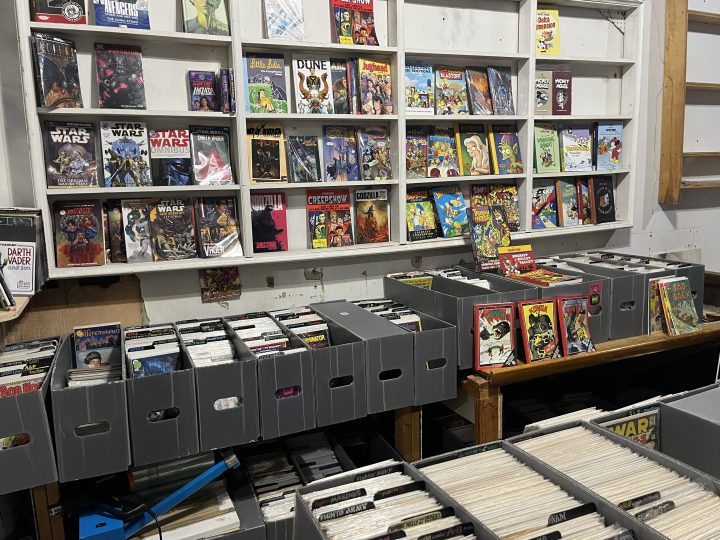
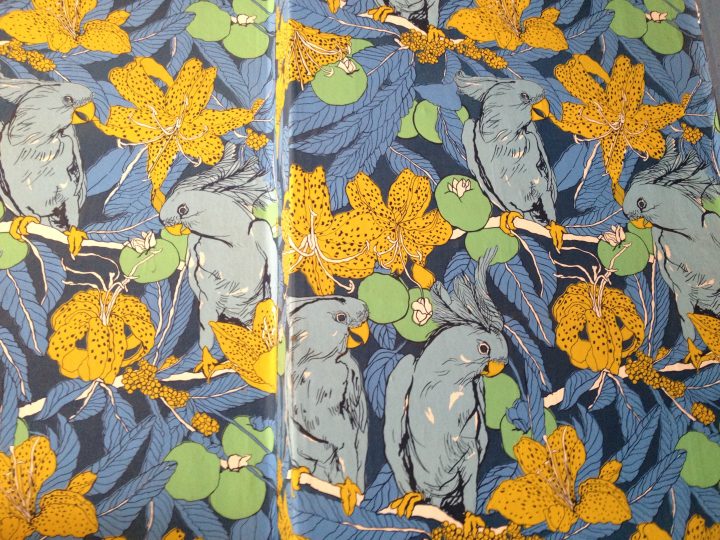
- The "Parrot Room": Notable for its bizarre, repeating-pattern wallpaper of plants and parrots, this room housed "all-ages" and licensed property comics. It was a space where 1950s Archie comics sat alongside 1990s Bongo books (The Simpsons), representing a specialized archive of funny-animal and licensed media.
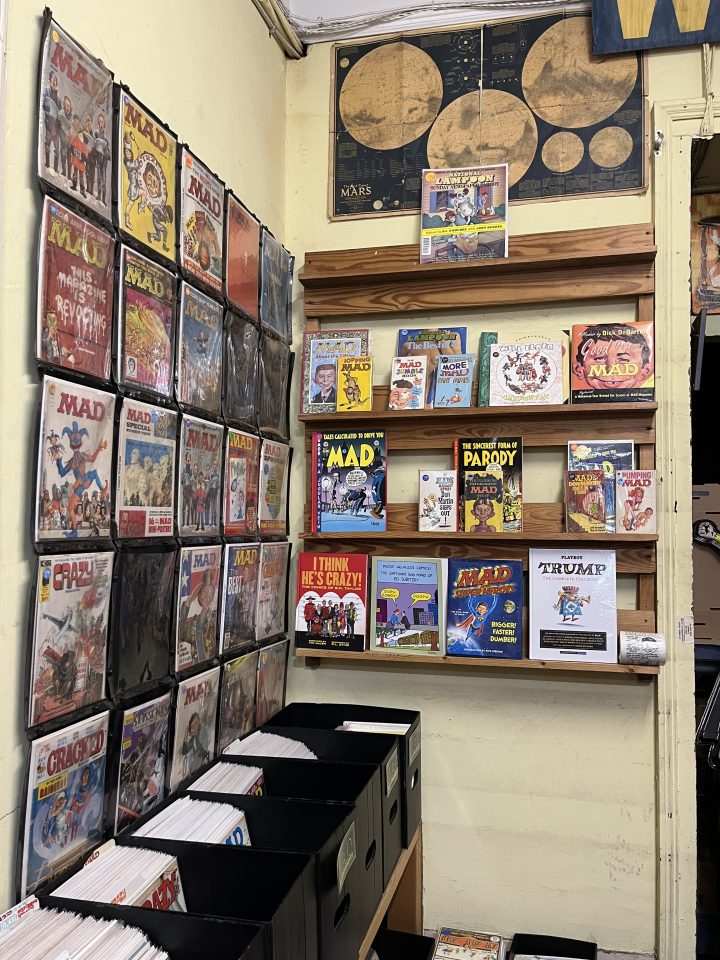
- The Archive of the Obscure: Beyond the main counter, the shop branched into rooms dedicated to 1950s hot rod magazines, vintage wrestling journals, and complete runs of Mad and Cracked imitators.
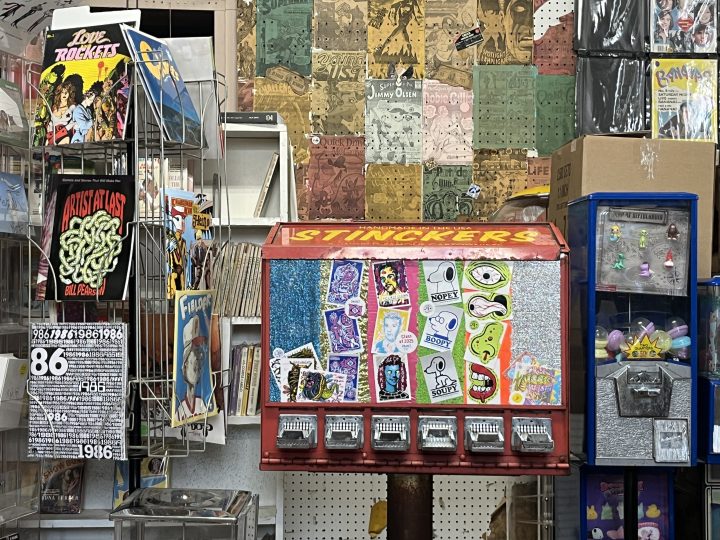
- Small Press Integration: Unlike most comic shops that relegate independent works to a "local" shelf, Bizarro-Wuxtry integrated high-level graphic novels with self-published zines. It was a place where a first-time creator’s photocopy-and-staple zine could be found alongside the works of Eleanor Davis or James Sturm.
According to data from the "Wonderful World of Bizarro-Wuxtry" archive, the shop maintained an inventory that spanned nearly every decade of pop culture, making it a critical resource for researchers, historians, and artists seeking inspiration outside the digital bubble.
Official Responses and Public Sentiment
While the developers have not issued a specific statement regarding the cultural heritage of the site, the reaction from the arts community has been one of profound loss.
Robert Newsome, organizer of the FLUKE Festival, noted the sociological impact: "The modern world has fine-tuned the process of stripping away anything that builds community and provides joy. Under capitalism, the ‘third place’ necessarily has to be a commercial enterprise, but places like Bizarro-Wuxtry did more than simply sell things. They fought back against the idea that commerce is always its own goal."
Local Cartoonists and Academics: Many associated with the University of Georgia’s art programs have pointed out the irony of the situation. The very students for whom the "luxury apartments" are being built are the ones who will lose the unique cultural texture that made Athens an attractive place to study in the first place.
Devlin Thompson: While Thompson remains a fixture in the Athens scene, his 30-year stewardship of the shop’s physical space is coming to a close. His influence, however, remains visible in the careers of dozens of cartoonists who found their first audience on his shelves.
Implications: The Death of the "Third Place"
The closure of Bizarro-Wuxtry in its current form carries heavy implications for the future of urban development and independent retail.
1. The Erosion of the "Third Place"
Sociologist Ray Oldenburg coined the term "third place" to describe environments where people spend time between home ("first place") and work ("second place"). These are locations where community is built through informal interaction. Bizarro-Wuxtry was a quintessential third place. Its loss suggests that in the current economic climate, the cultural value of a space is rarely a match for the speculative value of the real estate it occupies.
2. Gentrification and the "College Town" Model
Athens, Georgia, is a microcosm of a national trend where university-adjacent real estate is being homogenized. The replacement of idiosyncratic, long-standing businesses with high-density, high-rent housing creates a "sanitized" environment. This shift often drives the creative class further to the margins, potentially stifling the very "scene" that developers use to market their properties.
3. The Future of the Small Press
Bizarro-Wuxtry was a rare "non-judgmental" gatekeeper. In an era where online algorithms dictate what we see, the physical discovery of a weird, hand-drawn zine in a shop like Bizarro-Wuxtry is an experience that cannot be replicated digitally. The loss of such a venue creates a significant hurdle for new and experimental artists who rely on physical discovery to build a following.
4. A Legacy of Grief and Growth
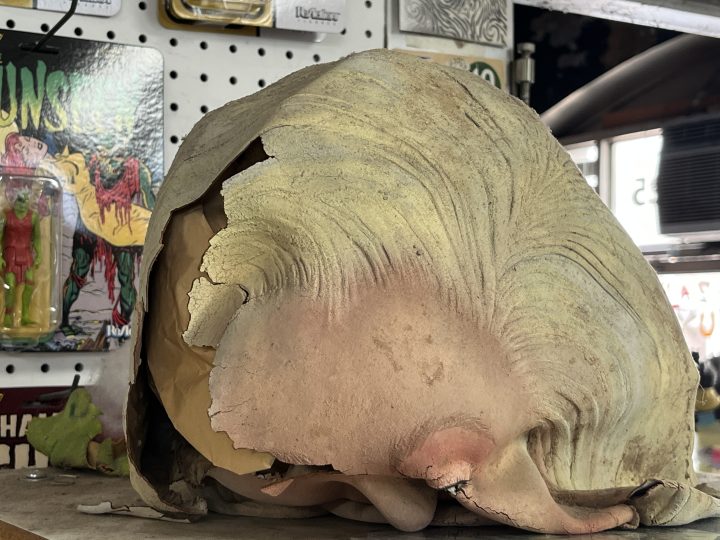
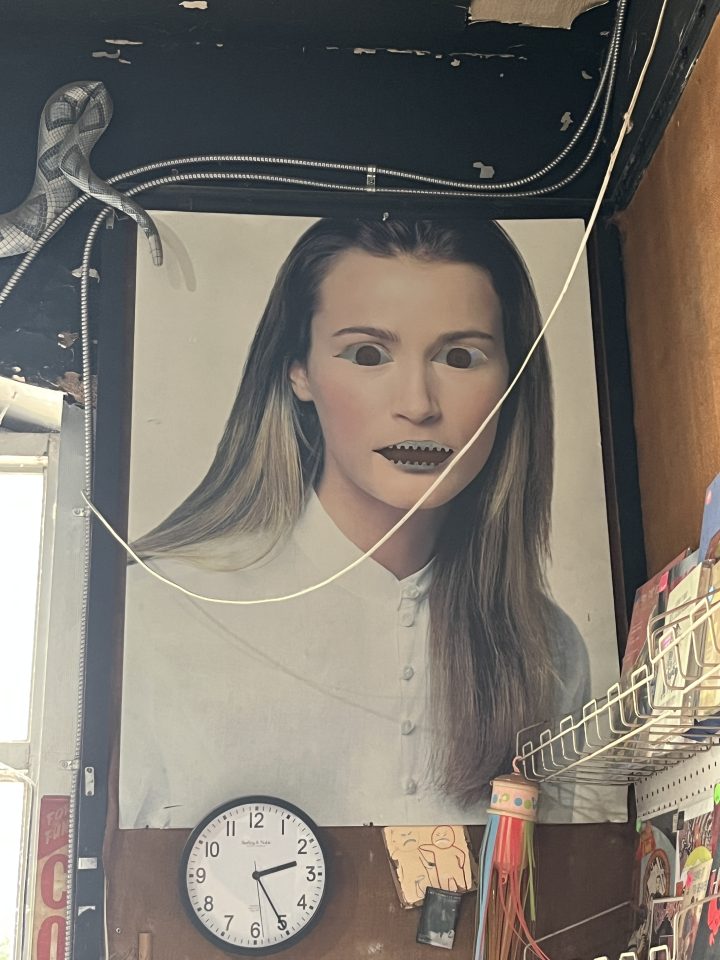
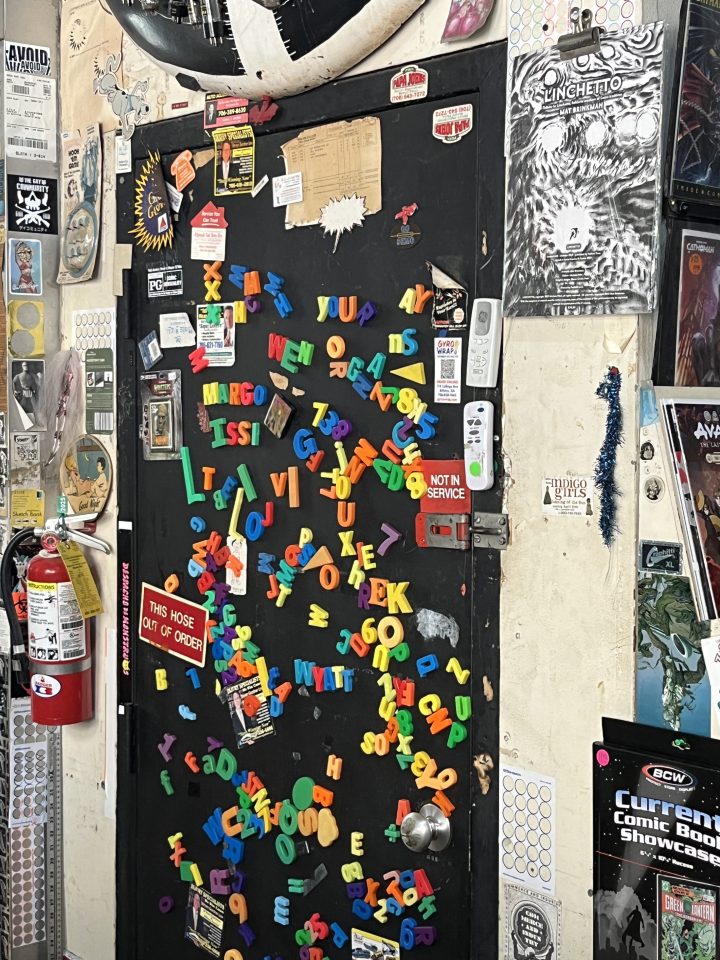
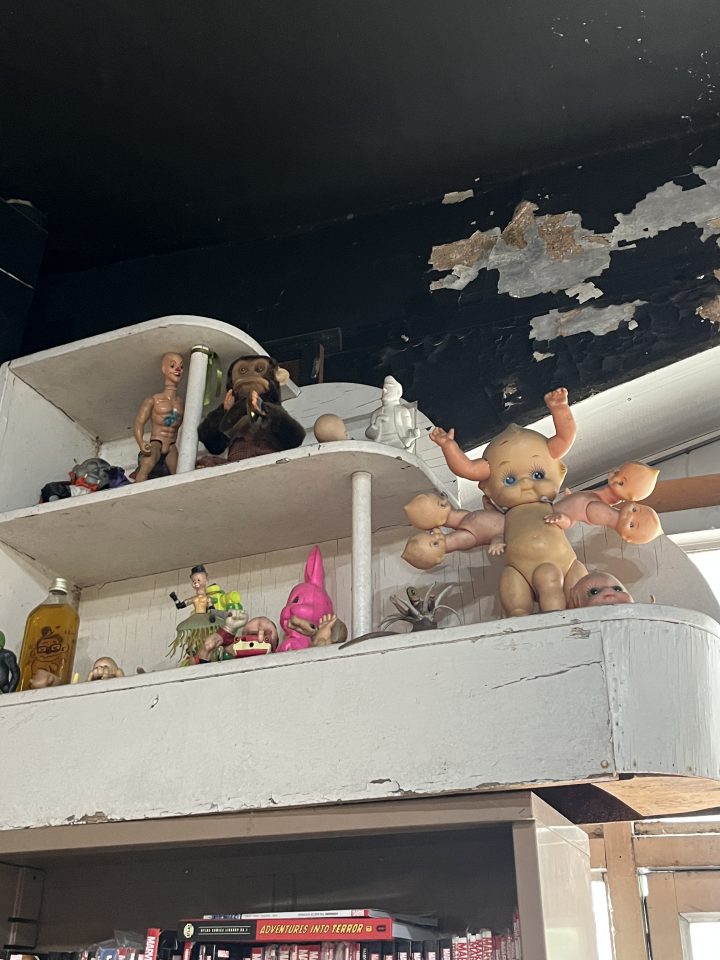
The community now faces a choice. As Newsome articulated, the grief of this loss can either drag the community down or push it forward into new, perhaps more resilient, forms of organization. There are rumors of a potential relocation or a new iteration of the shop, but the specific "magic" of the Clayton Street labyrinth—the melting Marilyn Monroe masks, the giant Etrigan statues, and the magnetic letters on the third-floor door—is likely gone forever.
In conclusion, the sale of Bizarro-Wuxtry is not just the end of a store; it is the closing of a chapter in the history of American underground culture. It serves as a stark reminder that the spaces which inspire us are often the most vulnerable to the tides of redevelopment. For the artists, misfits, and readers of Athens, the world has grown a little less weird, and a lot more hollow.