The Sabers and Roses Ball: A Dance with Destiny on the Eve of Antietam
Urbana, Maryland, September 1862 – Amidst the grim realities of the American Civil War, a remarkable event unfolded in the quiet Maryland village of Urbana. On September 8, 1862, as Confederate forces under General Robert E. Lee advanced into Union territory during the Maryland Campaign, Major General J. E. B. Stuart, the flamboyant cavalry commander, orchestrated a grand ball at the deserted Landon House. This extraordinary interlude, famously known as the "Sabers and Roses Ball," offered a fleeting moment of gaiety and normalcy, only to be dramatically interrupted by the very conflict it sought to escape. Documented vividly by Stuart’s Prussian comrade, Johann Heinrich August Heros von Borcke, this singular event serves as a poignant testament to the human spirit’s resilience and the stark ironies of war, occurring just days before the bloodiest single day in American history: the Battle of Antietam.
Main Facts
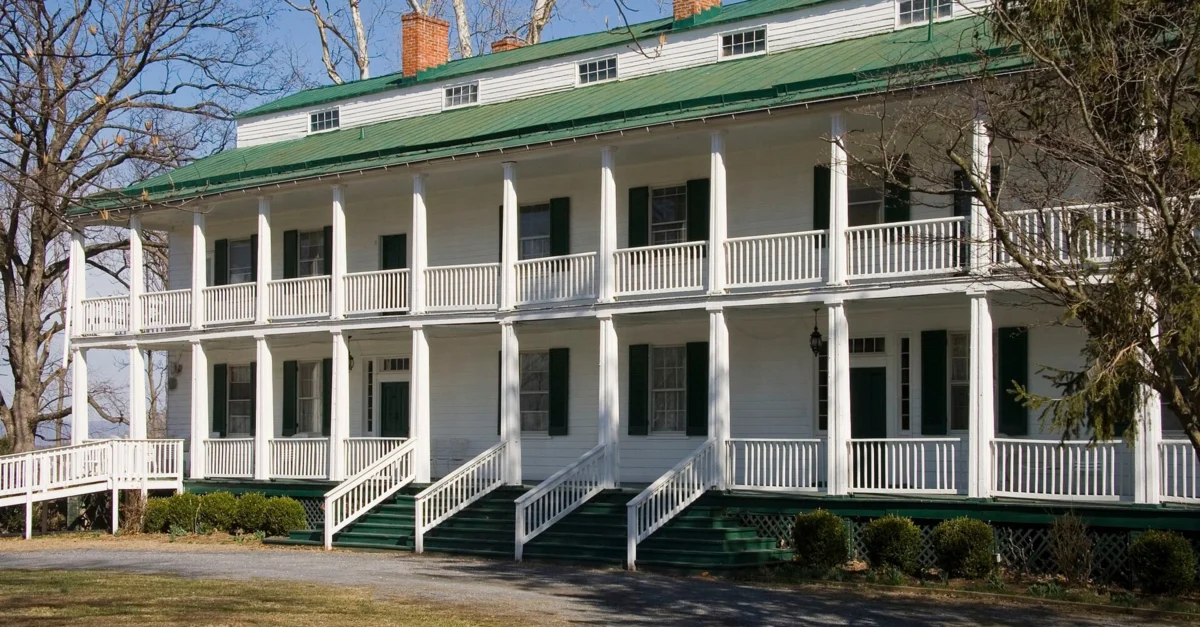
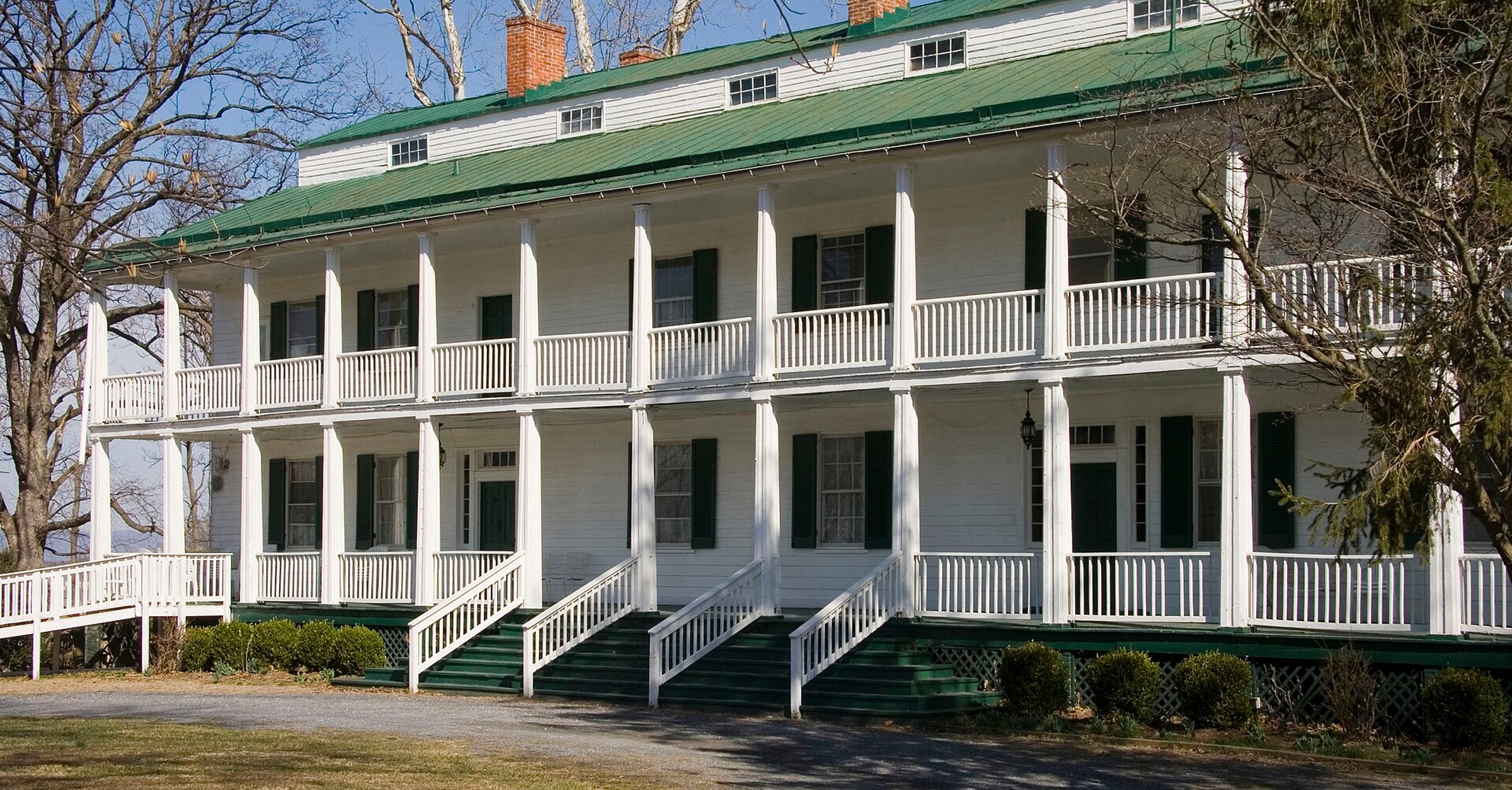
The Sabers and Roses Ball was an impromptu social gathering initiated by Confederate General J. E. B. Stuart on September 8, 1862, in Urbana, Maryland. While campaigning in Union territory, Stuart, known for his charismatic personality and love of revelry, seized upon the idea of hosting a ball at the vacant Landon House, a historic building that had served variously as a silk mill, schoolhouse, and military academy.
The primary account of the event comes from the Memoirs of the Confederate War for Independence by Heros von Borcke, a Prussian cavalry officer serving under Stuart. Borcke details the elaborate preparations, including the decoration of the hall with roses and battle flags, the invitations extended to local families and Confederate officers, and the vibrant atmosphere of the dancing. The festivities, however, were abruptly halted when Union forces launched a surprise attack on the Confederate picket lines. Stuart and his officers, including Borcke, immediately rode to the front, repelled the Union advance, and then remarkably returned to the Landon House to resume the ball, which continued until dawn.
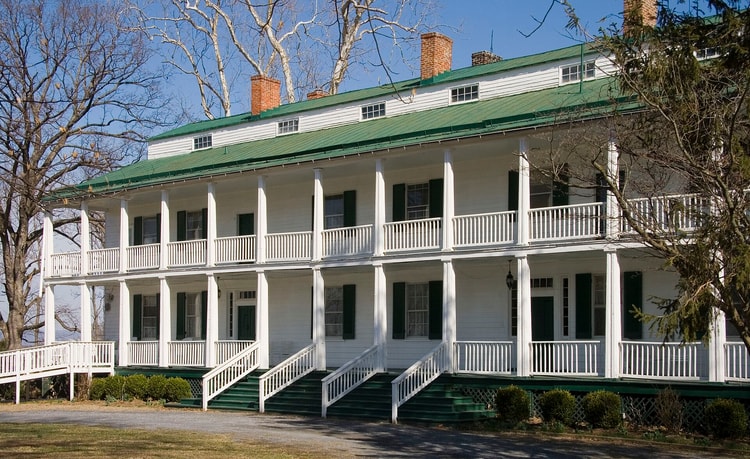
This unique event stands out not only for its audacious blend of martial life and social grace but also for its proximity to the Battle of Antietam (or Sharpsburg), which occurred less than ten days later on September 17, 1862. Antietam would become the bloodiest single day of the war, claiming over 22,000 casualties. The ball, therefore, represents a bittersweet farewell to a semblance of peace and frivolity for many of the Confederate soldiers who would soon face the horrors of mass combat. Today, the Landon House, also known as the Stancioff House, is privately owned but preserved, bearing the marks and memories of both Confederate and Union soldiers who occupied it during the war.
A Glimpse into the Past: The Chronology of the Sabers and Roses Ball
The Sabers and Roses Ball unfolded within a critical juncture of the Civil War, providing a stark contrast to the unfolding military maneuvers that surrounded it.
The Maryland Campaign: A Tense Backdrop
By early September 1862, General Robert E. Lee’s Army of Northern Virginia had launched its first invasion of the North, crossing the Potomac River into Maryland. The primary objectives of this audacious campaign were multifaceted: to gather supplies from unmolested lands, to potentially sway Maryland, a border state, into the Confederacy, to influence upcoming Northern elections, and to gain diplomatic recognition from European powers. General George B. McClellan’s Army of the Potomac was in pursuit, setting the stage for a dramatic confrontation.
J. E. B. Stuart’s cavalry played a crucial role in this campaign, acting as the eyes and ears of Lee’s army, screening its movements, gathering intelligence, and disrupting Union communications. As part of these operations, Stuart and his command found themselves in Urbana, Maryland, a strategic crossroads village. The atmosphere in Maryland was tense; while some residents harbored Confederate sympathies, many remained loyal to the Union, and the presence of Southern troops was met with a mix of curiosity, apprehension, and occasional hostility. It was against this backdrop of strategic maneuvering and civilian uncertainty that Stuart conceived his extraordinary plan.
Discovery and Inspiration: A Ball is Born
The genesis of the ball, as recounted by von Borcke, was entirely spontaneous. Following a dinner party at the home of the local Cockys family, Stuart and his companions, including the ladies, embarked on an evening promenade. Their walk led them to a large, imposing building crowning a gentle hill at the edge of the village – the Landon House. Deserted and somewhat forlorn, having previously served as an academy, its wide, empty halls echoed with their footsteps, a stark reminder of its former vibrancy now silenced by war.
From the highest verandah, the party took in a magnificent view of the moonlit village and surrounding countryside. The scene, with its "misty, bluish light" and "myriads of stars," was described as almost theatrical, evoking "the Thousand and One Nights of Eastern fable." Yet, the distant campfires and the constant neighing of horses served as stark reminders of the war’s omnipresent reality. It was amidst this ethereal yet grounded scene that Stuart, ever the cavalier, declared, "Major, what a capital place for us to give a ball in honor of our arrival in Maryland! Don’t you think we could manage it?" The suggestion was met with enthusiastic, unanimous approval, particularly from the ladies present.
Borcke, with his characteristic efficiency, immediately took charge of the logistical arrangements, promising to handle the illumination, decoration, and issuance of invitations. Stuart, for his part, gladly assumed responsibility for securing the music. Recognizing the inherent uncertainties of a soldier’s life, the decision was made to hold the ball the very next evening, September 8th, ensuring that the fleeting opportunity would not be lost.
Festivities Interrupted: Sabers Clash with Roses
The morning of September 8th witnessed a flurry of activity at Confederate headquarters. Invitations were dispatched throughout Urbana and its environs, and to the officers of Hampton’s brigade, inviting them to this unprecedented event. The deserted Academy halls were aired, swept, and transformed. Local women likely contributed to the festive atmosphere, helping to festoon the rooms with roses, while battle flags, borrowed from various regiments, were draped as patriotic decorations, ironically blending the instruments of war with the symbols of peace.
As evening descended, the broad avenue leading to Landon House filled with guests. The original account offers a charming glimpse into the social fabric of the time: some arrived on foot, others in simple "rockaways," and the more affluent in "stately family coaches, driven by fat negro coachmen who sat upon the box with great dignity." The arrival of the band of the 18th Mississippi Infantry, playing the rousing air of "Dixie," heralded the grand entrance of Stuart and his staff, amidst the loud applause of both invited and uninvited onlookers.
Borcke, as master of ceremonies, attempted to initiate the dancing with a polka, selecting a lady from New York as his partner and "queen of the festival." His surprise was palpable when she gracefully declined, explaining that she did not participate in "round dances" with strangers, preferring only reels and contre-dances, and reserving waltzes for family members. This cultural nuance, a charming detail from the memoirs, highlights the social customs of the antebellum South. Undeterred, Borcke quickly adapted, calling for a lively quadrille, and soon the hall was a vibrant spectacle of movement and sound. The scene was one of unbridled gaiety: "Louder and louder sounded the instruments, quicker and quicker moved the dancers, and the whole crowded room, with its many exceedingly pretty women and its martial figures of officers in their best uniforms, presented a most striking spectacle of gaiety and enjoyment."
This blissful illusion of peace was shattered without warning. "Suddenly enters an orderly, covered with dust, and reports in a loud voice to General Stuart that the enemy have surprised and driven in our pickets and are attacking our camp in force, while at the same moment the sound of shots in rapid succession is distinctly borne to us on the midnight air." Chaos erupted. The music ceased, officers rushed for their weapons, and parents frantically gathered their bewildered children. Young ladies, caught between fear and admiration, ran "to and fro in most admired despair." Amidst the panic, Stuart maintained his renowned composure, giving calm orders. Within minutes, the officers were mounted, galloping towards the front lines.
Repulsion and Resumption: The Dance Continues
Upon reaching the scene of the skirmish, the situation, as is often the case in wartime alarms, proved less dire than initially reported. Colonel Baker and the 1st North Carolina regiment had already checked the Union advance. Major John Pelham, Stuart’s brilliant young artillery chief, swiftly positioned his guns and began pouring fire onto the Union columns. Other Confederate regiments quickly arrived, forming a line of battle. With the situation stabilized, Stuart gave the order for a general attack. The Confederates, enraged by the "unmannerly interruption of our social amusement," charged with fury, inflicting casualties and capturing prisoners before pursuing the retreating Union forces for several miles. By a little past midnight, the Union threat was neutralized, and quiet returned to the Maryland countryside.
It was around one o’clock in the morning when Stuart and his officers returned to Landon House. To their surprise, many of their "fair guests" remained, anxiously awaiting news of the conflict. With the musicians still present, Stuart, ever the showman, ordered them to strike up again. Young officers eagerly volunteered to retrieve "pretty fugitives" who had scattered. Driven by a collective determination that "the Yankees should not boast of having completely broken up our party," the dancing resumed with renewed vigor, continuing until the first glimmer of dawn.
However, the harsh reality of war could not be entirely kept at bay. As the morning light pierced the horizon, ambulances laden with the wounded from the night’s engagement began slowly approaching the Landon House. The Academy, being the most suitable building in Urbana, was to be converted into a temporary hospital. The music immediately ceased, the dancing stopped, and the "lovely partners in the quadrille at once became ‘ministering angels’ to the sufferers." The transition from revelry to compassionate care was instantaneous, a final poignant tableau of the Sabers and Roses Ball.
Supporting Data and Historical Context
The story of the Sabers and Roses Ball is enriched by understanding the key figures involved and the broader historical landscape.
J.E.B. Stuart: Cavalier and Commander
James Ewell Brown "Jeb" Stuart was arguably the most famous Confederate cavalry commander. Born in 1833 in Virginia, he was a West Point graduate who served in the U.S. Army before resigning to join the Confederacy. Stuart cultivated a flamboyant image: a red-lined gray cape, a yellow sash, a hat adorned with an ostrich plume, and often a flower in his lapel. He was known for his love of music, parties, and daring raids, earning him the moniker "The Cavalier of the Confederacy."
Beyond the colorful persona, Stuart was an exceptionally gifted cavalry officer. His strategic genius lay in his ability to conduct reconnaissance, screen troop movements, and execute audacious flanking maneuvers. During the Maryland Campaign, his cavalry was instrumental in protecting Lee’s flanks and gathering vital intelligence. The decision to host a ball, while seemingly frivolous amidst a serious military campaign, was entirely consistent with Stuart’s character. He believed in boosting morale, fostering camaraderie, and projecting an image of confidence and defiance, even in enemy territory. Such events, for him, were not merely distractions but extensions of his leadership style, reinforcing the idea of a dashing, invincible Southern aristocracy.
Heros von Borcke: The Prussian Witness
Johann Heinrich August Heros von Borcke (1835-1895) was a Prussian cavalry officer who, seeking adventure and drawn by the cause, volunteered to serve in the Confederate army. His distinctive presence—a towering figure of six feet six inches—made him stand out, and he quickly became a trusted aide and friend to General Stuart. Borcke’s perspective is invaluable because he was an outsider, offering a unique, often romanticized, yet detailed view of the Southern military and society.
His Memoirs of the Confederate War for Independence, published in 1867, remains a crucial primary source for understanding the daily life of Confederate officers, their campaigns, and their social interactions. While primary sources can sometimes be colored by personal biases or the desire to present events in a particular light, Borcke’s account of the Sabers and Roses Ball is remarkably vivid and consistent with Stuart’s known character. It provides intimate details that would otherwise be lost to history, offering a rare glimpse into the human side of the conflict. Borcke himself survived the Civil War, despite sustaining a severe wound in 1863. He returned to Prussia, continued his military career, and passed away in Berlin in 1895, largely remembered for his compelling memoirs.
Landon House: A Silent Witness
The Landon House, also known as the Stancioff House since the 1940s, holds a rich history predating the Civil War. It began its life as a silk mill, then transformed into a schoolhouse, and later served as the Landon Military Academy. This multi-faceted past adds layers to its significance as the venue for the ball, suggesting a place accustomed to different forms of activity and community gathering.
The original article raises an interesting point about the physical space of the Landon House ballroom versus Borcke’s description of "grand halls" filled with "numerous invited and uninvited guests." Visitors to the restored Landon House today might indeed find its ballroom smaller than depicted in popular imagination or Civil War narratives. This discrepancy highlights a common challenge in historical interpretation: the subjective nature of memory and description. Borcke, a Prussian accustomed to perhaps more formal and spacious European ballrooms, might have perceived the Landon House as grand in the context of a war-torn American village. Alternatively, the sheer volume of people, the energy of the event, and the romantic glow of candlelight could have made the space feel larger and more magnificent than its actual dimensions. It’s a reminder that historical accounts, while invaluable, are always filtered through the lens of the observer. Regardless of its exact size, the house admirably served its purpose as a temporary haven of revelry.
The Broader Maryland Campaign
The Maryland Campaign itself was a pivotal moment in the Civil War. Lee’s invasion, following his victory at Second Manassas, aimed to shift the war’s focus from Virginia and potentially secure Confederate independence. The presence of Stuart’s cavalry in Urbana was part of this larger strategic thrust. Urbana, situated on a major road network, was a natural point for cavalry operations, allowing for scouting, foraging, and communications. The entire campaign culminated in the Battle of Antietam, a brutal defensive stand by Lee’s army that, despite its tactical stalemate, proved to be a strategic Union victory. It halted the Confederate invasion, gave President Lincoln the confidence to issue the Emancipation Proclamation, and effectively ended any immediate hopes of European intervention on behalf of the Confederacy. The ball, therefore, was a brief, almost surreal, pause in a campaign that would profoundly alter the course of the war.
Official Responses and Contemporary Reception
The Sabers and Roses Ball, while a captivating anecdote today, would have been viewed through various lenses by contemporaries.
Confederate High Command’s View
It is highly unlikely that General Robert E. Lee, known for his austere discipline and unwavering focus on military objectives, would have officially sanctioned a grand ball in enemy territory during a critical campaign. Lee often expressed concern about the potential for his troops to become distracted by foraging or social activities. While Stuart enjoyed considerable autonomy and Lee trusted his judgment, a formal approval for such an event seems improbable.
However, Stuart’s actions were often tolerated because of his effectiveness and his ability to maintain troop morale. The ball, in a way, served a morale-boosting function, demonstrating a certain confidence and defiance in enemy territory. It projected an image of Southern gentility and resilience, even amidst the hardships of war. Lee might have viewed it as a calculated risk or a characteristic eccentricity of his dashing cavalry commander, as long as it didn’t impede military operations—which, as the night proved, it almost did.
Public Perception (North and South)
News of such an event, had it widely circulated at the time, would have been met with contrasting reactions. In the South, it might have been celebrated as a symbol of Southern spirit, gallantry, and defiance—a testament to their unwavering determination even when facing the enemy. It could have been seen as a romanticized image of the "Cavalier" tradition, inspiring pride and bolstering civilian morale.
In the North, however, it would likely have been condemned as frivolous, arrogant, and indicative of the Confederacy’s supposed moral decadence. Union newspapers might have portrayed it as a scandalous waste of resources and a sign of Southern aristocratic indulgence while ordinary soldiers suffered. The stark contrast between the ball’s gaiety and the brutal realities of the war would have fueled propaganda efforts on both sides, each twisting the narrative to fit its own agenda.
Modern Historical Interpretation
Today, historians interpret the Sabers and Roses Ball as a fascinating and deeply human episode. It is often seen as a romantic interlude, a brief escape from the omnipresent specter of death and destruction. It serves as a testament to the human desire for normalcy, beauty, and connection, even in the most extreme circumstances. The ball is not merely a curious anecdote but a window into the psychology of those caught in the maelstrom of war—their need to celebrate life, to forget, even for a few hours, the impending doom.
It also highlights the unique character of Stuart and his cavalry. Unlike the often grim infantry, cavalry units sometimes had more opportunities for social interaction and a reputation for panache. The event contributes to the rich tapestry of Civil War lore, reminding us that even amidst the grand strategies and bloody battles, individual human experiences, replete with joy, fear, and resilience, shaped the narrative of the conflict.
Profound Implications and Enduring Legacy
The Sabers and Roses Ball is more than just a captivating story; it carries profound implications and leaves an enduring legacy that resonates even today.
The Shadow of Antietam
The most chilling and poignant implication of the ball lies in its chronological proximity to the Battle of Antietam. Less than ten days after the officers and local gentry danced the night away in Urbana, they would find themselves on the blood-soaked fields near Sharpsburg. On September 17, 1862, Antietam would earn the grim distinction of being the single bloodiest day in American military history, with an estimated 22,720 dead, wounded, or missing on both sides.
J. E. B. Stuart’s cavalry played a significant role in the battle, screening Lee’s left flank and engaging Union forces. It is almost certain that many of the young men who twirled ladies across the ballroom floor at Landon House were either killed or severely wounded in the ensuing carnage. The ball, therefore, becomes a haunting premonition, a final, fleeting moment of innocence and joy before the unimaginable horror that awaited them. It underscores the immense personal cost of the war, transforming abstract casualty figures into individual lives cut short or forever scarred, just days after experiencing a rare moment of peace and celebration.
A Microcosm of War’s Ironies
The Sabers and Roses Ball perfectly encapsulates the profound ironies inherent in warfare. The juxtaposition of a joyous social gathering with a sudden, violent military engagement, followed by a determined resumption of festivities, speaks volumes about the human capacity for both denial and resilience. It illustrates how life, even in the shadow of death, finds ways to assert itself. The image of officers transitioning from dance partners to combatants, and then back to the ballroom, is a powerful metaphor for the unpredictable and often surreal nature of conflict.
Furthermore, the final scene—the arrival of ambulances carrying the wounded, abruptly halting the music and transforming dance partners into "ministering angels"—serves as a stark reminder that the war’s grim reality was never far away. It highlights the constant oscillation between normalcy and crisis, and the immediate imperative for compassion and care when the battle was done.
Landon House Today: A Tangible Link to History
The Landon House stands today as a tangible link to this extraordinary event and the Civil War era. Privately owned, it has been meticulously restored to its 19th-century grandeur, albeit with modern amenities. Its preservation ensures that future generations can walk the same floors where soldiers and civilians mingled, danced, and faced the immediate threat of battle.
Perhaps most compelling are the physical remnants of the war preserved on its walls: the caricatures, drawings, and signatures left behind by both Confederate and Union soldiers who occupied the house at various times. These are direct, personal testaments to the individuals who passed through its doors, offering a direct connection to their experiences. The ballroom, in particular, remains a hallowed space, a silent witness to that unforgettable night when, for a brief spell, the men and women of the South sought refuge from the conflict, dancing as they had before the outbreak of a war that would forever alter the nation. Its continued use for weddings, reunions, and other celebratory events echoes its historical role, allowing new memories to be forged within its storied walls.
The Ball as a Cultural Artifact
The Sabers and Roses Ball has transcended its historical context to become a significant cultural artifact. It features in Civil War literature, documentaries, and popular imagination as an emblem of the romance and tragedy of the era. Its appeal lies in its dramatic narrative, its larger-than-life characters, and its profound human element. It offers a counter-narrative to the relentless brutality of the war, showcasing moments of grace, courage, and the enduring human spirit. It reminds us that history is not just about grand battles and political maneuvers, but also about the individual lives lived, the small moments of joy, and the desperate attempts to hold onto humanity amidst overwhelming adversity. The ball, therefore, continues to fascinate and resonate, serving as a powerful symbol of life’s precarious dance with destiny.
Author’s Note: Grateful acknowledgment to Ms. Carleen Busick for the inspiration for this article.