Uncle Projects Unveils "Common Objects": A Global Photographic Dialogue on Perception
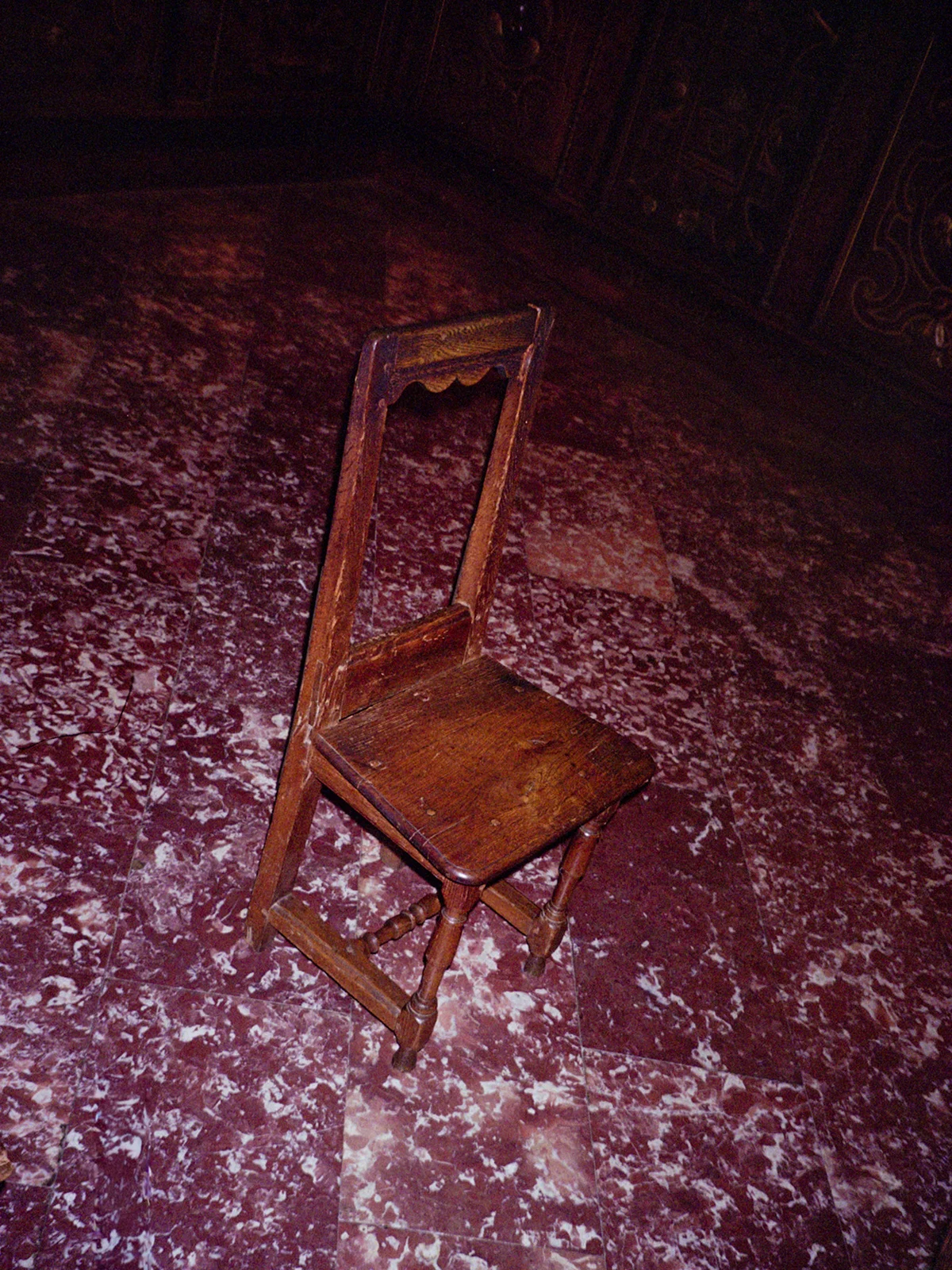
Chicago, IL – [Insert Date] – Uncle Projects, a Chicago-based independent publisher renowned for its dedication to the enduring medium of print photography, has launched its latest ambitious project, "Common Objects." This significant undertaking gathers the diverse perspectives of 97 photographers from across the globe, offering a profound exploration into the power of the image and its capacity to shape our understanding of the world. Moving beyond conventional thematic or geographical categorizations, "Common Objects" adopts the structure of a reference catalog, inviting readers into a sustained, democratic act of looking.
The Genesis of "Common Objects": A Catalog of Visual Association
At the heart of "Common Objects" lies an innovative curatorial approach. Instead of organizing by established themes or geographical origins, the book is meticulously structured by visual association. This deliberate choice draws inspiration from the logic of reference catalogs, a format designed to encourage deep, prolonged engagement with individual items. Within this framework, photographs originating from vastly different cultures and contexts are placed in unexpected proximity, fostering a rich tapestry of connections and contrasts that a singular image could never achieve. This juxtaposition allows the photographs to enter into a subtle, yet potent, dialogue with one another, illuminating how elements such as context, sequence, and framing profoundly influence interpretation and inform our visual experience.
The publisher, Uncle Projects, has long championed the physical presence of photography, recognizing its unique ability to convey depth and nuance. In an era increasingly dominated by ephemeral digital imagery, their commitment to print serves as a vital act of preservation and a testament to the tangible power of the photographic object. "Common Objects" embodies this ethos, presenting a collection that is not merely a compilation of images but a thoughtfully constructed environment for visual discovery and critical reflection.
A Global Tapestry of Photographic Voices
The sheer breadth of talent featured in "Common Objects" underscores its global reach and ambition. The collection showcases the work of 97 photographers, each bringing their unique vision and cultural lens to the project. This expansive roster includes: Celine Amorim, Hilda Argumosa, John Barnard, Zachary Begler, László Gábor Belicza, Angela Blumen, Cas Bochner, Dominique Philippe Bonnet, Anton Bou, Anna Bruce, Kelly Burgess, Neville Caulfield, Jewel Champbell, Ayushi Channawar, Ning Cheng, Anna Chow, Oana Cionca, Jaina Cipriano, Hernando Conwi, Guthrie Cooper, Ellen Cronin, Dallas Crow, Kira Crugnale, Ben Davis, Brian St. Denis, Ness DeVos, Kristin Dimitrova, Lieve Early, Abby Edwards, Giuseppe Francavilla, Gretchen Grace, Silvia Clo Di Gregorio, Nick Grinder, Mike Hamar, Clayton Hauck, Gabriel Alejandro Gomez Herrera, Shelley Horan, Arthur Hunking, Michelle Huynh, Susan Jablonski, Claudia Kedney-Bolduc, Jonathan Khan, Nate King, Katya Konioukhova, De Kwok, Eve Lee, Joyce Lee, Moonsung Lee, Maria Bethania Lopez, Rachele Maistrello, Sarah Malakoff, Simone Martel, Nika McKagen, Clay Mills, Dominika Muszyńska, Svilen Nachev, Ralph Nabil Nasrallah, Grady Neilan, Gabriel Orlowski, Oliver Kolding Palm, Valentina Paparoni, Mia Patterson, Le Pels, Parker Phelps, Tanya Podubienko, Ian Pritchard, Josefine Rauch, Anna Renger, Matthew Rigby, Rafa Rojas, Xavier Rony, Antonio Rosato, Eslam Abd El Salam, Paul Seaton, Enzo Sebastiani, Michael Seleski, Scott Semler, Tiago Serpa, Niki Stavrianou, Anniina Suhonen, Eric O Sullivan, Maxim Tardiveau, Shaza Tarig, Eliseo Tess, Jeff Tidwell, Angela Tozzi, Cody Tracy, Olivier Tuinier, Gabrielle Tyrie, Vahid Valikhani, Michael Vallera, Nick Venaglia, Hunter Ventress, Hanyue Wang, Elijah Wilborn, Tay Wilcoxson, and Thordis Wolf.

The inclusion of such a diverse group of artists is not incidental; it is a deliberate strategy to amplify the book’s central thesis. By juxtaposing images from photographers working in vastly different environments – from bustling urban centers to remote natural landscapes, from deeply personal documentary projects to abstract explorations of form – "Common Objects" creates a dynamic field of visual inquiry. The reader is constantly challenged to consider the origins of their own perceptions and to question the assumed universality of certain visual languages.
The Catalog as a Framework for Democratic Looking
The choice of a reference catalog structure for "Common Objects" is a key innovation. Traditionally, catalogs are designed for easy reference, with items arranged in a systematic, often alphabetical or numerical, order. This format inherently encourages a degree of egalitarianism; each item, regardless of its perceived importance, is given its due space and consideration. Uncle Projects has adapted this democratic principle to the realm of photography.
In "Common Objects," the "items" are not products but photographs, and the "catalog" is not a sales tool but a meticulously crafted visual argument. The lack of explicit thematic groupings means that readers are not guided by pre-determined narratives. Instead, they are invited to forge their own connections, to discover emergent themes, and to build their own understanding of the relationships between the images. This approach fosters a more active and engaged form of viewing, one that is less about passive consumption and more about active participation in the creation of meaning.
The act of "sustained, democratic looking" is central to the experience of "Common Objects." Unlike the fleeting glances often afforded to images in online feeds or even in traditional exhibition settings, the book’s format encourages readers to linger, to compare, and to contemplate. The physical weight of the book, the tactile quality of the paper, and the deliberate sequencing of images all contribute to a focused and immersive experience.

The Power of Proximity and Juxtaposition
The most striking aspect of "Common Objects" is the way in which seemingly disparate photographs are brought into conversation through their placement. A photograph of a domestic interior from one continent might be followed by an image of a vast, uninhabited landscape from another. A portrait capturing intense personal emotion might sit adjacent to an abstract study of light and shadow. These unexpected pairings are not arbitrary; they are designed to provoke thought and to reveal underlying visual resonances or stark contrasts.
For instance, a photograph of a common household object, rendered with meticulous detail and artistic intent, might be placed next to an image of a found object in a natural setting. The juxtaposition prompts questions about the nature of art, the role of intention, and the inherent beauty that can be found in the everyday, regardless of cultural origin. Similarly, images depicting human interaction across different cultural norms can highlight both universal aspects of the human condition and the subtle ways in which our experiences are shaped by our environments.
This deliberate juxtaposition underscores the book’s exploration of how context, sequence, and framing are not merely passive elements but active forces in shaping our interpretation of an image. The meaning of a photograph is not inherent; it is constructed, in part, by its surroundings and by the viewer’s own frame of reference. "Common Objects" provides a fertile ground for observing this phenomenon in action. By placing images side-by-side, the book allows readers to witness how subtle shifts in context can alter perception, how the repetition of a motif across different images can imbue it with new significance, and how the visual grammar of photography can transcend linguistic and cultural barriers.
The Enduring Relevance of Print in a Digital Age
Uncle Projects’ commitment to preserving photography in print is a vital contribution to the cultural landscape. In an era where images are produced and consumed at an unprecedented rate, the permanence and materiality of a printed book offer a unique and valuable experience. The act of holding a photograph in one’s hands, of turning pages, and of engaging with a curated collection over time fosters a deeper level of connection and contemplation than is often possible with digital media.
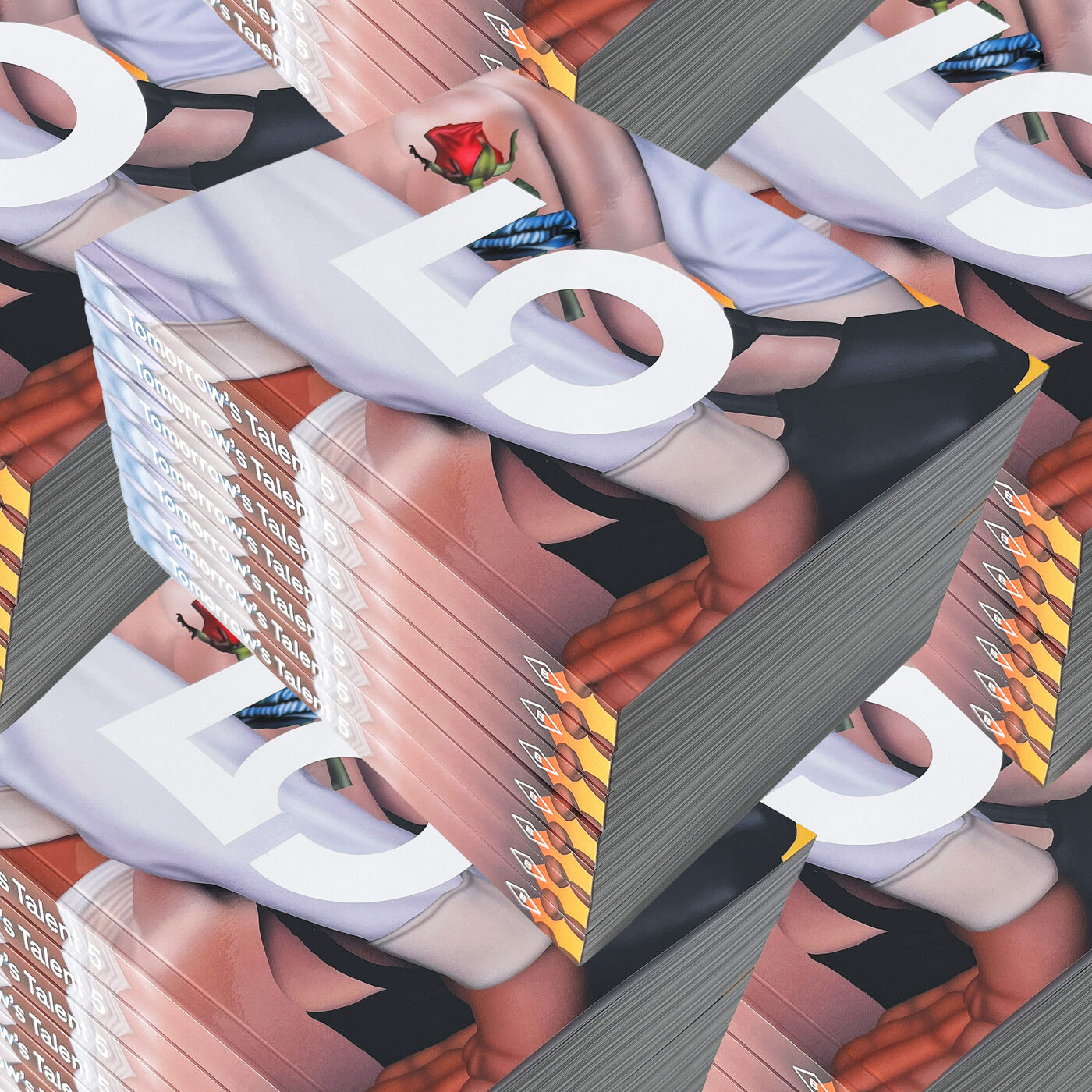
"Common Objects" is more than just a book; it is an argument for the continued relevance and power of the photographic print. It is a testament to the enduring appeal of a medium that allows for a nuanced exploration of the world and our place within it. By bringing together such a diverse and talented group of photographers, and by presenting their work within an innovative and thought-provoking framework, Uncle Projects has created a landmark publication that will undoubtedly inspire and challenge readers for years to come. The book serves as a powerful reminder that even in our increasingly digitized world, the tangible object of a photograph, carefully curated and presented, holds a unique and irreplaceable power to shape our perceptions and expand our understanding.