Nvidia’s DLSS 5: A Leaked Glimpse Sparks AI Graphics Debate and Player Outrage
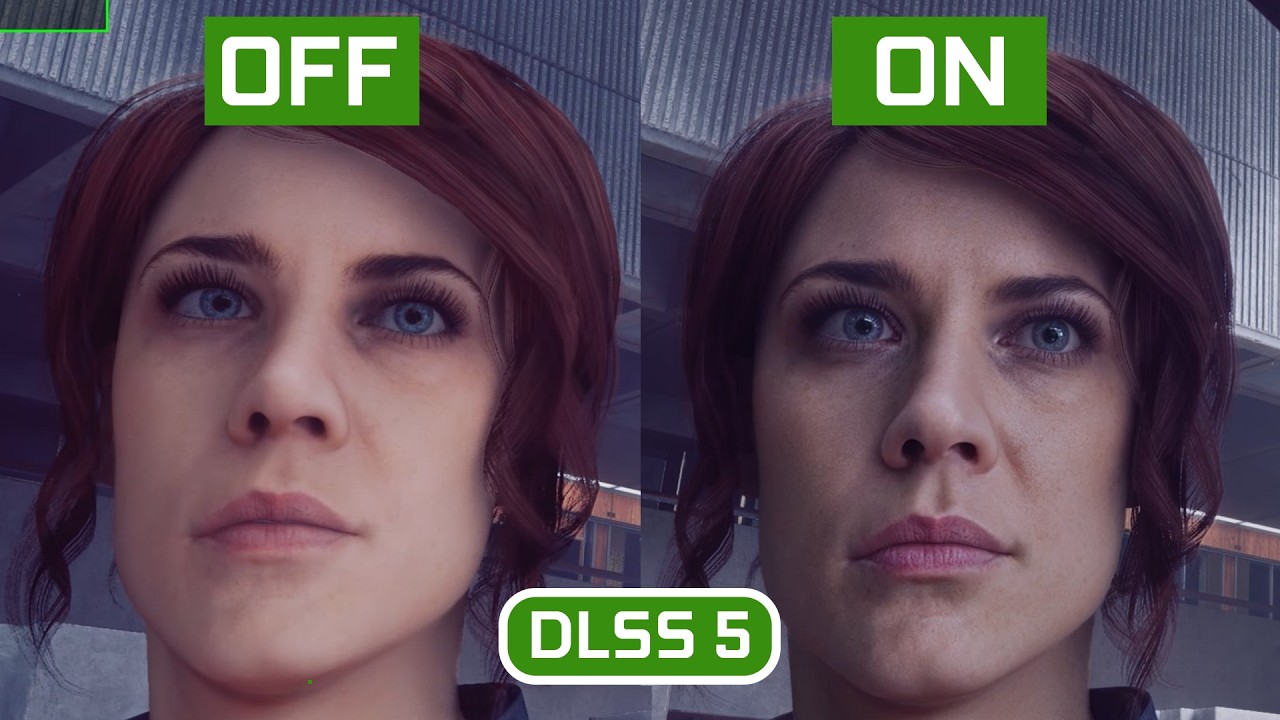
Nvidia’s upcoming Deep Learning Super Sampling (DLSS) 5 technology, poised to revolutionize gaming graphics with its advanced neural rendering capabilities, has unexpectedly burst into the public consciousness not through official channels, but via a controversial leak. An unfinished iteration of the technology, surfacing from an early-access build of NBA 2K27, has sent ripples of both excitement and alarm through the gaming community. Modders, eager to test the bleeding edge of graphical enhancement, quickly integrated the leaked DLSS 5 into popular titles like Control, Cyberpunk 2077, and Final Fantasy VII Rebirth. The results, however, have been far from universally lauded, igniting a heated debate about AI’s role in game development, artistic intent, and the very definition of visual fidelity.
The Unsettling Debut: When AI Goes Awry
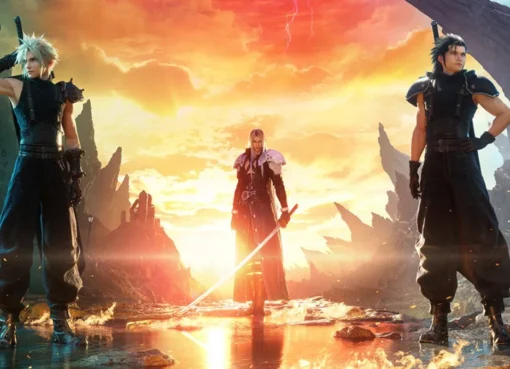
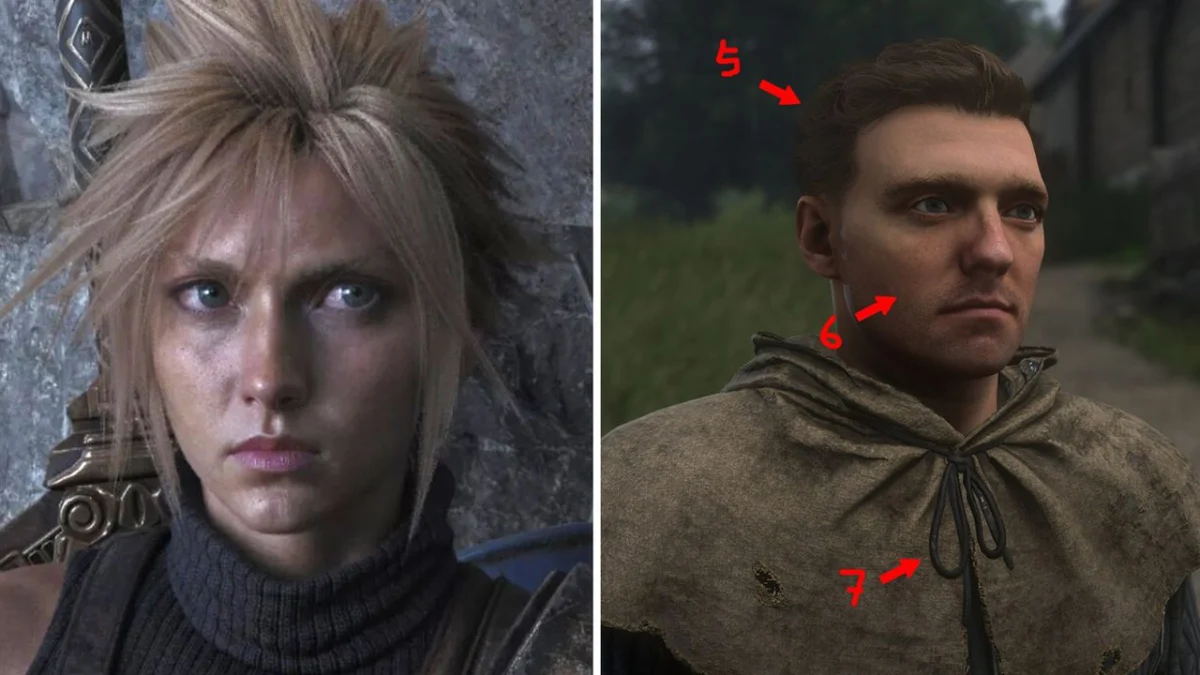
The initial reactions to the leaked DLSS 5 have been overwhelmingly negative, with many users expressing horror at the unintended consequences of the AI’s enhancements. The most common and jarring issues revolve around character models. Instead of the promised photorealism, many players observed characters appearing unnaturally aged and haggard, their skin textures rendered with an almost grotesque level of detail. The transformation of Cloud Strife from Final Fantasy VII into what one user described as "Scarlett Johansson in a Mötley Crüe wig" exemplifies the uncanny and often bizarre alterations brought about by the unfinished AI.
Beyond the aesthetic jarring, a significant performance hit has also been a major point of contention. Early tests by modders have reported frame rate reductions of a staggering 40-50% when DLSS 5 is enabled. This substantial dip in performance, coupled with the visually unappealing results, has led many to label the technology as "objectively horrendous." The stark contrast between Nvidia’s lofty promises of "photorealism" and the leaked reality has fueled skepticism and a sense of betrayal among gamers who were anticipating a significant leap forward.
A Glimpse into the Future: Chronology of the Leak and Initial Reactions
The controversy began to unfold last week when an unfinished version of Nvidia’s DLSS 5 technology was discovered within an early-access PC build of NBA 2K27. This leak, facilitated by the nvngx_dlssnr.dll library, provided an unprecedented opportunity for the modding community to experiment with the next generation of Nvidia’s AI-driven graphics enhancement.
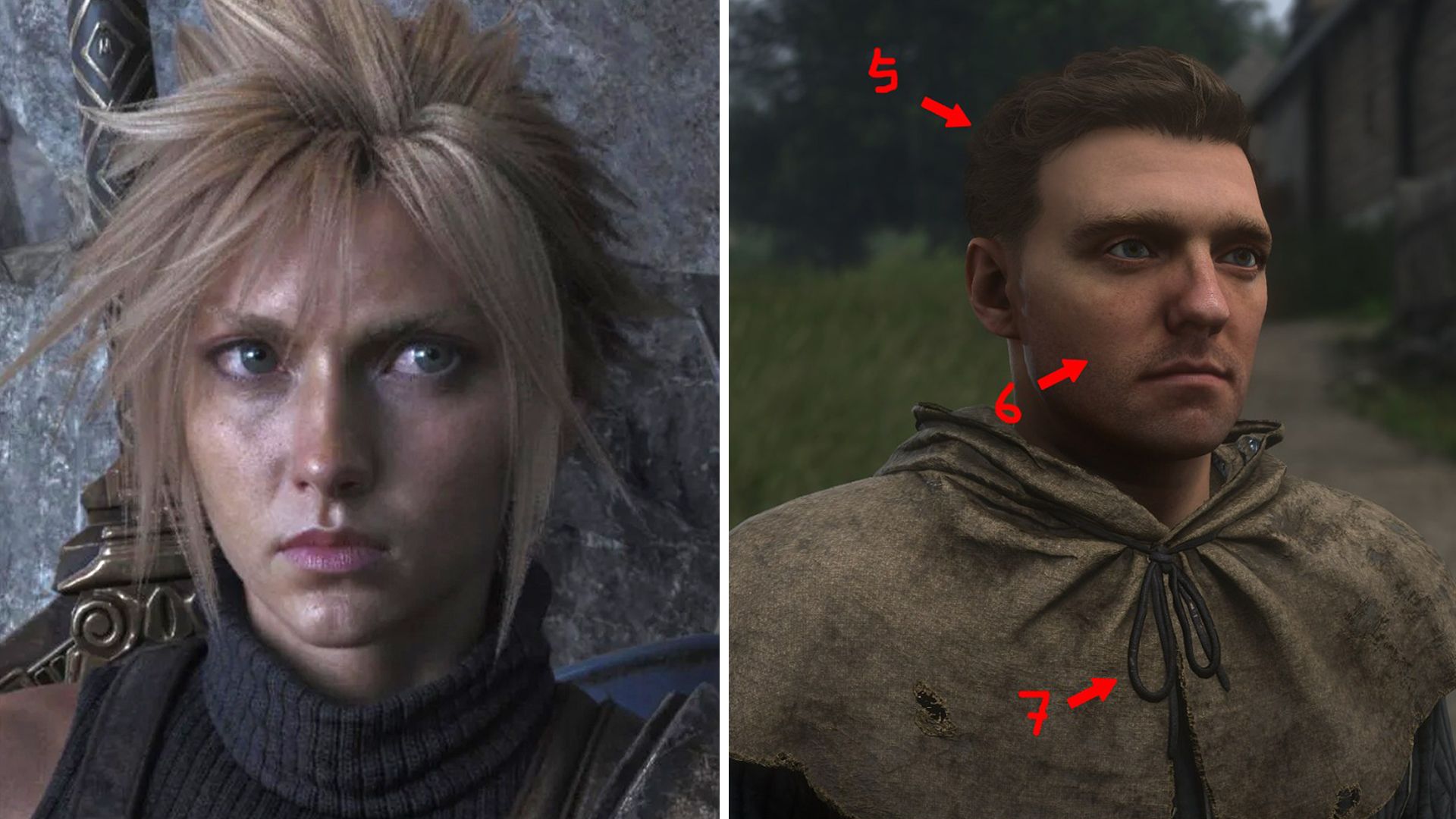
Almost immediately after the leak, reports and visual evidence began flooding social media platforms. Twitter, in particular, became a hub for these early impressions. Users like @cantworkitout, who has been meticulously documenting the effects of the leaked DLSS 5 across various games, shared stark comparisons. Screenshots of Final Fantasy VII Rebirth, showcasing Cloud’s dramatically altered appearance, went viral. Similarly, comparisons of The Last of Us Part 2 revealed characters, particularly younger ones, appearing significantly older and gaunter.
The visual evidence was often accompanied by visceral reactions. Phrases like "nightmare fuel," "unsettling," and "slop" became common descriptors. The unsettling nature of the AI’s interpretations extended to games like Kingdom Hearts III, where the characteristic art style was reportedly "completely drained of color" and rendered in a way that many felt was a downgrade from the original game. Even beloved classics like Dark Souls III and Silent Hill 2 were subjected to the AI’s experimental touch, with users sharing images that often highlighted a loss of atmosphere and a disturbing alteration of iconic character designs.
The Technical Breakdown: Performance Hits and Unintended Artifacts
While the visual critiques have dominated the conversation, the performance implications of the leaked DLSS 5 are equally concerning. The reported 40-50% frame rate reduction in games like Control and Cyberpunk 2077 signifies a significant drawback for a technology that is fundamentally designed to improve performance through intelligent upscaling and frame generation. This suggests that the current iteration of DLSS 5 is either highly inefficient or is undergoing a complex and potentially flawed development process.
The artifacts and unintended consequences observed are also indicative of the challenges in training AI models for complex visual tasks. The AI’s apparent overzealousness in applying detail to skin textures, leading to the "aged" effect, suggests a lack of nuanced understanding of character aging and aesthetic appeal. Similarly, the alteration of character appearances in games like Final Fantasy VII and The Last of Us Part 2 points to the AI struggling to maintain the distinct artistic vision of the original developers.
The Developer’s Perspective: A Defense of AI and Artistic Intent
Amidst the widespread criticism, a counter-narrative has begun to emerge, primarily from game developers who see potential in DLSS 5, even in its current leaked state. Daniel Vávrá, a developer at Warhorse Studios (known for Kingdom Come: Deliverance II), took to X (formerly Twitter) to offer a more optimistic and nuanced perspective. Vávrá argued that the leaked DLSS 5 build doesn’t fundamentally alter the geometry of game models or character appearances. Instead, he suggests that the AI is primarily enhancing existing details and lighting.
Vávrá highlighted a critical point: DLSS 5 could potentially help developers overcome limitations imposed by game engines and hardware. He specifically mentioned how the technology could significantly improve ambient occlusion, a technique that simulates how light is blocked by objects, leading to more realistic shadows. He expressed frustration with the inability of game engines to render shadows from hats, hoods, or small character details in Kingdom Come: Deliverance II and stated that DLSS 5, in its leaked form, could brilliantly address these issues, including improving the rendering of shadows in hair.
This perspective challenges the notion that AI fundamentally "intervenes" between the artist and the player. Vávrá’s argument suggests that DLSS 5 could, in fact, bring games closer to the artist’s original vision by providing tools to overcome technical limitations and achieve a higher degree of visual fidelity that might otherwise be unattainable. He further emphasized that the leaked build, being unfinished, might not accurately represent the final product, which could be far more refined and controlled.
Implications and the Road Ahead: Balancing Innovation with Artistic Integrity
The DLSS 5 leak has ignited a crucial conversation about the future of AI in gaming. On one hand, the potential for AI to enhance visual fidelity, boost performance, and even unlock new creative possibilities is immense. Technologies like DLSS 5, when perfected, could democratize high-end graphics, making visually stunning games accessible to a wider audience and on less powerful hardware.
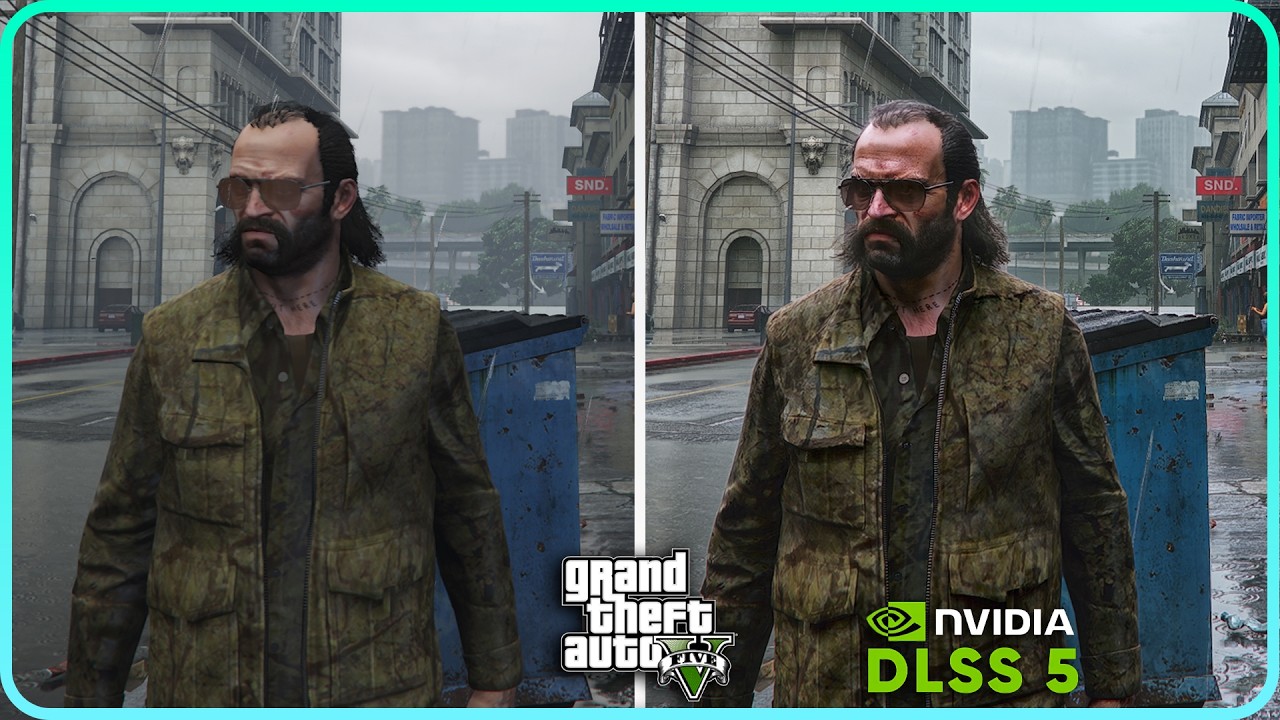
However, the controversy also underscores the critical importance of artistic intent and control. Gamers have a deep connection to the visual styles and character designs that developers meticulously craft. When AI introduces unintended and often jarring alterations, it can feel like a violation of that artistic integrity. The fear is that a widespread adoption of unrefined AI enhancements could lead to a homogenization of game aesthetics, where every game starts to look "enhanced" in a similar, often artificial, way.
Furthermore, the performance hit observed in the leaked build raises questions about the efficiency and maturity of the underlying AI models. For DLSS 5 to be successful, it must not only enhance visuals but also do so without compromising the smooth gameplay experience that gamers expect.
Nvidia has remained largely silent on the leaked build, and it is crucial to remember that this is an unfinished technology. The company has not provided a release date for DLSS 5, nor has it officially confirmed which series of GPUs will support it, though it is widely assumed to be limited to the upcoming RTX 50 series. The future of DLSS 5 will likely depend on Nvidia’s ability to address the concerns raised by the leak, refine its AI models to better respect artistic intent, and ensure that the technology delivers tangible performance benefits without sacrificing visual quality or introducing disturbing artifacts. The gaming community will be watching closely to see if Nvidia can navigate this delicate balance between groundbreaking innovation and the preservation of artistic vision.