The Amazonian Legacy: A Comprehensive Retrospective on Wonder Woman’s Cultural and Heroic Journey
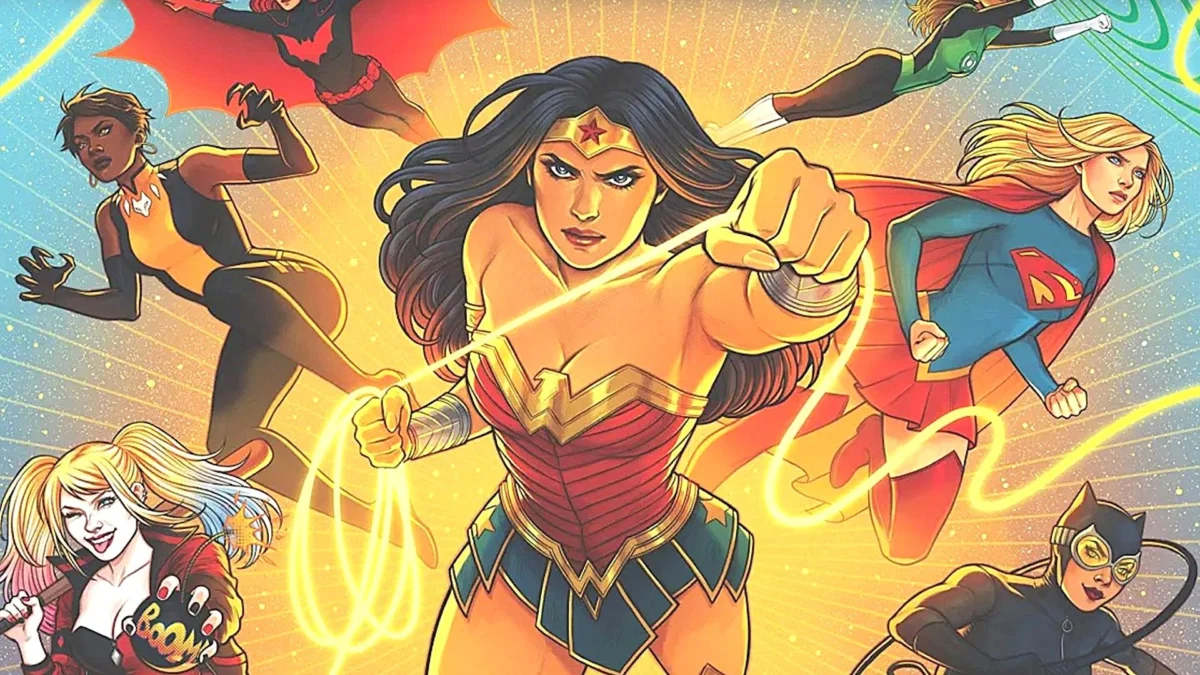
Since her debut in 1941, Wonder Woman has stood as a beacon of justice, a symbol of feminist empowerment, and a cornerstone of the DC Comics universe. Often referred to as part of the "Trinity"—alongside Superman and Batman—Diana of Themyscira represents a unique blend of mythological grandeur and modern humanitarian ideals. As the world revisits her origins through various "Amazonian Trials" and cinematic iterations, it is essential to analyze the depth of her history, the complexity of her arsenal, and the profound impact she has had on global pop culture.
Main Facts: The Identity of an Icon
Wonder Woman is not merely a superhero; she is an ambassador. Born Diana, the Princess of Themyscira, she belongs to a race of immortal women known as the Amazons. These warriors were created by the Olympian gods to protect the world and provide a model of "aphroditean" law—governing through love and wisdom rather than brute force.
Her creation by William Moulton Marston was a deliberate attempt to introduce a new kind of protagonist to the male-dominated comic book landscape of the 1940s. Marston, a psychologist and the inventor of the systolic blood pressure test (a precursor to the modern polygraph), envisioned a character who would triumph not through violence alone, but through the power of truth. This philosophy is manifested in her most famous tool: the Lasso of Truth.
The Tools of Justice
Wonder Woman’s equipment is as legendary as her lineage.
- The Lasso of Truth: Forged by Hephaestus from the Golden Girdle of Gaea, it compels anyone within its grasp to speak the absolute truth and can dispel illusions.
- The Bracelets of Submission: These silver wrist guards are indestructible, capable of deflecting bullets and magical energy. They serve as a permanent reminder of the Amazons’ past struggle for liberation.
- The Royal Tiara: Often used as a throwing weapon, it symbolizes her status as royalty and her commitment to her people.
Chronology: From Clay to Cinema
The evolution of Wonder Woman can be mapped across eighty years of shifting social norms and narrative styles.
The Golden Age (1941–1950s)
Diana first appeared in All Star Comics #8 in December 1941. Her initial origin story was steeped in mysticism: Queen Hippolyta, longing for a child, sculpted a baby from clay on the shores of Paradise Island. The Greek gods then breathed life into the sculpture, gifting her with the strength of Demeter, the speed of Hermes, and the wisdom of Athena. During World War II, Diana left her home to assist Intelligence Officer Steve Trevor in the fight against the Axis powers, positioning her as a patriotic hero.
The Silver and Bronze Ages (1960s–1980s)
In the late 1960s, the character underwent a controversial "mod" phase where she surrendered her powers to remain in "Man’s World," practicing martial arts instead of using Amazonian magic. However, the 1970s saw a return to her roots, bolstered by the massive success of the Wonder Woman television series starring Lynda Carter. Carter’s portrayal solidified Diana as a household name and a feminist icon.
The Modern Era and the DCEU (2011–Present)
In 2011, DC Comics’ "New 52" reboot altered her origin, suggesting she was the biological daughter of Zeus and Hippolyta, making her a demi-god. This version influenced the DC Extended Universe (DCEU) films. In 2016, Gal Gadot debuted as the character in Batman v Superman: Dawn of Justice, followed by the 2017 solo film Wonder Woman, directed by Patty Jenkins. This film moved her "entry into the world of men" from WWII to World War I, emphasizing the senseless horror of modern warfare.
Supporting Data: Mythology and Antagonists
To understand Wonder Woman is to understand the world of Themyscira and the foes that challenge her peace.
The Geography of Paradise
Themyscira, also known as Paradise Island, is a hidden utopia shielded from the world of men by a mystical veil. It is a society governed by the Amazons, who have spent millennia honing their skills in philosophy, science, and combat. Unlike the chaotic world outside, Themyscira represents an idealized vision of harmony—though it is often the target of gods and monsters seeking to enslave the Amazons.
The Rogues’ Gallery
While Superman fights aliens and Batman fights psychopaths, Wonder Woman’s enemies are often manifestations of ideological extremes:
- Ares: The God of War is her ultimate nemesis. He thrives on conflict and views Diana’s mission of peace as a threat to his very existence.
- The Cheetah (Barbara Minerva): Often depicted as a former friend or colleague of Diana, Cheetah represents the corruption of ambition and the pain of jealousy. In Wonder Woman 1984, she was portrayed by Kristen Wiig as an archaeologist who trades her humanity for power.
- Circe: A powerful sorceress from Greek myth who seeks to humiliate the Amazons and reshape the world through dark magic.
Official Responses: Cultural Reception and Legacy
The reception of Wonder Woman has often mirrored the state of gender politics in the real world. In 1972, Gloria Steinem placed Wonder Woman on the first standalone cover of Ms. Magazine, reclaiming the character as a symbol of the Women’s Liberation Movement.
The United Nations Appointment
In 2016, the United Nations named Wonder Woman an Honorary Ambassador for the Empowerment of Women and Girls. While the appointment was met with some internal protests regarding the character’s sexualized appearance in some comic iterations, the move highlighted her status as a global symbol of strength. The UN stated that the character was chosen for her commitment to justice and her role in "shattering glass ceilings."
Critical and Commercial Performance
The 2017 film Wonder Woman became a landmark event, earning over $822 million worldwide. It remains one of the highest-rated superhero films on review aggregators like Rotten Tomatoes. Critics praised Patty Jenkins for balancing the "No Man’s Land" action sequences with a sincere, hopeful tone that departed from the darker, more cynical entries in the DC film lineup at the time.
Implications: The Future of the Amazonian Ideal
As DC Studios transitions into a new era under the leadership of James Gunn and Peter Safran, the future of Wonder Woman remains a central topic of discussion. The announced project Paradise Lost, described as a Game of Thrones-style political drama set on Themyscira before Diana’s birth, suggests a deepening of the franchise’s mythological roots.
Philosophical Impact
Wonder Woman’s enduring relevance lies in her refusal to compromise her empathy. Unlike many heroes who are defined by their tragedy (the loss of parents or a home planet), Diana is defined by her mission. She chooses to leave a perfect paradise to help a flawed world. This "Trial of the Amazon" is a metaphor for the modern struggle: how to maintain one’s values in a world that often rewards cynicism and conflict.
Educational and Social Influence
Beyond the screen, the "Wonder Woman effect" has been documented in psychological studies. The "power pose"—standing tall with hands on hips, a signature of the character—has been studied for its ability to increase confidence and reduce cortisol levels in real-life situations. Furthermore, the character continues to inspire young girls to pursue roles in leadership and STEM, reflecting the Amazonian dedication to both physical and intellectual excellence.
Conclusion
Wonder Woman is a character of contradictions that work in perfect harmony: she is a warrior who hates war, a princess who serves humanity, and a god who believes in the potential of mortals. From her inception in the mind of a lie-detector inventor to her status as a billion-dollar cinematic lead, she has proven that the search for truth is the most heroic quest of all. Whether she is fighting Ares on the battlefields of 1918 or navigating the complexities of modern justice, Diana of Themyscira remains an indispensable part of our collective mythology. As long as there is a need for truth and a hope for peace, the world will always have a place for Wonder Woman.