The Intersection of Domesticity and Speculative Fiction: The Cultural Resonance of the "Genre Pet"
Introduction: A Moment of Feline Whimsy in Science Fiction Fandom
In the sprawling, often high-stakes world of science fiction and fantasy (SF/F) journalism, where debates frequently center on Hugo Award eligibility, the nuances of hard science, or the trajectory of cinematic universes, a quieter tradition continues to thrive. This tradition—the documentation of "genre pets"—was recently highlighted by a submission from veteran technology writer and SF enthusiast Daniel Dern to File 770, the long-running, multi-Hugo-winning fanzine edited by Mike Glyer.
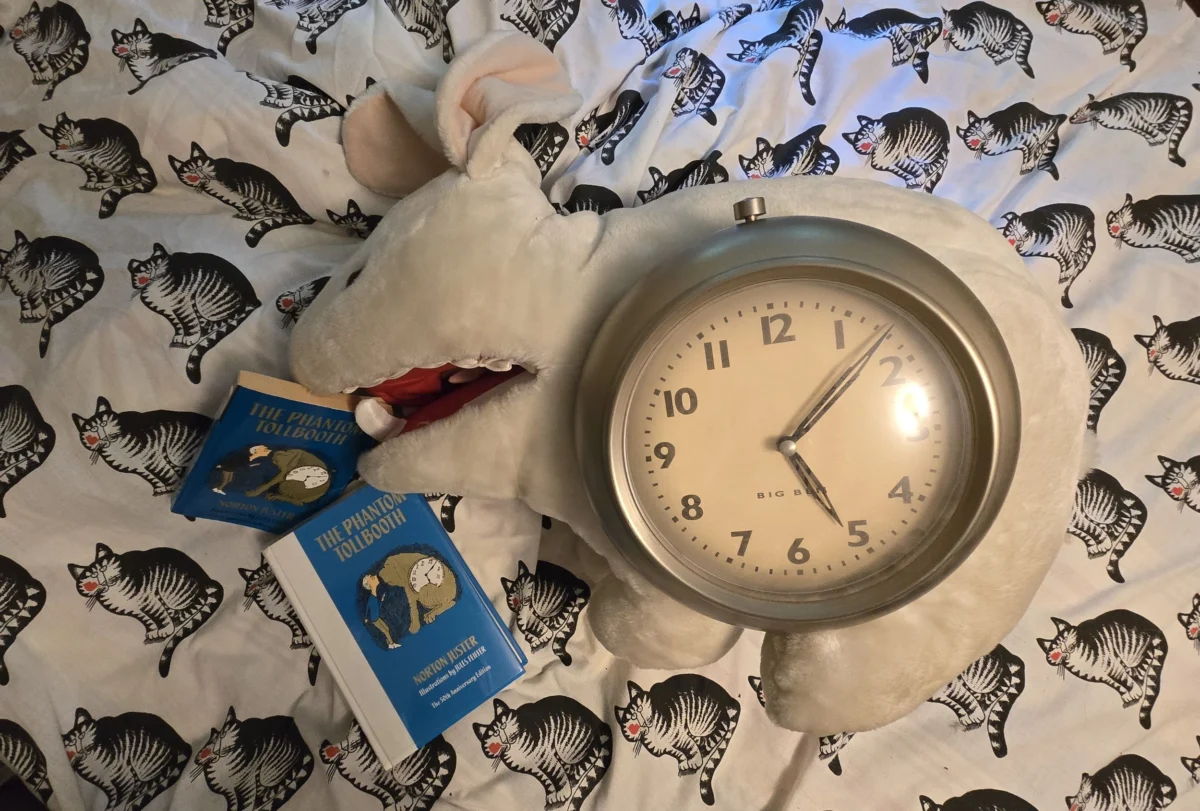
The submission, featuring a cat named Credential resting atop a classic work of genre literature, serves as more than just a brief moment of internet levity. It represents a bridge between the domestic lives of readers and the expansive worlds they inhabit through literature. With titles suggested by Dern such as "Cosplaying Credential Sleeps On SF" and "The Phantom Tollbunny Strikes Back!", the contribution underscores a deep-seated cultural intersection: the enduring relationship between the literary imagination and the feline companion.
Main Facts: The "Credential" Submission
The core of the news revolves around a photographic submission by Daniel Dern. The image depicts his cat, Credential, in a state of repose on a book. The cleverness of the submission lies in its wordplay and its appeal to the specific sensibilities of the File 770 readership.
The Wordplay and Visual Puns
Dern provided two potential titles for the feature, both of which rely on "fan-speak" and literary references. The first, "Cosplaying Credential Sleeps On SF," plays on the concept of "credentials"—the badges worn at conventions—while personifying the cat as a participant in the "cosplay" (costume play) culture.
The second title, "The Phantom Tollbunny Strikes Back!", is a layered reference. It invokes Norton Juster’s 1961 masterpiece The Phantom Tollbooth, a staple of speculative fiction for young and old alike, while blending it with the iconic Star Wars sequel, The Empire Strikes Back. The term "Tollbunny" suggests a visual comparison between the cat’s ears and those of a rabbit, a common trope in pet photography within the fandom community.
The Role of File 770
File 770, the platform for this submission, is a cornerstone of SF/F fandom. Named after the room number at the 1951 Worldcon where a famous party was held, the site serves as a clearinghouse for news about fans, professional writers, and the "stfnal" (scientifictional) community. By soliciting photos of felines—or "whatever you’ve got"—resting on genre works, editor Mike Glyer reinforces the "living room" atmosphere that has defined fanzine culture for nearly a century.
Chronology: From Mimeographs to Digital Pet Galleries
To understand the significance of a cat sitting on a copy of The Phantom Tollbooth in 2024, one must look at the historical trajectory of fan communication.
The Era of the Print Fanzine (1930s–1980s)
In the early days of science fiction fandom, communication was handled through amateur magazines, or fanzines. These were often produced on mimeograph machines and sent via mail. Because these publications were labors of love, they often included "filler"—small poems, sketches, or anecdotes about the authors’ lives. The inclusion of personal details, including mentions of pets, was essential in creating a sense of community among geographically isolated fans.
The Rise of File 770 (1978–Present)
Mike Glyer launched File 770 in 1978. Throughout the 80s and 90s, it became a premier source of "fan-news." As the publication transitioned to a digital blog format in the 2000s, the speed of information increased, but the core content remained the same. The "Pet on a Book" feature is a digital evolution of the personal anecdotes found in the paper zines of the 1970s.
The Evolution of the "Genre Pet"
Over the last decade, the "genre pet" has become a formalized sub-genre of fan participation. As social media platforms like Instagram and X (formerly Twitter) popularized pet photography, the SF/F community adapted this by adding a literary layer. The act of placing a pet near a Hugo-winning novel or a rare pulp magazine is a way for fans to signal their tastes while engaging in the universal language of "cute" internet content.
Supporting Data: The Cultural Weight of the Literature
The specific book featured in Daniel Dern’s photo, The Phantom Tollbooth, provides a rich backdrop for this interaction. Understanding why this book resonates helps explain why the community finds the photo so engaging.

The Significance of The Phantom Tollbooth
Written by Norton Juster and illustrated by Jules Feiffer, The Phantom Tollbooth is often cited by science fiction writers as a foundational text. Its exploration of logic, mathematics, and the power of words mirrors the intellectual pursuits of SF fandom.
- Publication Date: 1961.
- Themes: Intellectual curiosity, the dangers of boredom (The Doldrums), and the beauty of abstract thought.
- Connection to Fandom: The book’s protagonist, Milo, travels through a world where concepts are literal—a form of "world-building" that predates many modern fantasy tropes.
The "Cat and Writer" Archetype
The association between cats and the literary world is backed by historical precedent. From Ernest Hemingway’s polydactyl cats in Key West to the feline companions of Ursula K. Le Guin and Neil Gaiman, the cat is the unofficial mascot of the speculative fiction writer. In a survey of fan habits, the "quiet companionship" of a cat is often cited as the ideal environment for deep-reading long-form space operas or complex fantasy trilogies.
Official Responses and Community Engagement
The call to action by Mike Glyer—"Photos of your felines (or whatever you’ve got!) resting on genre works are welcome"—has elicited a steady stream of responses from the "File 770" community, known affectionately as "Pixels."
Editorial Philosophy
Mike Glyer’s editorial stance has always been one of inclusivity. By inviting readers to share their personal lives, he maintains a high level of engagement that many corporate-run news sites struggle to replicate. The "official response" from the community is typically one of enthusiastic participation, where the quality of the pun in the title is often as valued as the quality of the photo itself.
The Role of Daniel Dern
Daniel Dern is not merely a random contributor; his background as a professional journalist (writing for IEEE Spectrum, Byte, and others) lends a certain "professional-fan" gravitas to the submission. His involvement highlights how the SF/F community blurs the lines between professional output and hobbyist passion. When a figure like Dern engages in "Tollbunny" puns, it signals to the rest of the community that the space remains a place for playfulness.
Implications: The Future of Niche Community Journalism
The appearance of "Credential" on the digital pages of File 770 carries several implications for the future of fan communities and niche journalism.
1. Humanizing the Digital Space
As Artificial Intelligence begins to generate more content online, the "human" (and "feline") element becomes a premium commodity. A photo of a cat on a book is uniquely human; it represents a physical moment in time, a specific household, and a specific reader’s history. This authenticity is what keeps niche sites like File 770 relevant in an era of algorithmic content.
2. The Preservation of "Cozy" Fandom
There is a growing movement within speculative fiction toward "Cozy SF" or "Low-Stakes Fantasy." This genre focuses on domesticity and comfort rather than galactic war. The "Pet on a Book" trend is the real-world equivalent of this literary movement. It emphasizes that the enjoyment of epic adventures often happens in the most mundane, comfortable settings—curled up on a sofa with a pet.
3. The Durability of the Fanzine Model
The fact that File 770 can generate engagement through a simple pet photo suggests that the "fanzine model"—based on personal connection and shared enthusiasm—is more durable than the "news portal" model. While large media sites struggle with ad revenue and SEO, community-driven sites thrive on the loyalty of their contributors.
Conclusion: More Than Just a "Tollbunny"
What begins as a simple photograph of a cat named Credential resting on a copy of The Phantom Tollbooth unfolds into a larger narrative about the history and health of the science fiction community. Through the lens of Daniel Dern’s wit and Mike Glyer’s editorial stewardship, we see a community that values its traditions while embracing the whimsy of the present.
The "Phantom Tollbunny" is a reminder that at the heart of every great space opera or epic fantasy is a reader—often with a cat—finding magic in the pages of a book. As long as there are cats to sit on covers and fans to write clever puns about them, the spirit of fandom remains vibrant, domestic, and profoundly human. For those looking to participate, the invitation remains open: simply find a book, find a feline, and send your credentials to the editor.