The Rural Renaissance: Documenting Hungary’s Growing Exodus from Urban Life
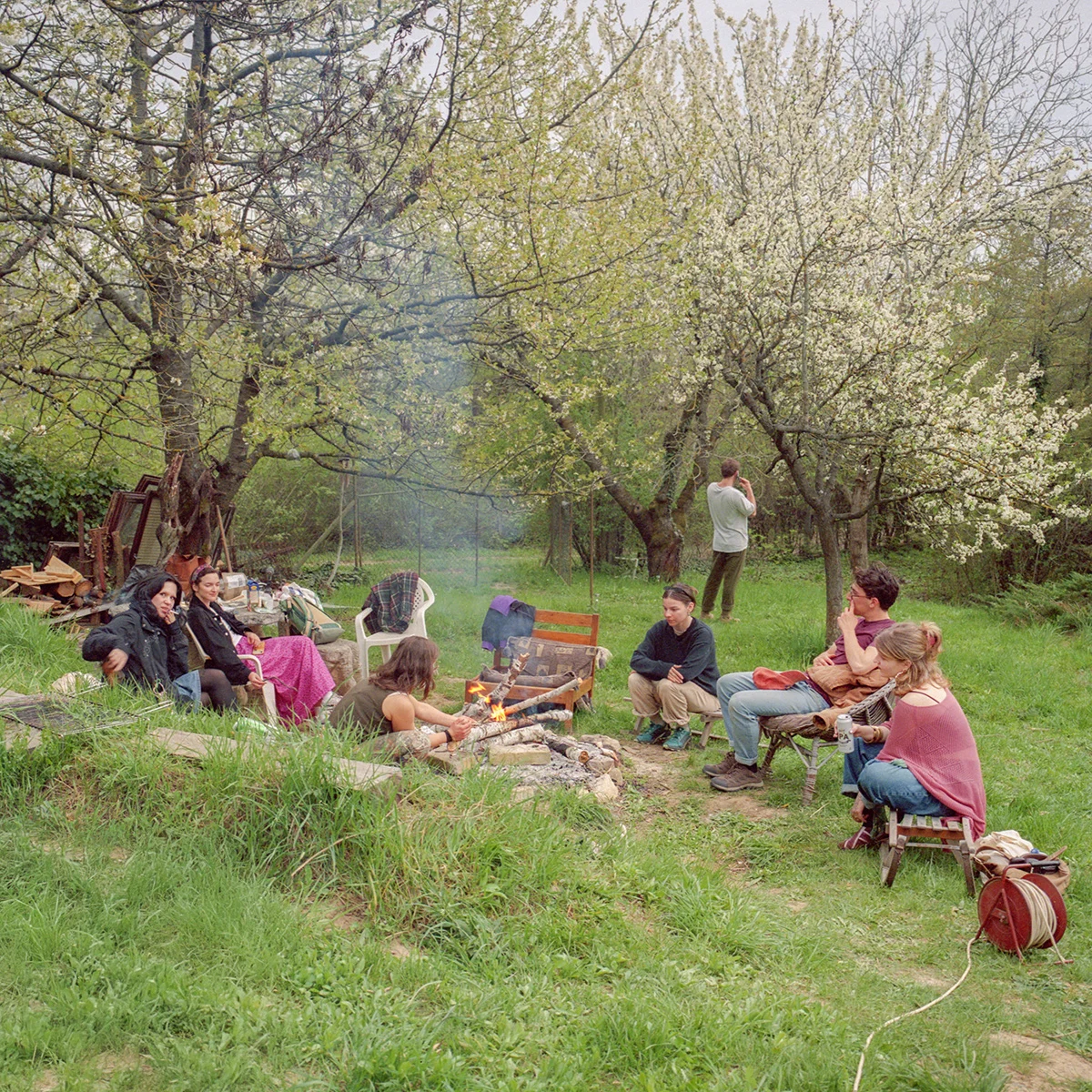
Budapest, Hungary – In an era often defined by rapid urbanization and the relentless pursuit of metropolitan dreams, a quiet yet profound counter-movement is unfolding across Hungary. A growing number of individuals and families are consciously opting out of city living, seeking solace, purpose, and a more authentic existence in the embrace of rural landscapes. This burgeoning trend, fueled by a potent cocktail of disillusionment with urban pressures and a yearning for self-sufficiency, is being meticulously documented by Hungarian-Nicaraguan photographer Erika Nina Suárez. Her ongoing series, tentatively titled "Will There Be Fire? Will There Be Bread?", offers an intimate and compelling glimpse into the lives of those forging alternative paths away from the concrete jungle.
Suárez, currently based in Budapest, brings a unique perspective to this subject. Her artistic journey is deeply rooted in her upbringing, having grown up surrounded by farms in both Hungary and Nicaragua. This formative experience, coupled with her time photographing friends living in a clothing-optional co-operative in the United States, has cultivated a profound interest in alternative lifestyle movements and the intricate relationships people forge with the land. Her academic background, a BFA from the University of North Texas in 2019 and an MA from the Moholy-Nagy University of Art and Design in 2026, has provided her with the theoretical framework and practical skills to delve into these complex social phenomena.
The Seeds of a Shift: Disillusionment and the Quest for Meaning
"Will There Be Fire? Will There Be Bread?" is more than just a visual exploration; it’s a chronicle of a societal shift. The project, which initially focused on a single individual seeking a different way of life, rapidly revealed itself to be a much broader pattern. Suárez’s work highlights the increasing number of people who are actively choosing to leave behind the perceived advantages of urban environments in favor of farming, self-sufficiency, and the redefinition of community.
"Again and again, I encountered people making similar decisions and expressing similar frustrations," Suárez explained in a recent interview. "Many described feeling overstimulated, burnt out, unable to afford housing in the city, and uncertain about what kind of future was available to them. Others spoke about wanting to grow their own food, to have greater control over their time, and to rethink what community can look like."
This sentiment resonates deeply within contemporary Hungarian society. The allure of city life, with its promise of career advancement, cultural vibrancy, and access to amenities, is increasingly being overshadowed by the harsh realities of modern urban existence. The soaring cost of housing, the relentless pressure of consumerism, and a pervasive sense of detachment from nature are prompting a significant re-evaluation of what constitutes a fulfilling life.

A Chronology of Change: From Urban Dissonance to Rural Rebirth
The narrative of this rural exodus is not a sudden eruption but rather a gradual unfolding, with roots stretching back several years. While definitive statistical data on the precise scale of this movement is still emerging, anecdotal evidence and the growing visibility of rural communities and initiatives suggest a significant upward trend.
Early 2010s: Nascent Seeds of Discontent
During this period, the seeds of dissatisfaction with urban living began to germinate more visibly. While not yet a widespread phenomenon, early adopters of alternative lifestyles started to experiment with communal living, organic farming, and a more minimalist approach to consumption. These were often individuals or small groups, driven by ideological convictions or a deep-seated yearning for a simpler life.
Mid to Late 2010s: Growing Awareness and Experimentation
As the economic and social pressures of urban life intensified, more people began to explore alternatives. The rise of online communities and shared interest groups facilitated the exchange of information and resources for those interested in sustainable living, permaculture, and rural homesteading. Suárez’s own experiences photographing friends in a co-operative during this time likely provided early insights into the viability and appeal of such lifestyles.
Early 2020s: Accelerated Exodus and Broader Appeal
The COVID-19 pandemic acted as a significant catalyst, forcing many to re-evaluate their priorities and the fragility of their urban existence. The widespread adoption of remote work, while offering flexibility, also highlighted the potential for a less geographically constrained life. This period saw a noticeable acceleration in the trend of individuals and families seeking to relocate to rural areas, driven by a desire for greater autonomy, closer connection to nature, and a perceived escape from the uncertainties of urban life. Suárez’s project, "Will There Be Fire? Will There Be Bread?", began to capture this wave of change, documenting the decisions and experiences of those actively making the transition.
Present Day: An Evolving Movement
Today, Suárez’s ongoing series continues to document this evolving movement. She focuses on young people and families in Hungary who have made the conscious decision to leave cities in recent years to establish lives on farms. These are not necessarily romanticized notions of bucolic idylls, but rather practical, often challenging, endeavors to build sustainable and meaningful lives outside the traditional urban framework.

Supporting Data and Emerging Trends
While precise figures are still being gathered, several indicators point to the growing significance of this rural renaissance in Hungary:
- Rise in Rural Property Inquiries: Real estate agents and local authorities in rural Hungarian regions have reported an uptick in inquiries from individuals and families originating from major cities like Budapest, Debrecen, and Szeged. This often involves the purchase of older farmhouses, agricultural land, and properties with potential for self-sufficient living.
- Growth of Sustainable Agriculture Initiatives: There’s a noticeable increase in the establishment of organic farms, community-supported agriculture (CSA) schemes, and educational workshops focused on sustainable farming practices and permaculture across Hungary. These initiatives often serve as hubs for those seeking to engage with rural life.
- Increased Online Community Engagement: Hungarian online forums, social media groups, and blogs dedicated to rural living, homesteading, and sustainable practices have seen a surge in membership and activity. These platforms serve as vital spaces for knowledge sharing, mutual support, and networking among those pursuing alternative lifestyles.
- Anecdotal Evidence from Local Communities: Many rural villages are witnessing the arrival of new residents who are actively participating in local life, revitalizing abandoned properties, and contributing to the local economy through their endeavors. This influx is often viewed with a mix of curiosity and optimism by long-term residents.
- Academic and journalistic Interest: The growing phenomenon is attracting attention from academic researchers and journalists, leading to more in-depth studies and reports that aim to quantify and understand the drivers and impacts of this rural migration.
Official Responses and Community Integration
The response from official bodies and established communities to this influx of new residents is varied and evolving.
Local Government Perspectives:
Many local municipalities in rural Hungary are cautiously welcoming the arrival of new residents, recognizing the potential for demographic revitalization and economic stimulation. Some local governments are exploring ways to support these newcomers, such as streamlining property acquisition processes, offering incentives for small business development in rural areas, or providing access to resources for agricultural startups. However, challenges can arise concerning the integration of newcomers into established social structures and ensuring that development is sustainable and respectful of the existing rural character.
National Policy Considerations:
At a national level, while there may not be explicit policies directly promoting rural migration for alternative living, broader initiatives aimed at regional development, agricultural support, and rural infrastructure improvement can indirectly benefit this movement. The Hungarian government, like many others, faces the challenge of balancing urban growth with the need to maintain vibrant rural economies and communities. The success of Suárez’s project in highlighting this trend could potentially influence future policy discussions regarding rural sustainability and population distribution.
Community Integration Efforts:
The integration of newcomers into existing rural communities is a critical aspect of this phenomenon. Suárez’s photographs often capture the efforts of individuals and families to not only establish their own self-sufficient lives but also to become active participants in their new surroundings. This can involve engaging with local farmers’ markets, volunteering in community projects, or simply building relationships with their neighbors. The success of these integration efforts is vital for the long-term sustainability and positive impact of the rural renaissance.

Implications for the Future: A Redefined Rural Landscape
Erika Nina Suárez’s "Will There Be Fire? Will There Be Bread?" serves as a vital document of a significant societal shift. The implications of this growing rural exodus are far-reaching:
- Reshaping Rural Economies: The influx of new residents with diverse skills and entrepreneurial spirits could lead to the diversification and modernization of rural economies, moving beyond traditional agriculture to include sustainable tourism, artisan crafts, and remote work hubs.
- Rethinking Urban Sustainability: The movement prompts a critical examination of the sustainability and livability of urban environments. It raises questions about the true cost of urban living, the impact of overpopulation, and the need for more balanced development.
- Evolving Definitions of Community: The series showcases a deliberate effort to redefine community, moving away from dense urban proximity towards more intentional and collaborative networks, often based on shared values and mutual support.
- Environmental Consciousness: A core motivation for many is a desire for a closer connection to nature and a more sustainable lifestyle. This could lead to a greater emphasis on ecological practices, organic farming, and a reduced carbon footprint.
- A More Resilient Society: By fostering self-sufficiency and a deeper understanding of resource management, these individuals and families are contributing to a potentially more resilient society, less dependent on complex and vulnerable global supply chains.
Ultimately, Erika Nina Suárez’s photographic series offers a poignant testament to the human desire for agency, meaning, and a life lived in greater harmony with the natural world. "Will There Be Fire? Will There Be Bread?" is not just a collection of images; it is a visual essay on a quiet revolution, one that may very well reshape the future of both rural and urban Hungary, and offer a compelling model for societal evolution in the 21st century. The success of these endeavors, and the continued evolution of this trend, will depend on the ability of these individuals to navigate the practical challenges of rural life while fostering genuine connections and contributing to the enduring spirit of their chosen landscapes.