The Resurrection of Lynx: How an Eyewear Giant Saved Europe’s Most Ambitious XR Startup
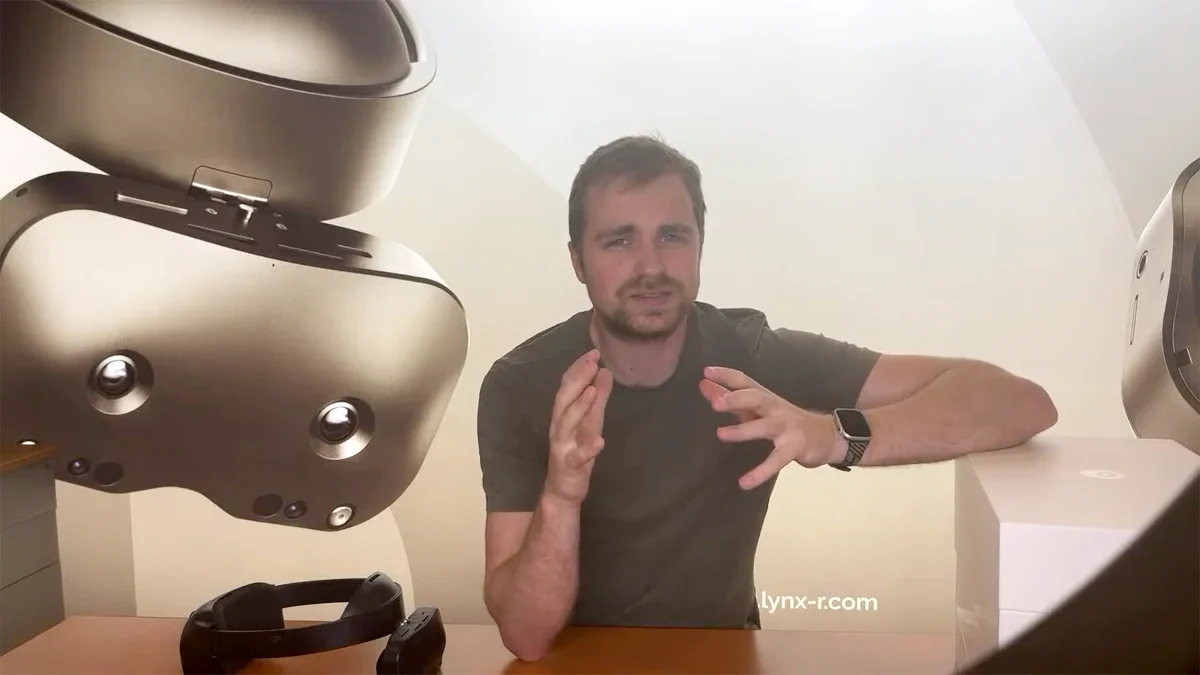
The landscape of Extended Reality (XR) is often a battlefield of giants, dominated by the multi-billion dollar R&D budgets of Meta, Apple, and Sony. For years, the French startup Lynx stood as the "Gallic underdog," promising a privacy-focused, open-ecosystem alternative to the walled gardens of Silicon Valley. However, after a tumultuous year characterized by financial instability and legal insolvency, the story of Lynx has taken a dramatic and unexpected turn.
In a move that reshapes the European tech sector, EssilorLuxottica—the world’s largest eyewear conglomerate—has officially acquired Lynx. The deal, confirmed by Lynx founder and CEO Stan Larroque, brings the startup’s intellectual property, hardware assets, and the majority of its engineering talent under the umbrella of a company that controls over 80% of the world’s major eyewear brands. While the acquisition saves the company from total erasure, it leaves the future of its highly anticipated hardware, specifically the Lynx-R2 headset, shrouded in uncertainty.
Main Facts: A Lifeline from the King of Frames
The acquisition of Lynx by EssilorLuxottica is more than a simple corporate buyout; it is a strategic absorption of specialized optics and spatial computing expertise. Lynx, which gained international acclaim for its innovative "four-fold catadioptric" lens design, had entered compulsory liquidation in March 2024 after failing to secure a critical round of Series A funding.
Key details of the acquisition include:
- Asset Transfer: EssilorLuxottica has acquired all intellectual property (IP), physical assets, and the core engineering team.
- Leadership Transition: Stan Larroque, the visionary founder of Lynx, will not be joining the new parent company. Instead, he has transitioned to a leadership role at Parrot, the prominent French drone manufacturer.
- Operational Pause: Operations are currently in a state of flux. Larroque informed backers that it could take several months for operations to normalize as the deal navigates the complex web of French legal and regulatory approvals.
- The Meta Connection: The deal is further complicated by the fact that Meta (formerly Facebook) recently acquired a 3% stake in EssilorLuxottica, valued at roughly $3.5 billion. This creates a fascinating triangle between the hardware expertise of Lynx, the retail dominance of EssilorLuxottica, and the software ecosystem of Meta.
Chronology: From Kickstarter Darling to Liquidation
To understand the weight of this acquisition, one must look at the rollercoaster trajectory of Lynx over the last four years.
2020-2021: The Birth of a Challenger
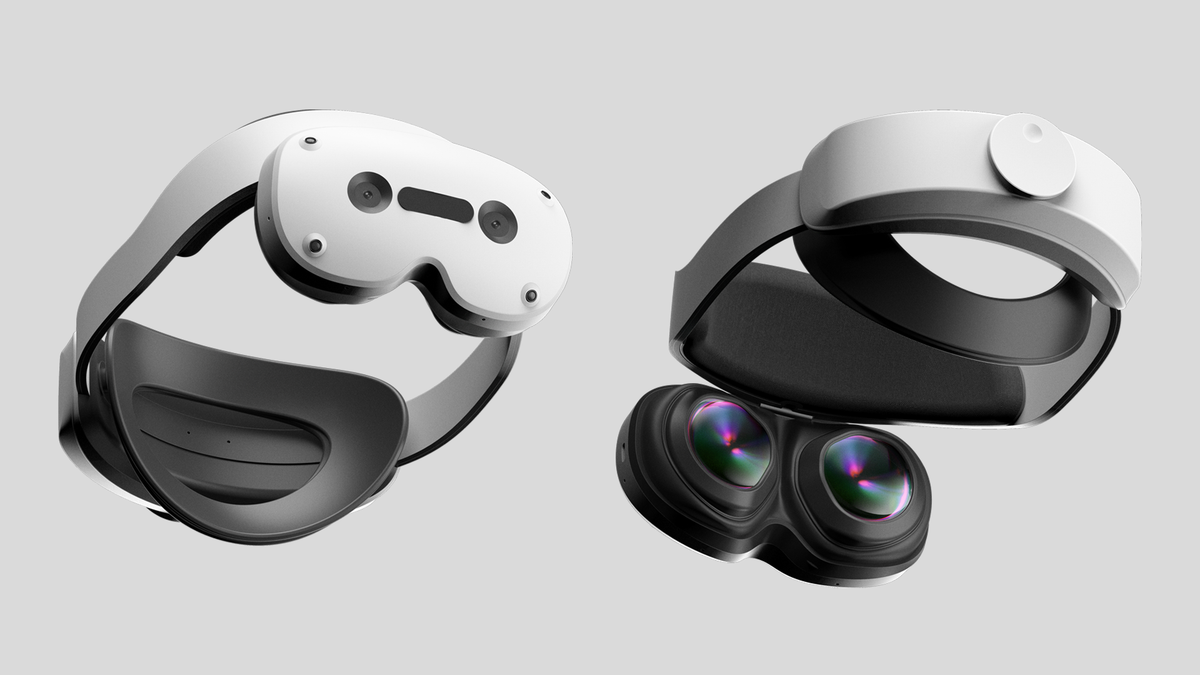
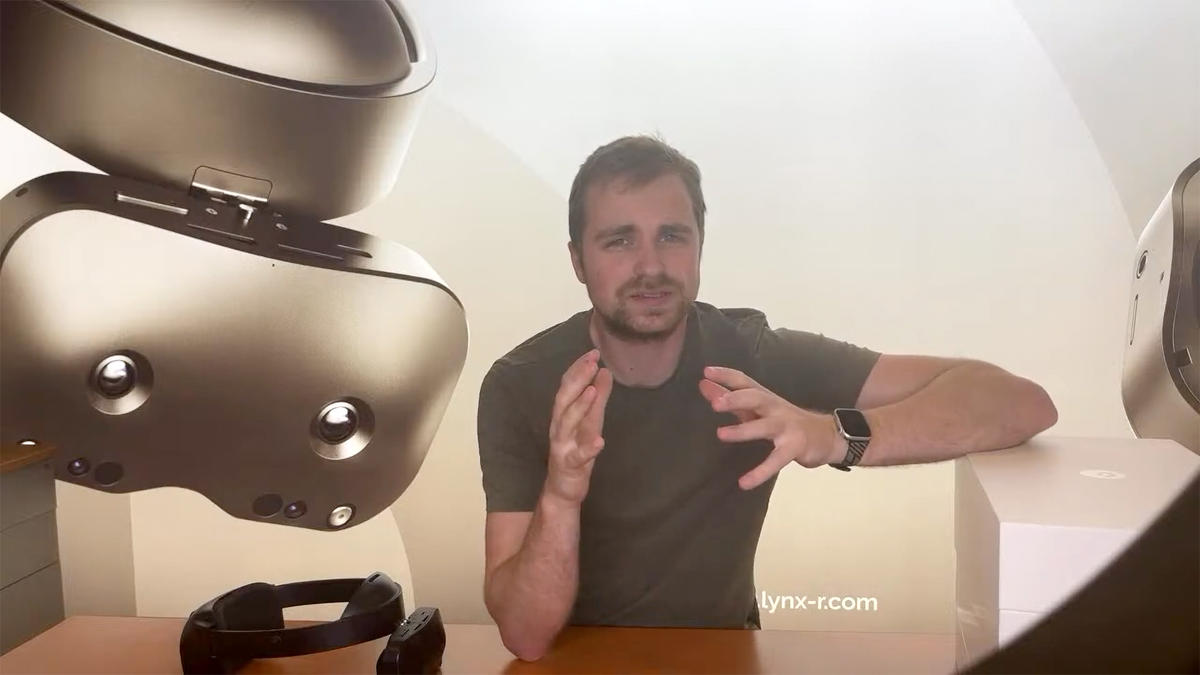
Lynx first made waves with the announcement of the Lynx-R1. At a time when VR headsets were bulky and primarily focused on gaming, Larroque proposed a sleek, "open" headset designed for high-end mixed reality (MR). The R1 featured a unique lens design that allowed for a smaller form factor and better peripheral vision. A successful Kickstarter campaign in late 2021 raised over $800,000, signaling strong community support for a non-Meta alternative.
2022-2023: Production Struggles and R2 Ambitions
Like many hardware startups, Lynx was hit hard by the post-pandemic supply chain crisis. The R1 suffered multiple delays, and while units eventually began shipping to professional clients and early backers, the company struggled to scale. Despite these hurdles, Lynx announced the R2—a "Quest 3 killer" featuring the Snapdragon XR2 Gen 2 chipset and revolutionary optics.
Early 2024: The Financial Cliff
By the start of 2024, the "funding winter" for hardware startups had become a deep freeze. Lynx was unable to close the necessary investment to sustain its high burn rate. In March 2024, the Commercial Court of Paris placed the company into compulsory liquidation. For months, the XR community assumed Lynx was dead, its IP destined to be auctioned off in pieces.
July 2024: The EssilorLuxottica Rescue
Behind the scenes, negotiations with EssilorLuxottica reached a conclusion. The eyewear giant, looking to solidify its position in the "Smart Eyewear" category following the success of the Ray-Ban Meta glasses, saw value in the struggling startup. The acquisition was finalized, effectively pulling Lynx out of the liquidation process.
Supporting Data: The Technical Allure of Lynx IP
Why would a company that makes Ray-Bans and Oakley frames want a struggling VR startup? The answer lies in the data and the specific technical milestones achieved by the Lynx team.

The Lynx-R2 Specifications
The Lynx-R2 was positioned to be a technical marvel. Its intended specs provide a clear picture of the "know-how" EssilorLuxottica just purchased:
- Field of View (FOV): The R2 promised a 126° horizontal FOV. For comparison, the Meta Quest 3 offers roughly 110°. This would have made the R2 the widest standalone headset on the market.
- Optics: In partnership with the Israeli startup Hypervision, Lynx developed aspheric pancake lenses. These lenses are significantly more complex to manufacture than standard VR lenses but offer superior clarity and a reduced "screen door effect."
- Processing Power: It was built around the Qualcomm Snapdragon XR2 Gen 2, the same silicon powering the industry-leading Quest 3.
- Form Factor: Lynx specialized in "open-face" designs, where the user retains peripheral vision of the real world—a philosophy that aligns perfectly with EssilorLuxottica’s interest in augmented reality (AR) rather than just immersive VR.
EssilorLuxottica’s Market Dominance
EssilorLuxottica is a titan with a market capitalization exceeding $90 billion. It operates over 18,000 retail locations worldwide. Their interest in Lynx isn’t about selling a few thousand $1,000 headsets; it’s about the long-term convergence of prescription eyewear and spatial computing. By acquiring Lynx, they gain a team that understands how to miniaturize MR components—a prerequisite for the future of "smart" prescription glasses.
Official Responses and Leadership Shuffles
The transition of leadership marks the end of an era for Lynx as an independent entity. Stan Larroque, who became the face of the European XR movement, released a statement to the company’s backers and stakeholders. In his communication, Larroque confirmed that while the team would move forward, he would be stepping away to join Parrot as an executive.
"It might take a few months for the operations to be smooth again," Larroque noted, citing the "legal approvals" required to transition a company out of liquidation and into the hands of a global corporation. He expressed optimism that the Lynx DNA would live on within EssilorLuxottica, though he remained vague about whether the "Lynx" brand would continue to exist as a consumer-facing entity.
EssilorLuxottica has remained characteristically quiet. The company typically avoids grand announcements regarding its early-stage R&D acquisitions. However, industry analysts point to the company’s recent renewal of its partnership with Meta as a sign that EssilorLuxottica is positioning itself as the primary hardware manufacturer for the next generation of wearable tech.
Implications: A New Era for European XR and Smart Glasses
The acquisition of Lynx carries heavy implications for the future of the XR industry, particularly in Europe.
1. The End of the "Third Way"
Lynx was often touted as the "Third Way"—an alternative to the American (Meta/Apple) and Chinese (Pico/ByteDance) dominance. With Lynx absorbed into a massive conglomerate, the dream of a scrappy, independent European hardware manufacturer is effectively over. While the talent remains in France, the strategic direction will now be dictated by a corporation focused on fashion and luxury retail.
2. The Smart Glasses Arms Race
This acquisition signals that EssilorLuxottica is no longer content being just a manufacturing partner for Meta. By owning the IP for high-FOV lenses and MR sensor integration, they are building their own "tech stack." This could allow them to eventually launch their own branded AR glasses or, more likely, provide them with more leverage in their negotiations with Meta and other tech partners.
3. The Fate of the Lynx-R2
For those who pre-ordered or backed the Lynx-R2, the outlook is grim. Most industry experts believe EssilorLuxottica is unlikely to launch the R2 as a standalone consumer product. The cost of supporting a niche hardware product is high, and the eyewear giant is more likely to use the R2’s technology to enhance future iterations of smart glasses (like a "Ray-Ban Meta Pro" with actual AR displays).
4. Privacy and Sovereignty
Lynx’s primary selling point was its commitment to data privacy—no forced logins, no data mining. It is unclear if EssilorLuxottica, a company deeply integrated with Meta’s ecosystem, will maintain these standards. For industrial and medical clients who chose Lynx for its security, this acquisition may force a re-evaluation of their hardware choices.

Conclusion
The story of Lynx is a bittersweet chapter in the history of European technology. It is a story of brilliant innovation meeting the harsh reality of global venture capital. While the "Lynx" we knew—the defiant startup with a transparency-first mission—may be gone, its innovations in optics and mixed reality are now backed by the deepest pockets in the eyewear industry.
As EssilorLuxottica integrates the Lynx team, the industry watches closely. The technology developed in a small Parisian office may soon find its way into the frames of millions of Ray-Bans and Oakleys, finally bringing high-end spatial computing to the bridge of the average consumer’s nose. The Lynx is no longer hunting alone; it has joined the pack of the world’s most powerful eyewear empire.