The Cinematic Resistance: Allison Berg’s ‘Time Warp’ and the Battle for Queer Expression in the American West
In the landscape of modern documentary filmmaking, few subjects are as electric or as fraught as the intersection of queer identity and the conservative American heartland. Allison Berg’s latest feature, Time Warp, arrives with a heavy-hitting pedigree of executive producers, including Josh Gad, Billy Porter, and John Cameron Mitchell. Yet, the true stars of this "queer-tastic" documentary are not the Hollywood elite, but a band of intrepid performers in Rock Springs, Wyoming, who chose to touch the "cultural third rail" of musical theater: The Rocky Horror Picture Show.
Premiering at the 2026 Tribeca Festival before moving through the prestigious circuits of Frameline and Outfest, Time Warp is more than a "making-of" chronicle. It is a vibrant, sometimes messy, but ultimately vital exploration of what it means to claim space in a community that has historically been indifferent, if not outright hostile, to the "authentic selves" of its LGBTQ+ residents.
Main Facts: A High-Stakes Production in the "Equality State"
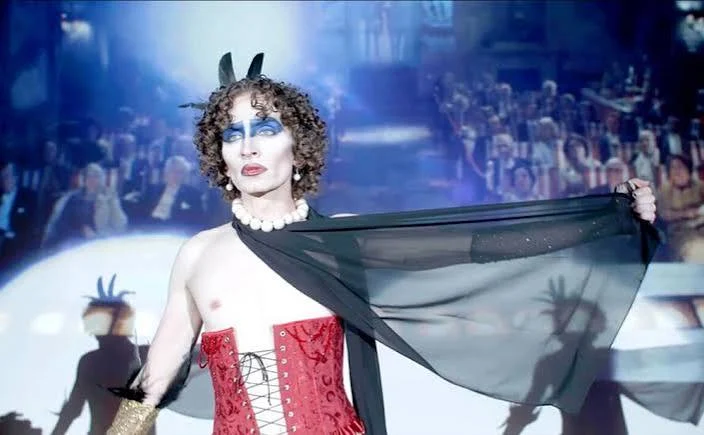
At its core, Time Warp follows the Starling Company, a local theater troupe led by the charismatic nonbinary drag performer Kenny Starling. In 2022, Starling set out to stage an inaugural local production of The Rocky Horror Picture Show—the 1975 cult classic film and Richard O’Brien’s original stage musical—at the 350-seat Broadway Theater in Rock Springs.
The documentary captures the collision between a transgressive, gender-bending art form and a community defined by its rugged, traditionalist Western values. While the film celebrates the exuberant self-expression of its cast, it does not shy away from the grim realities of its setting. Wyoming, ironically known as the "Equality State," continues to struggle with an alarmingly high suicide rate, particularly among young people whose identities clash with local social norms.
Director Allison Berg, known for her acclaimed documentary The Dog (centered on the man who inspired Dog Day Afternoon), brings a seasoned eye to this ensemble. She paints a portrait of a production that serves as a lifeline for its participants—a diverse group of queer and straight individuals ranging from high schoolers to older adults who remember the original impact of the 1970s sexual revolution.
Chronology: From Rehearsal Room to the Broadway Theater
The narrative of Time Warp begins in the early months of 2022, as Kenny Starling—originally from South Carolina—begins the daunting task of casting a show that requires performers to embrace "absolute pleasure" and fluid sexuality. The documentary meticulously tracks the development of the Starling Company through several key phases:

- The Casting and Hidden Lives: The film introduces several young performers, such as best friends Bones and Megan. For many of the youngest cast members, the production is a clandestine operation; they participate without the knowledge or consent of their parents, finding in the theater a "found family" that provides the acceptance they lack at home.
- The Promotional Push: To build momentum, Starling takes the troupe to unconventional venues, including a drag-centric performance near a local casino. These scenes showcase Starling’s "powdered- and glammed-up glory" and serve as a litmus test for the town’s reaction.
- The Political Friction: As the production nears opening night, the documentary shifts focus to the Rock Springs City Council. The film captures the tense atmosphere as local officials attempt to exercise forms of censorship, questioning the appropriateness of the show’s "drag-forward" aesthetic in a public-facing venue.
- Opening Night and the Protest: The chronology culminates in the 2022 premiere at the Broadway Theater. Outside, the cameras capture a Trump-supporting veteran staging a "First Amendment" protest, creating a stark visual contrast between the "Don’t Dream It, Be It" ethos inside the theater and the rigid traditionalism on the sidewalk.
Supporting Data: The Cultural and Geographic Context
To understand the weight of Time Warp, one must understand the geography of Rock Springs. The town is situated a short distance from Laramie, Wyoming—the site of the 1998 murder of Matthew Shepard. As the documentary underlines, Shepard’s death became a catalyst for the global LGBTQ+ rights movement, but in the rural West, the progress sparked by that tragedy is still finding its footing.
The film utilizes sobering data regarding Wyoming’s public health. The state’s suicide rate has frequently ranked among the highest in the United States. For queer youth in these isolated regions, the lack of representation and the "stifling of sexuality by policy" creates what Starling describes as a "terrorized, even animal state."
The Rocky Horror Picture Show serves as the perfect cultural vehicle for this story because of its history as a "refuge for the marginalized." Since its release, the film has functioned as a space where audiences could see versions of themselves they couldn’t put into words. By bringing this specific piece of art to Rock Springs, the Starling Company wasn’t just performing a musical; they were conducting a sociological experiment.
Official Responses and Community Tension
The documentary excels in its "fly-on-the-wall" coverage of the official and unofficial responses to the production. The Rock Springs City Council serves as a microcosm of the national debate over drag and queer expression.
- The City Council: Members are shown grappling with the production’s content. While some view it as a legitimate use of the Broadway Theater to promote local arts, others express "wariness," attempting to frame their opposition as a concern for "community standards." This political maneuvering highlights the subtle ways censorship is applied in small-town America.
- The Protesters: The film features interviews with local opposition figures, most notably a veteran who frames his protest through the lens of the First Amendment. In a particularly poignant moment, the documentary captures his nonplussed reaction when confronted with the state’s youth suicide statistics, revealing a profound disconnect between the "values" being defended and the human cost of those values.
- The Local Rallying: Conversely, the film documents a heartening groundswell of support. Locals are seen attending the casino performances and filling the seats of the Broadway Theater, suggesting that the "community" is far less monolithic than the political leaders might suggest.
Critical Analysis: Berg’s Direction and Editorial Challenges
Clocking in at nearly 100 minutes, Time Warp has been praised for its heart but criticized for its pacing. Berg’s desire to honor every member of her "sprawling ensemble" leads to a narrative that occasionally feels "rangy."
The "Christopher Guest" Factor
The film’s cast of characters is so vibrant and eccentric that Berg’s documentary often feels like a Christopher Guest mockumentary (Waiting for Guffman), though without the irony. The humor is organic, born from the friction of big personalities in a small town. However, the sheer number of subplots—from the high schoolers’ domestic struggles to the older actors’ generational reflections—sometimes causes the central narrative arc to buckle.

Visual Style and Performance
The footage of the actual Rocky Horror performance is captured with warmth and grit. However, the film’s "draggy asides"—extended sequences of performance that don’t necessarily move the plot forward—contribute to the feeling that the documentary could have benefited from tighter editorial discipline. Despite these minor flaws, Berg’s previous experience with The Dog shines through in her ability to humanize subjects who are often caricatured by the media.
Implications: The Definition of "Queer Joy"
The ultimate takeaway of Time Warp is its redefinition of "Queer Joy." As Kenny Starling points out in the film, this joy isn’t merely about "rainbows and parades." In the context of Rock Springs, joy is a form of resistance. It is an hard-won emotion that emerges from the shadow of being "stifled by policy."
The film carries a timely political message. In an era where right-wing movements across the United States are increasingly targeting drag performances and LGBTQ+ literature, the Starling Company’s production of Rocky Horror is a reminder that the "freedom of existence" is still a contested battleground.
By the time the credits roll, Time Warp leaves the audience with a sense of cautious hope. It demonstrates that even in the most conservative pockets of the country, art has the power to create a temporary sanctuary. For the youth of Rock Springs, the "Time Warp" wasn’t just a dance; it was a way to step out of a restrictive reality and into a world where they were, for a few hours, exactly who they were meant to be.
Grade: B
“Time Warp” is currently seeking U.S. distribution following its successful festival run. It remains a vital document of the ongoing struggle for queer visibility in the American West.