August’s Digital Deluge: A Deep Dive into Genre Streaming
As the golden days of summer begin their gradual retreat, August often signals a shift in our collective mindset. While the allure of outdoor adventures remains strong, practicalities like work commitments, inclement weather, or simply the desire for a well-deserved respite can anchor us indoors. Fortunately for cinephiles and television enthusiasts, this transition is made significantly more appealing by a robust influx of captivating genre films and series arriving across various streaming platforms.
This month promises a rich tapestry of science fiction, fantasy, and horror, offering everything from long-awaited director’s cuts and critically acclaimed recent releases to beloved cult classics and thought-provoking masterpieces. While discussions around upcoming premieres and highly anticipated new productions are always prevalent, August’s streaming landscape is particularly noteworthy for its emphasis on enriching existing libraries with titles that deserve a fresh look or a first viewing. This curated selection dives into the most compelling genre additions, designed to satisfy a spectrum of tastes and provide ample reason to embrace an indoor cinematic odyssey.
The Month’s Premier Release: The X-Files: I Want to Believe (Director’s Cut)
(Disney+/Hulu – August 14)
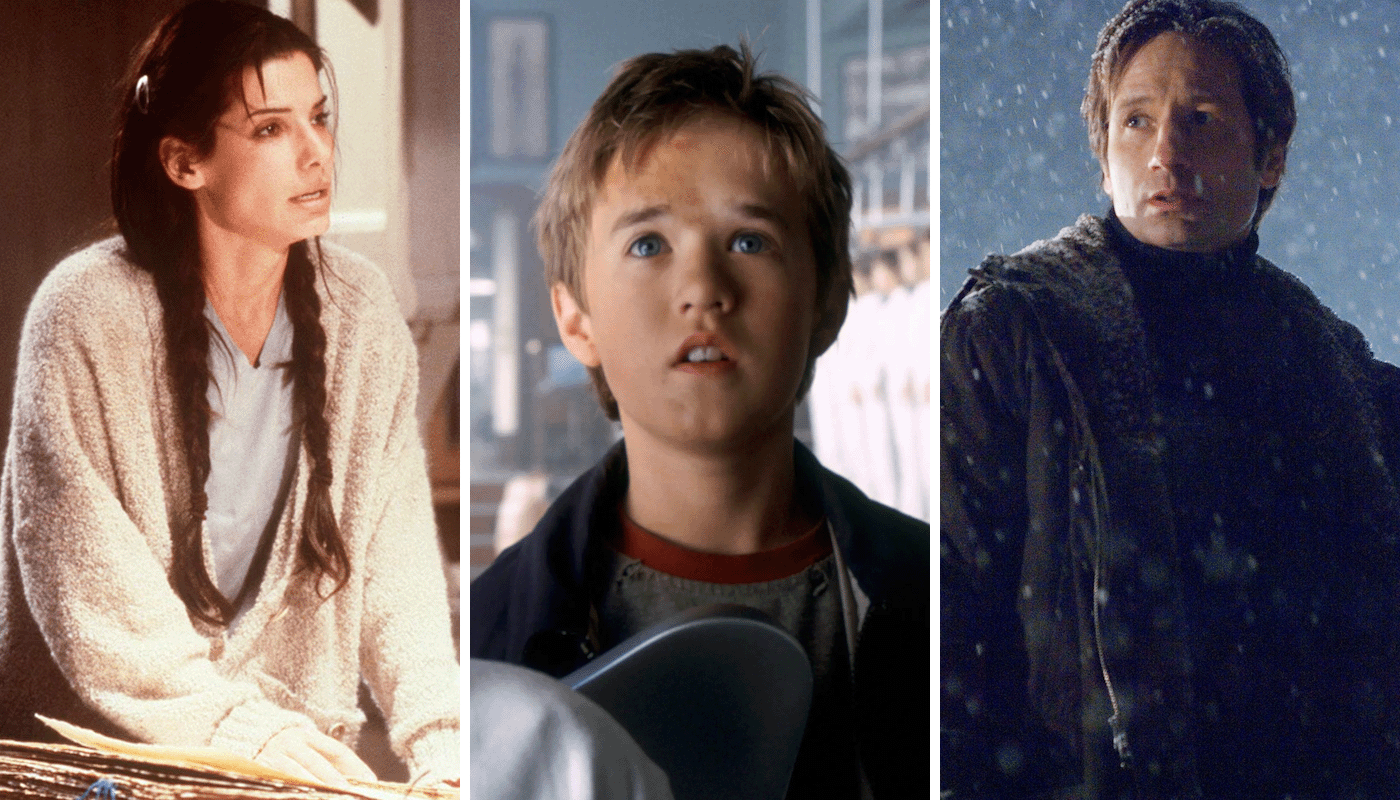
Undoubtedly the most intriguing and anticipated addition to streaming libraries this August is the Director’s Cut of The X-Files: I Want to Believe. This cinematic event is shrouded in a captivating air of mystery, as details regarding its precise content remain largely speculative. Fans have long clamored for this version, ever since initial reports surfaced of creative clashes during the film’s original production. Creator Chris Carter himself has alluded to the restoration of "more horrifying elements" that were reportedly excised by the studio from the theatrical release. The prospect of these narrative and tonal adjustments has ignited fervent discussion within the devoted X-Files fanbase, eager to uncover what new dimensions this iteration might bring to a film that, upon its 2008 debut, received a decidedly mixed reception.
The original film, released a decade after the groundbreaking television series concluded its initial run, struggled to recapture the magic and critical acclaim of its predecessor. While it aimed for a more standalone, character-driven story divorced from the overarching alien mythology, many critics and viewers found it lacking the distinctive tension, compelling plotlines, and profound thematic resonance that defined The X-Files. This Director’s Cut, therefore, arrives not merely as an extended edition but as a potential narrative reclamation. Will the reinserted scenes and possibly reworked sequences address the criticisms leveled against the original, perhaps deepening the film’s psychological horror or strengthening its character arcs? Will it offer a more definitive vision of Carter’s intent, aligning more closely with the darker, more unsettling aspects that fans associate with the show’s most impactful episodes? The answers remain elusive, fueling an excitement that transcends mere curiosity. The mere availability of this long-discussed cut on streaming platforms is a significant event, offering an unprecedented opportunity for fans and newcomers alike to re-evaluate a maligned chapter in the X-Files saga and perhaps witness its long-awaited redemption. The journey to discover what truly lies within this mysterious new version is, for many, the month’s ultimate cinematic quest.
A Curated Selection of August’s Essential Genre Streaming
Beyond the enigmatic allure of the X-Files Director’s Cut, August unveils a treasure trove of genre cinema. From cerebral science fiction to unsettling horror and whimsical fantasy, these additions provide a compelling argument for staying in and exploring the depths of digital entertainment.
A.I. Artificial Intelligence
(Paramount+ – August 1)
Following the release of Disclosure Day, for those seeking a more profound and emotionally resonant exploration of artificial intelligence, Steven Spielberg’s A.I. Artificial Intelligence arrives as a compelling recommendation. This cinematic endeavor is a fascinating blend of two visionary minds: initially conceived by Stanley Kubrick, who eventually passed the project to Spielberg, it retains a haunting cerebral quality characteristic of Kubrick while infused with Spielberg’s signature emotional depth. Based on Brian Aldiss’s short story "Supertoys Last All Summer Long," the film navigates complex themes of love, loss, humanity, and identity through the eyes of David, a highly advanced robotic child programmed to love.
Upon its initial release, A.I. garnered a somewhat polarized reception, with some critics finding its tonal shifts jarring and its ending ambiguous. However, in the two decades since, a significant re-evaluation has occurred, cementing its status as a profound and often devastating work of science fiction. Spielberg fearlessly delves into uncomfortable questions about what it means to be human, the nature of consciousness, and the ethical implications of creating beings designed for unconditional affection. It is a film that challenges expectations, rewarding viewers with its intricate world-building, poignant performances, and a narrative that lingers long after the credits roll. For those who may have overlooked it or dismissed it based on early reviews, August offers the perfect opportunity to rediscover this overlooked masterpiece, revealing a depth and artistry that often surprises even repeat viewers.
The Adventures of Buckaroo Banzai Across the 8th Dimension
(Prime Video – August 1)
For those with a penchant for the wonderfully weird and undeniably cool, The Adventures of Buckaroo Banzai Across the 8th Dimension makes its streaming debut. This 1984 film has long held a cherished place in the annals of cult cinema, famous perhaps as much for its gloriously eccentric title and star-studded ensemble as for the film itself. Featuring an incredible cast including Peter Weller as the titular polymath (a neurosurgeon, physicist, test pilot, and rock star), Jeff Goldblum, John Lithgow, and Christopher Lloyd, the film plunges viewers into a universe where outlandish concepts are the norm.
The premise alone is a wild ride: Buckaroo Banzai and his band of scientific-musical adventurers, the Hong Kong Cavaliers, must prevent interdimensional aliens from the 8th Dimension, led by the maniacal Lord John Whorfin (Lithgow), from invading Earth. What sets Buckaroo Banzai apart is its sheer audacity and unbridled imagination. It throws everything at the screen – aliens, rock and roll, scientific breakthroughs, and quirky humor – yet somehow maintains a coherent, albeit delightfully unconventional, narrative. The film revels in its own absurdity, creating a world where characters behave with an unwavering commitment to its unique logic. Its influence can be seen in later genre works that embrace quirky ensemble casts and high-concept plots. For newcomers, it’s a dizzying, endlessly entertaining experience that defies easy categorization; for existing fans, it’s a welcome return to one of the most purely enjoyable and fundamentally "cool" films ever made. Prepare for a cinematic experience unlike any other, where the only prerequisite is an open mind and a willingness to embrace the wonderfully bizarre.
Anne Rice’s Talamasca: The Secret Order
(Netflix – August 1)
For enthusiasts of gothic fantasy and supernatural lore, the arrival of Anne Rice’s Talamasca: The Secret Order on Netflix offers a chance to delve into a corner of Rice’s expansive universe that, for many, remains undiscovered. This series, which briefly aired before its cancellation, explores the shadowy organization known as the Talamasca – a secret society dedicated to observing and documenting the supernatural world, from witches to vampires, without interfering.
The show’s short run is a testament to the challenging landscape of television production, often leaving audiences with a sense of "what could have been." While its debut season may not have achieved universal critical acclaim, it presented a premise brimming with potential. The Talamasca, a recurring and fascinating element in Rice’s novels, provides a unique vantage point into her rich, interconnected mythology. The series offered a glimpse into the meticulous, often dangerous, work of these scholars of the occult, blending historical intrigue with contemporary supernatural mysteries. For fans of Anne Rice’s intricate world-building, or those simply drawn to secret societies and supernatural investigations, Talamasca: The Secret Order provides an interesting, albeit truncated, exploration. Its streaming availability invites a new audience to experience its intriguing concepts and speculate on the narrative paths it might have explored had it been given the opportunity for a longer life. It stands as a curious artifact of a promising concept that struggled to find its footing but still holds appeal for those intrigued by the unseen forces at play in Rice’s literary cosmos.
Barbarian
(HBO Max – August 1)
Few horror films in recent memory have generated as much buzz and surprise as Zach Cregger’s Barbarian. Hailed upon its release as one of the most genuinely shocking, inventive, and darkly comedic horror experiences in years, its arrival on HBO Max is a must-watch for genre aficionados. Whether viewers are keen to revisit its unsettling twists or are looking to catch up on Cregger’s work ahead of his upcoming projects, such as the new Resident Evil film or his recently announced Weapons, Barbarian offers a masterclass in suspense and subversion.
The film meticulously builds a terrifying atmosphere from a seemingly innocuous premise: a young woman (Georgina Campbell) arrives at an Airbnb in Detroit only to find it double-booked with a mysterious man (Bill Skarsgård). What unfolds from there is a relentless unraveling of expectations, as the narrative takes unexpected turns and delves into truly disturbing territory. Even for those aware of its major plot points, Barbarian remains an incredibly effective and engrossing watch, demonstrating Cregger’s astute understanding of horror tropes and his willingness to dismantle them. Beyond its visceral scares and shocking reveals, the film also subtly weaves in poignant social commentary, offering fascinating observations on contemporary American anxieties, gentrification, and systemic issues that lurk just beneath the surface of everyday life. Its cleverness, combined with its unflinching horror and surprising bursts of humor, solidifies Barbarian as a modern genre classic that continues to resonate and provoke thought long after its initial shock wears off.
Blade Runner 2049
(Paramount+ – August 1)
The recent unveiling of the first trailer for Prime Video’s Blade Runner 2099 series has reignited widespread discussion and anticipation around the seminal sci-fi franchise. As the conversation around the future of this iconic universe intensifies, August provides an opportune moment to revisit Denis Villeneuve’s critically acclaimed sequel, Blade Runner 2049, on Paramount+. This film stands as a remarkable achievement, often cited as a benchmark for how to successfully continue a beloved and culturally significant story.
Villeneuve, known for his masterful command of atmosphere and visual storytelling, crafted a sequel that not only honors the philosophical depth and aesthetic brilliance of Ridley Scott’s 1982 original but also expands upon its themes of identity, memory, and the nature of humanity. Starring Ryan Gosling as K, a new generation of Blade Runner, and featuring Harrison Ford reprising his role as Rick Deckard, the film delves into a meticulously crafted dystopian future that is both breathtakingly beautiful and profoundly melancholic. Its stunning cinematography by Roger Deakins, combined with its slow-burn narrative and contemplative tone, creates an immersive experience that is as intellectually stimulating as it is visually arresting. Blade Runner 2049 avoids the pitfalls of simple nostalgia, instead forging its own path while remaining deeply respectful of its predecessor’s legacy. It poses challenging questions about artificial life and human connection, cementing its place as one of the finest science fiction films of the 21st century and an essential viewing experience for anyone engaging with the Blade Runner universe.
Escape Room / Escape Room: Tournament of Champions
(Peacock – August 1)
Sometimes, the most enjoyable cinematic experiences are those that defy conventional critical acclaim, instead offering a pure, unadulterated dose of escapist entertainment. Such is the case with the Escape Room film series, whose first two installments, Escape Room and Escape Room: Tournament of Champions, arrive on Peacock this August. While these films may not garner accolades for profound storytelling or complex character development, they excel as highly watchable, puzzle-driven thrillers perfect for a relaxed afternoon.
The premise is straightforward: a group of strangers is invited to participate in an immersive escape room experience, only to discover that the stakes are deadly real. What elevates these films beyond mere disposable horror fare is their surprisingly creative and intricate production design. Each escape room is a meticulously crafted death trap, showcasing ingenious mechanisms and visually striking environments that are a genuine feast for the eyes. While the plots can sometimes strain credulity (and the sequel notably suffers from some perplexing editing choices), the core appeal lies in the cleverness of the puzzles and the sheer spectacle of watching characters navigate these elaborate, high-tension challenges. Fans of intricate Rube Goldberg-esque traps, or those who appreciate the brain-teasing elements of franchises like Now You See Me (albeit with a darker, more perilous edge), will find much to enjoy. The Escape Room series offers a testament to the appeal of well-executed genre mechanics, proving that sometimes, a movie doesn’t need to be a masterpiece to be immensely fun and fundamentally watchable.
Good Fortune
(Prime Video – August 21)
Last year, the fantasy-comedy Good Fortune seemed to slip under the radar for many, despite boasting an undeniably stellar cast and a truly fascinating premise. Its arrival on Prime Video this August offers a prime opportunity for audiences to discover this charming, if sometimes uneven, cinematic gem. The film brings together an impressive ensemble including Keanu Reeves, Seth Rogen, Keke Palmer, and Sandra Oh, each lending their unique talents to a story that grapples with modern existence through a whimsical, divine lens.
The central conceit is particularly compelling: an angel, tasked with improving human lives, struggles profoundly in a world that increasingly defies logic and seems resistant to benevolent intervention. This premise opens the door for both comedic moments and poignant observations about the complexities of contemporary life and the elusive nature of happiness. While Good Fortune may not fully capitalize on every brilliant idea it introduces or perfectly harmonize all its disparate elements, it nonetheless exudes a significant amount of charm. The performances, especially from its lead actors, elevate the material, and the film’s unique blend of fantasy, humor, and gentle social commentary provides a refreshing perspective. At a breezy 97 minutes, it’s an ideal watch for those seeking a lighthearted yet thought-provoking film that offers more than enough delightful moments to justify the time spent. Its streaming debut allows Good Fortune to find the wider audience it perhaps deserved upon its initial release, proving that a film doesn’t need to be a flawless masterpiece to offer genuine enjoyment and a touch of magic.
Gremlins 2: The New Batch
(Peacock – August 1)
For an unparalleled dose of anarchic creativity and satirical brilliance, look no further than Joe Dante’s Gremlins 2: The New Batch, streaming on Peacock this August. Often hailed as one of the boldest and most self-aware horror sequels ever made, this film transcends its predecessor by embracing sheer, unadulterated chaos and a meta-commentary on sequels and commercialism. It’s the kind of movie where trying to describe everything that happens feels like recounting a fever dream – a testament to its boundless imagination.
Released in 1990, Gremlins 2 takes the mischievous creatures from the original film and unleashes them within a high-tech, corporate skyscraper in New York City, run by a Donald Trump-esque mogul. Given an almost blank check by Warner Bros. after the success of the first film, director Joe Dante seized the opportunity to critique corporate culture, media saturation, and the very concept of sequelitis with gleeful abandon. The film is a relentless barrage of sight gags, pop culture references, and genre-bending antics, introducing a host of bizarre new Gremlin mutations, breaking the fourth wall, and even pausing the film for a projection booth interlude. It’s a testament to the true value of directorial freedom, resulting in a film that is wildly unconventional, hilariously inventive, and utterly unforgettable. Whether you are a fan of the original Gremlins or simply appreciate cinema that dares to be different, Gremlins 2 is an experience unlike any other. Its enduring legacy is not just its status as a cult classic, but its influence on subsequent films that dared to be self-referential and audaciously comedic, even inspiring iconic sketches like the Key & Peele parody. Prepare for a riotous, unpredictable ride that throws cinematic conventions out the window.
Jurassic Park III
(Disney+/Hulu – August 1)
The Jurassic Park franchise, while boasting a monumental original film, has seen its sequels elicit a wide range of opinions, often leading to fervent debates among fans. Director Joe Johnston’s Jurassic Park III, arriving on Disney+ and Hulu this August, is a prime example of a film that has undergone significant re-evaluation over the years. While it certainly doesn’t reach the unparalleled heights of Steven Spielberg’s 1993 masterpiece, it has carved out a niche as arguably the most enjoyable and focused of the subsequent entries in the series.
Unlike its immediate predecessor, The Lost World, which often felt bloated and derivative, Jurassic Park III is a leaner, meaner creature feature. It benefits greatly from the return of Sam Neill as Dr. Alan Grant, grounding the frantic action with a familiar and beloved presence. The plot is refreshingly straightforward: Grant is lured back to Isla Sorna to rescue a missing boy, leading to a desperate struggle for survival against increasingly dangerous dinosaurs, including the formidable Spinosaurus. While some plot points may strain credulity and the film’s brevity can feel abrupt, its commitment to thrilling set pieces and engaging creature design is undeniable. Johnston, a veteran filmmaker known for his work on The Rocketeer and Jumanji, delivers a film that prioritizes suspense and adventure, offering exciting dinosaur encounters that feel distinct from the previous installments. For audiences who have grown weary of the franchise’s later attempts to expand its mythology, Jurassic Park III stands as a surprisingly competent and genuinely entertaining popcorn flick. Its streaming availability invites viewers to reconsider its merits and appreciate its streamlined approach to prehistoric peril, proving that even a divisive sequel can offer significant enjoyment within a beloved universe.
Practical Magic
(HBO Max – August 1)
With the highly anticipated sequel, Practical Magic II, slated for release in September, August presents the perfect opportunity to revisit (or discover for the first time) the enchanting original film, Practical Magic, as it arrives on HBO Max. This 1998 film, starring the formidable duo of Sandra Bullock and Nicole Kidman as the Owens sisters, Sally and Gillian, witches bound by a family curse that dooms any man they love, is a cinematic curiosity. Despite its incredible cast, intriguing premise, and a soundtrack that has achieved cult status, the film was an initial box office disappointment. However, over the years, it has rightfully garnered a devoted following and is increasingly recognized as an underrated gem.
Practical Magic is a unique blend of romantic comedy, drama, and supernatural fantasy, infused with a distinct autumnal charm. It explores themes of sisterhood, destiny, the power of love, and the challenges of living with a magical heritage in a mundane world. Bullock and Kidman deliver captivating performances, showcasing a chemistry that makes their bond utterly believable and endearing. The film’s aesthetic, from the iconic Victorian house to the small-town setting, contributes to its whimsical and slightly melancholic atmosphere. Its initial lukewarm reception might be attributed to its genre-bending nature, which perhaps defied easy categorization for audiences at the time. However, in hindsight, this very quality makes it stand out. As the sequel approaches, the streaming release of Practical Magic offers a chance to right past wrongs, allowing a new generation to fall under its spell and for existing fans to revel once more in its infinitely charming narrative and the captivating world of the Owens family. It’s a film that proves that true magic often takes time to be fully appreciated.
Source Code
(Peacock – August 1)
In an era saturated with high-concept thrillers, Duncan Jones’s Source Code, streaming on Peacock this August, distinguishes itself as a remarkably clever and emotionally resonant entry into the sci-fi canon. Initially, it might appear to be just another variation on the time-loop premise, a narrative device that has seen numerous interpretations. However, in the hands of Jones, the visionary director behind the critically acclaimed Moon, Source Code transcends its familiar setup to deliver a taut, ingenious, and surprisingly poignant exploration of destiny, identity, and sacrifice.
The film stars Jake Gyllenhaal as Captain Colter Stevens, who awakens in the body of an unknown man, reliving the last eight minutes before a commuter train explodes. His mission: to identify the bomber and prevent a larger attack. What follows is a brilliantly constructed puzzle, as Stevens repeatedly experiences the same terrifying loop, each iteration revealing new clues and deepening his understanding of his extraordinary situation. Jones masterfully manipulates the mechanics of the time loop, using it not merely as a plot device but as a vehicle for profound character exploration and philosophical inquiry. The film skillfully balances its thrilling suspense with moments of genuine human connection, particularly between Stevens and Christina Warren (Michelle Monaghan), the woman he meets on the train. Source Code is a “brain breaker” in the best sense, keeping viewers on the edge of their seats while simultaneously prompting reflection on themes of perception, choice, and the possibility of altering fate. It’s a sophisticated piece of science fiction that rewards careful attention and offers both intellectual stimulation and a deeply satisfying emotional arc, solidifying Jones’s reputation as a thoughtful and innovative genre filmmaker.
Where the Wild Things Are
(Paramount+ – August 1)
Director Spike Jonze has built a reputation for crafting visually inventive and emotionally profound films, and his 2009 adaptation of Maurice Sendak’s beloved children’s book, Where the Wild Things Are, arriving on Paramount+ this August, is a testament to his unique artistry. While often considered the "forgotten" work in a filmography that includes masterpieces like Being John Malkovich, Adaptation, and Her, this fantasy film is nonetheless one of the most beautiful and emotionally impactful cinematic experiences for audiences of all ages.
Adapting Sendak’s sparse, iconic picture book into a feature film was an ambitious undertaking, fraught with challenges. However, Jonze, alongside co-writer Dave Eggers, managed to capture the essence of childhood wonder, fear, and complex emotions with remarkable fidelity and depth. The film follows Max, a sensitive and mischievous young boy, who escapes to an island inhabited by large, wild creatures (the Wild Things) who crown him as their king. Through Max’s interactions with these beautifully realized, yet often volatile, beings, the film explores universal themes of loneliness, anger, the struggle for control, and the yearning for understanding. The blend of practical creature suits and CGI creates a tangible, immersive world, while the evocative soundtrack by Karen O adds another layer of melancholic beauty. In an era where many directors attempt to recapture the nostalgia of 1980s fantasy films, Jonze succeeded not by imitating, but by perfectly translating the raw emotional core – the fear, wonder, beauty, and heartache – of those classics, filtered through a distinctly modern and profound sensibility. Where the Wild Things Are is a truly special film, a poignant journey into the heart of childhood imagination and emotion that deserves to be rediscovered and cherished.
Conclusion: Embracing the Indoor Odyssey
August’s generous offerings across streaming platforms present a compelling case for embracing the indoor cinematic experience. From the mysterious promise of a Director’s Cut to the re-evaluation of cult classics and the rediscovery of hidden gems, the breadth and depth of genre content available are truly remarkable. These films and series, spanning the imaginative landscapes of sci-fi, the chilling depths of horror, and the whimsical realms of fantasy, offer more than just entertainment; they provide opportunities for intellectual engagement, emotional resonance, and pure escapist delight. As the summer winds down, the digital screens beckon, inviting viewers to embark on rich, diverse storytelling journeys that prove the magic of cinema is always just a click away.