Meta Redefines VR Value: Horizon+ Subscription Integrates Xbox Game Pass in Strategic Ecosystem Play
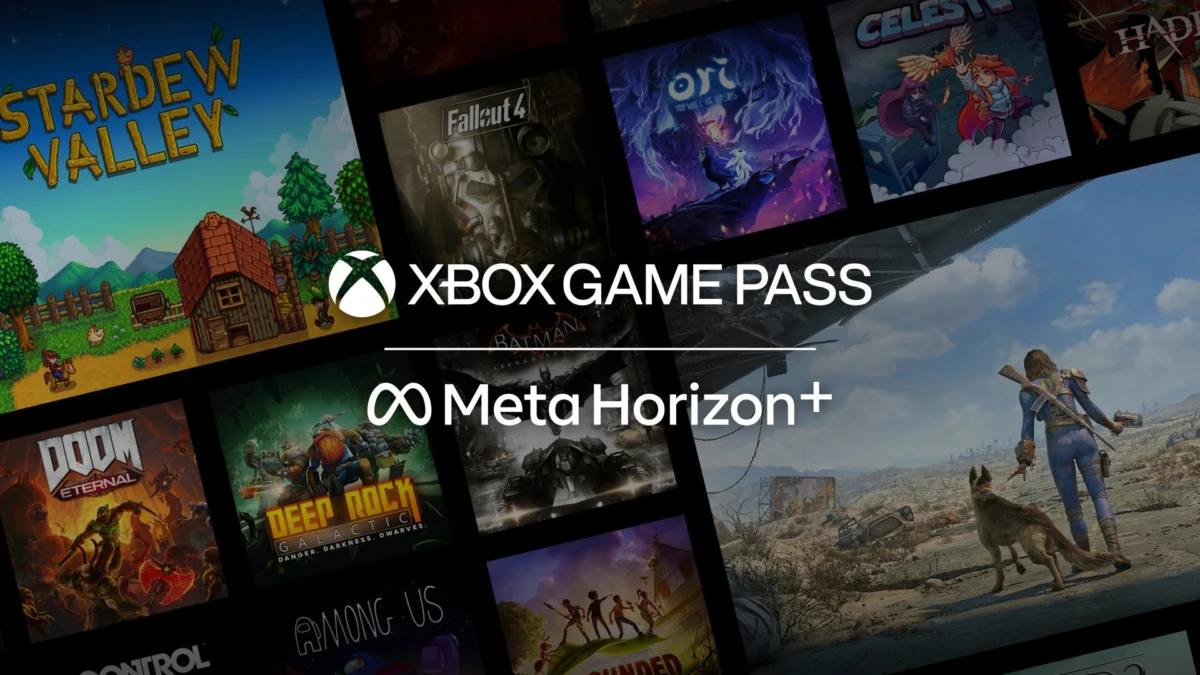
In a move that significantly alters the value proposition of the virtual reality (VR) market, Meta has announced a major expansion of its Horizon+ subscription service. Effective immediately, the service—formerly known as Meta Quest+—now includes a "Starter Edition" of Microsoft’s Xbox Game Pass at no additional cost to subscribers. This integration represents a pivotal moment in the ongoing partnership between Meta and Microsoft, positioning the Quest ecosystem not just as a destination for immersive VR, but as a versatile hub for traditional "flatscreen" gaming.
The inclusion of Xbox Game Pass brings a library of over 50 high-profile titles to Horizon+ members, including blockbuster franchises such as Fallout, Grounded, and Overcooked. By bridging the gap between console gaming and spatial computing, Meta is attempting to solidify its lead in the consumer VR space while offering a hedge against the high costs of native VR game development.
Main Facts: A Comprehensive Value Overhaul
The revamped Horizon+ service aims to become the "Amazon Prime" of the XR (Extended Reality) world. Below are the core components of the updated offering:
- Integrated Library: Subscribers gain access to a curated "Starter Edition" of Xbox Game Pass, featuring more than 50 titles. This is in addition to the existing rotating catalog of over 100 native Meta Quest games.
- Pricing Stability: Despite the added value, the price remains at $7.99 per month or $59.99 annually. When compared to the standalone Xbox Game Pass Essential ($9.99/month), the Horizon+ bundle offers a significant financial incentive for gamers.
- The 10-Hour Cloud Threshold: A critical caveat to the service is a 10-hour monthly limit on Xbox Cloud Gaming. While streaming to the headset is capped, users who own a PC or an Xbox console can download these titles for unlimited local play through the same subscription.
- Hardware Synergy: To facilitate a seamless experience, Meta is launching a "Gamepad Emulator." This software update allows Quest Touch controllers to mimic the inputs of a standard Xbox controller, removing the previous requirement for users to own third-party hardware to play non-VR games.
- Remote Play Capabilities: The update coincides with enhanced support for Xbox Remote Play, allowing users to stream games directly from their personal consoles to a massive virtual cinema screen within the Quest environment.
Chronology: From Quest+ to Horizon+
The evolution of Meta’s subscription strategy reflects the company’s broader transition from a hardware-focused manufacturer to a platform-centric software giant.
2023: The Birth of Meta Quest+
Meta launched Quest+ in mid-2023 as a direct response to PlayStation Plus. Initially, it followed a "claim-and-keep" model, giving users two specific VR titles per month. The service was designed to help new Quest 2 and Quest 3 owners build a library quickly.
2024: The Catalog Expansion
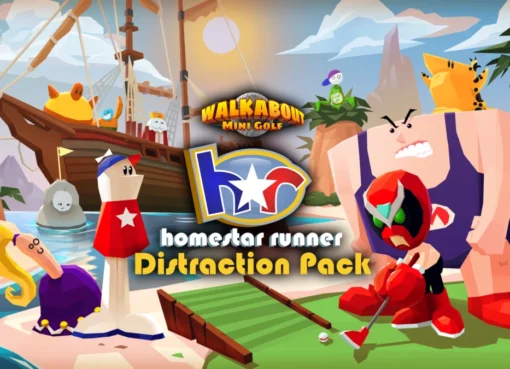
Recognizing that a two-game-per-month model was insufficient to retain long-term subscribers, Meta introduced a "Games Catalog"—a revolving door of titles similar to Netflix. This saw the service grow to include hits like Walkabout Mini Golf and Onward.
2025: The Rebranding and Horizon OS
In a landmark move, Meta rebranded Quest+ to Horizon+. This was not merely a name change; it signaled the opening of "Meta Horizon OS" to third-party hardware manufacturers like Asus and Lenovo. By branding the subscription "Horizon+," Meta ensured that the service would follow users across different brands of headsets using their operating system.
2026: The Microsoft Convergence
The current integration of Xbox Game Pass is the culmination of a multi-year partnership that began at Meta Connect 2022, when Microsoft CEO Satya Nadella appeared alongside Mark Zuckerberg to announce that Microsoft 365 and Xbox Cloud Gaming would be coming to the Quest platform.
Supporting Data: The Economics of the Bundle
To understand the impact of this announcement, one must look at the competitive landscape of gaming subscriptions.
| Service | Monthly Price | Game Count | Platform |
|---|---|---|---|
| Meta Horizon+ | $7.99 | 150+ (100 VR / 50 Xbox) | Quest / PC / Xbox |
| Xbox Game Pass Essential | $9.99 | 25+ | Xbox Console |
| PlayStation Plus Extra | $14.99 | 400+ | PS4 / PS5 |
| GeForce Now (Priority) | $9.99 | User-owned library | Cloud / Multiple |
Meta’s pricing strategy is aggressive. At $7.99, Horizon+ is now cheaper than the most basic tier of Xbox Game Pass while offering a hybrid of VR and flatscreen content. For the average consumer, the "Starter Edition" provides enough content to justify the cost of the headset, especially for those who may only play a few hours of "hardcore" gaming a week.
The 10-hour cloud gaming limit is a calculated move based on data. According to industry reports, the median "casual" gamer spends roughly 7 to 10 hours a month on cloud-based services. By capping the limit, Meta and Microsoft can manage server costs while upselling "power users" to a full Xbox Game Pass Ultimate subscription.

Official Responses and Strategic Vision
While official press releases from Meta emphasize "user choice" and "immersion," the underlying strategy is clearly about ecosystem lock-in.
Meta’s Perspective:
A spokesperson for Meta’s Reality Labs stated, "Our goal with Horizon+ is to ensure that from the moment you put on a headset, you have access to the best entertainment the world has to offer. By bringing Xbox titles into the fold, we are acknowledging that our users are gamers first. Whether they want to be inside the game in VR or watching a 100-foot virtual screen in their living room, Horizon+ provides that bridge."
Microsoft’s Perspective:
Microsoft’s move continues its "Gaming Everywhere" philosophy. By embedding a version of Game Pass into Horizon+, Microsoft gains access to millions of Meta Quest users who might not own an Xbox console. This expands their subscriber base and introduces the Xbox ecosystem to a younger, tech-savvy demographic that is increasingly moving away from traditional television-tethered gaming.
Technical Integration:
The "Gamepad Emulator" is perhaps the most underrated part of the announcement. Engineers at Meta noted that the primary friction point for cloud gaming on VR was the "setup cost"—finding a controller, pairing it via Bluetooth, and ensuring compatibility. By mapping the Quest Touch controllers to Xbox inputs, Meta has removed the final barrier to entry for casual players.
Implications: The Future of the XR Market
The integration of Xbox Game Pass into Horizon+ has several long-term implications for the VR and gaming industries.
1. Pressure on Apple and Sony
Apple’s Vision Pro currently lacks a dedicated, high-value gaming subscription, relying instead on Apple Arcade, which features mostly mobile-centric titles. Meanwhile, Sony’s PlayStation VR2 is tethered to the PS5. Meta’s move creates a "third way"—a standalone headset that offers console-quality gaming via the cloud. This makes the Quest 3 and the rumored Quest 3S significantly more attractive to the "on-the-fence" consumer.
2. The Rise of the "Virtual Desktop"
As internet speeds improve with Wi-Fi 6E and 5G, the distinction between local and cloud gaming is blurring. Meta is betting that users will prefer playing Fallout 4 on a giant virtual screen while lying in bed or traveling, rather than being confined to a monitor. This shifts the Quest’s identity from a "VR machine" to a "portable cinema and game console."
3. Native VR Development Concerns
There is a potential downside. If users spend their time playing high-budget Xbox titles in "2D mode" within the headset, developers of native VR games may find it harder to compete for attention. Meta will need to balance the promotion of Xbox content with continued investment in native VR titles that utilize the headset’s unique tracking and immersion capabilities.
4. Hardware Agnosticism
By moving the value to the Horizon+ subscription and Horizon OS, Meta is preparing for a future where they might not be the only ones making the hardware. If an Asus-made "Horizon" headset launches in 2026, it will ship with the Xbox Game Pass integration ready to go, creating a unified software ecosystem that mirrors the relationship between Windows and PC manufacturers.
Conclusion
The inclusion of Xbox Game Pass in Meta Horizon+ is a masterstroke of platform aggregation. It solves the "content gap" that has historically plagued VR headsets by providing a library of proven, high-quality games from day one. While the 10-hour cloud limit acts as a gatekeeper for heavy users, the overall package—at $7.99 a month—is arguably the most compelling subscription in the current gaming landscape. As Meta continues to evolve Horizon+ into a comprehensive digital service, the line between "VR gaming" and "gaming" continues to disappear.