The Descent into Mixed Reality: An In-Depth Analysis of Cybercore Protocol

The landscape of immersive gaming is undergoing a radical transformation as the boundaries between the physical and digital worlds continue to blur. One of the most recent and compelling entries into this burgeoning field is Cybercore Protocol, a mixed reality (MR) action title that reimagines the user’s domestic environment as a high-stakes, futuristic combat zone. Developed and published by solo visionary Birhan Berk Oktay, the game represents a shift toward "distilled" MR experiences—games that prioritize visceral, physical engagement over complex narrative structures.
Main Facts: The Core Architecture of Cybercore Protocol
Cybercore Protocol is currently positioned as an Early Access title on the Meta Quest platform, retailing at a competitive price point of $9.99. At its heart, the game is a genre-bending hybrid, weaving together the strategic depth of tower defense, the frantic pacing of wave-based shooters, and the tactile satisfaction of melee combat.
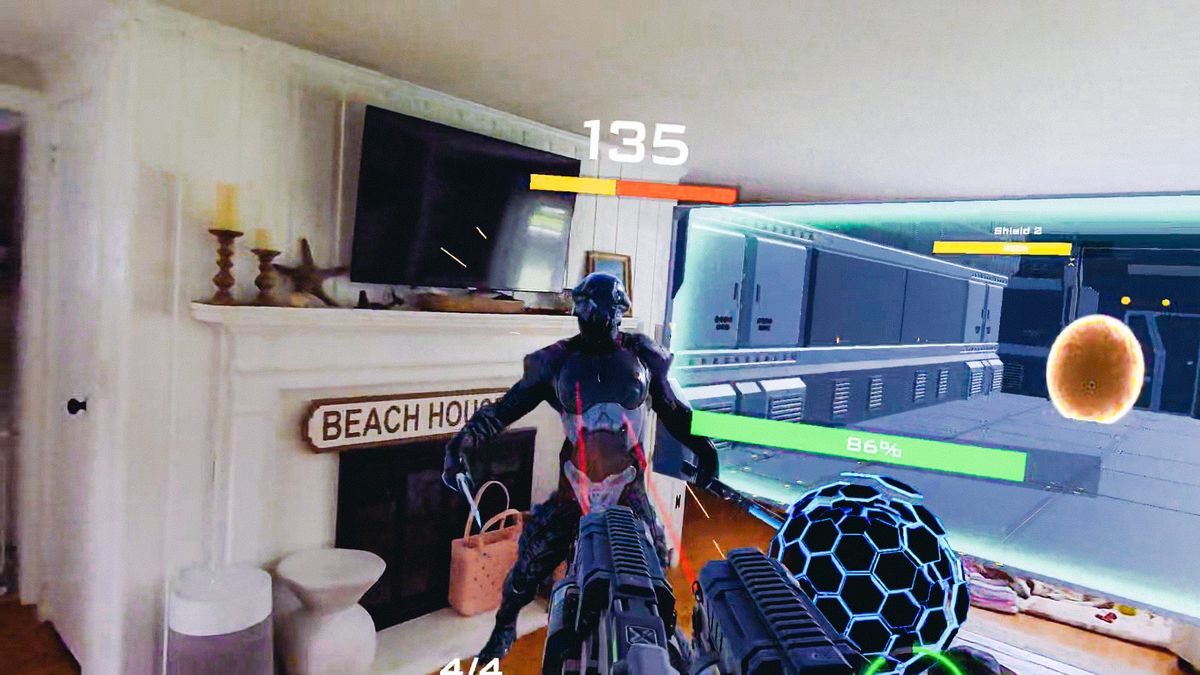
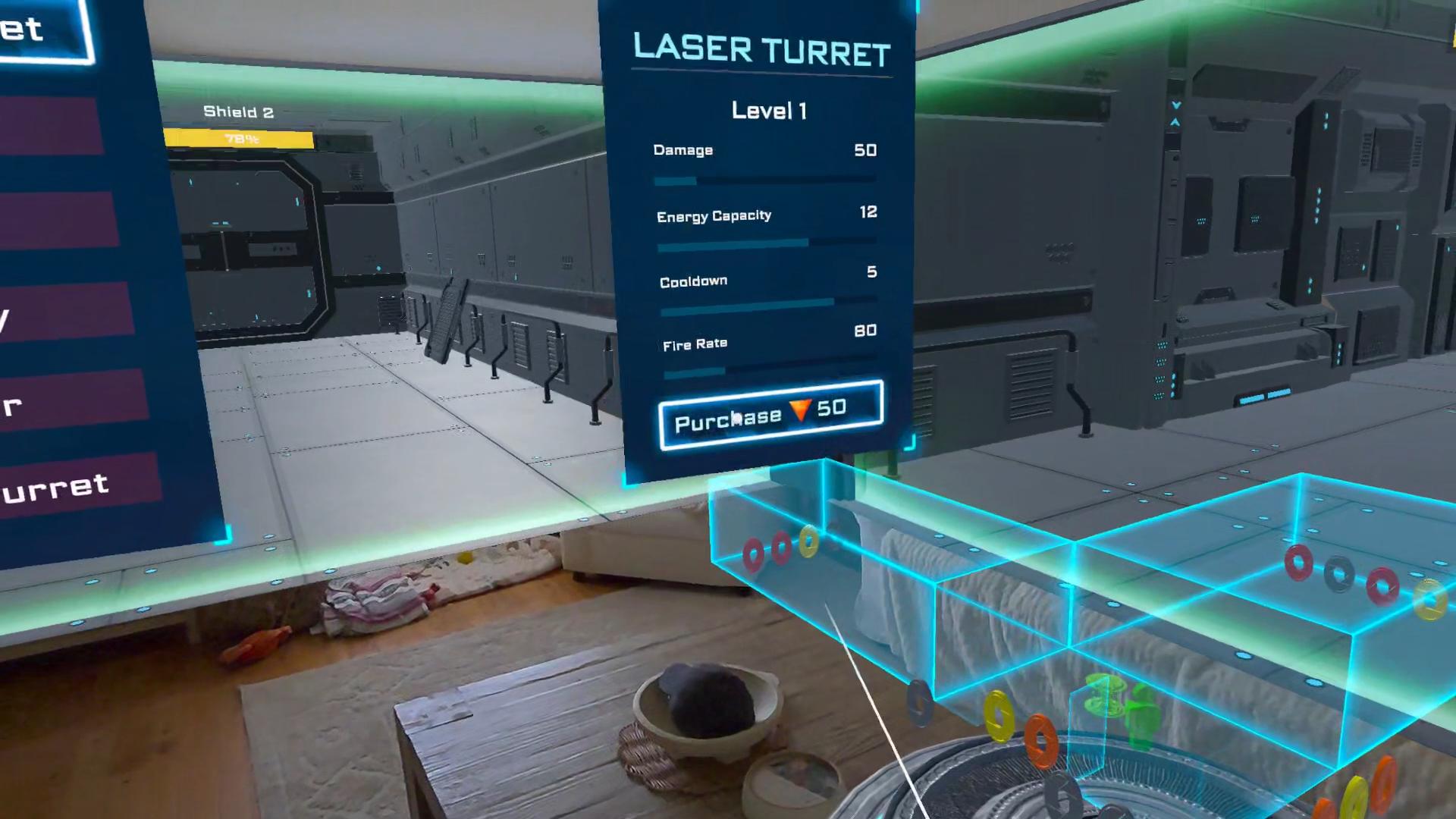
The premise is elegantly simple yet technically sophisticated: using the Meta Quest’s room-scanning capabilities, the game transforms the player’s living room, office, or basement into a massive industrial elevator. This platform is tasked with descending through a 45-level underground facility. The objective is singular: protect the central power core—and yourself—from an onslaught of cybernetic adversaries.
Key Specifications:
- Developer/Publisher: Birhan Berk Oktay
- Platform: Meta Quest (Quest 2, 3, and Pro supported)
- Release Date: July 26, 2026 (Early Access)
- Price: $9.99
- Genre: Mixed Reality Action / Tower Defense
- Content Volume: 45 levels, 9 enemy types, multiple boss encounters, and special "bonus" stages.
Chronology: From Room Scan to Core Defense
The experience of Cybercore Protocol begins not with a loading screen, but with a spatial mapping sequence. This "Day Zero" setup is crucial for the MR immersion. The game requires the user to define their walls and furniture, which the software then uses to anchor its digital architecture.
Phase 1: The Transformation
Once the space is calibrated, the player’s walls "vanish," replaced by the heavy, metallic doors of a high-tech elevator. The floor beneath the player’s feet visually shifts, creating the illusion of a platform suspended over a deep subterranean shaft. This initial transition is one of the game’s most praised features, effectively utilizing the "passthrough" technology of the Quest to ground the player in a reality that is half-physical and half-digital.
Phase 2: The Descent and Combat Loop
As the elevator begins its descent, it stops at various floors. Each stop initiates a combat wave. The chronology of a standard level follows a predictable but escalating rhythm:
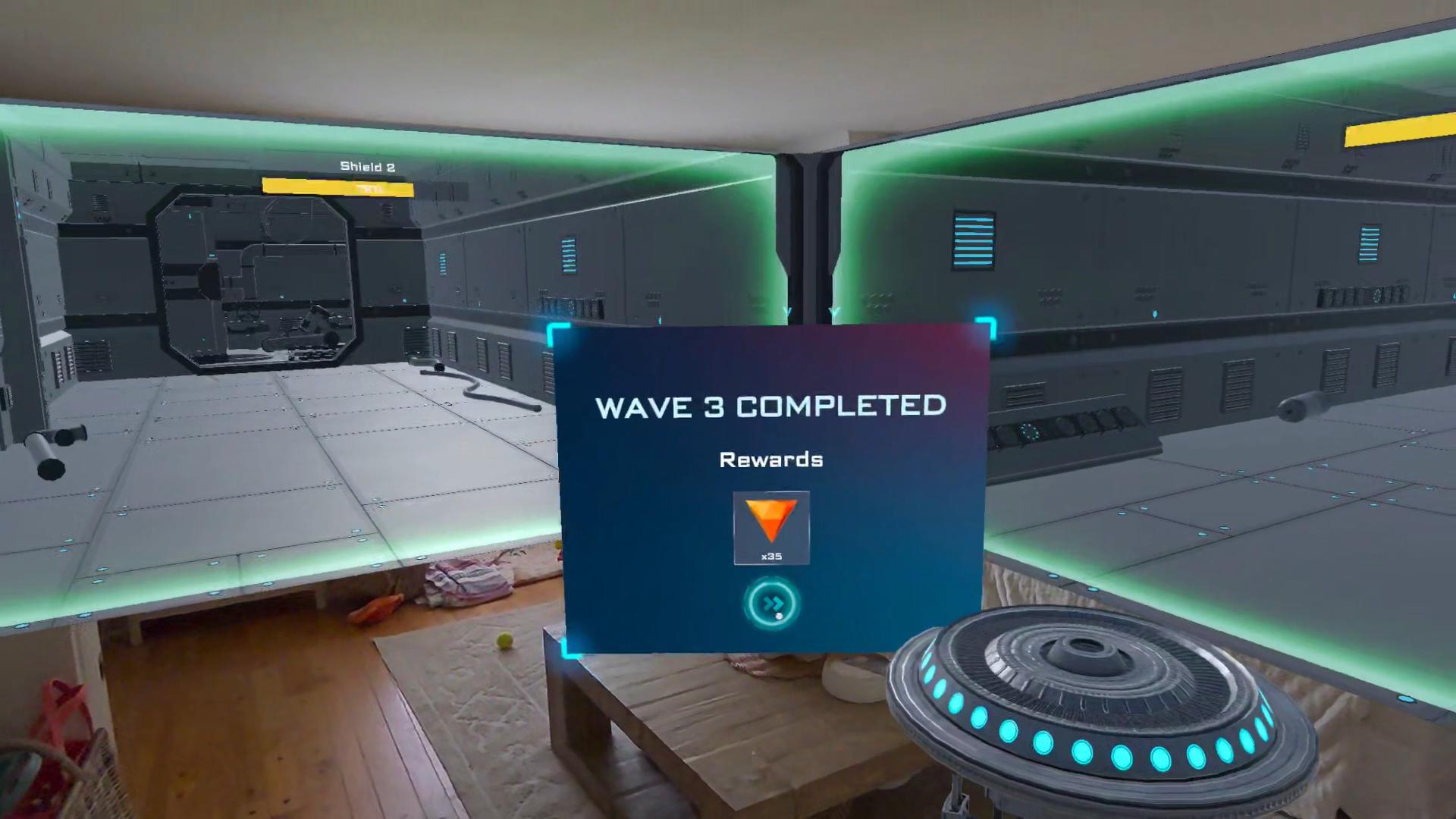
- Preparation: Players have a brief window to place defensive units (turrets, traps, and force fields) around their physical furniture.
- Incursion: Elevator doors open to reveal long, sci-fi corridors extending into a "virtual" space beyond the player’s physical walls. Simultaneously, portals may open within the room itself.
- Engagement: Enemies stream in from both the corridors and the internal portals. The player must balance long-range shooting with close-quarters melee combat.
- Escalation: As the elevator reaches deeper levels (Level 10, 20, etc.), the enemy variety increases, and the frequency of "jump scare" spawns—enemies appearing directly behind the player—intensifies.
Phase 3: The Bonus and Boss Milestones
Interspersed between the standard combat floors are "Special Stages." These include target-shooting challenges designed to test accuracy under pressure and massive boss encounters that require the player to use every inch of their physical play space to dodge incoming projectiles.
Supporting Data: Technical Performance and Physical Demands
Cybercore Protocol is not a sedentary experience. Supporting data from early testing and user reviews suggests that the game’s primary "difficulty" is often physical rather than just cognitive.
The "Sweat Factor" and Movement
Unlike traditional VR shooters that use a joystick for movement (artificial locomotion), Cybercore Protocol relies heavily on "room-scale" movement. Players are encouraged to duck behind their real-world couches, sidestep around their coffee tables, and physically turn 360 degrees to address threats.
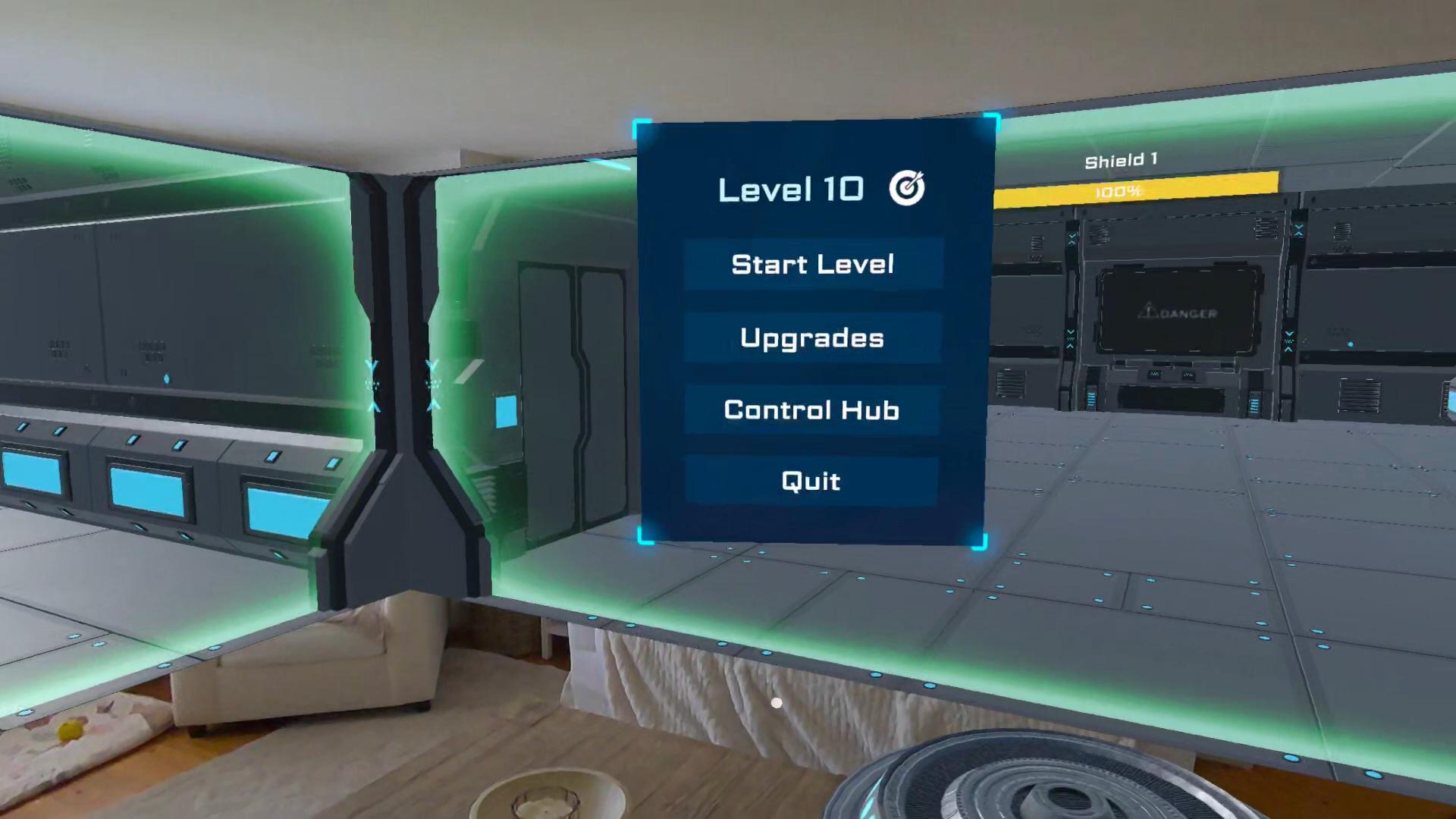
- Physicality: Testers have reported significant cardiovascular exertion, with some reaching elevated heart rates by Level 10.
- Difficulty Scaling: The game offers a "Hardcore Mode," which drastically increases enemy aggression and reduces the "health" of the central core, making physical agility a prerequisite for survival.
Space Requirements
The game’s reliance on MR means that the quality of the experience is directly proportional to the size of the play area.
- Small Spaces: In rooms smaller than 2m x 2m, players frequently trigger the Quest’s "Guardian" or "Boundary" warnings, which can break immersion.
- Optimal Spaces: A 3m x 3m (or larger) clear area allows the game’s AI to pathfind more effectively, creating more complex flanking maneuvers by the enemies.
Strategic Depth: The Arsenal
While in Early Access, the arsenal is currently focused on a few core archetypes:
- Ranged: Rapid-fire machine guns and precision pistols.
- Melee: Energy blades that require wide swinging motions.
- Deployables: Gun turrets (automated fire), freeze traps (crowd control), and force fields (directional protection).
Official Responses and Developer Vision
Birhan Berk Oktay, the solo developer behind the project, has been transparent about the game’s current limitations and its future trajectory. In the context of the Early Access launch, the developer has emphasized that Cybercore Protocol is a "combat-first" experience.

Addressing the Scope
In response to comparisons with more expansive titles like Mythic Realms, the developer has clarified that Cybercore Protocol is intentionally narrower in scope. While Mythic Realms offers a roguelite overworld and RPG progression, Cybercore Protocol focuses on the "purity of the encounter." The goal was to create a game that players could jump into for 15 to 20 minutes and receive a high-intensity workout and gaming session without the overhead of complex inventory management or narrative exposition.
The Roadmap
Official communications indicate that the Early Access period will be used to refine three specific areas:
- Audio Design: Current soundscapes are functional but lack the "oomph" found in AAA titles. Improving the directional audio is a high priority to help players locate enemies spawning behind them.
- Enemy Variety: While there are currently nine enemy types (including cyberninjas and technomages), the developer plans to double this number to keep the 45-level descent feeling fresh.
- Environment Variation: Future updates may include different "elevator skins" or corridor aesthetics to reflect the different biomes of the underground facility.
Implications: The Future of Mixed Reality Gaming
The release of Cybercore Protocol carries significant implications for the VR/MR industry, particularly regarding the viability of solo-developed projects in a market increasingly dominated by large studios.

The "Home as a Battlefield" Concept
Cybercore Protocol proves that MR does not need a massive budget to be effective. By using the player’s own home as the primary asset, the developer saves on environmental design while simultaneously increasing the player’s emotional investment. There is a unique psychological thrill—and a touch of terror—in seeing a "cyberninja" standing in your actual kitchen. This "spatial presence" is a powerful tool that MR developers are only beginning to unlock.
Accessibility vs. Physicality
The game highlights a growing divide in the VR community between "couch gamers" and "active gamers." Cybercore Protocol firmly sides with the latter. Its success suggests there is a robust market for "VR Fitness" masked as "VR Action." However, the requirement for a large, clear play space remains a barrier to entry for urban users with limited square footage.
The Value Proposition
At $9.99, Cybercore Protocol sets a high bar for the "budget" MR category. It avoids the "tech demo" feel of many free MR experiences by providing a structured 45-level campaign. This pricing strategy may force other developers to reconsider the cost-to-content ratio of their MR offerings.
Conclusion
Cybercore Protocol is a testament to the power of focused design. It does not try to be an epic RPG or a sprawling open-world adventure. Instead, it transforms a familiar physical environment into a site of digital conflict, demanding physical effort and strategic thinking from the player. While it currently faces the typical hurdles of an Early Access title—such as the need for more varied assets and polished sound—its core mechanics are undeniably robust. As the Meta Quest hardware continues to evolve, games like Cybercore Protocol provide a blueprint for how developers can turn our everyday lives into an extraordinary sci-fi battlefield.