Wizards of the Coast Unveils Greyhawk: Crown of the Witch Queen, A Grand Return to Oerth in Late 2027
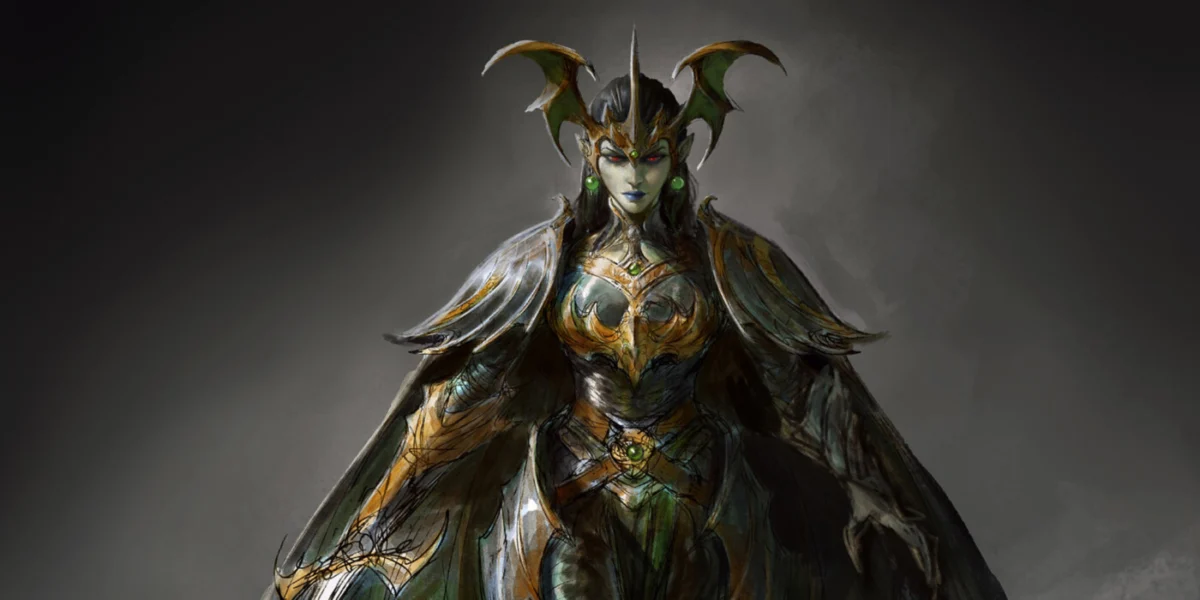
Seattle, WA – [Date of Article Generation] – Wizards of the Coast, the venerable publisher behind the world’s most popular tabletop role-playing game, Dungeons & Dragons, has officially announced a monumental new adventure titled Greyhawk: Crown of the Witch Queen. Slated for a late 2027 release, this full-length campaign promises to immerse players in the rich, storied landscapes of Oerth, placing them directly into a high-stakes narrative centered around one of the setting’s most formidable emerging villains: Drelnza, the vampire daughter of the legendary archmage Tasha, also known as Iggwilv.
The announcement positions Drelnza at the heart of an epic struggle, as she attempts to claim her birthright and ascend to the coveted mantle of the new Witch Queen of Oerth. Wizards of the Coast has described the forthcoming adventure as "grand," "operatic," and intensely "focused on powerful villains," signaling a campaign designed to challenge players with morally complex antagonists and far-reaching consequences. This narrative direction hints at a departure from typical dungeon crawls, suggesting a more politically charged and magically intricate struggle for power that will resonate across the Flanaess.
Initial concept art unveiled during the announcement offered tantalizing glimpses into the adventure’s visual scope. Iconic locations such as the foreboding Castle Greyhawk, the rugged Yatil Mountains, and ancient, crumbling ruins were showcased, alongside sweeping fantasy landscapes bisected by winding rivers. These visuals underscore Wizards’ commitment to an "updated interpretation of classic Greyhawk," a delicate balance aiming to preserve the setting’s traditional sword-and-sorcery character—a hallmark of its gritty, low-magic origins—while presenting it through the lens of modern storytelling techniques and breathtaking contemporary artwork. This approach is intended to appeal to both long-time aficionados of the setting and a new generation of D&D players.
Crown of the Witch Queen is set to launch during D&D’s designated Season of Swords & Sorcery, a thematic period that will follow the previously announced Dark Sun-focused "Season of Survival." While the announcement has ignited considerable excitement within the D&D community, specific details such as the adventure’s intended level range, total page count, the creative team spearheading its development, or its precise release date remain under wraps.
It is crucial to note that this ambitious project is distinct from another highly anticipated Greyhawk initiative: the Greyhawk project being developed through the new D&D Icons line. That particular endeavor, helmed by Luke Gygax—son of Dungeons & Dragons co-creator Gary Gygax—is poised to draw upon unfinished works and original concepts from his father’s archives. The existence of these two separate, major Greyhawk books signals a robust and multi-faceted future for the setting, though the exact relationship, potential synergy, or distinct focuses between these two projects have yet to be fully elucidated by Wizards of the Coast.
Chronology: A Legacy of Power and Shadow
The announcement of Greyhawk: Crown of the Witch Queen is not merely the introduction of a new product; it is a significant chapter in the ongoing narrative and historical legacy of the Greyhawk setting and its most infamous figures. To fully appreciate the magnitude of Drelnza’s intended ascent, one must delve into the intertwined histories of her lineage and the setting itself.
The Genesis of Greyhawk: A Foundation of Adventure
Greyhawk stands as the primordial campaign setting for Dungeons & Dragons. Conceived and meticulously crafted by Gary Gygax, co-creator of D&D, it was initially the personal campaign world where the foundational concepts of the game were tested and refined. From the early 1970s, the Free City of Greyhawk, the perilous dungeons beneath Castle Greyhawk, and the vast expanse of the Flanaess became synonymous with the very essence of fantasy role-playing. It introduced countless iconic elements, monsters, and characters that would shape the D&D multiverse for decades to come. Greyhawk’s early identity was steeped in a gritty, sword-and-sorcery aesthetic, emphasizing exploration, danger, and the clash between ancient evils and aspiring heroes. This historical grounding is what Wizards of the Coast aims to honor and refresh with Crown of the Witch Queen.
The Enduring Legacy of Iggwilv and Tasha
At the very heart of Drelnza’s story is her notorious mother, a figure whose multiple identities and immense magical power have profoundly shaped the lore of Greyhawk and beyond.
Iggwilv, The Witch Queen: Drelnza first appeared in the classic 1982 adventure module, The Lost Caverns of Tsojcanth. In this module, she was introduced as the vampiric progeny of Iggwilv, a name that struck fear and awe across the Flanaess. Iggwilv was not merely a powerful spellcaster; she was the infamous Witch Queen, a figure whose magical experiments pushed the boundaries of arcane knowledge, whose dabblings in demonology drew the attention of powerful fiends, and whose political ambitions left a lasting impact on the history and power dynamics of Greyhawk. Her machinations, including the creation of the infamous Tome of Zyx (later known as the Demonomicon of Iggwilv), solidified her reputation as one of the most dangerous and brilliant minds in the D&D multiverse.
Tasha and the Modern Interpretation: Over the years, Dungeons & Dragons lore has evolved, and with the advent of Fifth Edition, Wizards of the Coast has increasingly emphasized that Iggwilv and Tasha are, in fact, different identities utilized by the same incredibly powerful and ancient wizard. This retcon has allowed for a richer, more complex character arc. Tasha, in her more recent incarnations, has featured prominently in several modern D&D products. She lent her name and wisdom to Tasha’s Cauldron of Everything, a popular supplementary rulebook offering new character options and DM tools. More significantly, she appeared as a central figure in The Wild Beyond the Witchlight, where she rules the Feywild domain of Prismeer under the alias Zybilna, revealing her as a complex, often benevolent, yet still formidable fey lord with a hidden, darker past. The merging of these identities not only streamlines the narrative but also imbues Iggwilv/Tasha with a fascinating duality—a brilliant inventor and a ruthless despot, a helpful patron and a dangerous manipulator.
Drelnza’s Journey: From Guardian to Global Threat
Drelnza, despite her powerful lineage, remained a relatively obscure figure for many years after her initial appearance. Her role in The Lost Caverns of Tsojcanth was primarily that of a formidable guardian, a powerful obstacle encountered deep within a perilous dungeon. She represented the direct, personal threat posed by Iggwilv’s influence, but her impact was localized.
Her reintroduction to Fifth Edition through Quests from the Infinite Staircase was a significant step, as it included an updated version of The Lost Caverns of Tsojcanth, bringing her back into the contemporary D&D canon. This paved the way for her current prominence. Her return in Crown of the Witch Queen signifies a dramatic elevation of her status. No longer merely a powerful dungeon encounter, Drelnza is now being positioned as a major, overarching threat to the wider world of Oerth. Her quest to become the new Witch Queen implies a narrative shift from a contained encounter to a world-spanning conflict, forcing players to confront the implications of a new, formidable ruler potentially wielding the same ruthless ambition and arcane might as her mother.
The Revival of Greyhawk: A Setting Reborn
The announcement of Crown of the Witch Queen is not an isolated event but rather the culmination of a broader, sustained effort by Wizards of the Coast to revive and re-emphasize the Greyhawk setting. For years, Greyhawk, despite its foundational importance, had taken a backseat to other settings like the Forgotten Realms. However, signs of its resurgence have been increasingly evident.
The setting notably returned as the primary campaign example in the revised Dungeon Master’s Guide, providing a tangible, canonical backdrop for DMs to learn the ropes of world-building and adventure design. Furthermore, the "Legends of Greyhawk" organized play campaign has been actively introducing new adventures across the Flanaess, gradually reacquainting players with its geography, factions, and unique flavor. Crown of the Witch Queen represents the most significant commitment yet to this revival, being the first newly announced full-length Greyhawk campaign designed specifically for the current Dungeons & Dragons rules. It solidifies Greyhawk’s place not just as a historical artifact, but as a vibrant, living setting ready for new tales.
Supporting Data: Unpacking the Themes and Vision
The descriptors and details provided by Wizards of the Coast offer crucial insights into the creative vision behind Greyhawk: Crown of the Witch Queen. A closer examination reveals a deliberate strategy to merge classic elements with modern design philosophies.
The "Sword & Sorcery" Ethos: Gritty Reality Meets Potent Magic
The emphasis on preserving Greyhawk’s "traditional sword-and-sorcery character" is a significant commitment. Unlike high fantasy, which often features clear-cut heroes and villains, powerful magical artifacts, and grand quests to save the world, sword & sorcery typically presents a grittier, more morally ambiguous world. Here, magic is often dangerous and rare, heroes are frequently driven by self-interest or necessity rather than pure altruism, and the world is a perilous place where ancient evils lurk in forgotten ruins. This ethos suggests:
- Low Fantasy, High Stakes: While powerful magic exists (especially from figures like Iggwilv/Tasha), it’s not ubiquitous. The focus is often on mortal struggles, cunning, and individual prowess.
- Moral Ambiguity: Heroes might find themselves making difficult choices, allying with unsavory characters, or fighting for less-than-noble causes.
- Ancient Evils and Eldritch Horrors: The threat often stems from primordial forces, forgotten empires, or beings of immense power that predate current civilizations. Drelnza, as a vampire vying for a witch queen’s throne, perfectly embodies this blend of ancient power and dark ambition.
- Exploration and Peril: The world is vast and dangerous, with uncharted territories, deadly monsters, and treacherous factions. The concept art showcasing the Yatil Mountains and ancient ruins reinforces this sense of perilous exploration.
Crown of the Witch Queen promises to uphold these tenets while modernizing the presentation. This could mean streamlined mechanics for exploration, more dynamic combat encounters, and narrative structures that allow for player agency within a pre-defined, epic plot.
The "Operatic" Scale: High Drama and Epic Conflict
The description of the story as "grand" and "operatic" speaks to its narrative ambition. In the context of D&D, this suggests:
- Sweeping Scope: The adventure will likely span vast geographical regions of the Flanaess, involving multiple factions, powerful NPCs, and intricate plotlines. Drelnza’s quest to become Witch Queen is not a localized affair; it would inevitably involve political maneuvering, military conflicts, and arcane duels on a grand scale.
- Emotional Intensity: Operatic narratives are known for their heightened emotions, dramatic confrontations, and tragic elements. Players might face difficult moral dilemmas, witness profound betrayals, or experience personal sacrifices.
- Complex Character Motivations: Villains, especially in an "operatic" context, are rarely one-dimensional. Drelnza, as the daughter of Tasha/Iggwilv, likely carries a complex psychological burden, perhaps seeking validation, power, or even a twisted form of justice. Her motivations could be a key element for players to unravel.
- Climactic Story Beats: The adventure is likely structured with significant turning points, escalating stakes, and a truly epic final confrontation that will determine the fate of Oerth.
A Villain-Centric Narrative: The Rise of Drelnza
The focus on "powerful villains" is a strategic choice that has become increasingly prevalent in modern D&D adventure design. Rather than merely presenting monsters to be slain, recent campaigns have often centered around antagonists with compelling backstories, intricate plans, and significant influence over the world. Drelnza embodies this trend perfectly:
- Tasha’s Legacy: As Tasha’s vampire daughter, Drelnza inherits a legacy of immense magical power, cunning, and a potential penchant for ruthlessness. Players will not just be fighting a monster; they will be confronting the living embodiment of a powerful, dark lineage.
- A Personal Stake: Drelnza’s quest for her "birthright" makes her a highly motivated antagonist. This isn’t just about generic evil; it’s about a character’s personal ambition and destiny, which can make for a more engaging and emotionally resonant conflict.
- Strategic Challenges: A villain vying for a throne requires more than brute force to overcome. Players will likely need to engage in espionage, diplomacy, counter-intelligence, and strategic alliances to thwart Drelnza’s ascent. Her vampiric nature also suggests specific vulnerabilities and strengths that players will need to exploit.
Visual Storytelling: Crafting Oerth’s Atmosphere
The concept art provides crucial clues about the adventure’s aesthetic and mood. Castle Greyhawk, with its legendary status as a mega-dungeon, implies extensive exploration and dangerous encounters. The Yatil Mountains, known for their ruggedness and remote wilderness, suggest journeying through untamed lands filled with potential threats. Ancient ruins hint at forgotten lore, powerful magic, and the remnants of civilizations long past—all classic Greyhawk tropes. The sweeping fantasy landscapes and rivers paint a picture of a vast, explorable world, promising a grand adventure that moves beyond confined spaces. The art’s blend of the familiar with updated styles will be key to bridging the gap between nostalgic fans and new players.
The Season of Swords & Sorcery: A Thematic Framework
Crown of the Witch Queen‘s placement within the "Season of Swords & Sorcery" indicates a thematic commitment from Wizards of the Coast. This theme suggests that other products released around the same time—be they supplementary books, digital content, or even future adventures—will likely share a similar aesthetic and narrative focus. This could mean:
- New Player Options: Perhaps new subclasses, spells, or feats that align with the sword-and-sorcery genre, focusing on gritty combat, unique magical traditions, or wilderness survival.
- Monster Manual Additions: New creatures or variants that fit the dark fantasy, ancient evil, or monstrous humanoids prevalent in Greyhawk lore.
- DM Resources: Tools and advice for running sword-and-sorcery campaigns, emphasizing moral ambiguity, dangerous wilderness, and powerful, calculating villains.
This thematic season stands in contrast to the "Season of Survival" (Dark Sun), which likely focuses on resource scarcity, brutal environments, and grim determination. The "Season of Swords & Sorcery" offers a different flavor of challenge and adventure, emphasizing epic deeds against overwhelming magical and political forces.
Official Responses and Strategic Vision
While direct quotes from Wizards of the Coast leadership are not yet available regarding Crown of the Witch Queen, the announcement itself, coupled with past statements and product releases, allows for an informed inference of their strategic intent.
Addressing Fan Demand and Modernizing Classic Settings
Wizards of the Coast is acutely aware of the passionate and dedicated fanbase surrounding Greyhawk. For years, players have clamored for a return to Oerth. This adventure is a clear response to that demand, acknowledging the setting’s foundational importance to D&D. Furthermore, it aligns with WotC’s broader strategy of revisiting and modernizing classic settings for a new generation. We’ve seen this with the recent re-releases and updates of settings like Dragonlance, Spelljammer, and Planescape. The goal is to retain the core identity and nostalgic appeal of these worlds while updating their presentation, art, and storytelling to meet contemporary player expectations and fit seamlessly into the current Fifth Edition ruleset. Crown of the Witch Queen is designed to be accessible to new players who might be unfamiliar with Greyhawk’s intricate history, while still offering depth and reverence for long-time fans.
Weaving Narrative Continuity: Tasha and Drelnza
The decision to explicitly connect Drelnza’s lineage to Tasha/Iggwilv and to elevate her to a central antagonist role demonstrates a commitment to narrative continuity and character development within the D&D multiverse. By making Tasha’s past (as Iggwilv) relevant to current events and by giving her daughter a pivotal role, WotC is reinforcing the idea that the D&D cosmology is interconnected and evolving. This strategy allows them to leverage established, popular characters while introducing fresh narratives, making the world feel richer and more dynamic. It also helps to bridge the gap between different editions and lore interpretations, creating a cohesive universe.
Expanding the D&D Ecosystem: A Dual Greyhawk Approach
The existence of two distinct Greyhawk projects—Crown of the Witch Queen and the Luke Gygax-led D&D Icons project—speaks volumes about Wizards’ long-term vision for the setting. This dual approach could serve several purposes:
- Diverse Appeal: The D&D Icons project, rooted in Gary Gygax’s original work, might appeal more to purists and those interested in the historical preservation of D&D’s origins. Crown of the Witch Queen, on the other hand, might offer a more streamlined, modern adventure experience.
- Breadth of Content: Two major books mean a greater volume and variety of Greyhawk content, satisfying different player preferences. One could be a deep dive into lore and history, while the other is a full-fledged campaign.
- Long-Term Investment: This dual strategy indicates a significant, sustained investment in Greyhawk, suggesting that it will be a prominent setting in the D&D product line for the foreseeable future, rather than a one-off release.
Implications: The Future of Oerth and D&D
The announcement of Greyhawk: Crown of the Witch Queen carries significant implications for the future of the Greyhawk setting, the D&D product line, and the player experience.
Impact on Greyhawk Lore: A New Era for Oerth
Drelnza’s attempt to ascend as the Witch Queen is not merely an adventure hook; it is a potential paradigm shift for Oerth. Her success or failure will fundamentally alter the political landscape, the balance of magical power, and the very nature of evil within the Flanaess. If she succeeds, a new era of dark rule, perhaps even more ruthless than her mother’s, could descend upon the world. If she fails, the vacuum of power and the repercussions of her ambitious bid will still leave an indelible mark. This adventure has the potential to introduce new factions, establish new heroes, and redefine the threats that shape Greyhawk’s future. It signals that Greyhawk is not just a setting for historical homage but a living, breathing world capable of evolving narratives.
The Player Experience: Epic Challenges and Moral Depth
Players can anticipate a campaign rich in epic challenges. Given the "operatic" and "villain-focused" descriptions, DMs and players should prepare for:
- High-Stakes Role-Playing: The political machinations and grand scope will demand nuanced role-playing, strategic thinking, and potentially difficult moral choices that impact the wider world.
- Challenging Encounters: Drelnza, as a vampire vying for a throne, represents a formidable foe. Players will likely face powerful minions, intricate traps, and a climactic confrontation requiring careful planning and teamwork.
- Exploration and Discovery: The vast landscapes, ancient ruins, and iconic locations like Castle Greyhawk promise extensive exploration, uncovering lost lore, and discovering powerful artifacts.
- Relevance to Current Lore: Players familiar with Tasha’s recent appearances will find their knowledge enriched, as the adventure will likely delve deeper into the complex relationship between Tasha, Iggwilv, and her progeny.
The Two Greyhawk Projects: Synergy or Divergence?
The lingering question regarding the relationship between Crown of the Witch Queen and the Luke Gygax-led D&D Icons project remains a fascinating point of speculation. It’s plausible that:
- Complementary Content: The Icons project could be a lore-heavy gazetteer, detailing the history, geography, and factions of Greyhawk in exquisite detail, serving as a rich resource for DMs running Crown of the Witch Queen.
- Distinct Eras/Themes: The Icons project might focus on a specific era or region of Greyhawk, perhaps even offering alternative starting points or interpretations of the setting based on Gary Gygax’s notes, while Crown of the Witch Queen presents a contemporary, high-level narrative.
- Future Crossover: While separate initially, it’s not inconceivable that future products could explore connections or even direct crossovers between these two foundational Greyhawk initiatives, creating an even more expansive and interconnected Oerth.
This dual approach signals a robust future for Greyhawk content, catering to diverse preferences within the D&D community and ensuring that the foundational setting receives the attention and development it deserves.
Wider D&D Product Line: A Vision for Classic Settings
The commitment to Greyhawk, alongside the ongoing support for other classic settings, reinforces Wizards of the Coast’s long-term strategy: to provide a diverse portfolio of D&D experiences rooted in its rich history. This approach ensures that while new settings and concepts might emerge, the beloved worlds that defined D&D for generations continue to thrive and evolve, appealing to both veteran players and newcomers. Crown of the Witch Queen stands as a testament to this vision, promising an epic return to the roots of Dungeons & Dragons, reimagined for a new era of adventure.
The late 2027 release date allows for significant anticipation to build, offering Wizards of the Coast ample time to craft an adventure that lives up to the grand, operatic, and villain-focused promise it has made. Dungeons & Dragons players worldwide now have a new, compelling reason to look forward to the future of Oerth.