From Cartoons to Co-Presence: Meta Unveils ‘Holograms’ and the Future of Photorealistic Avatars
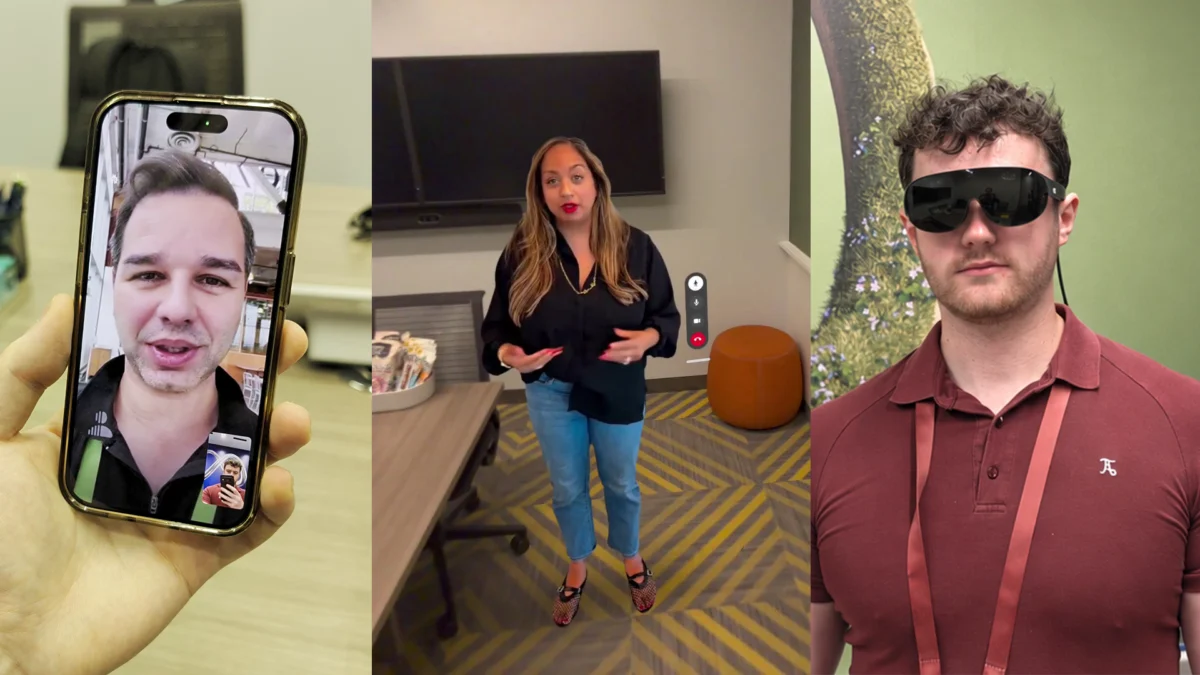
The long-running joke regarding Meta’s "cartoonish" metaverse identity is finally nearing its expiration date. At Meta Connect 2026, the company officially unveiled its most ambitious leap in social presence to date: Holograms. This new technology represents the commercial realization of nearly a decade of research into "Codec Avatars," aiming to provide users with photorealistic, AI-driven digital twins that can facilitate everything from casual WhatsApp calls on smart glasses to immersive, full-body co-presence in high-end virtual reality.
While Apple’s Vision Pro introduced "Personas" to the market first, Meta’s approach with Holograms signals a broader strategy. By leveraging real-time generative AI diffusion models, Meta plans to bring these realistic avatars to a spectrum of devices, ranging from the lightweight Ray-Ban Meta Display glasses to the newly announced, high-performance Meta VR Glasses slated for a Spring 2027 release.
Main Facts: Defining the "Hologram" Era
Meta’s "Holograms" are not merely updated versions of the legless avatars that once defined Horizon Worlds. Instead, they are sophisticated, synthetic video streams generated in real-time.
The Technology Stack
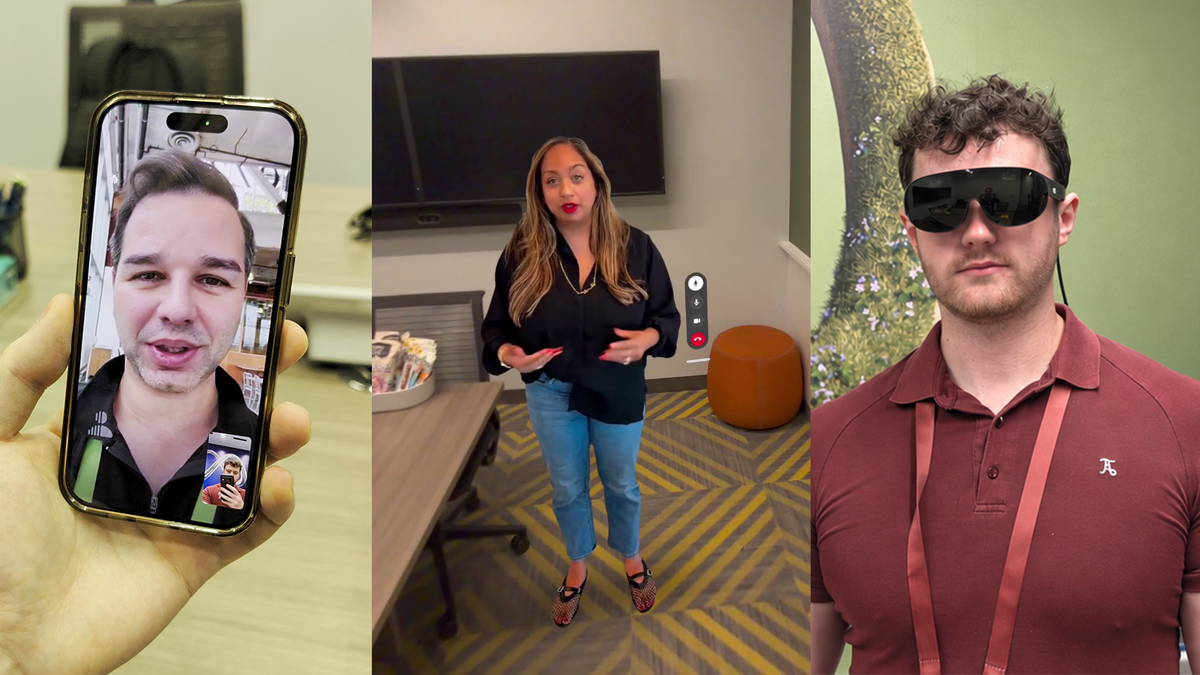
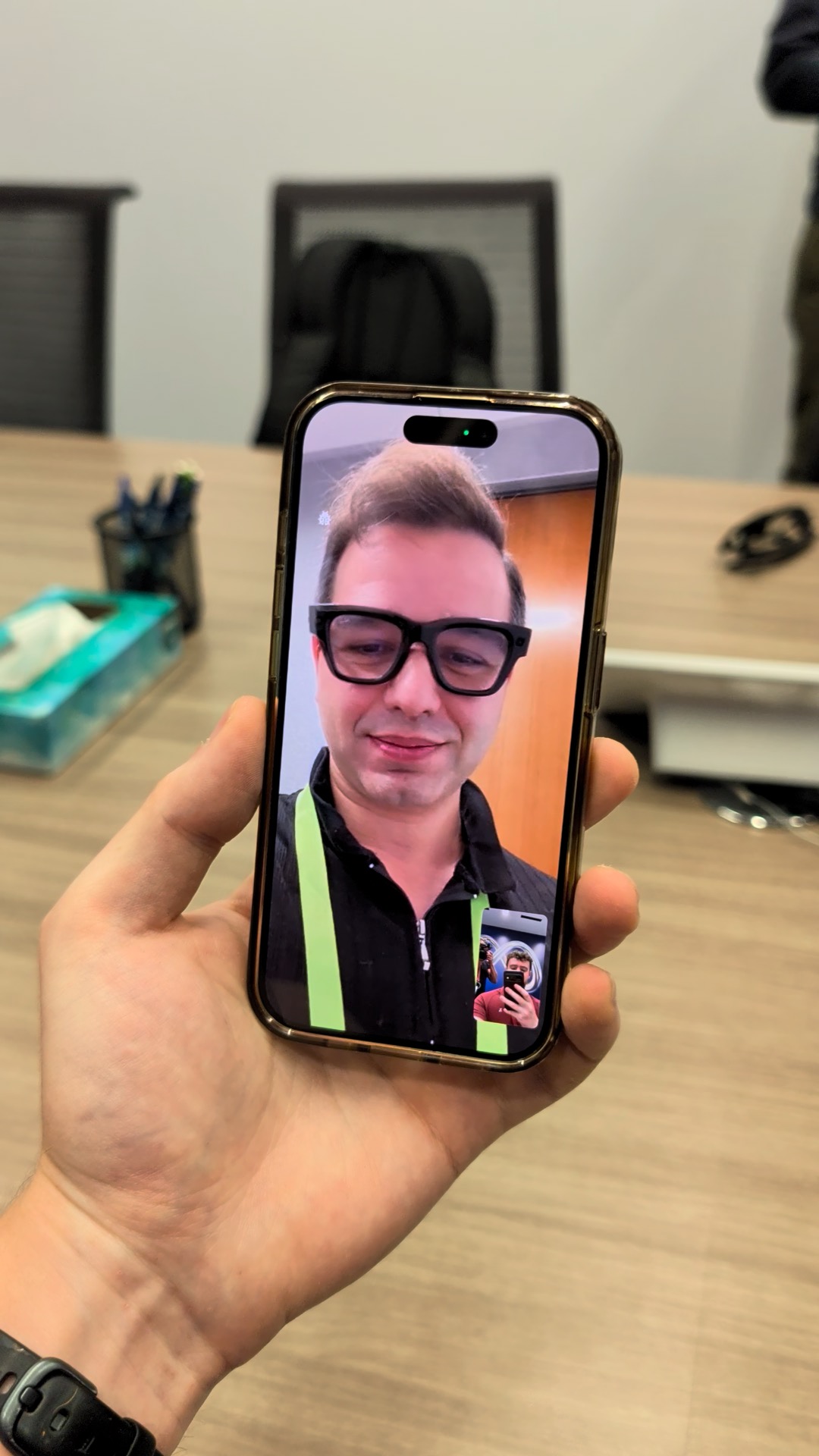
Unlike traditional 3D models that rely on polygons and textures, the initial launch of Holograms utilizes a real-time generative AI diffusion model. The system operates by taking a user’s microphone audio and processing it on Meta’s servers to generate a 2D (for glasses) or stereoscopic 3D (for VR) video stream. This stream is then "masked" onto the receiver’s display, creating the illusion of a photorealistic human presence.
Device Availability
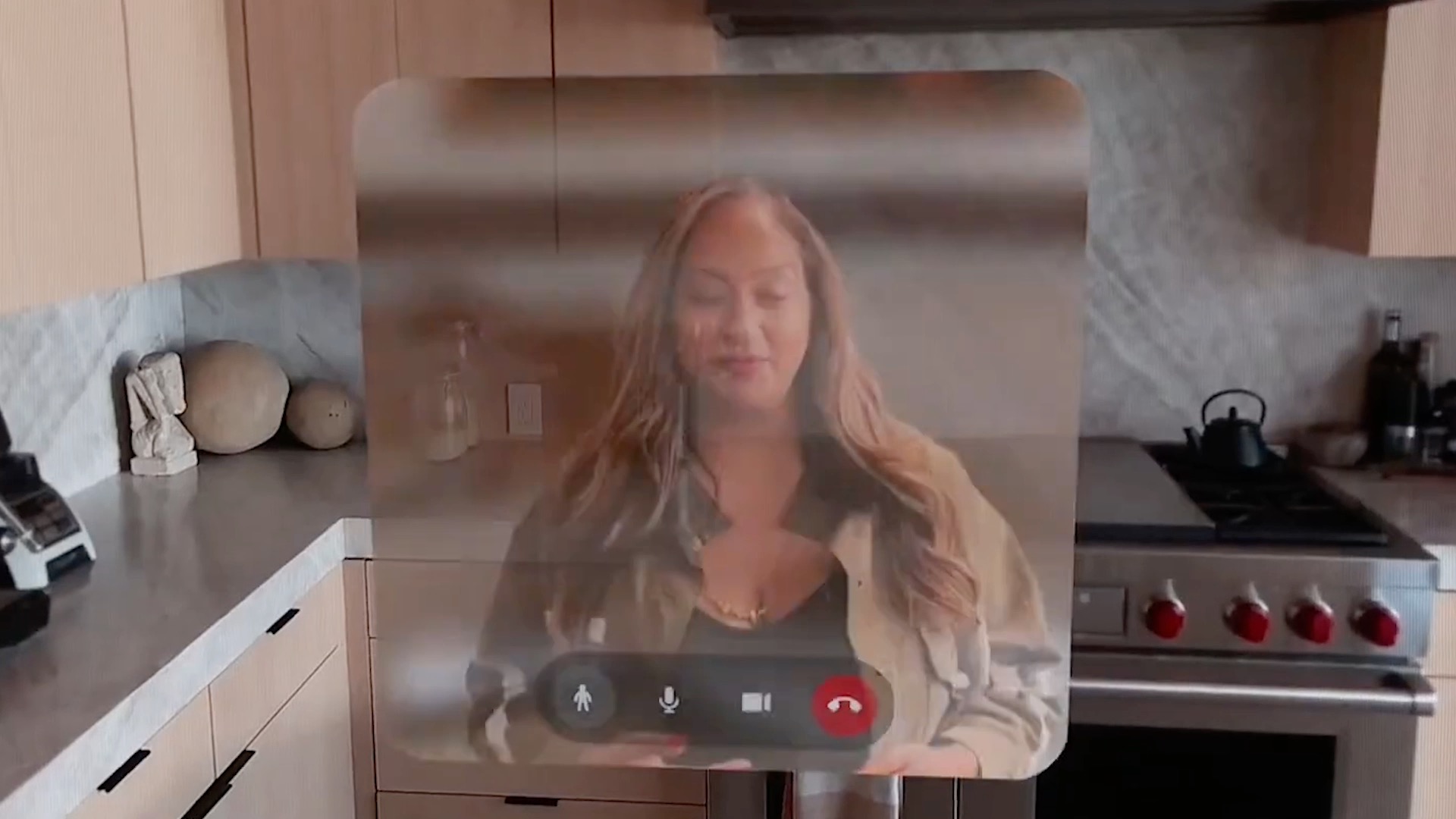
- Meta Ray-Ban Display: A shoulders-up, 2D version of Holograms will arrive in Early Access this fall (2026) for WhatsApp video calls in the US.
- Meta VR Glasses: A full-body, stereoscopic 3D version will launch alongside the new headset in Spring 2027.
- Legacy Hardware: Meta indicated that Quest 3 and subsequent headsets will eventually receive support for the Hologram system.
Hardware Specifications
The flagship vessel for this technology, the Meta VR Glasses, is priced at $1,300. It features dual 2.4K micro-OLED displays, weighs a remarkably light 100 grams, and is powered by a tethered processing puck containing Qualcomm’s Snapdragon Reality Elite chipset.
Chronology: The Seven-Year Itch
The road to Holograms has been a long and often ridiculed journey through the "uncanny valley."
- 2017: Facebook (now Meta) first demonstrates "Codec Avatars" at its research labs. The prototypes are stunningly realistic but require massive server racks and specialized camera rigs to function.
- 2019–2022: Meta launches various versions of its "cartoon" avatars. Despite billions in R&D, the public-facing metaverse remains visually simplistic, leading to widespread criticism regarding the "low-fidelity" nature of Mark Zuckerberg’s digital vision.
- 2023–2025: Meta begins pivoting toward AI. The company realizes that traditional rendering of photorealistic avatars is too computationally expensive for mobile hardware. Research shifts toward using generative AI to "predict" and "draw" facial movements based on audio and sensor data.
- September 2026: At Meta Connect, the company officially announces "Holograms" as the production-ready version of Codec Avatars.
- Late 2026 (Projected): Early Access begins for Ray-Ban users.
- Spring 2027 (Projected): Full consumer launch of Meta VR Glasses and the full-body Hologram SDK.
Supporting Data: The User Experience and Setup
The transition from a static photo to a dynamic Hologram requires a specific onboarding process designed to capture the nuances of human expression.
The Onboarding Process
To create a Hologram, users utilize the Meta AI smartphone app. The setup involves:
- Spatial Mapping: Turning the head in various directions (up, down, side-to-side) to capture a 360-degree view of the face.
- Expression Training: The app prompts the user to smile and answer open-ended questions. This "long-form expressive" data allows the AI to learn how the user’s specific facial muscles move during speech.
- Environment Capture: The system captures the user’s clothing and background. Currently, these are "baked" into the Hologram, meaning a user will appear in the same outfit and location for every call until they re-run the setup.
Performance Metrics
In hands-on demonstrations at Connect 2026, the audio-to-video latency was reported as impressively low, though not instantaneous. The "plausibility" of the avatar is its strongest suit. During testing, observers frequently mistook the Hologram for a standard selfie-camera feed. However, technical hurdles remain:
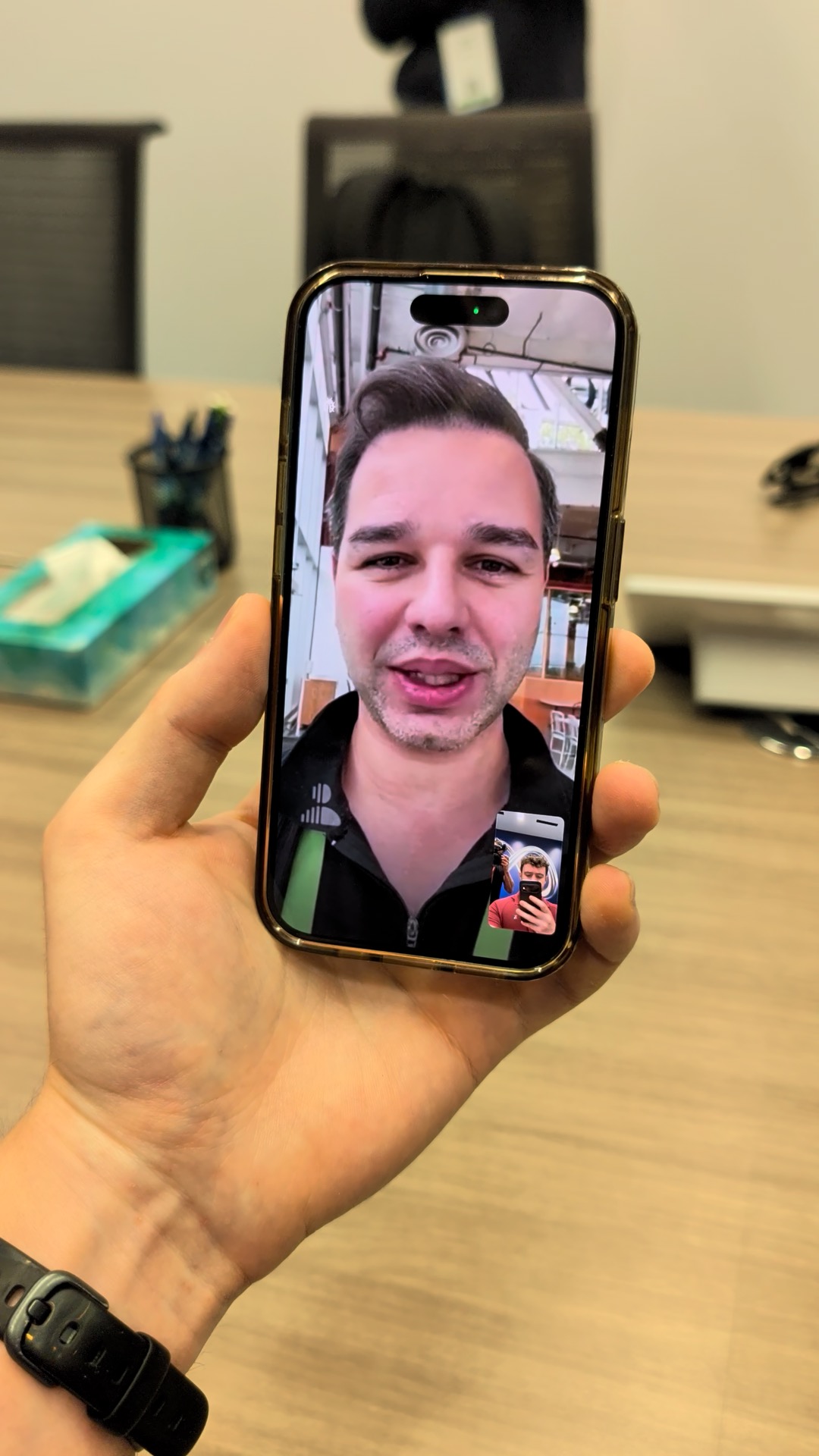
- Bandwidth Constraints: Fine details like eye movement and hair texture can appear "blocky" or pixelated under heavy network load.
- Input Limitations: Initial versions rely primarily on audio. While the AI is excellent at predicting mouth movements, it currently lacks the input to perfectly replicate head tilts or micro-expressions not reflected in speech patterns.
Official Responses and Technical Roadmap
Meta’s engineering team is candid about the current limitations of the system, framing the Spring 2027 launch as the "V1" of a much larger evolution.
Addressing the "Billboard" Effect
One of the primary criticisms of the full-body VR Hologram is that it functions like a "billboard sprite"—a 2D image that always rotates to face the viewer. This breaks the illusion of co-presence if a user tries to walk around the avatar.
Meta engineers confirmed that this is a temporary limitation of the diffusion-stream approach. The company’s long-term roadmap includes an upgrade to truly volumetric Holograms. This future iteration will likely utilize Gaussian Splatting or similar technologies to allow users to view an avatar from any angle, facilitating group conversations where multiple people can stand around a single digital person.
Sensor Integration
Meta CTO Andrew Bosworth hinted at future updates that will incorporate the Inertial Measurement Unit (IMU) chips within the glasses. By sampling the gyroscope and accelerometer, the Hologram will eventually be able to mirror the user’s actual head rotations and walking movements in real-time, moving beyond simple audio-driven animation.
The Sunset of Cartoons
In a significant move for developers, Meta announced that the current Meta Avatars SDK (the cartoon versions) is no longer being actively developed. Once Holograms reach a certain level of stability, they will become the primary SDK for third-party developers, effectively signaling the end of the "cartoon era" for the Meta ecosystem.
Implications: The Social and Ethical Frontier
The shift toward photorealistic, synthetic versions of ourselves carries profound implications for digital communication and privacy.

The "Plausibility" Threshold
Meta’s focus on "plausible" rather than "perfect" avatars suggests a strategic shift. For social presence to succeed, it doesn’t need to pass a forensic examination; it only needs to feel "real enough" to sustain a conversation. If Meta can achieve this on a $300 pair of Ray-Bans or a $1,300 headset, they lower the barrier to entry for spatial computing significantly compared to Apple’s $3,500 Vision Pro.
The Ethics of Synthetic Media
By mainstreaming AI-generated digital twins, Meta is entering a complex ethical landscape.
- Identity Verification: How will users know if they are talking to a "live" Hologram driven by a human or a deepfake bot?
- Digital Persistence: Since clothing and backgrounds are currently static, users may find themselves in the "Zoom shirt" predicament, where their digital identity is permanently tied to a specific physical moment in time.
- Privacy: The server-side processing required for real-time diffusion models means that voice and image data must be streamed and processed in the cloud, raising questions about data retention and the security of one’s "biometric digital twin."
Market Competition
The pricing of the Meta VR Glasses ($1,300) places Meta in a "prosumer" sweet spot. It is expensive enough to signal high-end technology but affordable enough to compete for the market share currently eyeing the Vision Pro. By lead-launching on Ray-Ban Display glasses, Meta is also betting that the future of the metaverse isn’t just in "closed-off" VR headsets, but in the "always-on" augmented reality of daily life.

Conclusion
Meta’s Holograms represent the most significant pivot in the company’s history since the rebrand from Facebook. By moving away from stylized avatars and toward AI-generated realism, Meta is finally delivering on the promise of "co-presence"—the feeling of being in the same room with someone regardless of physical distance. While the "billboard" sprites and bandwidth issues of 2026 show that the technology is still in its infancy, the roadmap toward a volumetric, photorealistic digital world is now clearly defined. For the first time in seven years, Meta’s vision of the metaverse looks less like a game and more like reality.