Evliya Çelebi: The Ottoman Empire’s Unrivaled Chronicler of a Turbulent Age
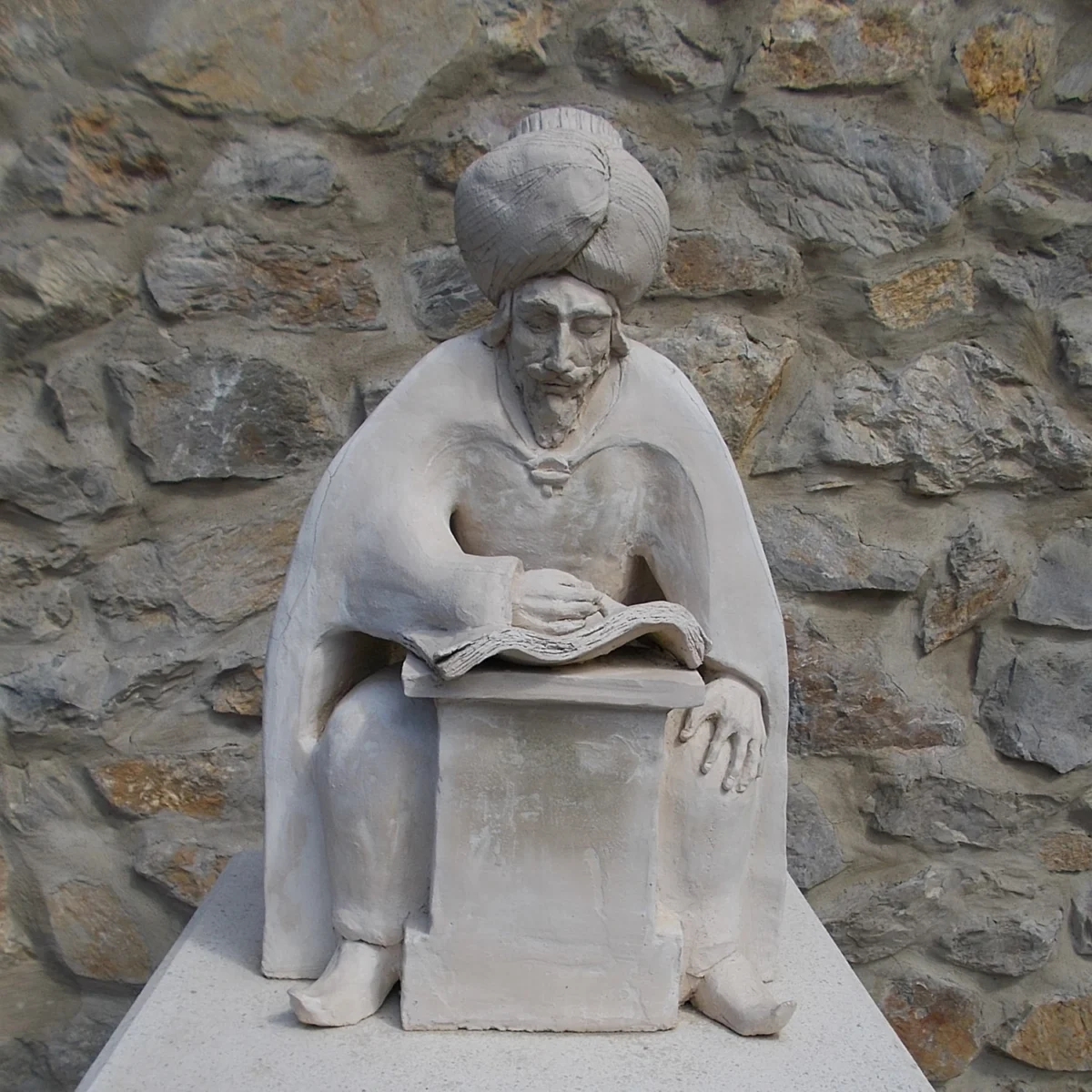
ISTANBUL, Ottoman Empire (circa 17th Century) / GLOBAL (Modern Era) – In an era of profound transformation and relentless upheaval, one figure rose to become the Ottoman Empire’s most celebrated voyager and an unparalleled chronicler of his time: Evliya Çelebi (1611 – 1682/85). His monumental ten-volume Seyahatnâme, or ‘Book of Travels,’ is far more than a mere itinerary; it is a sprawling, vivid tapestry woven from over four decades of journeys, offering an intimate and expansive panorama of the 17th-century Ottoman world and beyond.
A self-proclaimed "world traveler" (seyyâh-ı âlem), Çelebi was a polymath whose diverse talents as a musician, soldier, dervish, and court conversationalist shaped his unique perspective. Unlike conventional historians, he infused his Seyahatnâme with a rich blend of stories, personal reflections, and keen observations, crafting a narrative that was designed to both enlighten and enthrall his readers. Today, his work remains an indispensable cornerstone for understanding the sociopolitical, economic, geographical, cultural, and architectural contours of a pivotal period in global history.
Main Facts: The Visionary Behind the Book of Travels
Evliya Çelebi’s Seyahatnâme stands as the longest known travelogue in Ottoman and West Asian history, distinguished by its vibrant, meticulous, and often entertaining narrative style. While some scholars have historically questioned the absolute veracity of his accounts, citing his penchant for exaggeration and anecdotal flourishes, recent academic research has increasingly reaffirmed the Seyahatnâme‘s fundamental reliability. It serves as a vital primary source, offering insights into the daily lives, customs, and landscapes of a vast empire at a critical juncture.
Çelebi’s ambition to travel was not merely an idle curiosity; it was a deeply ingrained passion, reportedly ignited by a prophetic dream. His journey took him across three continents – Europe, Asia, and Africa – meticulously documenting the diverse peoples, cultures, and geographies he encountered. From the bustling marketplaces of Istanbul to the ancient ruins of Athens, and from the verdant banks of the Nile to the battlefields of distant frontiers, Çelebi captured the essence of a world on the cusp of modernity. His narrative provides a window into the intricacies of Ottoman administration, the dynamism of its cultural life, and the challenges faced by its vast populace.
Chronology: A Life Dedicated to Exploration and Documentation
Evliya Çelebi’s life, spanning the better part of the 17th century, was inextricably linked to the fortunes of the Ottoman Empire.
1611: Born on March 25th in the Unkapanı district of Istanbul, Evliya Çelebi entered a world shaped by his family’s close ties to the Ottoman court. His father, Derviş Mehmed Zıllî, served as the chief jeweler of the prestigious Topkapı Palace, affording young Evliya a privileged upbringing and access to elite education.
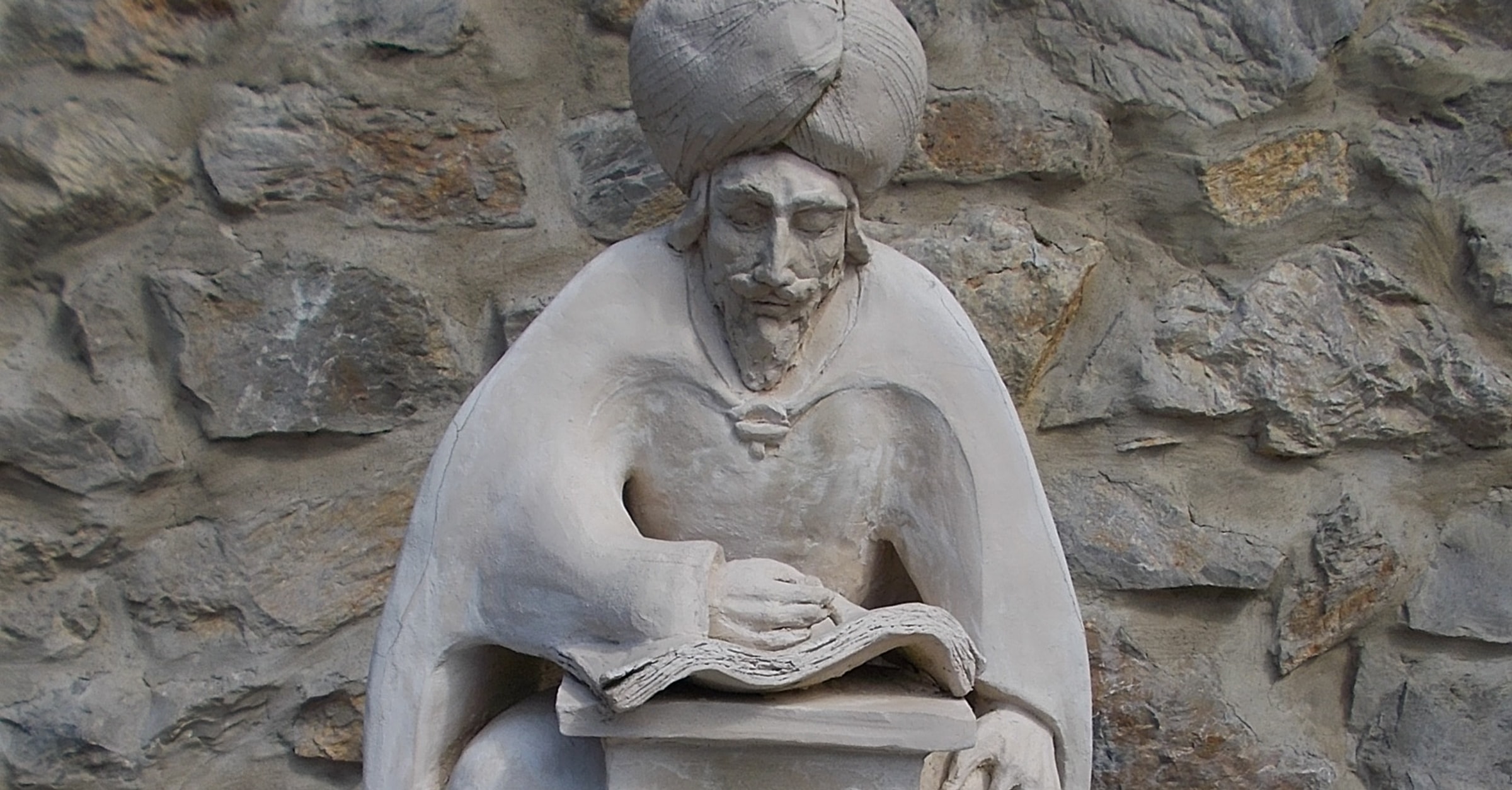
Early Life & Education (Pre-1631): Çelebi attended the Enderun School, the imperial elite boarding school located within Topkapı Palace. Here, he received a comprehensive education, mastering calligraphy, languages, and music. His innate musical talent and sharp wit quickly caught the attention of Sultan Murad IV, fostering a personal connection that endured until the Sultan’s passing in 1640. Crucially, while immersed in palace circles, Evliya maintained strong connections with dervish lodges, which further broadened his intellectual and spiritual horizons. This dual exposure to imperial formality and mystical introspection sharpened his observational skills and facilitated his acquisition of multiple languages, including Arabic, Persian, Greek, and a rudimentary understanding of Latin – invaluable assets for his future travels.
The Dream and the Departure (1631): Evliya describes a pivotal dream in 1631, where he encountered the Prophet Muhammad. In his excitement, instead of asking for ‘intercession’ (şefâat) for the afterlife, he misspoke and requested ‘travel’ (seyâhat). The Prophet, according to Çelebi, granted his wish, providing the divine mandate he needed to overcome familial objections and embark on his lifelong quest. This narrative served not only as a personal justification but also as a powerful cultural legitimization for his ambitious undertaking.
Four Decades of Journeys (1631 – c. 1676): Following his departure from Istanbul, Evliya Çelebi embarked on an extraordinary forty-year odyssey. His travels were financially sustained through a combination of temporary assignments from local administrators, who often tasked him with diplomatic missions or military duties, family inheritance, and the patronage of influential grand viziers like Melek Ahmed Pasha and Köprülü Fazıl Ahmed Pasha. He participated in military campaigns against the Safavids and Habsburgs, engaged in peace negotiations, and even, at times, found himself clashing with central authorities or supporting the Celali rebels – a testament to his adaptable nature and the complex political landscape he navigated.
The Seyahatnâme‘s ten volumes cover a vast expanse:
- Volume 1: Primarily focuses on Istanbul and its immediate surroundings, providing an unparalleled snapshot of the imperial capital.
- Volume 2: Details his travels through Anatolia, the Caucasus, Crete, and parts of the Arabian Peninsula.
- Volume 3: Covers Syria, Palestine, Mesopotamia, Azerbaijan, and western Persia.
- Volume 4: Describes journeys through eastern Anatolia, further into Persia, and Transcaucasia.
- Volume 5 & 6: Recounts expeditions into European territories, including Russia, Hungary, Poland, and parts of the Habsburg lands. His claims of visiting the Netherlands, Brandenburg, and Sweden in Volume 6 are among the more debated passages, highlighting the blend of fact and embellishment.
- Volume 7 & 8: Focuses on the Balkans, Greece, Albania, Crimea, and further regions of the Caucasus and Bulgaria.
- Volume 9 & 10: Dedicated to his extensive travels through Egypt, Sudan, and parts of Ethiopia. These volumes, particularly, contain elements of the fantastical, reflecting local legends and his own narrative flair.
Later Years and Unrecorded End (Post-1676 – 1682/85): The exact date and cause of Evliya Çelebi’s death remain shrouded in mystery, as does the location of his final resting place. Most scholars place his death between 1682 and 1685, likely in Cairo or Istanbul, after having completed his monumental work.
Supporting Data: The Seyahatnâme as a Historical Lens
The 17th century, Evliya Çelebi’s lifetime, was a period of intense flux for the Ottoman Empire. Prolonged, costly wars against the Safavids in the east and the Habsburgs in the west strained both ecological and fiscal resources. Domestically, widespread socioeconomic discontent fueled the notorious Celali rebellions in the countryside and persistent Janissary revolts in urban centers like Istanbul. Banditry rendered major trade routes perilous, a danger Çelebi himself frequently encountered.
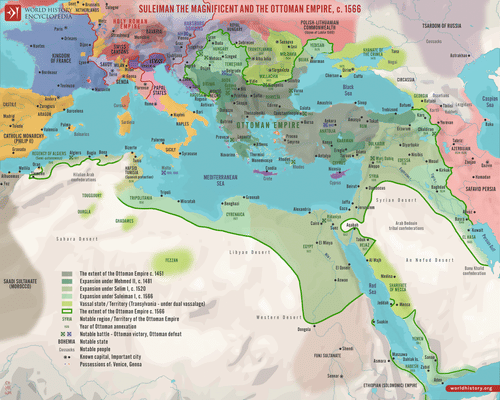
Yet, amidst this turmoil, the empire demonstrated remarkable resilience. Reforms initiated by strong sultans like Murad IV and the influential Köprülü family aimed to stabilize the state, though not all were successful (Osman II’s dethronement by the Janissaries in 1622 stands as a stark reminder of the volatile political climate). Despite internal strife, the Ottomans largely maintained and even expanded their borders, securing territories in Mesopotamia, Crete, and Podolia. Culturally, the era remained vibrant, fostering a flourishing court life that saw the emergence of successful poets, thinkers, and musicians.
Evliya Çelebi’s narrative style, steeped in rich observation and wordplay, captured this complex reality. Unlike the often dry, official chronicles, his Seyahatnâme presented a colorful, firsthand account of these developments, meticulously recording everything from the grandeur of urban centers to the nuances of rural life. His insistence on record-keeping, coupled with his keen eye for detail, truly set him apart.
A Glimpse into Cultural Life:
Çelebi’s self-identification as "the friend of mankind" (nedîm-i benî-âdem) is reflected in his profound interest in the daily lives of diverse societies. His detailed notes on different languages, cuisines, traditions, and even exaggerated legends make the Seyahatnâme an unparalleled repository of culture and folklore. The excerpt describing the cat sellers of Ardabil in Safavid Persia vividly illustrates this:
"By God’s wisdom, because cats in Ardabil have short lives, there are very many mice, more than in other regions…So this city has a royal auction for hirre, i.e., gürbe, i.e., kutta – i.e., cats. There are professional cat-brokers, much in demand, who sell cats in cages…this is the patter they sing, in a loud voice, in the beyati mode:
You who seek a feline,
A cat to hunt your mice:
To rats it makes a beeline,
But otherwise it’s nice;
An enemy to rodents,
And yet it’s not a thief;
A pet to share your grief."
(Dankoff 2011, 66).
This passage is not merely charming; it offers a unique ethnographic snapshot, revealing local economic practices, animal husbandry, and even a snippet of traditional market song, demonstrating Çelebi’s holistic approach to documenting human experience.
Architectural and Geographical Acuity:
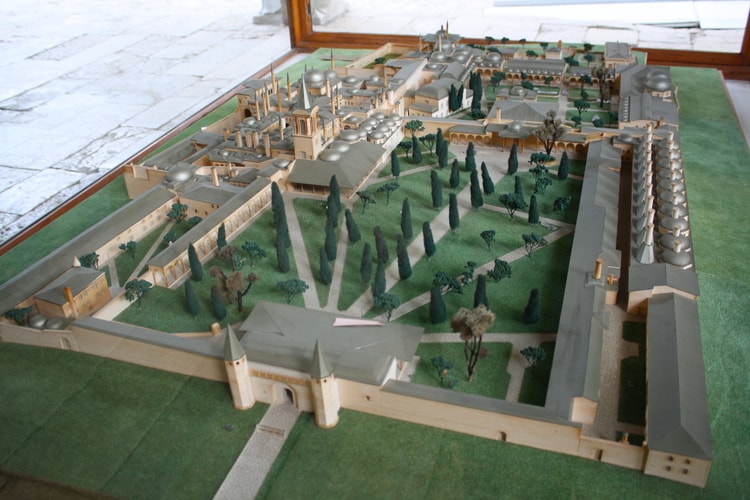
His travelogue is equally crucial for understanding Ottoman urban and village life. Çelebi often took precise measurements of monuments and structures, blending these empirical observations with available records and local hearsay. His description of the Acropolis of Athens exemplifies this fusion:
"The walled city (Acropolis) is in the middle of a broad plain, on a sheer red rock, unthreatened by higher ground. It is a very ancient construction in an oval shape, elongated from east to west. No other place on earth has such a mighty fortress, because the rock towers up 100 cubits from the ground. The stones of the fortification are dressed white marble, polished and shining, each one the size of an elephant or a bathhouse dome… The stone construction above the native rock is 50 cubits in height. The castle’s circumference measured on the outer wall is 3,000 paces…Within the wall are 300 castle-like houses, built of stone and completely covered with roof tiles."
(Dankoff 2011, 271-272)
This blend of mathematical precision ("100 cubits," "3,000 paces") with evocative comparisons ("size of an elephant or a bathhouse dome") and functional details ("300 castle-like houses") provides a rich, multi-layered account rarely found in other sources.
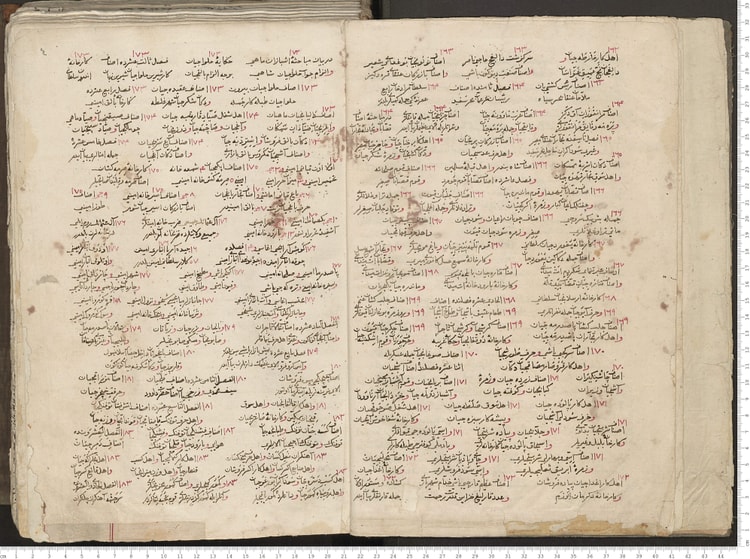
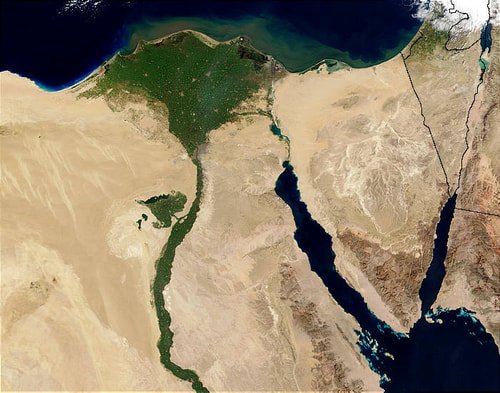
Furthermore, Çelebi contributed significantly to Ottoman cartography. During his final years, he likely prepared a comprehensive map of the Nile Basin, titled Dürr-i bî-misîl în Ahbâr-ı Nîl (‘Matchless Pearl These Reports of the Nile’), further demonstrating his commitment to geographical understanding. His insights into the Nile’s impact on Cairo’s daily life, linking its annual overflow to economic prosperity or potential famine, underscore his grasp of environmental factors shaping human society:
"Because God blessed Egypt with the Nile, there is great abundance and an accumulation of imperial wealth (or tax money). This wealth is assured as long as the Nile overflow reaches 18 cubits. If it reaches 20 cubits, then the Pasha, agents, tax farmers, provincial governors, and peasants all become rich. If it does not reach 18 cubits, then – God save us! – the land is not watered, and dearth and famine ensue, the agents and tax farmers are cut off, imperial wealth is not produced, the Pasha is forced to make up the loss to the treasury out of his own pocket…Cairo is called Mother of the World, because if the whole world is suffering dearth and famine, Egypt can feed it; but if, God forbid, Cairo suffers famine for a single day, not all the world’s crops could sustain it. For Cairo is a sea of men."
(Dankoff 2011, 357)
This passage offers a sophisticated understanding of the interconnectedness of geography, economy, and governance in a pre-industrial society.
Official Responses: From Obscurity to Global Recognition
Despite its monumental scope and depth, Evliya Çelebi’s Seyahatnâme mysteriously fell into obscurity shortly after his death. It was not until the 19th century that his work was rediscovered and brought to the attention of the wider academic world, thanks to the pioneering efforts of the Austrian historian Joseph von Hammer-Purgstall. Hammer-Purgstall’s translation of the first two volumes into German marked the genesis of scholarly studies on Evliya Çelebi, gradually re-establishing his rightful place in intellectual history.
In his own time, Çelebi navigated a complex relationship with official authority. While he leveraged temporary assignments and the patronage of powerful viziers to finance his travels, his inclination to travel independently and his occasional involvement with rebel groups suggest a degree of detachment from strict adherence to central dictates. The Ottoman court itself likely viewed him as a valuable asset for his knowledge of distant lands and cultures, yet perhaps also as an eccentric figure whose narratives blended fact with fantastical elements.
In the modern era, the "official response" to Evliya Çelebi’s legacy has been overwhelmingly positive and global in scope. UNESCO, in celebrating Çelebi’s 400th birthday, aptly declared that the Seyahatnâme is "the longest and fullest travel account in Islamic literature—perhaps in world literature." In 2013, UNESCO further recognized its profound significance by including Evliya Çelebi’s Book of Travels in its prestigious Memory of the World Register, acknowledging its irreplaceable value to humanity’s collective heritage. Prior to this, in 2011, Google commemorated his enduring legacy with a special Google Doodle, introducing him to millions worldwide. These recognitions underscore a universal appreciation for his unparalleled contribution to travel writing, ethnography, and historical documentation.
Implications: An Enduring Legacy for Scholarship and Culture
The implications of Evliya Çelebi’s Seyahatnâme are far-reaching and continue to resonate across various disciplines. For historians, particularly those studying the 17th-century Ottoman Empire, his work serves as an invaluable supplement to often sparse archival documents. Where official records might offer a dry account of decrees and military campaigns, Çelebi provides the human element – the sounds, sights, smells, and sentiments of daily life. His vivid descriptions of cities, fortresses, customs, and local governance offer micro-historical details that bring a bygone era to life.
Beyond history, researchers in social sciences, anthropology, geography, linguistics, and even natural sciences find rich data within its pages. His observations on local dialects, culinary practices, traditional music, and architectural styles provide critical insights into cultural evolution and regional specificities. Geographers benefit from his detailed topographical descriptions, while linguists can trace the evolution of various languages and dialects through his recordings.
The Seyahatnâme‘s enduring popularity also speaks to its literary merit. Its entertaining narrative style, characterized by wit, humor, and occasional flights of fancy, makes it accessible and engaging even for non-specialist readers. It challenges the conventional boundaries between history and literature, demonstrating how personal experience and narrative art can profoundly illuminate historical truth.
Evliya Çelebi’s life and work embody the spirit of curiosity and adventure, transcending geographical and cultural boundaries. The mystery surrounding his death and burial only adds to his enigmatic allure, cementing his status as a legendary figure. Through the tireless efforts of scholars like Hammer-Purgstall and the increasing global recognition, Evliya Çelebi’s Seyahatnâme has emerged from centuries of obscurity to take its rightful place as one of the most significant and captivating works of travel literature ever produced, continuing to inspire and inform generations about the vibrant and complex world of the 17th century.