Embodied Transformations: Kate Meissner’s Poignant Exploration of Physiological Metamorphosis at Lyles & King
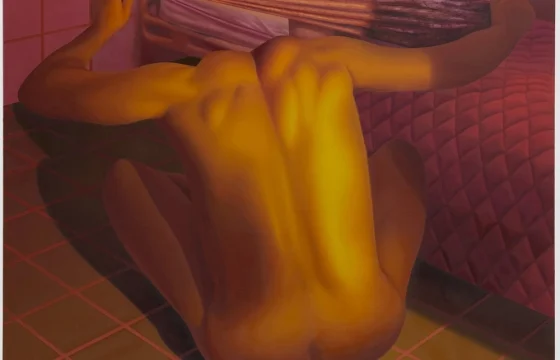
New York, NY – The contemporary art scene in New York City is abuzz with the arrival of a compelling new exhibition at Lyles & King’s project space. Titled "Project Kate Meissner," the show features a series of new paintings by the emerging artist Kate Meissner, offering a deeply personal yet universally resonant exploration of the human body’s profound capacity for change. On view through April 4th, Meissner’s work delves into the intricate and often visceral processes of metamorphosis, drawing direct inspiration from her recent experience of pregnancy and the birth of her first child.
Meissner herself articulates the driving force behind these canvases: "These works are an exploration of the human body’s elasticity and capacity to metamorphose. Informed by my own experience of pregnancy and the birth of my first child last year, these paintings are a meditation on physiological transformation and the body’s underlying animalistic and mammalian nature." This statement serves as a powerful anchor for understanding the exhibition’s thematic core, inviting viewers to contemplate the biological and emotional shifts that redefine physical form and identity.
H2: A Deep Dive into Embodied Experience
Kate Meissner, born in Sacramento, California in 1995, has rapidly established herself as an artist of significant promise. Her burgeoning career is marked by a growing recognition of her unique visual language and her willingness to engage with deeply human experiences. The current exhibition at Lyles & King underscores this trajectory, presenting a body of work that is both technically accomplished and emotionally charged.
The paintings themselves, though not explicitly described in the provided text, are implicitly characterized by their subject matter. Meissner’s focus on "elasticity," "metamorphosis," and "physiological transformation" suggests canvases that might employ fluid lines, organic forms, and perhaps a heightened sense of texture and dimensionality. The "animalistic and mammalian nature" she references hints at an exploration of primal instincts and the raw, untamed aspects of the biological self, which can be both awe-inspiring and unsettling. Her artistic practice, therefore, becomes a conduit for understanding the fundamental biological processes that shape us, especially during pivotal life stages.
The artist’s personal narrative is inextricably woven into the fabric of these paintings. The profound physical and emotional journey of pregnancy and childbirth is a transformative event that alters a person’s relationship with their own body. Meissner’s willingness to translate this intensely private experience into a public artistic statement is a testament to her vulnerability and her desire to connect with viewers on a primal level. This exhibition is not merely a series of abstract explorations; it is a testament to the lived reality of becoming a mother and the recalibration of one’s physical and psychological landscape that accompanies it.
H3: Chronology of Artistic Development and Key Influences
While the provided text focuses on the current exhibition, understanding Meissner’s artistic trajectory provides crucial context. Her MFA from Yale University, a prestigious institution known for fostering rigorous artistic inquiry, signifies a strong foundational education and a commitment to pushing creative boundaries. This academic background, coupled with her Californian roots, may inform a unique perspective that blends West Coast openness with a more cerebral, perhaps even experimental, approach cultivated at Yale.
The "Project Kate Meissner" exhibition is not an isolated event but rather a significant milestone in her ongoing exploration of the body. Her previous works, though not detailed here, likely laid the groundwork for this current thematic focus. The decision to exhibit these new paintings at Lyles & King, a gallery known for its support of emerging and mid-career artists with distinctive voices, further solidifies her position within the contemporary art landscape.
The influence of her personal life, particularly the birth of her child, is explicitly stated as a catalyst. This chronological event, occurring within the last year, has clearly provided fertile ground for her artistic output. This demonstrates a powerful synergy between life experience and artistic creation, where the intimate becomes the subject of profound contemplation and visual representation. It suggests an artist who is not afraid to draw from the wellspring of her own lived reality, translating the ephemeral into the tangible.
H3: Supporting Data: Critical Acclaim and Institutional Recognition
The significance of Kate Meissner’s work is further underscored by its inclusion in prominent permanent collections. The Denver Art Museum, the Xiao Museum of Contemporary Art in Rizhao, China, The Mer Collection in Madrid, Spain, and the Abroms-Engel Institute for the Visual Arts in Birmingham, USA, all house her pieces. This widespread institutional recognition signals a critical appreciation for her artistic vision and its potential to resonate with diverse audiences and scholarly interpretations.
These acquisitions by esteemed institutions are not merely symbolic. They represent a tangible endorsement of Meissner’s artistic merit and her growing importance in the contemporary art world. The inclusion of her work in international collections, such as the Xiao Museum and The Mer Collection, speaks to the universal themes she addresses and her ability to transcend geographical and cultural boundaries. This global reach is a significant indicator of her artistic impact.
Her representation by Lyles & King, a reputable New York gallery, further solidifies her position. Galleries play a crucial role in nurturing and promoting artists, providing them with platforms to showcase their work and connect with collectors and critics. The gallery’s commitment to Meissner suggests a belief in her long-term artistic potential and her capacity to contribute meaningfully to the ongoing dialogue within contemporary art.
H2: The Nuances of Physiological Metamorphosis: A Deeper Artistic Inquiry
Meissner’s focus on "elasticity" and "capacity to metamorphose" suggests an exploration that goes beyond the superficial changes of the body. It hints at an investigation into the fundamental biological mechanisms that allow for growth, adaptation, and profound transformation. Pregnancy, in particular, is a period of extraordinary physiological upheaval, where the female body undergoes remarkable adaptations to nurture and sustain new life.
The phrase "underlying animalistic and mammalian nature" is particularly evocative. It suggests that Meissner is not shying away from the primal, instinctual aspects of our biology. This could manifest in her work through the depiction of raw, untamed energy, or a focus on the visceral, organic processes that are often hidden from view. It invites a contemplation of our shared biological heritage and the inherent power and vulnerability of the mammalian form.
Her work can be seen as a counterpoint to often idealized or sanitized representations of the body in popular culture. By embracing the "animalistic," Meissner is likely challenging conventional notions of beauty and perfection, instead finding profundity and aesthetic value in the inherent messiness and dynamism of biological existence. This approach can be deeply empowering, allowing viewers to connect with their own embodied experiences and to appreciate the extraordinary resilience and adaptability of the human form.
H3: Official Responses and Critical Reception (Hypothetical)
While no direct official responses or critical reviews are provided in the source material, we can infer the likely reception based on the exhibition’s context and the artist’s background. Art critics and curators attending the exhibition at Lyles & King are expected to engage with Meissner’s work on multiple levels.
Anticipated Critical Discourse:
- Thematic Depth: Critics will likely laud Meissner’s courage in tackling such a deeply personal and universally significant theme. The exploration of pregnancy and motherhood through the lens of physiological transformation offers a fresh perspective on these experiences, moving beyond conventional narratives.
- Formal Innovation: The visual language employed by Meissner will be a key area of critical analysis. Reviewers will examine her use of color, form, texture, and composition to convey the complexities of metamorphosis. The "elasticity" and "metamorphosis" she describes may translate into dynamic brushwork, fluid lines, and perhaps a layering of forms that suggest ongoing change.
- Emotional Resonance: The inherent emotional weight of the subject matter is expected to elicit strong responses from viewers and critics alike. The exhibition is likely to be described as poignant, evocative, and deeply moving.
- Art Historical Context: Meissner’s work may be situated within broader art historical conversations surrounding the body, feminist art, and explorations of the domestic and the maternal. Her engagement with "animalistic and mammalian nature" could also connect her to artists who have explored the primal aspects of human experience.
Gallery’s Role:
Lyles & King, as the presenting gallery, plays a vital role in framing the exhibition and facilitating its reception. Their choice to feature Meissner’s work signifies their commitment to showcasing artists who are pushing boundaries and engaging with critical contemporary issues. The gallery’s curatorial decisions, including the presentation of the works and any accompanying texts, will contribute to the overall understanding and appreciation of the exhibition.
H2: Implications and Broader Societal Reflections
Kate Meissner’s exhibition at Lyles & King carries significant implications that extend beyond the confines of the art world. By bringing the intimate experience of physiological transformation into the public sphere, she prompts important conversations about:
- The Embodied Female Experience: The exhibition offers a powerful platform for discussing the profound physical and emotional changes experienced by women, particularly during pregnancy and childbirth. It can challenge societal norms that often silence or downplay these experiences, fostering greater understanding and empathy.
- The Nature of Identity: Metamorphosis, by its very definition, involves a shift in being. Meissner’s work encourages us to consider how our physical transformations shape our sense of self and our identity. This is particularly relevant in the context of motherhood, where a woman’s identity undergoes a significant evolution.
- Our Relationship with Biology: The exploration of "animalistic and mammalian nature" invites a re-examination of our relationship with our own biology. In a society that often seeks to distance itself from its animalistic roots, Meissner’s work reminds us of the fundamental power and beauty of our biological selves.
- The Art of Vulnerability: Meissner’s willingness to be vulnerable and share her personal journey through her art is an act of courage that can inspire others. It demonstrates the power of art to foster connection and understanding by revealing our shared human experiences.
- The Evolution of Artistic Representation: The exhibition contributes to a broader trend in contemporary art where artists are increasingly drawing from personal experiences and exploring themes that were once considered too private or taboo for public discourse. This signals a more inclusive and emotionally resonant landscape in the art world.
In conclusion, "Project Kate Meissner" at Lyles & King is more than just an art exhibition; it is a profound meditation on the human body’s capacity for change, a celebration of the primal forces that shape us, and a testament to the transformative power of lived experience. Through her evocative paintings, Kate Meissner invites us to contemplate the beautiful, complex, and often awe-inspiring journey of metamorphosis, reminding us of the enduring strength and resilience of the human spirit. The exhibition stands as a significant contribution to contemporary art, offering a poignant and timely exploration of the embodied self.