Ancient Echoes: Unearthing the Enduring Legacy of "The Song of the Hoe"
BAGHDAD, IRAQ – From the sun-baked plains of ancient Mesopotamia, a voice echoes across millennia, not of kings or gods, but of a humble agricultural implement: the hoe. Discovered on cuneiform tablets dating back to circa 2000 BCE, "The Song of the Hoe" stands as a unique Sumerian praise poem, celebrating this essential tool for its myriad uses and, remarkably, linking it directly to the very creation of the world by the great god Enlil. This captivating text offers a profound glimpse into the values, economy, and spiritual life of one of history’s earliest civilizations, whose existence was almost entirely predicated on the rhythms of agriculture.
Main Facts: A Divine Tool and Its Praises
"The Song of the Hoe," or Al-lu in Sumerian, is an extraordinary piece of ancient literature that elevates a common tool to mythical status. Composed around 2000 BCE, at the close of the 3rd millennium BCE, this poem hails the hoe as a divine instrument, instrumental in Enlil’s cosmic act of separating heaven and earth and creating a habitable space for humanity. The text meticulously details the hoe’s role in everything from cultivating fields and building cities to shaping irrigation channels and even defining justice.
Copies of the poem have been unearthed at significant archaeological sites, most notably Nippur (known as Nibru in antiquity), but also at numerous other locations throughout Mesopotamia from the 19th to the mid-20th century. Its widespread presence suggests a considerable popularity in its time. While its classification remains a subject of academic debate – is it a creation myth, a work song, or a pedagogical exercise? – its themes undeniably intertwine the practicalities of daily life with the grandeur of divine intervention. The poem’s central focus on the hoe underscores the agricultural bedrock of Mesopotamian society, where this tool was not merely an instrument of labor but a symbol of sustenance, civilization, and divine order.
Chronology: From Ancient Scribes to Modern Discovery
The journey of "The Song of the Hoe" from ancient Sumerian tablets to modern scholarly attention spans thousands of years. Its composition is generally placed around 2000 BCE, a period of significant cultural and literary flourishing following the collapse of the Neo-Sumerian Ur III Empire, marking a transition into the Old Babylonian period. This era saw the continued use and adaptation of Sumerian literary traditions, even as Akkadian began to dominate as a spoken language.
The primary mechanism for the poem’s preservation was the edubba, the Sumerian scribal schools, which served as the intellectual heart of Mesopotamian society. These "Houses of Tablets" were responsible for educating the literate elite – administrators, priests, and scholars – who would maintain the complex bureaucratic and religious structures of the state. Students began their rigorous training by mastering cuneiform script, then progressed to copying and reciting increasingly complex literary works. "The Song of the Hoe" was a key component of the Decad, a collection of ten more challenging compositions that students had to master before advancing to higher levels of scholarship and ultimately, graduation. This pedagogical function ensured the poem’s meticulous transcription and widespread dissemination across various cities.
The modern rediscovery of "The Song of the Hoe" unfolded over decades, largely through archaeological excavations of ancient Mesopotamian cities. The 19th and early 20th centuries were pivotal, as archaeologists uncovered vast libraries of clay tablets, including those from Nippur, a major religious and educational center. These finds, often fragmented, required painstaking decipherment and reconstruction by pioneering Assyriologists. The process of translating these ancient texts, written in a language long silent, brought to light not only "The Song of the Hoe" but also an entire corpus of Sumerian literature, offering unparalleled insights into a civilization that laid many foundational elements of human culture. The sheer number of extant copies, some exhibiting slight variations, testifies to the poem’s enduring appeal and its role as a standard text in ancient education.
Supporting Data: Unraveling Interpretations and Textual Riches
The seemingly straightforward nature of a "praise poem" belies the rich layers of interpretation and scholarly debate surrounding "The Song of the Hoe." Its dual function – as a potential work song and a definite classroom text – highlights the multifaceted role of literature in ancient Sumer.
The Classroom vs. The Field: A Pedagogical Purpose?
One of the central debates concerns the intended audience and performance context of the poem. Some scholars propose that the poem’s repetitive structure, particularly the constant reiteration of the Sumerian word for "hoe" – al – along with other words containing al, suggests it was sung by field hands and farmers. This theory posits that the rhythmic repetition would have helped pass the time during arduous, repetitive tasks, much like work songs today, while also establishing a synchronized rhythm for collective labor. The tongue-twisting nature of the al repetitions could have also provided a form of entertainment.
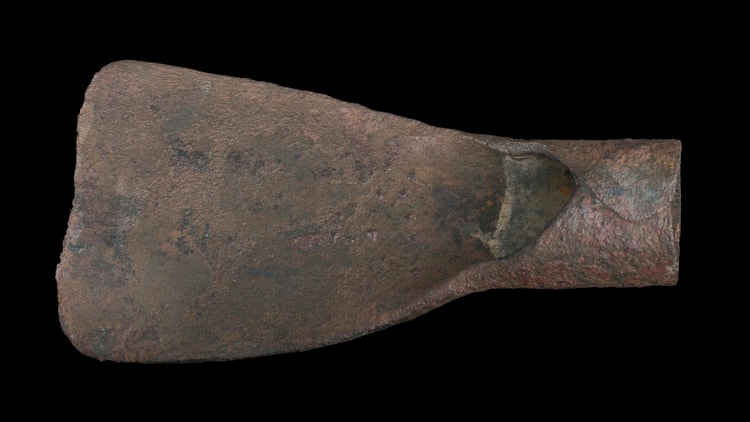
However, scholar Jeremy Black offers a compelling counter-argument, suggesting that "The Song of the Hoe" was more likely a classroom text for scribal students rather than a field song. Black notes that the Mesopotamian hoe was a heavy, mattock-like tool, quite different from a modern garden hoe, used for breaking up and tilling earth. Given that students in Nippur’s edubba were typically from affluent urban families destined for careers in temple administration, it’s improbable that many would have had direct experience with such manual labor. Black argues:
"The composition should perhaps be seen as at once reminding the young men that the foundations of institutional prosperity rest on manual labor, while distancing them from it through elaborate intellectual word games and clever origin myths." (Black et al., 312)
This interpretation frames the poem as an intricate intellectual exercise. The repetitive al wasn’t just for rhythm but a "purposeful word game," a test of a student’s linguistic mastery and ability to recite complex patterns. It served to impart a cultural understanding of the importance of manual labor, particularly agriculture, while simultaneously reinforcing the students’ elite status and intellectual prowess.
A Creation Myth for an Implement?
Another significant area of discussion revolves around the poem’s classification as a creation myth. While it opens with Enlil’s cosmic acts, scholar Samuel Noah Kramer, a preeminent Sumerologist, contends that the piece functions as a creation myth not of the world per se, but specifically of the hoe itself. Kramer, in fact, translates the title as "The Creation of the Pickaxe," emphasizing that the primary "character" and focus of the work is the hoe, not the gods who wield it.
This perspective highlights the Sumerian propensity to deify and imbue even inanimate objects with sacred significance, especially those vital to their survival. By tracing the hoe’s origins to divine creation, the poem elevates its status, making every use of the tool a participation in the original, sacred act of world-making.
Textual Summary and Analysis: A Tapestry of Divine Labor
The narrative of "The Song of the Hoe" unfolds with a cosmic scope, immediately establishing the hoe’s divine pedigree:
- Divine Genesis (Lines 1-27): The poem begins with Enlil, the "lord who never changes the destinies," using his magnificent hoe – described as being crafted from gold, inlaid with lapis lazuli, and adorned with silver – to separate heaven from earth. This act creates the "Where Flesh Came Forth," a cosmic location designated for humanity. The Anuna gods recognize the goodness of Enlil’s work, and Ninmena (Ninhursag), the mother goddess, decrees human reproduction, setting the stage for humanity to flourish in the divinely prepared world.
- Praise and Administration (Lines 28-34): Enlil, here called Nunamnir, is praised, but significantly, Enki, the god of wisdom, praises Enlil’s hoe, not Enlil directly. This reinforces Kramer’s view of the hoe as the central figure. Nisaba, initially a grain deity but later revered as the goddess of writing and accounts, is tasked with record-keeping. This detail links divine administration to human endeavor, as people take up their own hoes, emulating Enlil’s creative act, with Nisaba presumably recording their deeds and productivity.
- Building Civilization (Lines 35-58): The hoe’s practical utility is celebrated extensively. It is credited with founding the E-Kur, Enlil’s temple in Nippur, building it "by day" and causing it to "grow by night." Other deities engage with the hoe: Ninlil and Ninisina bring offerings to the "lord of the hoe"; Enki (Nudimmud) is dubbed "hoe wielder" for creating the freshwater Abzu realm; Ninhursag, with Ninurta (Cul-pa-eda), uses the hoe in temple construction. Even powerful goddesses like Inanna and Nisaba are depicted working on their cities with the hoe, assisted by gods like Utu, the sun god. This section vividly portrays the hoe as the fundamental instrument of civilization, transforming wilderness into ordered urban and sacred spaces.
- Order and Justice (Lines 59-82): The hoe’s influence extends to establishing order and even justice. Inanna’s son, Sara, requests tools for order and is granted a hoe. The poem connects the hoe to underworld deities like Dumuzid and Gibil (god of fire and justice), suggesting its role in funerary rites and the balance of the cosmos. The hoe is praised for its uses in building, burying the dead, as an agricultural tool, and even as a weapon. The hero Gilgamesh is lauded for using the hoe to maintain irrigation ditches, being the "great barber of the watercourses," a crucial task in arid Mesopotamia. The text even humorously describes "wicked…sons of the hoe," born from sleep, hinting at the unpredictable outcomes of human and divine interaction with the tool.
- The Hoe as a Universal Principle (Lines 83-106): The poem then broadens its scope, describing a cosmic order where everything has its place, and the hoe is the linchpin. It is compared to various elements of nature and human culture – a dog in reed-beds, a dragon in the forest, a battle-axe, a net, a bowl. The al sound is described as "sweet," appearing in natural phenomena like the "allanum oak" and "arganum balm." The poem declares that the hoe "makes everything prosper," "makes everything flourish," and is "good barley," "brick moulds," and the force that "made people exist." It is the "strength of young manhood," the builder of cities, and the tamer of rebellious agricultural lands.
- Conclusion (Lines 107-109): The poem concludes by reaffirming the hoe’s divine destiny, fixed by Enlil, and ends with a traditional praise to Nisaba, acknowledging her as the muse and guide for the poet.
The intricate wordplay surrounding al in the Sumerian text, with its homophones and variations (aled for daylight, altare for distributing, jal for doing/taking, kal for valued, ucumgal for dragon, dajal for broad/extend), would have served as a sophisticated linguistic challenge for scribal students. Mastering these nuances would have been a testament to their erudition, transforming a simple tool into a vehicle for intellectual and spiritual engagement.
Official Responses: Enduring Relevance in Modern Scholarship
In the present day, "The Song of the Hoe" remains a celebrated and frequently anthologized work within Mesopotamian studies. Its unique subject matter and rich cultural insights make it a favorite among scholars and students alike. Modern interpretations continue to explore its poetic structure, linguistic intricacies, and socio-religious significance.
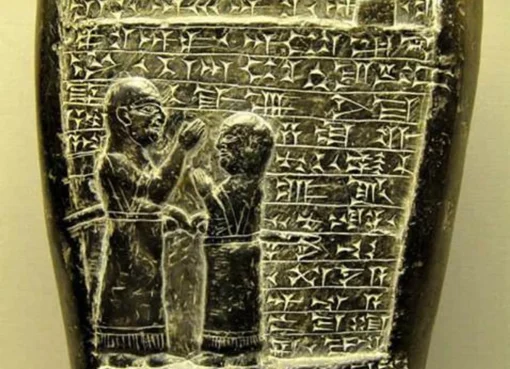
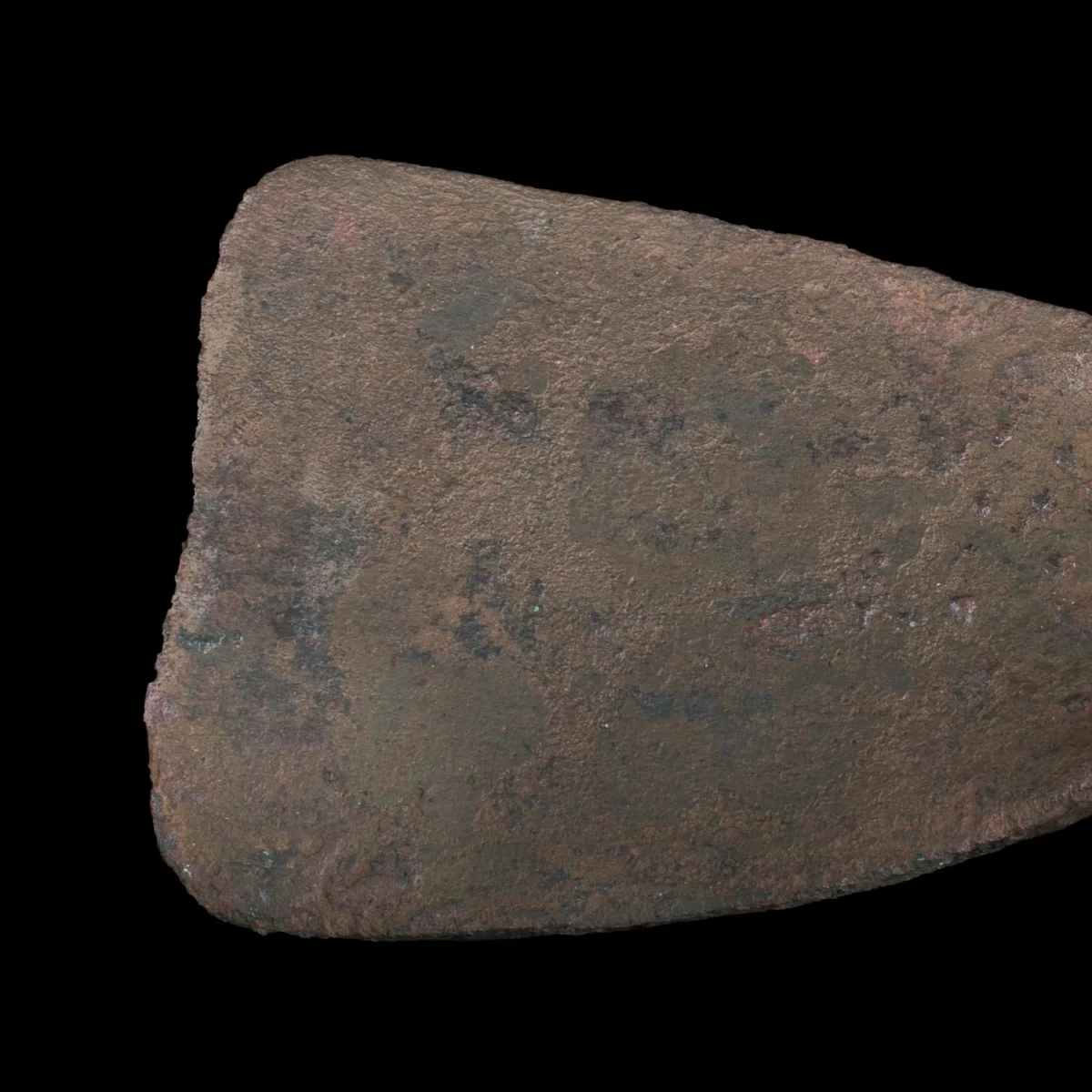
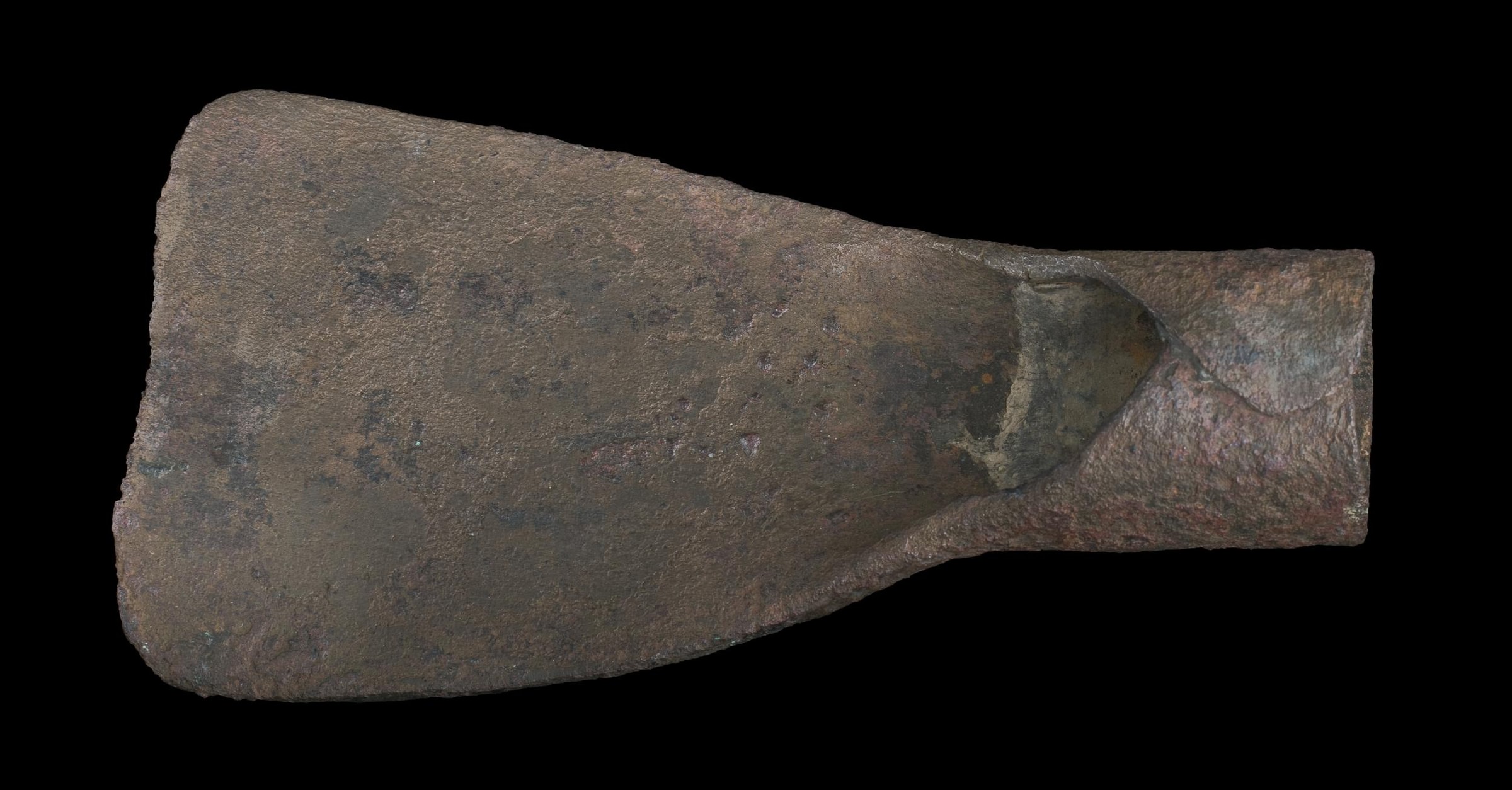
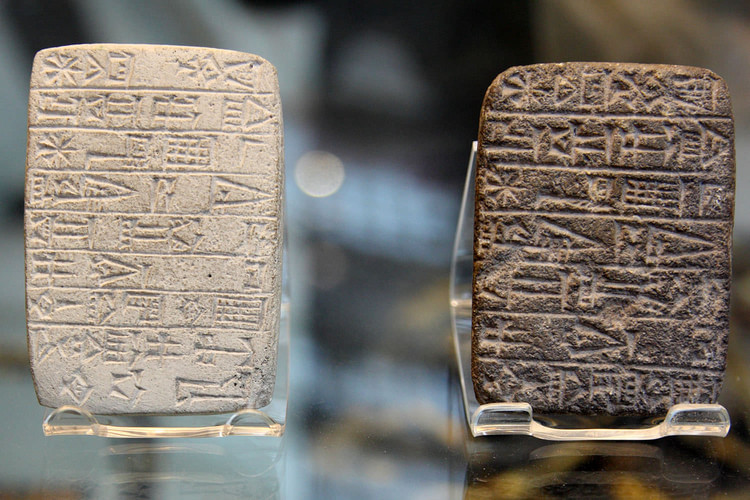
The images accompanying the text, such as the "Mesopotamian Hoe" from the British Museum, the "Cuneiform Tablets in Sumerian" by David Morgan-Mar, and the "Goddess Nisaba" by Osama Shukir Muhammed Amin, serve as vital visual aids. They bridge the gap between ancient texts and contemporary understanding, allowing us to visualize the tools, scripts, and deities that populated the Sumerian world. The British Museum’s depiction of the hoe provides tangible evidence of the tool’s form, complementing scholarly descriptions. The cuneiform tablets emphasize the physical medium of the poem’s preservation, while the representation of Nisaba highlights the goddess’s evolving role from grain deity to patroness of writing, directly relevant to her mention in the poem’s administrative and inspirational context.
The ongoing study of "The Song of the Hoe" contributes significantly to our understanding of ancient Sumerian literature, religion, and daily life. It provides a rare window into the mindset of a people who saw the sacred in the mundane, and whose very survival depended on their intimate relationship with the land and the tools they used to cultivate it.
Implications: Lessons from the Land of Two Rivers
"The Song of the Hoe" carries profound implications for understanding ancient civilizations and offers enduring lessons for contemporary society.
Cultural and Economic Significance
The poem unequivocally highlights the central role of agriculture in Mesopotamian civilization. In a region often described as the "cradle of civilization," the ability to cultivate the land was not just an economic necessity but the very foundation upon which cities, social structures, and complex religious systems were built. The hoe, as the primary implement for this vital activity, naturally garnered immense respect and was deemed worthy of divine praise. It underscores a societal value system where hard work, productivity, and the tools that enable them were deeply revered, reflecting a pragmatic yet spiritual connection to the earth.
Religious and Spiritual Dimensions
Perhaps the most striking implication is the seamless integration of the divine into everyday life. By linking the hoe to Enlil’s cosmic act of creation, the poem imbues manual labor with sacred meaning. This suggests that for ancient Sumerians, performing tasks with the hoe was not merely drudgery but a participation in the ongoing divine act of maintaining cosmic order and sustaining life. Humans were seen as "co-workers with the gods," a concept that could provide immense psychological and spiritual encouragement to those toiling in the fields. It offers a powerful reminder of how ancient peoples found meaning and transcendence in their daily routines, a perspective often lost in modern, secularized societies.
Educational Insights
The poem’s established use in scribal schools provides invaluable insights into ancient pedagogical methods and the curriculum designed to shape the intellectual elite. The emphasis on copying and reciting complex texts, coupled with linguistic puzzles and intellectual word games, reveals a sophisticated educational system focused on developing both literacy and critical thinking. Black’s interpretation suggests that the poem served a dual purpose: to connect the affluent scribal students to the foundational agricultural labor of their society, while simultaneously affirming their intellectual distance and mastery through intricate literary exercises. This reveals the strategic role of literature in shaping social identity and reinforcing societal hierarchies.
Enduring Relevance
In an age increasingly disconnected from the origins of food and the fundamental acts of production, "The Song of the Hoe" serves as a powerful testament to humanity’s enduring relationship with the land and the tools that shape our existence. It reminds us that even the simplest implements can hold profound symbolic power and that the act of labor, when viewed through a spiritual lens, can become a sacred endeavor. The poem’s continued study offers a bridge to a distant past, illuminating the values and beliefs of a civilization that, through its hymns to a hoe, taught us about the divine spark in human effort and the fundamental connection between hard work, prosperity, and cosmic order.
Ultimately, "The Song of the Hoe" is far more than a historical curiosity. It is a vibrant piece of literature that encapsulates the spirit of ancient Sumer – a civilization that found heroism and divinity not just in its gods and kings, but in the very tools that tilled the earth and built the foundations of human society. Its enduring legacy is a testament to the profound meaning that can be unearthed from the most unexpected corners of history, echoing across the millennia with lessons still relevant today.