Grand Theft Auto VI: A Calculated Gambit to Reclaim Gaming’s Cultural Apex
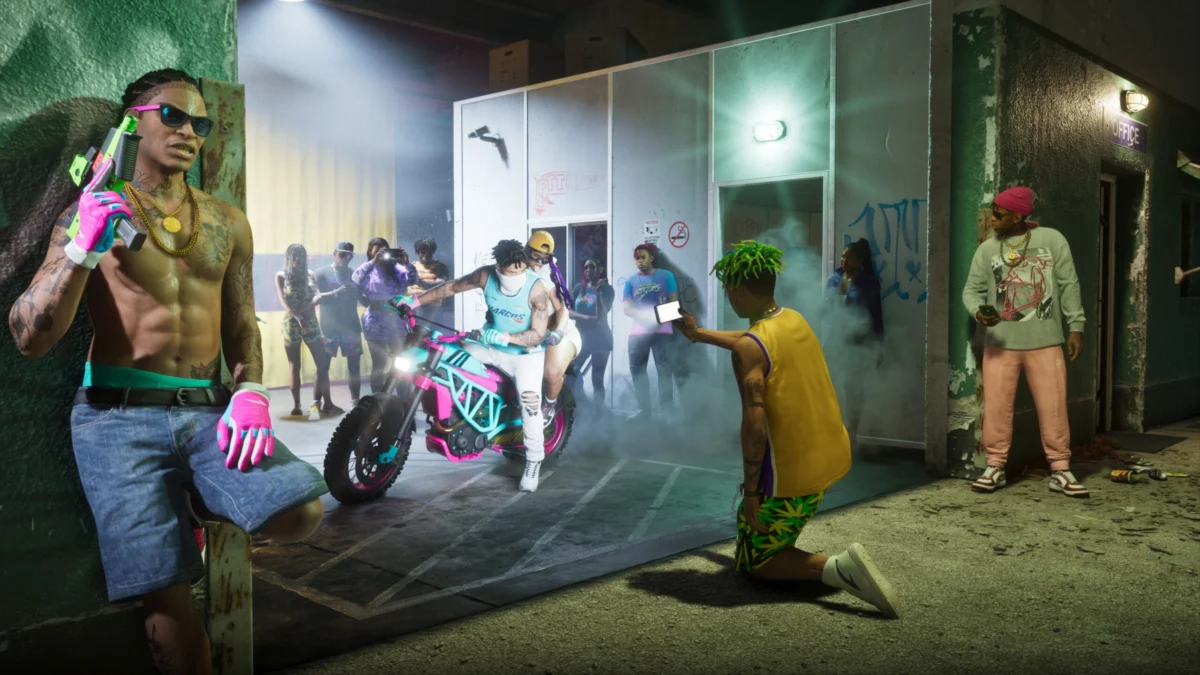
The highly anticipated release of Grand Theft Auto VI is poised to be more than just another blockbuster game; it’s a meticulously orchestrated campaign by Take-Two Interactive to reignite the era of gaming as a mainstream cultural phenomenon, reminiscent of Halo 3’s unparalleled impact.
Published: August 9, 2026, 8:30 AM EDT
By: Giovanni Colantonio
The digital landscape is abuzz with anticipation for Grand Theft Auto VI, a title already etched into the annals of gaming history by its sheer pre-release demand. Take-Two Interactive CEO Strauss Zelnick has unequivocally stated that the game’s preorder numbers are "unprecedented and astonishing," signaling a seismic event on the horizon. However, the ambition of GTA VI extends far beyond mere sales figures. Rockstar Games has initiated a deliberate campaign to elevate the game’s profile, culminating in an exclusive trailer premiere on Netflix on August 27th, a move that, while sparking fan backlash, clearly signals Take-Two’s intent to engineer a cultural moment of a magnitude not witnessed since the heady days of Halo 3.
In an era where even critically acclaimed titles often exist within niche enthusiast circles, GTA VI’s strategy aims to shatter those boundaries. The days of a singular game release commanding global attention are largely a relic of the past. While titles like Resident Evil Requiem and Crimson Desert may achieve considerable success, they rarely penetrate the broader cultural consciousness. This stands in stark contrast to a bygone era, where game launches were considered newsworthy events, even gracing the evening news. The author recalls local news coverage of the PlayStation Portable’s release, complete with footage of sprawling queues outside retail stores, underscoring a palpable sense of historical significance surrounding gaming milestones.
The Halo 3 Blueprint: Crafting a Cultural Colossus
The zenith of this phenomenon was arguably reached in 2007 with the release of Halo 3. Microsoft’s monumental marketing push, reportedly exceeding $40 million, transformed the shooter into an inescapable cultural juggernaut. The ambitious campaign featured a series of live-action trailers, meticulously crafted by Neill Blomkamp, with one even debuting on the Discovery Channel. The synergy extended to consumer products, with Mountain Dew launching a bespoke "Game Fuel" flavor and Master Chief adorning Burger King packaging. These strategic corporate partnerships propelled Halo 3 beyond the confines of the gaming community, culminating in midnight launch parties that drew national news coverage, akin to reporting on a major cultural gala.
This era of broad cultural impact for game launches is now a rarity. While some franchises, like World of Warcraft, still manage to secure placements on consumer goods like Fanta bottles, the widespread, cross-demographic recognition of a game’s release is seldom achieved. The recent launch of Halo: Campaign Evolved serves as a poignant example. Instead of echoing the cultural resonance of its predecessor, it experienced a subdued release, marked by typical sales figures, mixed user reviews, and subsequent reported layoffs at Halo Studios. The absence of such broad cultural engagement is a stark indicator of the shifting landscape, leaving many, like the author’s mother, unaware of even prominent gaming figures.
GTA VI’s Ambitious Offensive: A Calculated Risk
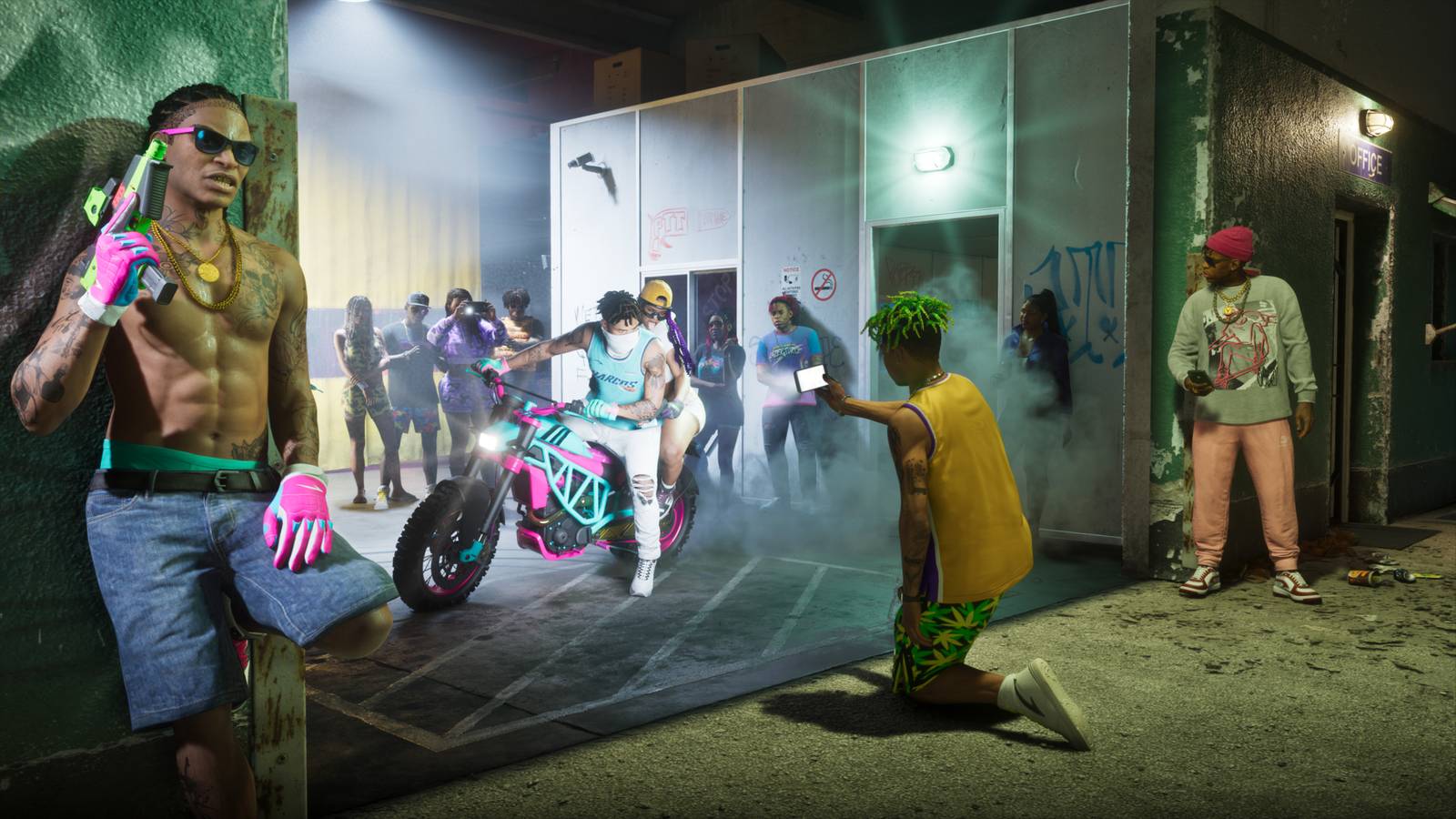
Grand Theft Auto VI, however, is not destined for such a muted reception. The unconventional partnership with Netflix for its next trailer reveal is a clear indication that Take-Two is not content with merely producing a critically acclaimed and commercially successful game. The objective is to foster widespread public discourse, engaging individuals who may not typically follow the gaming industry. This strategy suggests an aspiration for a cultural moment that compels even mainstream news anchors to acknowledge its existence, potentially leading to surreal scenarios like politicians referencing "grand theft auto" in their campaign rhetoric.
The success of this ambitious offensive hinges on Take-Two’s ability to execute a flawless strategy. Early indications, however, reveal potential headwinds. The fan backlash to the Netflix announcement underscores that the gaming community may not universally embrace every marketing maneuver with uncritical enthusiasm. There is a tangible risk that the same playbook that propelled Halo 3 to unprecedented heights could be perceived as overly commercialized and even disingenuous in today’s more discerning market.
Navigating the Hype: Can Too Much Backfire?
The question remains: can excessive hype ultimately prove detrimental? While the immediate impact on GTA VI’s sales is unlikely to be significantly affected, and its status as a main event is virtually assured, the potential for a negative perception among a segment of the player base cannot be entirely dismissed. The gaming community is increasingly vocal about corporate overreach and the commodification of their passion. A strategy that prioritizes broad cultural saturation over genuine fan engagement could, in some instances, alienate core supporters.
The decision to premiere the GTA VI trailer on Netflix, six hours before its wider release on YouTube, is a bold move designed to create exclusivity and generate immediate buzz. This approach, while potentially alienating to some fans who prefer open access, is a calculated risk aimed at maximizing reach and engagement. By leveraging the vast subscriber base of a global entertainment platform like Netflix, Take-Two aims to expose GTA VI to an audience far beyond the traditional gaming demographic. This strategy echoes the multi-platform approach of Halo 3, which utilized various media channels to embed itself in popular culture.
Supporting Data and Market Trends
The immense anticipation for GTA VI is not an isolated phenomenon but a reflection of broader trends in the gaming industry. The open-world genre, particularly those developed by Rockstar Games, has consistently demonstrated its ability to captivate a massive audience. The enduring popularity of Grand Theft Auto V, released over a decade ago, continues to generate substantial revenue, highlighting the franchise’s unparalleled brand loyalty and market longevity.
Furthermore, the increasing integration of gaming into mainstream entertainment, evidenced by the proliferation of gaming-themed content on streaming platforms and the growing esports industry, suggests a fertile ground for GTA VI’s ambitious cultural aspirations. The success of titles like Cyberpunk 2077, despite its rocky launch, demonstrated the power of a compelling narrative and immersive world to draw in a wide audience. GTA VI, with its established pedigree and rumored scope, is perfectly positioned to capitalize on these evolving market dynamics.

Official Responses and Strategic Rationale
Take-Two Interactive’s leadership has been remarkably consistent in their messaging regarding GTA VI. Strauss Zelnick, in particular, has repeatedly emphasized the game’s potential to redefine industry benchmarks. His comments about "unprecedented and astonishing" preorder numbers are not merely hyperbole but a reflection of internal data and strategic confidence. The company views GTA VI not just as a product but as a cultural event capable of transcending the boundaries of the gaming industry.
The decision to partner with Netflix, while controversial, is a testament to this broader vision. It signifies a willingness to explore unconventional avenues to reach new audiences and amplify the game’s cultural footprint. This strategy is not without precedent; earlier attempts at cross-platform integration, though less dramatic, have been part of the industry’s evolving marketing playbook. The Netflix deal, however, represents a significant escalation, aiming for a level of cultural penetration that few games have ever achieved.
Implications for the Gaming Industry and Beyond
The potential success of GTA VI’s ambitious cultural campaign could have profound implications for the future of game marketing and promotion. If Take-Two can successfully position GTA VI as a global cultural touchstone, it may inspire other major publishers to adopt similar, large-scale, multi-platform marketing strategies. This could lead to a renewed era where game launches are not just industry events but genuine cultural moments that capture the public imagination.
However, the risk of alienating a segment of the dedicated fanbase remains. The gaming community is increasingly sophisticated and wary of perceived corporate exploitation. A misstep in the execution of this ambitious strategy could lead to a backlash that, while unlikely to derail sales, could tarnish the game’s broader reception and impact future marketing efforts.
Ultimately, the success of Grand Theft Auto VI’s quest to reclaim gaming’s cultural apex will be a testament to the power of strategic marketing, brand loyalty, and the enduring appeal of an immersive open world. The world is watching to see if this calculated gamble will indeed stop the world, or if the era of gaming as a universally recognized cultural event has irrevocably shifted. The journey from a meticulously planned trailer premiere to a genuine global phenomenon is a complex one, fraught with both immense potential and significant challenges.