Dive into the Depths: Hatchlings Games Unveils ‘Bow,’ a Ghibli-Inspired Solo RPG
FOR IMMEDIATE RELEASE
[City, State] – [Date of Publication] – Hatchlings Games, an innovative publisher known for its unique tabletop roleplaying experiences, is set to launch a crowdfunding campaign for its latest creation, "Bow." This upcoming solo and duet journalling RPG draws profound inspiration from the serene underwater exploration of the video game Abzu and the breathtaking, environmentally conscious narratives of Studio Ghibli films, promising players an immersive journey into a world of pristine oceans and ancient mysteries. The campaign is scheduled to commence on Backerkit on May 31st, inviting enthusiasts to embark on an unparalleled aquatic adventure.
Main Facts: A New Current in Tabletop Roleplaying
"Bow" is poised to make a significant splash in the burgeoning market of solo and duet tabletop roleplaying games. At its core, "Bow" challenges players to embody freedivers participating in a pivotal "Shoaling Festival" on a vibrant, water-rich planet. This festival is not merely a competition but a deeply symbolic event, with the future of the divers’ community hanging in the balance. Players will navigate a pristine ocean teeming with diverse marine life, explore vibrant coral reefs, and encounter both strange and beautiful creatures as they vie for victory.
The game’s aesthetic and thematic foundations are deeply rooted in two distinct yet harmoniously blended sources. The visual and atmospheric wonder of "Bow" is heavily influenced by Abzu, the critically acclaimed 2016 indie video game known for its stunning underwater environments, graceful movement, and profound sense of discovery without combat. This inspiration translates into a focus on exploration, environmental appreciation, and a meditative quality of play. Complementing this is the unmistakable artistic and narrative touch of Studio Ghibli, the legendary Japanese animation studio behind masterpieces like Spirited Away, Princess Mononoke, and the directly referenced Porco Rosso and Nausicaä of the Valley of the Wind. Ghibli’s influence is evident in the game’s enchanting artwork, its emphasis on natural beauty, and its potential for rich, character-driven storytelling with underlying ecological themes.
"Bow" utilizes the flexible Carta gameplay system, developed by Peach Garden Games, which cleverly employs a standard deck of 24 playing cards to drive the narrative. Players arrange these cards into a six-by-four grid, with each suit dictating different challenges and representing rival competitors, fostering dynamic interactions and unexpected plot twists. The primary objective is to race through the ocean, reaching four designated markers and collecting "Old-World relics" along the way. Triumph is achieved by uncovering four aces and outmanoeuvring opponents, securing the fate of the player’s community.
Hatchlings Games, the publisher behind "Bow," has previously demonstrated a flair for unique and thematically rich RPGs, including the Ghibli-inspired "Dragon Dowser" and "Inspirisles," an innovative TTRPG designed to teach British and American sign language. This track record suggests a commitment to pushing creative boundaries within the tabletop sphere. The upcoming Backerkit campaign on May 31st marks the next crucial step in bringing this captivating underwater world to life for players worldwide.
Chronology: From Concept to Crowdfunding Launch
The journey of "Bow" from an initial concept to its impending crowdfunding launch reflects a deliberate process of creative synthesis and mechanical refinement. While specific dates for each developmental milestone are not publicly detailed, the lineage of its inspirations and the established practices of indie game development allow for a plausible reconstruction of its trajectory.
The seed for "Bow" likely germinated from a desire to translate the unique sensory and emotional experiences of Abzu and Studio Ghibli films into an interactive, narrative-driven tabletop format. The serene beauty of Abzu‘s underwater exploration, combined with Ghibli’s signature blend of wonder, environmentalism, and fantastical realism, presented fertile ground for a new kind of RPG. The challenge lay in capturing these often visual and atmospheric elements within the constraints of a text-based, card-driven game.
The decision to adopt the Carta gameplay system was a pivotal one. This system, known for its adaptability and ability to generate emergent narratives from simple card draws, provided a robust framework. It offered a structured yet flexible approach to solo and duet play, allowing for player agency while ensuring a coherent story progression. The development team at Hatchlings Games would have then spent considerable time adapting the Carta system to "Bow"’s specific themes – designing prompts, challenges, and rival interactions that resonate with the Shoaling Festival concept and the underwater setting. This would involve extensive playtesting to balance the difficulty, ensure narrative flow, and maximize replayability.
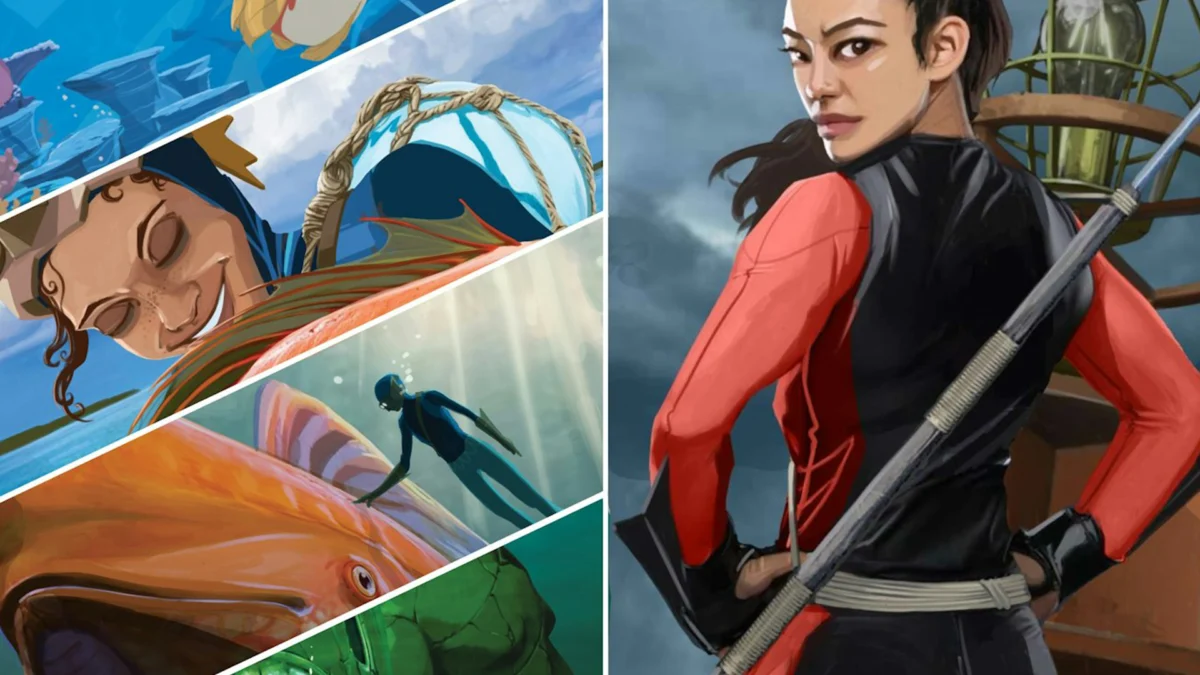
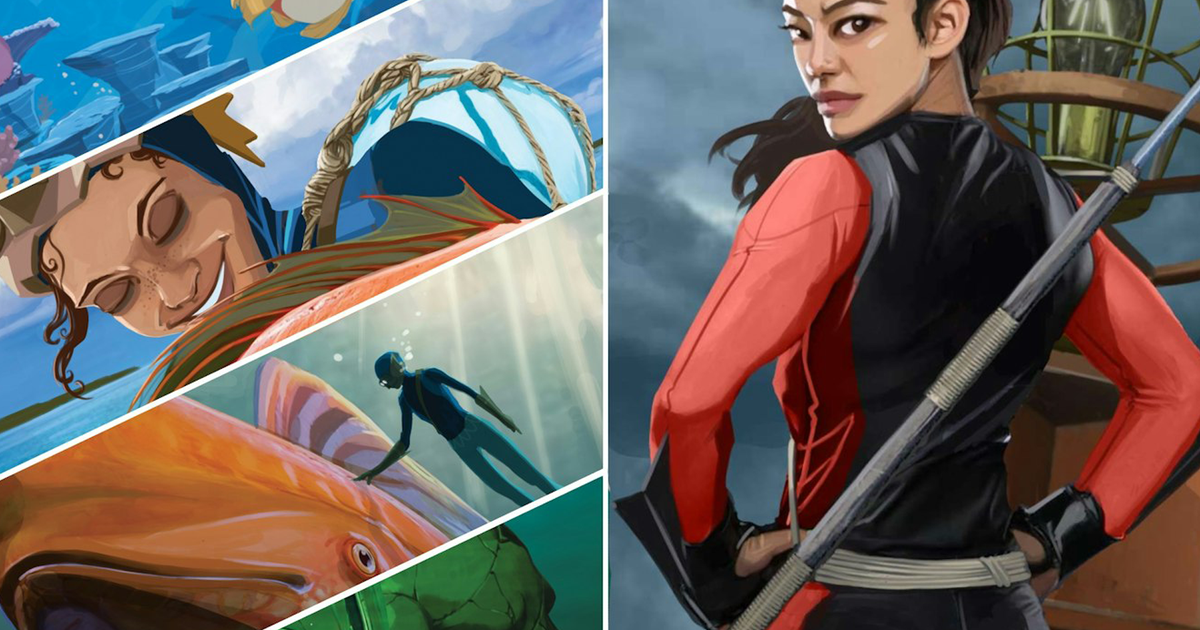
Concurrently, the artistic direction would have taken shape. The visual identity of "Bow" is crucial for conveying its Ghibli and Abzu influences. Artists WillowsQuest and Alex Connolly were tasked with translating this vision into tangible artwork for the rulebook. Their work would have involved numerous iterations, striving to evoke the vibrant coral reefs, majestic sea creatures, and the overall ethereal quality that defines the game’s inspirations. The chosen art style is instrumental in setting the mood and immersing players in this fantastical ocean world even before a single card is drawn.
Hatchlings Games’ prior successes, such as "Dragon Dowser" – another Ghibli-inspired solo RPG – and the highly innovative "Inspirisles," which integrates sign language learning into its gameplay, underscore their expertise in crafting unique tabletop experiences. These projects likely provided valuable lessons in design, community engagement, and crowdfunding strategies, paving the way for a smooth launch for "Bow." The announcement of "Bow" and its impending Backerkit campaign on May 31st signifies the culmination of these developmental efforts, transitioning from internal creation to public presentation and community building.
Supporting Data: Weaving Themes and Mechanics
The richness of "Bow" lies in its masterful integration of diverse thematic inspirations with a streamlined, engaging gameplay system.
Diving into the Inspirations: Abzu and Studio Ghibli
The dual inspirations of Abzu and Studio Ghibli are not merely cosmetic; they are foundational to "Bow"’s identity and player experience.
Abzu’s Influence: Abzu is celebrated for its non-violent, exploration-focused gameplay set in a stunning, vibrant ocean. Players, as a diver, navigate ancient ruins and lush underwater ecosystems, uncovering secrets and interacting with diverse marine life. This sense of serene discovery, the sheer joy of movement through water, and the awe inspired by a pristine natural world are central to "Bow." Players are encouraged to imagine the sensory details of their dive: the play of light through water, the texture of coral, the silent grace of shoals of fish. The game seeks to replicate Abzu‘s feeling of meditative immersion, where the environment itself is a character, full of wonder and gentle mystery. The focus on collecting "Old-World relics" further echoes Abzu‘s narrative of uncovering ancient truths within forgotten underwater civilizations.
Studio Ghibli’s Influence: Studio Ghibli’s filmography is a treasure trove of environmental themes, breathtaking animation, and profound storytelling. Hatchlings Games specifically references Porco Rosso and Nausicaä of the Valley of the Wind. Porco Rosso, while largely set above the Adriatic Sea, features glorious seascapes and a deep appreciation for the freedom of flight and the beauty of nature. Its protagonist, a maverick pilot, embodies a spirit of independence and adventure, traits that could be mirrored in the freedivers of "Bow." Nausicaä of the Valley of the Wind, on the other hand, is a powerful epic deeply rooted in ecological concerns, featuring a protagonist who understands and communes with nature in a world scarred by environmental catastrophe. This film’s reverence for nature, its intricate ecosystems, and the protagonist’s quest to heal a broken world strongly inform "Bow"’s narrative stakes – the future of the community resting on the divers’ success in a pristine, yet perhaps vulnerable, ocean. More broadly, Ghibli’s characteristic art style, often featuring lush, detailed natural environments and fantastical creatures, directly inspires the artwork by WillowsQuest and Alex Connolly, ensuring a visual continuity with these beloved films. The Ghibli influence also imbues "Bow" with a sense of wonder, a touch of magical realism, and an emphasis on the quiet heroism of its protagonists.
The Carta System: A Foundation for Narrative
The Carta system, developed by Peach Garden Games, is an ingenious engine for solo and duet journalling games. Its elegance lies in its simplicity and the depth of narrative it can generate from a standard deck of cards. In "Bow," this system is tailored to create the unique experience of the Shoaling Festival.
Players use a 24-card deck (often a standard deck with face cards removed, or a custom deck) and lay them out in a six-by-four grid. Each card draw or placement acts as a prompt or an event trigger. In "Bow," the suits of the cards are imbued with specific meanings:
- Challenges: Each suit likely represents different types of obstacles or opportunities encountered during the dive – perhaps currents, marine life interactions, environmental puzzles, or navigation difficulties.
- Rival Competitors: Crucially, the card suits also personify the player’s rivals in the Shoaling Festival. This allows for dynamic interactions; drawing a card of a certain suit might mean an encounter with that specific rival, a chance to outmanoeuvre them, or an event that impacts their progress. This adds a layer of competitive strategy and narrative intrigue to the solo experience.
The structured grid provides a clear path forward, while the randomness of the card draws ensures high replayability. No two playthroughs will be identical, as different card arrangements and outcomes will lead to unique narrative branches, encouraging players to delve deeper into the game’s world and their character’s story through journalling.
Artistic Vision: Bringing the World to Life
The visual component is paramount in an RPG that draws heavily from visually rich sources like Abzu and Studio Ghibli. The artwork for "Bow," crafted by WillowsQuest and Alex Connolly, is integral to immersing players in its fantastical ocean realm. The credit to Hatchlings Games for these images highlights their commitment to a cohesive aesthetic. The art is designed to evoke the vibrant, often dreamlike quality of Ghibli films, with lush underwater landscapes, diverse and imaginative marine creatures, and the serene yet determined figures of the freedivers. This visual storytelling complements the text prompts, allowing players to vividly imagine the scenes unfolding as they write their journal entries. The quality and style of the artwork are not just decorative; they are a direct extension of the game’s core themes and inspirations, serving as a powerful conduit for player imagination.
The Shoaling Festival: Core Gameplay Mechanics
The Shoaling Festival forms the narrative backbone and primary objective of "Bow." It’s more than just a race; it’s a test of skill, courage, and environmental stewardship, with high stakes for the player’s community.

- The Race: Players are tasked with navigating a specific route through the ocean, marked by four distinct points. This provides a clear progression structure for the game.
- Old-World Relics: Collecting these relics adds a secondary objective, hinting at a deeper lore and ancient history within the game’s world. These relics might offer advantages, reveal narrative elements, or simply serve as points of discovery.
- Stakes: The "future of their community" resting on the player’s ability to win elevates the personal journey into a communal one, adding emotional weight to each decision and successful dive.
- Victory Condition: Uncovering four aces within the card grid, while also outperforming rivals, signifies triumph. This clear objective provides a satisfying endpoint to each playthrough, while the journalling aspect ensures that the journey itself is as rewarding as the destination.
- Journalling: As a journalling game, "Bow" provides prompts that players respond to in writing. This transforms gameplay into a creative writing exercise, allowing players to personalize their experience, detail their character’s thoughts and feelings, and truly build their unique narrative within the game’s framework. The interplay between card prompts and player-generated narrative is the heart of the "Bow" experience.
Official Responses: Hatchlings Games’ Vision
While direct quotes regarding "Bow" are limited in the provided text, Hatchlings Games’ approach to game design and their existing portfolio offer significant insight into their philosophy and vision for this new title. The very premise of "Bow" speaks volumes about their commitment to crafting unique, emotionally resonant experiences that deviate from conventional TTRPG tropes.
Hatchlings Games appears driven by a desire to explore thematic depth and artistic quality in their creations. Their previous Ghibli-inspired solo RPG, "Dragon Dowser," suggests a successful precedent for translating the studio’s evocative themes into a playable format. This indicates a nuanced understanding of how to capture the essence of an inspiration without merely mimicking it. With "Bow," they are not just creating a game; they are curating an experience – one designed to evoke wonder, serenity, and a profound connection to a fantastical natural world.
The choice of the Carta system also reflects a commitment to innovative, accessible gameplay. By leveraging a simple deck of cards, Hatchlings Games ensures that "Bow" can be enjoyed by a wide audience, from seasoned RPG veterans to newcomers seeking a narrative-rich, low-barrier-to-entry experience. Their focus on solo and duet play further underscores a recognition of the growing demand for more intimate, personal gaming experiences that don’t require a full group.
The decision to launch on Backerkit, a platform increasingly favored by indie creators, highlights their strategic approach to community building and funding. It allows them to directly engage with potential players, gather feedback, and foster a sense of shared ownership in the game’s development and success. The announcement of the May 31st launch date carries an implicit message of excitement and readiness, signaling that "Bow" is a project they believe in deeply and are eager to share with the world. Through "Bow," Hatchlings Games is not just releasing a product; they are inviting players to participate in a carefully crafted, aesthetically rich narrative journey.
Implications: The Ripple Effect of ‘Bow’
The arrival of "Bow" carries several significant implications for the tabletop roleplaying game landscape, for Hatchlings Games, and for the broader community of players seeking innovative narrative experiences.
Impact on the Solo/Duet RPG Market
The solo and duet RPG market has experienced a significant boom in recent years, driven by factors such as the convenience of playing without a full group, the desire for personal narrative exploration, and the accessibility offered by journaling games. "Bow" is poised to be a notable addition to this growing segment. Its unique blend of Abzu‘s meditative exploration and Studio Ghibli’s enchanting aesthetics sets it apart from many fantasy or sci-fi-focused solo RPGs. This distinct thematic niche could attract players who might not typically engage with TTRPGs but are drawn to the specific inspirations. By offering a high-quality, thematically rich experience, "Bow" can further legitimize and expand the perception of solo and duet play as a deeply rewarding form of tabletop gaming. It contributes to the diversity of available options, demonstrating that immersive RPG experiences are not solely the domain of traditional group play.
Broader Appeal and Market Reach
"Bow"’s dual inspirations provide it with a broad appeal beyond the core TTRPG audience. Fans of Abzu will find a familiar sense of wonder and underwater exploration, translated into a new medium. Studio Ghibli aficionados, renowned for their appreciation of art, storytelling, and environmental themes, are a vast potential audience who might be introduced to tabletop roleplaying through a game that so clearly echoes their beloved films. This cross-pollination can introduce new demographics to the hobby, expanding the overall market for TTRPGs. The game’s beautiful artwork, inspired by Ghibli, will likely be a significant draw, making it visually appealing even to those unfamiliar with RPG mechanics. This broad appeal could lead to greater commercial success for Hatchlings Games and increased visibility for the indie TTRPG scene.
Future of Themed RPGs and Creative Adaptations
The success of "Bow" could serve as a case study for the effective adaptation of non-RPG media into tabletop experiences. It demonstrates that with careful design and a deep understanding of the source material, the essence of video games, animated films, or other media can be captured and translated into compelling interactive narratives. This might inspire other creators to explore similar thematic adaptations, leading to a richer and more diverse ecosystem of themed RPGs. "Bow"’s focus on a serene, explorative, and environmentally conscious theme also highlights a growing trend away from purely combat-focused RPGs, suggesting a future where narrative depth, emotional resonance, and unique settings are increasingly valued.
Community Engagement and Crowdfunding Success
The Backerkit campaign for "Bow" will be crucial for its initial success and for building a dedicated community. Crowdfunding platforms like Backerkit are not just funding mechanisms; they are vital spaces for direct interaction between creators and their audience. Hatchlings Games can leverage this platform to engage with backers, share development updates, and gather feedback, fostering a sense of co-creation. The anticipation for the May 31st launch indicates a healthy level of interest, and a successful campaign will provide the necessary resources for high-quality production, further development, and wider distribution. Moreover, the nature of a journalling RPG naturally encourages players to share their stories, artwork, and experiences, building a vibrant online community around "Bow" long after its release. This shared narrative experience will be a testament to the game’s ability to inspire creativity and connection among players.
In conclusion, "Bow" represents an exciting new venture for Hatchlings Games and a promising addition to the tabletop roleplaying landscape. By skillfully blending the serene beauty of Abzu with the profound wonder of Studio Ghibli, and grounding it in the accessible Carta system, "Bow" is poised to offer a truly unique and immersive experience. Its launch on Backerkit on May 31st is not just the beginning of a crowdfunding campaign, but the dawn of a new, enchanting underwater adventure for solo and duet players worldwide.