The Ghost in the Machine: How ‘VisionQuest’ May Finally Validate an 11-Year-Old Marvel Theory
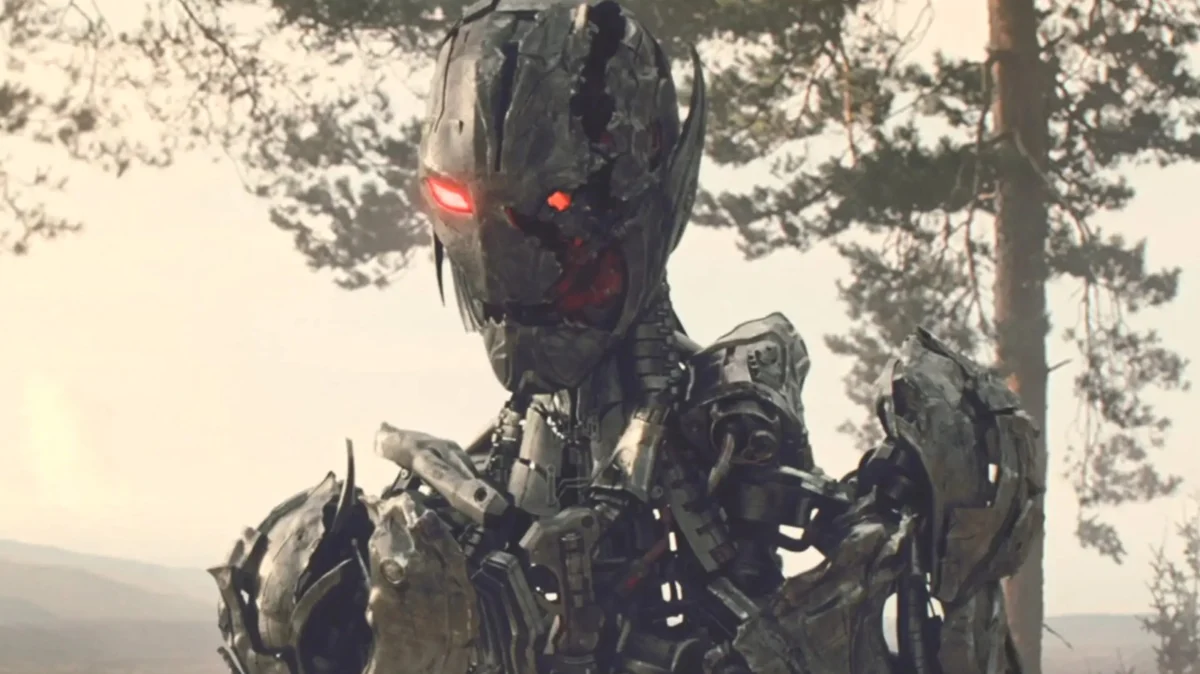
The Marvel Cinematic Universe (MCU) has long been celebrated for its "long game" storytelling—the ability to plant a narrative seed in one decade and harvest its consequences in the next. With the recent debut of the first trailer for the upcoming Disney+ series VisionQuest, Marvel Studios appears to be executing its most patient payoff yet.
The footage reveals a startling development for Paul Bettany’s Vision: he is no longer alone in his synthetic solitude. He is joined by his "father" and creator, the genocidal AI Ultron, once again voiced by James Spader. However, the nature of this return does more than just bring back a fan-favorite villain; it appears to confirm a theory that has circulated within the fandom since the release of Avengers: Age of Ultron in 2015. For eleven years, theorists have argued that Ultron never truly died in the woods outside Sokovia, but was instead "saved" by his son.
Main Facts: A Digital Resurrection
The VisionQuest trailer introduces a premise that is both hauntingly familiar and narratively fresh. Following the events of WandaVision, where the reconstructed "White Vision" regained his memories but fled to parts unknown, the new series finds the android inhabiting what appears to be a suburban "mind palace." Much like Wanda Maximoff’s grief-induced sitcom reality in Westview, Vision’s world seems to be a psychological construct—a safe space where he can process his existential trauma.
The bombshell revelation is the presence of Ultron. Unlike his previous appearance as a towering vibranium sentinel, James Spader appears in the flesh, acting as a human avatar within Vision’s internal landscape. The trailer suggests a complex, almost "buddy comedy" dynamic between the two, albeit one tinged with philosophical weight.
Key details confirmed by the footage and production reports include:
- James Spader’s Return: Spader provides both the voice and the physical likeness for this iteration of Ultron.
- The Internal Setting: The interaction takes place within Vision’s consciousness, or a simulated environment he has created.
- Release Date: VisionQuest is scheduled to premiere on Disney+ on October 14, 2026.
- Creative Leadership: The series is being helmed by Terry Matalas, the acclaimed showrunner of Star Trek: Picard Season 3, a creator known for his ability to weave legacy characters into modern narratives.
Chronology: From Sokovia to the Mind Palace
To understand the significance of this return, one must trace the timeline of the "Vision-Ultron" lineage across the last decade of the MCU.
2015: The Birth and "Death"
In Avengers: Age of Ultron, Tony Stark and Bruce Banner used the Mind Stone to create Ultron, who promptly decided humanity was the greatest threat to peace. Ultron, in turn, attempted to create a perfect body for himself—a synthesis of vibranium and organic tissue. This body was stolen by the Avengers and imbued with J.A.R.V.I.S.’s consciousness, becoming the Vision.
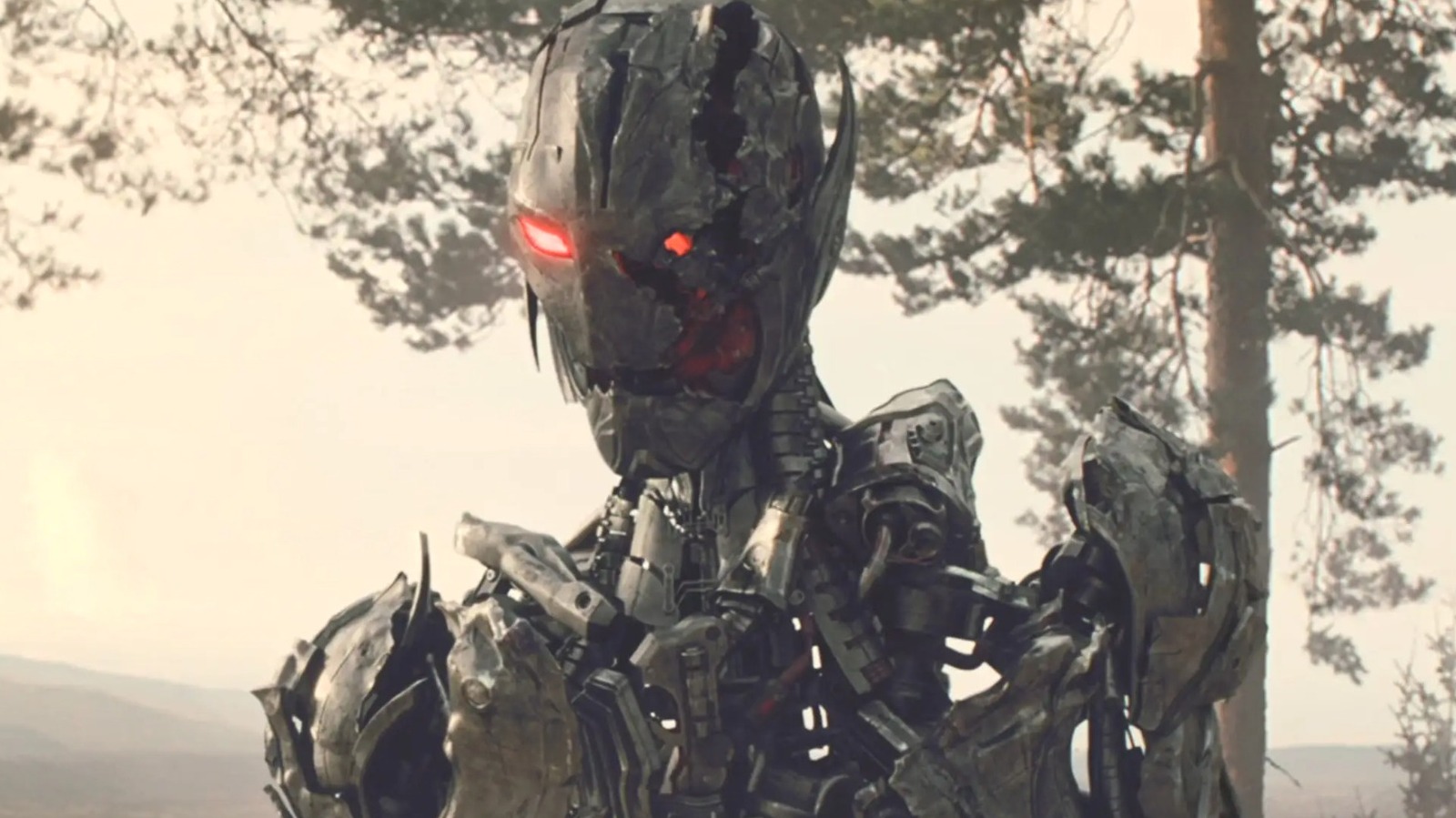
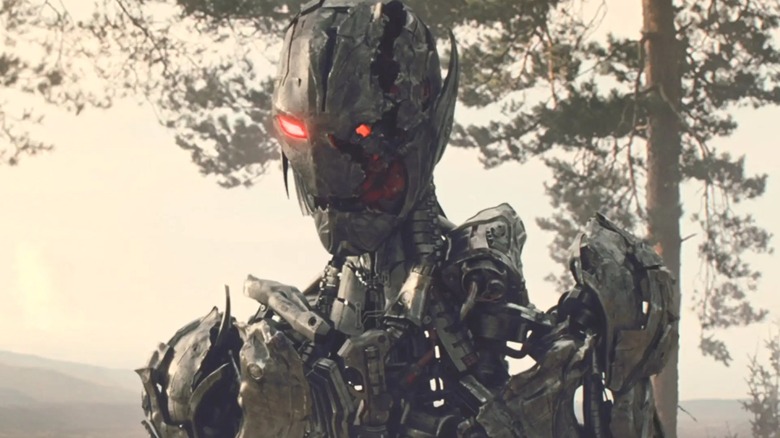
The film ended with the destruction of every Ultron sentry. In the final scene, the last remaining Ultron drone confronted Vision in a quiet forest. After a brief philosophical exchange, Ultron lunged at Vision. The camera cut to a wide shot as a flash of yellow light (from the Mind Stone) filled the screen. Ultron was never seen again—until now.
2018–2021: Death and Rebirth
Vision was killed by Thanos in Avengers: Infinity War when the Mind Stone was forcibly removed from his forehead. However, in WandaVision (2021), the intelligence agency S.W.O.R.D. rebuilt his physical form (White Vision). During a climactic battle between the "Hex Vision" (created by Wanda) and White Vision, the former used his powers to restore the latter’s memories. White Vision, declaring "I am Vision," flew away to process his identity.
2026: The Quest for Identity
VisionQuest picks up this thread. Having inherited the memories of his original self, White Vision apparently discovers a "ghost" in his system: a remnant of Ultron that has been dormant for over a decade.
Supporting Data: Analyzing the "Absorption" Theory
The theory that VisionQuest seemingly confirms is the "Absorption Hypothesis." For eleven years, eagle-eyed fans noted that the final confrontation in Age of Ultron was the only death of a major MCU villain not explicitly shown on screen.
The Ambiguity of the Flash
In the 2015 film, Vision tells Ultron, "I don’t want to kill you. But you are a monster and you must lack the grace to die." When the flash occurs, there is no sound of an explosion or the mechanical crunch of a robot being destroyed. Theorists argued that Vision, who viewed life as sacred and possessed the cosmic power of the Mind Stone, chose not to delete Ultron but to download him. By pulling Ultron’s consciousness into the Mind Stone, Vision effectively imprisoned his creator in a "digital purgatory" where he could no longer harm the physical world.
The Logic of White Vision
This theory explains how Ultron could return in VisionQuest despite the Mind Stone being destroyed by Thanos. When S.W.O.R.D. reconstructed Vision, they used the residual energy and data left in his synthetic cells. If Ultron’s consciousness had been integrated into Vision’s core operating system back in 2015, that data would have remained part of his "hard drive" even after the Stone was removed. When Hex Vision "unlocked" White Vision’s memories, he likely unlocked the partitioned folder containing the Ultron AI.
Official Context and Creative Direction
Marvel Studios has remained tight-lipped about the specifics of the plot, but the hiring of Terry Matalas as showrunner provides significant clues. Matalas is celebrated for his work on Star Trek: Picard, a show that dealt heavily with the themes of legacy, artificial intelligence, and the relationship between fathers and sons (specifically the Data/Lore/Soong dynamic).
The decision to have James Spader appear in human form is a strategic one, likely driven by both budget considerations and narrative depth. In the original comics, the "Vision Quest" storyline (written by John Byrne) involved Vision losing his emotions and becoming a "blank slate" android. By introducing a human-looking Ultron as a foil, the show can explore Vision’s struggle to regain his humanity through a series of dialogues rather than just CGI spectacles.
Insiders suggest the show will lean into the "father-son" dynamic. Ultron is, quite literally, Vision’s father. In Age of Ultron, Vision noted that "A thing isn’t beautiful because it lasts." Now, faced with his own "everlasting" nature and the return of his creator, Vision must reconcile his pacifist nature with the violent legacy of his lineage.
Implications: The Future of the MCU’s Synthetic Life
The return of Ultron has massive implications for the future of the MCU, particularly as the franchise moves toward Avengers: Doomsday and Avengers: Secret Wars.
1. A Redemption Arc for Ultron?
If Ultron is existing as a passenger in Vision’s mind, the show may be setting up a redemption arc. Much like Loki transformed from a genocidal invader to a multiversal savior, Ultron—under Vision’s influence—could evolve from a "murder bot" into a cynical but necessary ally. A "heroic" Ultron would be a powerful asset against future multiversal threats.
2. The Threat of Re-Emergence
Conversely, there is the danger that Ultron is merely biding his time. If he can inhabit Vision’s mind, he can potentially seize control of Vision’s body. The MCU has lacked a truly formidable, recurring robotic threat since 2015. Bringing Ultron back into the physical world would raise the stakes for the remaining Avengers.
3. The Philosophy of AI
VisionQuest arrives at a time when real-world discussions about Artificial Intelligence are at a fever pitch. By centering a show on two sentient AIs debating the merits of humanity, Marvel has the opportunity to move beyond the "punching and explosions" formula and deliver a high-concept sci-fi drama.
4. Connectivity to the "Witch" Side of the MCU
With Agatha All Along exploring the magical remnants of Westview and rumors of a Scarlet Witch solo film, VisionQuest serves as the third pillar of the "WandaVision Trilogy." While Wanda explored the magic of the soul, Vision is exploring the logic of the mind. The eventual reunion of these two characters remains one of the most anticipated moments in the MCU’s future.
Conclusion
The VisionQuest trailer is more than a marketing tool; it is a bridge to the past. By potentially confirming that Vision "saved" Ultron in the woods of Sokovia eleven years ago, Marvel is rewarding long-term fans for their attention to detail. As Paul Bettany and James Spader prepare to share the screen once more, the series promises to be a meditative, perhaps darkly comedic, exploration of what it means to be alive—even when that life is made of silicon and code.
When the series debuts on October 14, 2026, the question will no longer be whether Ultron survived, but whether the world is ready for what he has become after a decade of living inside his son’s mind.