
The Emperor’s Shadow: The Tragic Genius of Stanley Kubrick’s Unmade ‘Napoleon’
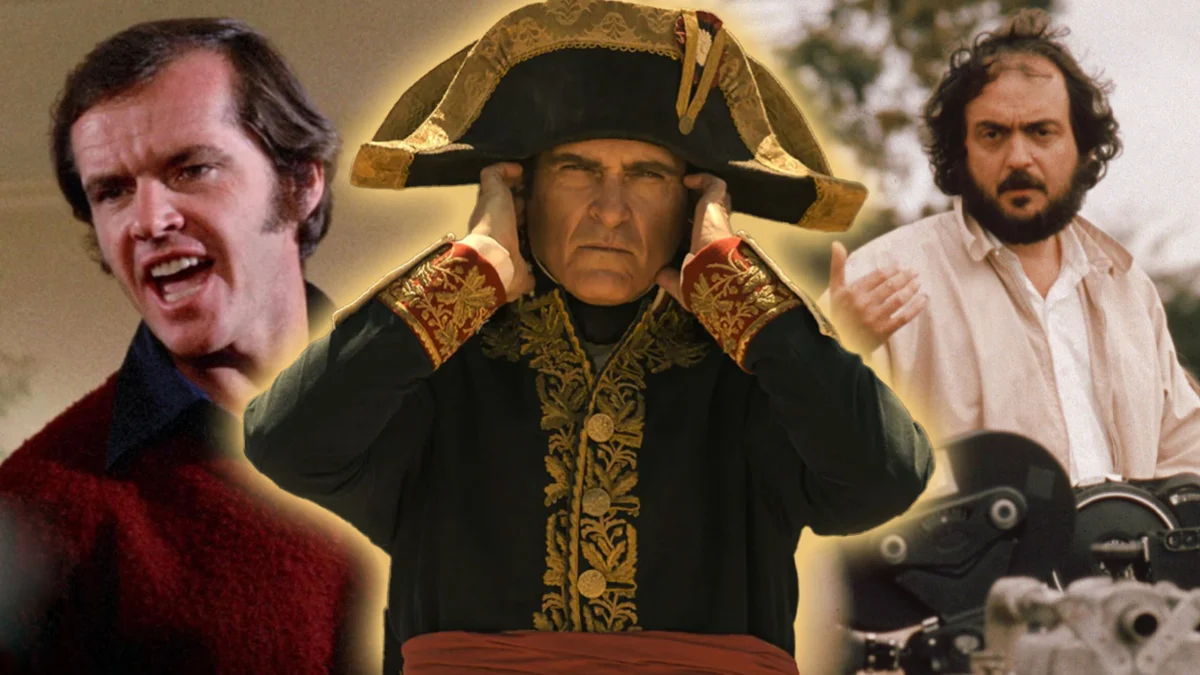
In the annals of cinematic history, there exists a category of "lost" masterpieces—films that were conceptualized, researched, and even cast, yet never captured on celluloid. None loom larger or more tantalizingly than Stanley Kubrick’s Napoleon. Following the groundbreaking success of 2001: A Space Odyssey in 1968, Kubrick possessed the cultural capital and the creative momentum to attempt the impossible. He did not merely want to film a biography of the French Emperor; he intended, in his own words, to make "the best movie ever made."
Despite a meticulously crafted 148-page screenplay, a lead actor in Jack Nicholson, and an agreement for the use of tens of thousands of Romanian infantrymen, the project collapsed under the weight of industry shifts and the failure of a rival epic. Today, Napoleon remains the ultimate "what if" of the silver screen—a blueprint for a masterpiece that would have redefined the historical epic.
Main Facts: The Scope of an Obsession
Stanley Kubrick’s Napoleon was not a mere directorial whim; it was a total immersion. Kubrick viewed Napoleon Bonaparte not just as a historical figure, but as a lens through which to examine the human condition—specifically the intersection of genius, power, and sexual jealousy.
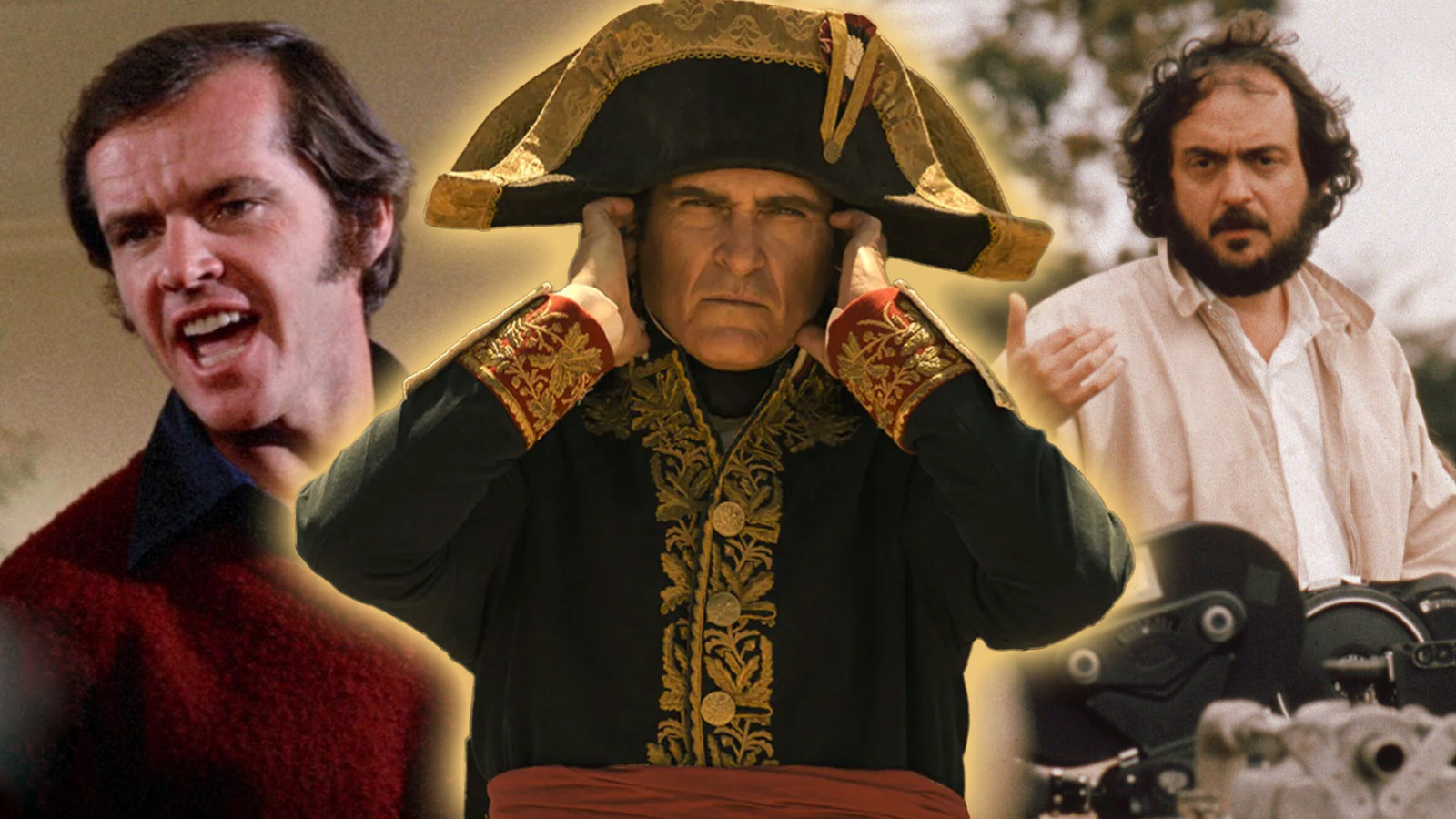
The project’s scale was unprecedented. Kubrick’s vision included:
- A massive research archive: 25,000 index cards cataloging every move of Napoleon’s life.
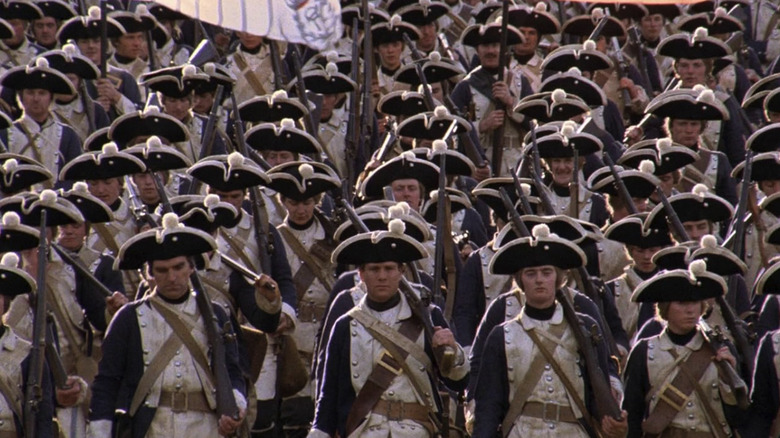
- Logistical audacity: A deal with the Romanian government to provide 30,000 soldiers to act as extras for battle sequences.
- Technical innovation: Plans to use ultra-fast lenses (originally developed by NASA) to film scenes entirely by candlelight, a technique he would later perfect in Barry Lyndon.
- A-List Talent: The casting of a young Jack Nicholson as the Emperor and attempts to secure Audrey Hepburn as Empress Joséphine.
To Kubrick, the film was a strategic campaign. He approached the production with the same tactical precision Bonaparte applied to the Battle of Austerlitz. He sought to create a "current affairs" feel for the 19th century, stripping away the staginess of traditional period pieces to present history as a living, breathing, and often brutal reality.
Chronology: From Cosmic Success to Waterloo
1967–1968: The Post-Odyssey Afterglow
Following the release of 2001: A Space Odyssey, Kubrick was arguably the most powerful director in the world. While audiences were still reeling from the "head trip" of his sci-fi masterpiece, Kubrick was already looking backward. He began an exhaustive period of research, hiring dozens of assistants to help him reconstruct the Napoleonic era. He read nearly 300 books on the subject, claiming he could "reconstruct the Emperor’s life on a day-to-day basis."
1969: The Script and the Strategy
By late 1969, Kubrick had completed a 148-page draft of the screenplay. This version was a marvel of narrative compression, spanning Bonaparte’s life from his birth in Corsica to his final exile on St. Helena. Kubrick’s production notes from this era reveal a director obsessed with cost-cutting without sacrificing scale. He proposed shooting in Romania and Yugoslavia to utilize their vast, inexpensive labor forces and authentic landscapes.
1970: The Collapse of the Epic
The turning point came not from within Kubrick’s camp, but from a rival production. Director Sergei Bondarchuk, fresh off the success of his eight-hour War and Peace, released Waterloo in 1970. Produced by Dino De Laurentiis and starring Rod Steiger, the film was a massive commercial failure. Its flopping signaled to Hollywood studios that the era of the "big-budget historical epic" was over. MGM and United Artists, sensing a financial disaster, withdrew their support for Kubrick’s project.
1971–1975: The Transition to Barry Lyndon
Unable to secure funding for Napoleon, Kubrick shifted his focus. However, the work was not entirely lost. He repurposed his research on 18th-century aesthetics, his technical experiments with low-light photography, and his fascination with the "rules" of aristocratic society into Barry Lyndon (1975). While Napoleon remained unmade, its DNA became the backbone of what many critics consider his most beautiful film.
Supporting Data: The Archives of a Perfectionist
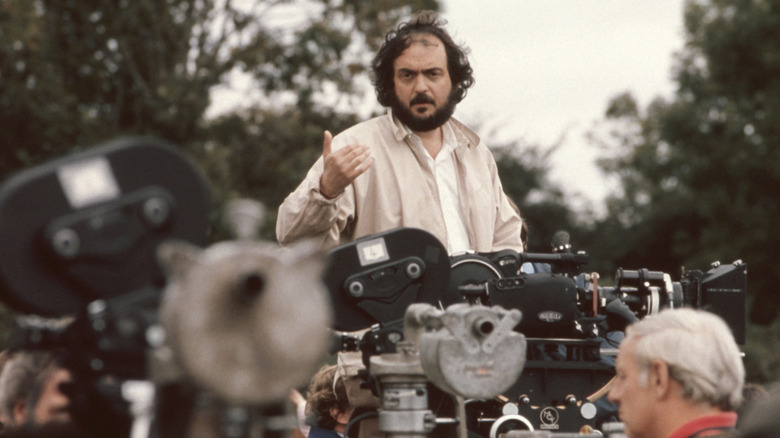
The sheer volume of data Kubrick collected for Napoleon is staggering, even by modern digital standards. His research assistants were tasked with a Herculean effort: they created a cross-referenced filing system of 25,000 index cards. These cards tracked the whereabouts and actions of Napoleon’s inner circle, his generals, and his enemies for every single day of the Napoleonic Wars.
Logistical Data Points:
- Extras: Kubrick’s notes indicated he needed 15,000 troops for "minor" battles and 30,000 for major sequences. He estimated the cost at $2 per man per day through the Romanian military.
- Costumes: To save money, Kubrick investigated the possibility of creating uniforms out of specialized paper that would look authentic on camera but cost a fraction of the price of wool and silk.
- Locations: He scouted dozens of locations across France, Italy, and Eastern Europe, seeking to match the exact topography of historical battlefields.
This data served a psychological purpose as well. Kubrick wanted to understand how a man of such singular intellect could succumb to basic human failings. He even adopted Napoleon’s dietary habits during pre-production, famously eating stewed pears alongside savory dishes because he had read that the Emperor did so.
Official Responses: Voices from the Inner Circle
The legacy of Napoleon is kept alive by those who worked closely with Kubrick. Jan Harlan, Kubrick’s brother-in-law and longtime executive producer, has often spoken about the director’s heartbreak over the project.
"Stanley’s scripts were often very different from the final film," Harlan noted, emphasizing that the 148-page draft was merely a skeleton. "Pre-production and editing were Kubrick’s joy—filming itself a necessity." Harlan maintains that Kubrick’s Napoleon would have focused on the "self-destructive actions by intelligent people" and how "brilliance, success, and power can go hand in hand with egocentricity and vanity."
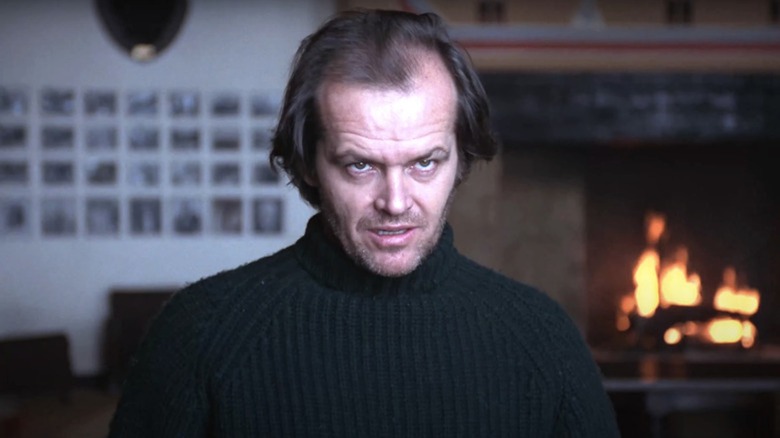
Jack Nicholson, who was set to play the lead, remained haunted by the project for years. Having received a Best Supporting Actor nomination for Easy Rider, Nicholson saw Napoleon as his definitive role. "I’ve invested a lot in the subject," Nicholson told The New York Times in 1986. He viewed Napoleon as a "symbol for the Devil" and a man who "conquered the world twice," finding a poetic, autobiographical connection to the Emperor’s rise from obscurity.
Even contemporary masters have weighed in. Steven Spielberg, a close friend of Kubrick’s, has been the primary advocate for resurrecting the project. "I’m developing a Stanley Kubrick script for a limited series," Spielberg announced in 2023, confirming his intent to bring the vision to HBO. He tapped director Cary Joji Fukunaga to oversee a six-hour adaptation, ensuring that Kubrick’s research does not simply gather dust in the archives.
Implications: The Legacy of a Ghost Film
The failure to produce Napoleon had profound implications for the trajectory of 20th-century cinema. Had the film been made and succeeded, it might have prolonged the era of the "prestige epic," potentially changing the landscape of the 1970s, which instead shifted toward the gritty realism of "New Hollywood" and the eventual birth of the summer blockbuster.
Furthermore, the "ghost" of Napoleon can be seen in almost every subsequent Kubrick film. The themes of power and madness in The Shining, the cold, detached gaze of Full Metal Jacket, and the exploration of sexual jealousy in Eyes Wide Shut all find their roots in the psychological profile Kubrick built for Bonaparte.
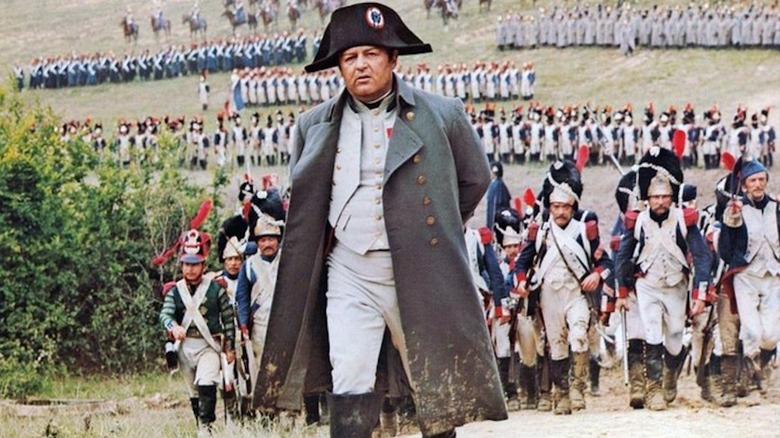
The 2023 release of Ridley Scott’s Napoleon served as a reminder of the difficulty of the subject matter. While Scott’s film was a visual spectacle, many critics noted that it lacked the psychological depth and structural rigor that Kubrick’s notes promised. The "Kubrick version" remains a standard against which all historical biopics are measured, despite never having been filmed.
Ultimately, the Taschen publication of Stanley Kubrick’s ‘Napoleon’: The Greatest Movie Never Made—a massive volume containing the script, research photos, and correspondence—acts as the film’s surrogate. It allows the "viewer" to construct the movie in their own mind. As it stands, the unmade Napoleon is perhaps more powerful as a legend than it could have ever been as a reality. It remains a monument to the terrifying, beautiful, and often frustrated ambition of a man who believed that cinema, like an empire, could be conquered through sheer force of will.



Leave a Comment