The Evolution of the 3D Collectathon: An In-Depth Analysis of Spiny & Chilly
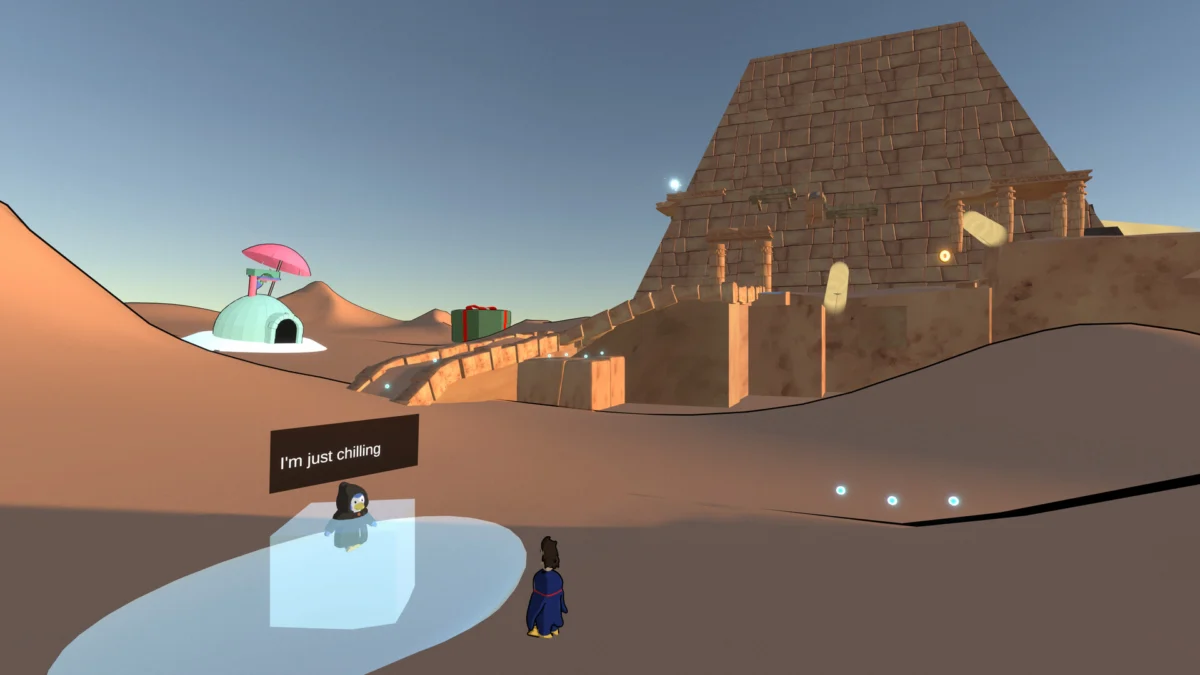
In the contemporary landscape of independent game development, few genres evoke as much nostalgia and mechanical scrutiny as the 3D "collectathon" platformer. Emerging from the shadow of the late-90s golden era—defined by titles such as Banjo-Kazooie and Super Mario 64—a new wave of developers is seeking to revitalize the genre with modern sensibilities and eccentric character dynamics. Among the most promising of these upcoming titles is Spiny & Chilly, a quirky, physics-based exploration game that recently captured the attention of industry analysts and enthusiasts alike at the BIG Conference (Bilbao International Games Conference).
Developed with a clear reverence for the mascot-driven titles of the Nintendo 64 and PlayStation 1 era, Spiny & Chilly introduces a mechanically unique duo: a penguin named Chilly and a hedgehog named Spiny. This report explores the game’s core mechanics, the developer’s vision, and its potential impact on the indie platforming market.
Main Facts: A Duo Reclaiming a Frozen World
At its core, Spiny & Chilly is a single-player exploration platformer that tasks players with navigating expansive, surreal environments to recover stolen ice blocks. The narrative premise is as whimsical as its protagonists: a rival faction of penguins has absconded with the world’s ice supply for reasons yet to be fully disclosed, leaving the world in a state of ecological and social disarray.
The gameplay centers on the symbiotic relationship between the two titular characters. Chilly the penguin provides the primary locomotion, while Spiny the hedgehog sits atop his head, effectively merging the two into a single controllable unit. This "two-as-one" mechanic is not merely a visual gimmick; it informs the game’s physics, combat, and puzzle-solving.
Currently in active development and available for wishlisting on Steam, the game has been highlighted for its vibrant art style and its commitment to the "collectathon" loop—a design philosophy where progression is gated by the player’s ability to find and secure a specific number of items (in this case, ice blocks) hidden throughout the world.
Chronology of Development and Public Debut
The trajectory of Spiny & Chilly reflects the broader "indie-to-mainstream" pipeline that many successful platformers follow. While the early conceptual phases were kept relatively private, the game’s presence at the BIG Conference marked a significant milestone in its public lifecycle.
- Early Conceptualization: The project began as an homage to the "Rareware" style of the late 90s, focusing on character-driven exploration and world-building.
- Initial Teaser Reveal: The official teaser trailer (hosted on platforms like YouTube) introduced the core visual identity of the game, showcasing the "Haunted Harbors" and "Floating Islands" that define its level design.
- The BIG Conference Showcase: In late 2024, the developer presented a playable demo at the Bilbao International Games Conference. This event allowed members of the press and the public to experience the movement systems firsthand. It was here that the developer’s "super passionate" approach was noted, as they engaged directly with players to gather feedback on the game’s difficulty curve and world layout.
- Steam Listing: Following the positive reception in Bilbao, the game established a formal presence on Steam, allowing the community to track its progress toward a full release.
Supporting Data: Gameplay Mechanics and World Architecture
To understand the appeal of Spiny & Chilly, one must analyze the mechanical depth revealed during the BIG Conference demo. The game distinguishes itself through three primary pillars: movement synergy, environmental puzzles, and non-linear exploration.
The Synergy Movement System
Unlike traditional platformers where the character is a static hitbox, Spiny & Chilly utilizes a momentum-based system. Because Chilly is a penguin, his movement often incorporates slides and belly-glides, which are augmented by Spiny’s presence. The demo revealed a learning curve that the developer intentionally implemented; players must master the weight of the duo to navigate "tricky movements" across the map.
Gravity Shifts and Verticality
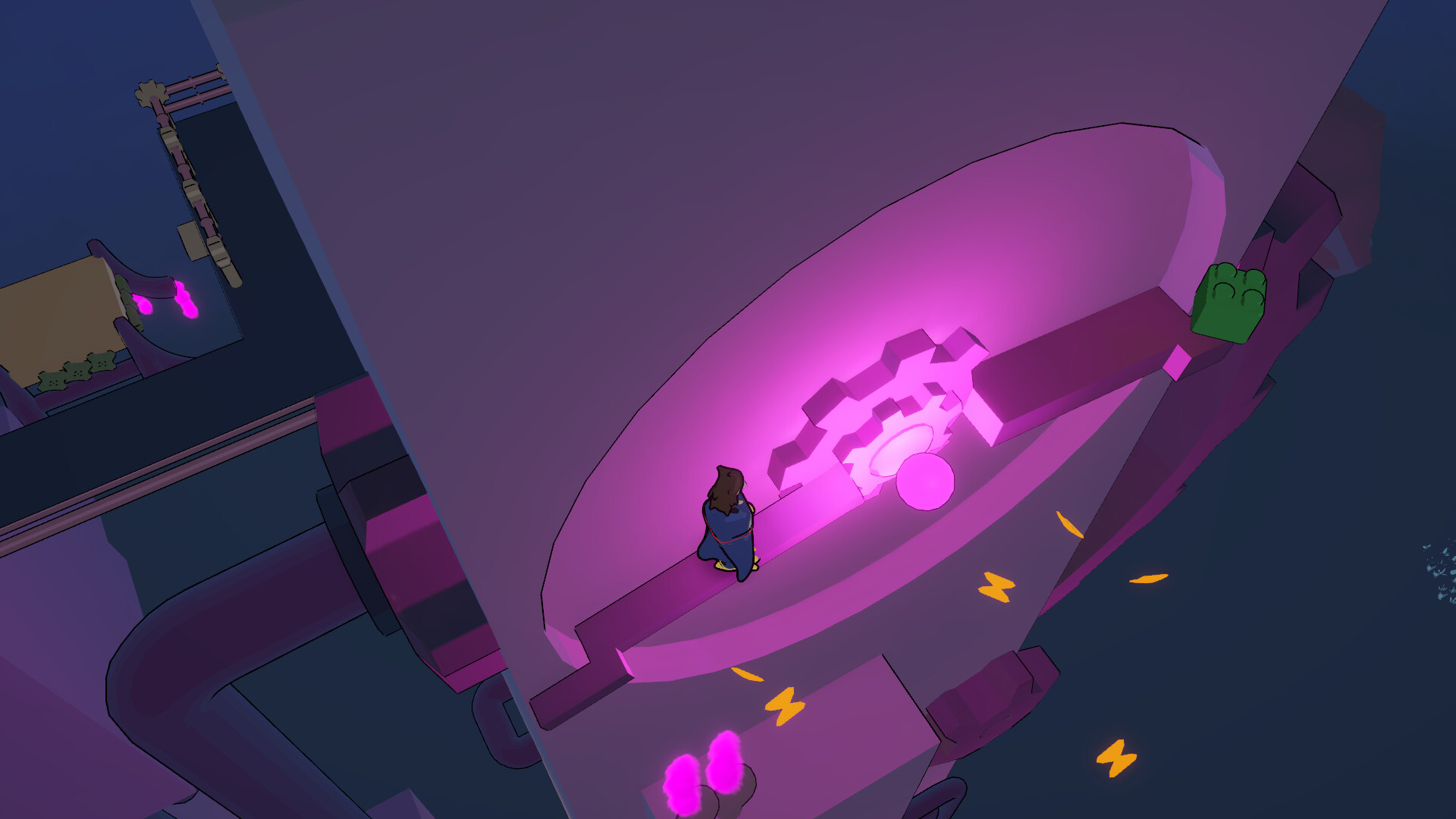
One of the more complex features highlighted in the demo is the use of gravity shifts. Players are not confined to traditional horizontal planes. By interacting with specific environmental triggers, the duo can transition between different gravitational orientations. This mechanic is essential for reaching the "hard-to-reach ice pieces" mentioned by early testers. It transforms the world from a simple map into a 360-degree puzzle box.
Environmental Variety
The world of Spiny & Chilly is divided into distinct thematic zones. Data from the demo showcased:
- Haunted Harbors: A zone focusing on atmospheric lighting and platforming challenges involving water and spectral obstacles.
- Floating Islands: A high-altitude environment that tests the player’s precision and mastery of the jumping mechanics.
- The Clock Tower: A vertical gauntlet that serves as a benchmark for the player’s ability to stack movement abilities.
While testers noted that some areas currently feature "too much open space," the developer has indicated that these expanses are intended to emphasize the scale of the world, with secrets and side-quests planned to fill the gaps in the final release.
Official Responses: The Developer’s Vision
During the BIG Conference, the developer provided insights into the philosophical underpinnings of the game. The primary objective was to recapture the "satisfaction of the find." In an era where many games utilize waypoints and intrusive HUDs, Spiny & Chilly leans into organic discovery.
"The world is somewhat large, and that is by design," the developer noted during a Q&A session. "We want the player to feel the weight of the task. Collecting ice isn’t just a chore; it’s a way to interact with a world that feels like it’s missing a piece of itself."
Regarding the difficulty, the developer acknowledged the "learning curve" noted by players. They expressed a commitment to ensuring that while the game is accessible and "cute," it retains a level of mechanical depth that rewards mastery. The goal is for the movement to feel "fantastic" once the player internalizes the physics of the penguin-hedgehog duo. This focus on "feel" (often referred to in the industry as "game juice") is a priority for the team as they move from the demo phase to the final polish.
Implications for the Indie Gaming Market
The emergence of Spiny & Chilly carries several implications for the gaming industry and the indie sector specifically.
1. The Resilience of the 3D Platformer
For years, the 3D platformer was considered a "dead" genre by major AAA publishers, deemed too difficult to monetize or too niche for modern audiences. However, the success of indie titles like A Hat in Time and the moderate success of Yooka-Laylee proved there is a massive, underserved market. Spiny & Chilly represents the next iteration of this trend, proving that creative character pairings and refined physics can still generate significant "wishlist" traction.
2. Character-Driven Marketing
In a crowded Steam marketplace, "weirdness" is a commodity. The absurdity of a penguin carrying a hedgehog to find stolen ice provides an immediate visual hook. This "wacky" aesthetic, combined with professional-grade platforming mechanics, allows the game to appeal to both younger audiences and nostalgic adults.
3. The Importance of Regional Conferences
The role of the BIG Conference in the game’s trajectory highlights the growing importance of regional gaming expos. For indie developers, these venues are critical for "stress-testing" mechanics like the aforementioned gravity shifts and movement curves before a global launch. The developer’s ability to pivot based on real-time feedback in Bilbao may be the deciding factor in the game’s eventual critical reception.
Conclusion: A Frosty Future
Spiny & Chilly is more than just a nostalgic trip down memory lane; it is a calculated attempt to modernize the collectathon genre through unique character synergy and complex environmental design. While the game remains in development, the foundation laid during its public demo suggests a title that understands its roots while reaching for something new.
As the duo of Chilly and Spiny continues their journey toward a full release, the gaming community will be watching closely to see if this unlikely pair can truly fill the shoes of the platforming giants that came before them. For now, the game stands as a testament to the power of indie passion and the enduring appeal of a well-placed jump and a hidden collectible.
Availability: Spiny & Chilly is currently available for wishlisting on Steam. A formal release date has yet to be announced by the developer.