The Digital Renaissance: How Untitled.Save is Reimagining Classical Art for the Influencer Age
In the hallowed, hushed corridors of the Louvre or the Uffizi, classical masterpieces are often viewed as static relics of a bygone era—sacrosanct symbols of high culture and historical gravity. However, in the chaotic, high-velocity landscape of the digital age, these icons are undergoing a radical transformation. Leading this "Digital Renaissance" is a Porto-based artist known by the enigmatic moniker Untitled.Save. By merging the aesthetics of the High Renaissance and the Baroque with the polished, filtered world of modern social media, Untitled.Save is creating a body of work that functions as both a nostalgic homage and a biting critique of contemporary vanity.
Main Facts: The Intersection of Oil Paint and Pixels
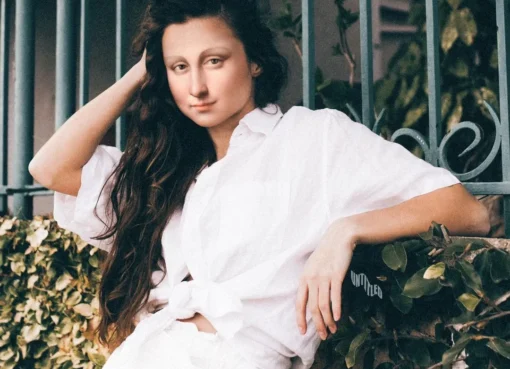
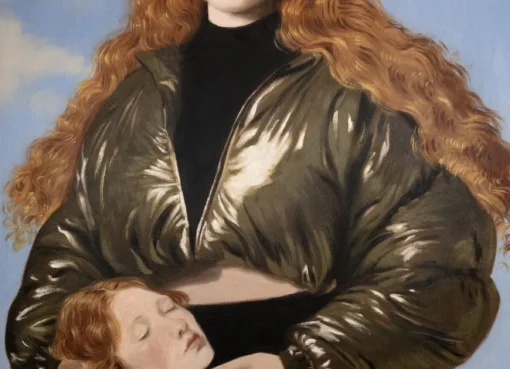
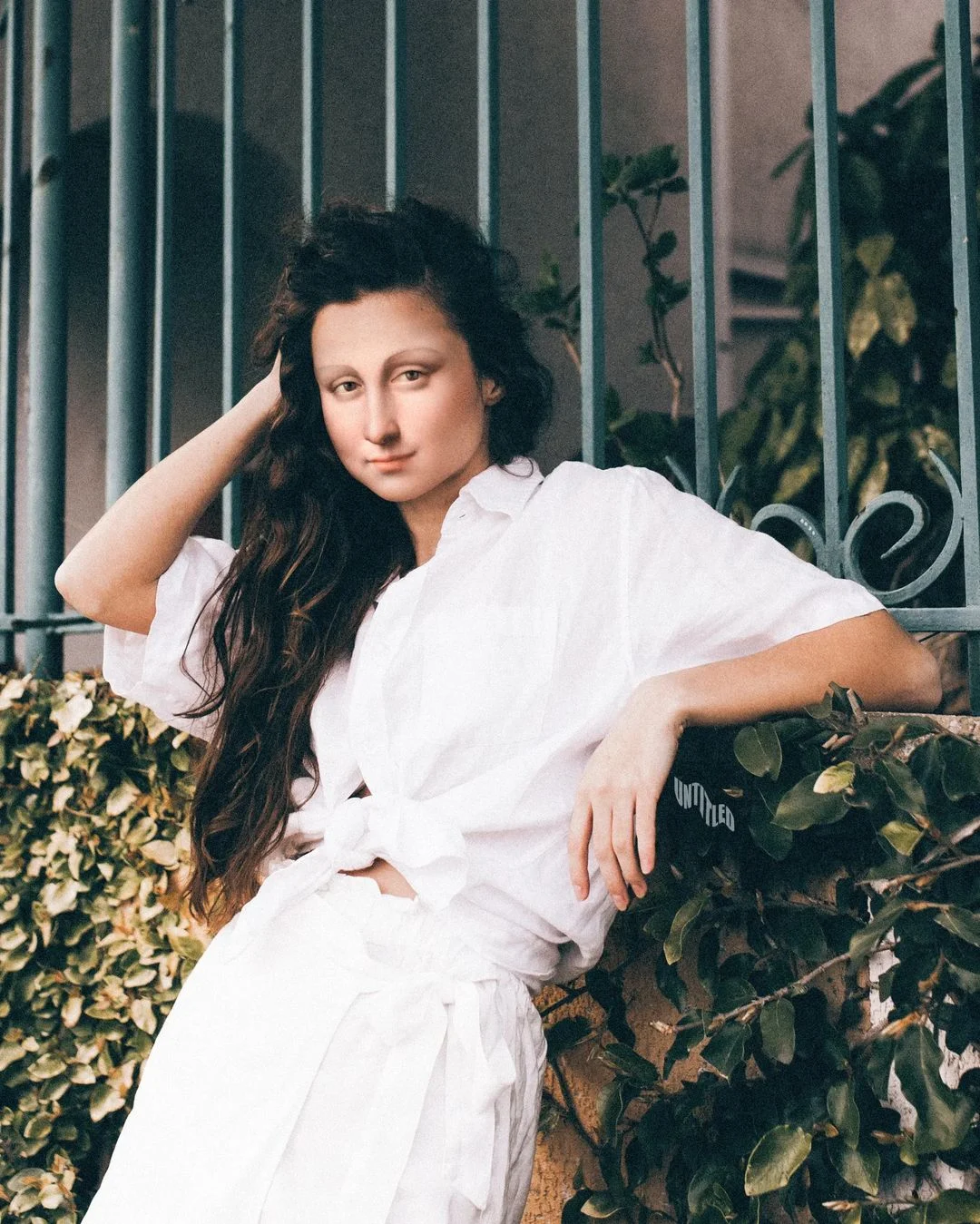
Untitled.Save is a digital collage artist hailing from Porto, Portugal, whose work has recently gained international traction for its seamless blending of disparate eras. The artist’s primary conceit involves taking the subjects of history’s most famous paintings—the Mona Lisa, Botticelli’s Venus, and the self-portraits of Frida Kahlo—and placing them in the hyper-modern context of "influencer culture."
In this reimagined reality, the enigmatic smile of the Mona Lisa isn’t a mystery of the 16th century; it is the practiced expression of a lifestyle blogger capturing her "OOTD" (Outfit of the Day). Botticelli’s Birth of Venus is no longer a mythological emergence from the sea foam, but a carefully staged beach selfie designed to maximize engagement and "likes."
The artist’s background is as eclectic as their work. Formally trained in product design with additional experience in hairdressing, Untitled.Save brings a unique spatial and aesthetic sensibility to digital collage. This background allows for a meticulous attention to detail, ensuring that the lighting, shadows, and textures of modern elements—such as iPhones, designer clothing, and ring lights—perfectly match the brushstrokes of the original masters.

Chronology: From Canvas to the Cloud
To understand the rise of Untitled.Save, one must look at the broader timeline of art appropriation and the evolution of the "self-portrait."
The Traditional Era (14th – 19th Century)
For centuries, the portrait was a tool of the elite. Commissioning a painting by a master like Da Vinci or Velázquez was the ultimate status symbol—a way to preserve one’s legacy and beauty for eternity. These works were "curated" in their own right, featuring symbols of wealth, power, and piety.
The Pop Art Revolution (1950s – 1960s)
The 20th century saw the first major disruption of this tradition. Artists like Andy Warhol began to treat "high art" as a consumer product, famously reproducing the Mona Lisa in colorful screen prints. This era established the idea that classical icons could be stripped of their "aura" and integrated into mass media.
The Rise of Digital Manipulation (2000s – 2010s)
With the advent of Photoshop and social media, the barrier to entry for art creation collapsed. "Remix culture" became the dominant mode of expression. However, early digital collages often felt jarring or satirical in a purely comedic sense.

The "Influencer" Era (2018 – Present)
Untitled.Save emerged during a period where social media shifted from a communication tool to a performance stage. By 2020, the "influencer" had become the modern equivalent of the Renaissance aristocrat—someone whose image is their currency. Untitled.Save began publishing works that didn’t just mock this trend but elevated it, asking what the masters of the past would have done if they had access to an Instagram feed.
Supporting Data: The Visual Vocabulary of the Digital Renaissance
The effectiveness of Untitled.Save’s work lies in the technical execution and the psychological resonance of the juxtapositions. The artist utilizes several key visual strategies to bridge the gap between the 1500s and the 2020s:
- Anachronistic Fashion: By dressing 17th-century figures in modern streetwear or luxury brands (such as Balenciaga or Gucci), the artist highlights the cyclical nature of fashion and status.
- The Geometry of the Selfie: There is a specific "pose" associated with modern influencers—the tilt of the head, the positioning of the hand, the "duck face." Untitled.Save identifies these same geometries in classical paintings, proving that the human desire for a "flattering angle" is timeless.
- The Digital Interface: Many pieces incorporate the UI (User Interface) of social media platforms. Seeing a painting by Vermeer framed by an Instagram "story" layout forces the viewer to confront how the medium changes our perception of the subject.
One of the artist’s most notable transformations involves Salvador Dalí. In Untitled.Save’s world, Dalí is not just a surrealist painter but a meta-influencer, perhaps a crypto-enthusiast or a high-fashion provocateur. The transformation feels natural because Dalí himself was a master of self-promotion and "branding" long before the term existed.
Official Responses: An Interview with Untitled.Save
In a rare look behind the digital curtain, the artist shared insights into their motivations, background, and the philosophy that drives their creative process.

On Identity and Career Roots:
When asked about their childhood aspirations, the artist reveals a grounded past: "I wanted to be a cyclist." This physical, kinetic ambition eventually transitioned into a creative one, leading to a degree in Product Design. This education in how objects occupy space and serve functions is evident in the way they "re-design" classical scenes.
On the Creative Process and Pride:
Despite a growing portfolio of viral hits, Untitled.Save remains focused on the future. When asked which piece they are most proud of, the artist responded simply: "The one I’m yet to create." This forward-looking stance is coupled with a self-admitted struggle with procrastination, noting that the best advice they ever received—“Don’t put off until tomorrow what you can do today”—is a rule they "rarely follow."
On Influences and Industry Trends:
The artist cites Salvador Dalí and the Portuguese musician Rui Reininho as major influences. Regarding the current obsession with Artificial Intelligence (AI) in the art world, Untitled.Save remains a cautious observer. "I’m paying close attention to AI developments," they stated. "I’ve tried it, but I haven’t yet found a personal identity in it, which is why I’ve never published anything." This highlights a commitment to the "human touch" in digital collage—a process that requires a specific eye for irony that algorithms have yet to master.
On Social Justice and the World Stage:
Untitled.Save’s work is not without its darker undercurrents. When asked about a lesson from school they knew was wrong, they pointed to the phrase: "We all have the same rights." This awareness of global inequality informs their choice of dream collaborators. They expressed a deep desire to visit the studio of Iryna Maksymova, an artist who stayed in Ukraine during the war to "bring a little light to the world with her art."

On the Future and Personal Desires:
While much of their success has come from international audiences, the artist’s "dream project" is deeply local: "To have an exhibition or project in Portugal. So far, the opportunities I’ve had have always been abroad." For now, however, the artist maintains a sense of humor about their digital fame. When asked what’s next, the answer was refreshingly human: "Dinner."
Implications: What This Means for the Future of Art
The work of Untitled.Save carries significant implications for how we consume art and how we view ourselves in the digital mirror.
1. The Democratization of the "Masterpiece"
By bringing the Mona Lisa or Venus into the realm of social media, Untitled.Save strips away the intimidating "gatekeeping" of the art world. It makes these figures relatable, albeit through the lens of modern vanity. This encourages a younger generation to engage with art history, even if that engagement starts with a meme or a digital collage.
2. The Critique of the "Performative Self"
The "Digital Renaissance" serves as a mirror to our own behavior. If we see a 500-year-old saint holding a Starbucks cup and taking a mirror selfie, it highlights the absurdity of our own daily rituals of self-presentation. It poses the question: Is our modern "curated life" any more real than a fictional painting from the 16th century?

3. The Human vs. The Machine
In an era where AI can generate "art" in seconds, Untitled.Save’s commitment to manual digital collage is a testament to the importance of intent. The humor, the subtle social commentary, and the specific choice of "Bacalhau à Brás" (a favorite Portuguese dish) as a life-giving force are elements that an AI cannot replicate. It reinforces the idea that art is a conversation between humans, even when that conversation takes place across centuries.
Conclusion
Untitled.Save is more than just a "mash-up" artist; they are a digital historian and a social satirist. By dressing the past in the clothes of the present, they remind us that while our technology changes, our fundamental human desires—to be seen, to be admired, and to be remembered—remain constant. Whether they are reimagining Frida Kahlo as a selfie queen or dreaming of a collaboration with the anonymous street artist Banksy, Untitled.Save continues to prove that the most enduring art is that which is "saved" and updated for the next generation.