In the evolving landscape of contemporary cinema and prestige television, the "craft"—the technical and artistic scaffolding that supports the narrative—has moved from the background to the center of critical discourse. As August draws to a close, IndieWire’s "Top of the Line" series provides a comprehensive look at how directors, cinematographers, and showrunners are redefining the boundaries of their respective mediums. From the meta-textual slasher experiments of Jane Schoenbrun to the adaptive documentary techniques required for unsolved mysteries, the month has been defined by a commitment to technical rigor and emotional authenticity.
Main Facts: The Intersection of Aesthetic and Narrative
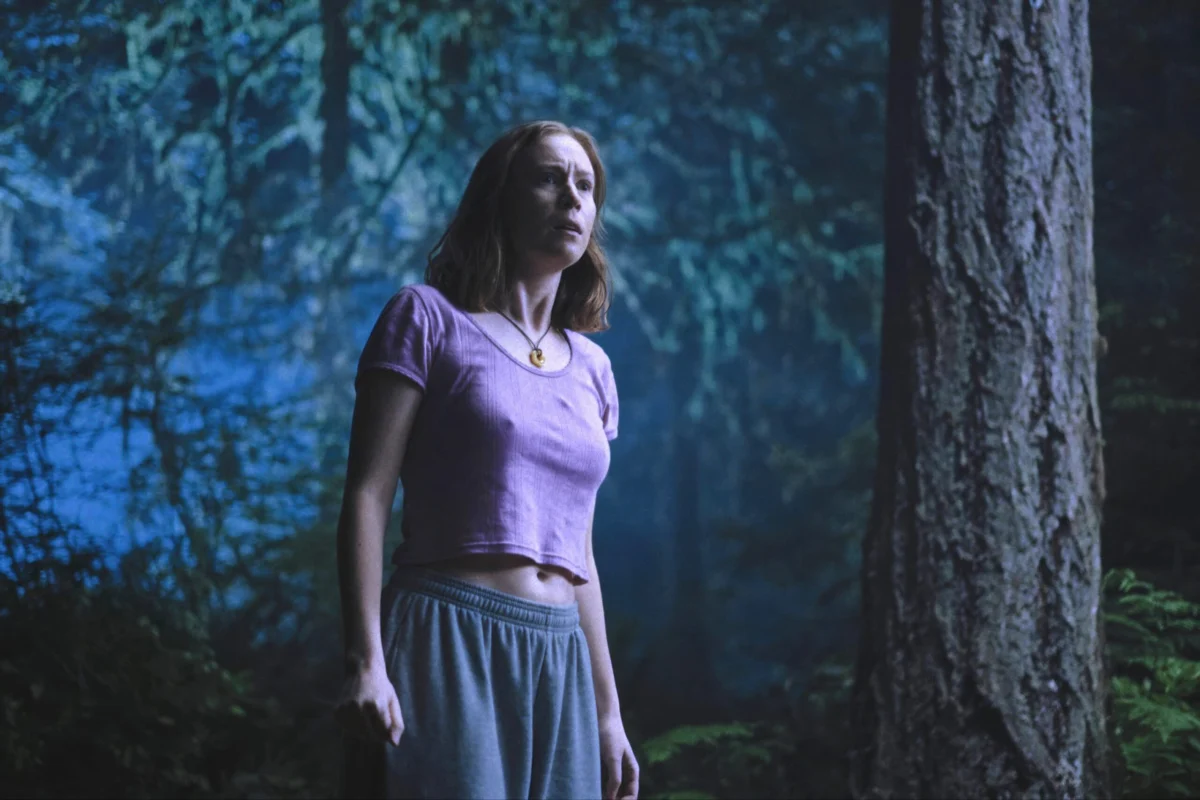
The primary focus of this month’s craft exploration centers on the intersection of stylized aesthetics and raw emotional performance. A standout highlight is the deep dive into Jane Schoenbrun’s latest project, Teenage Sex and Death at Camp Miasma. Described as an "erotic slasher comedy," the film utilizes a Michael Bay-inspired music video aesthetic to explore themes of identity and trauma. A significant technical revelation involves the film’s "slasher-within-the-film," which was produced as a standalone entity with its own distinct production schedule and tonal language.
In the realm of television, the focus shifted toward the "Monster" anthology series, specifically the cinematography of Michael Bauman in Monster: Ed Gein. Simultaneously, the sonic landscape of Westeros has undergone a transformation in House of the Dragon Season 2, where showrunner Ryan Condal and composer Ramin Djawadi have introduced a more "twitchy and anxious" score to mirror the escalating political instability.
Finally, the documentary sector provided a masterclass in adaptability. Justin Zweifach, Director of Photography for The Yogurt Shop Murders, revealed how his team had to pivot their entire visual strategy when the cold case they were documenting reached a sudden resolution. This shift from high-production reconstruction to "available light" intimacy represents a growing trend in true-crime filmmaking that prioritizes the psychological state of the participants over cinematic polish.
Chronology: A Month of Craft-Centric Milestones
The month of August functioned as a bridge between the blockbuster energy of summer and the technical scrutiny of the upcoming Emmy Phase 2 voting period.
Early August: The Rise of Meta-Horror
The month began with a focus on Jane Schoenbrun’s Teenage Sex and Death at Camp Miasma. The production team dedicated a specific week in the middle of the shooting schedule exclusively to the "film-within-the-film." This chronological break allowed the cast and crew to inhabit a different "portal," moving away from the primary narrative’s aesthetic to create a distinct, nested reality. This period was marked by an immersion into literary influences, specifically the works of Joyce Carol Oates, to ground the slasher elements in psychological realism.
Mid-August: Television’s Sonic and Visual Evolution
As the month progressed, the conversation turned toward prestige television. Michael Bauman’s work on Monster: Ed Gein highlighted a shift toward personal, character-driven cinematography in true-crime dramas. Concurrently, the conclusion of House of the Dragon’s latest season prompted a retrospective on its auditory craft, with Ryan Condal revealing the "writing playlist" and the intentional evolution of the series’ score to reflect a world on the brink of collapse.
Late August: The Emmy Phase 2 Push and Documentary Pivots
The final week of August saw the release of IndieWire’s annual TV camera survey, sent to all nominated series across scripted, documentary, and reality categories. This period also highlighted the spontaneity of television production, such as the Abbott Elementary team capturing a rare athletic feat—Kyle Schwarber’s four-home-run day—by chance during a scheduled shoot. The month concluded with Justin Zweifach’s reflections on The Yogurt Shop Murders, illustrating how the timeline of real-world events can forcibly reshape the timeline of a production’s aesthetic.
Supporting Data: Technical Specifications and Production Logistics
The technical data gathered throughout August reveals a push toward "intimate realism" across various genres.
The "Camp Miasma" Experiment: The film-within-the-film was treated as an independent short. By shooting it mid-schedule, the production achieved a visual contrast that Schoenbrun describes as a "portal" effect. This mirrors the "Pink Opaque" sequences in their previous work, I Saw the TV Glow, though with a more stable narrative anchor provided by lead performances.
The Documentary Pivot: In The Yogurt Shop Murders, the crew moved from a standard documentary setup to a minimalist kit. This involved:
Framing: A shift to 1.78 aspect ratio for "present-day" sequences.
Lighting: Exclusive use of available light to minimize the "observer effect."
Crew Size: A reduction in personnel to foster an intimate environment for participants dealing with unfolding legal resolutions.
The Camera Survey: Early results from the Emmy Phase 2 survey indicate a diversifying kit list among top-tier productions, with a notable increase in the use of small-format cameras for "behind-the-veil" style sequences in both scripted and unscripted content.
Official Responses: Insights from the Creators
The creators involved in these projects have offered significant insights into the "why" behind their technical choices.
Jane Schoenbrun elaborated on the literary grounding of their horror sequences:
"I had all of the actors that week read this Joyce Carol Oates short story that I love called ‘Where Are You Going, Where Have You Been?’ and there’s something of that short story in this sequence. You go deeper into the portal, screen within screen, and then you forget you’re even in a screen within the screen."
Regarding the score of House of the Dragon, Ryan Condal explained the shift in Ramin Djawadi’s compositions:
"The music has become more twitchy and anxious… it reflects the internal state of characters who no longer feel safe in their own homes."
Justin Zweifach provided a profound explanation for his aesthetic shift in The Yogurt Shop Murders:
"We decided to drop the apparatus. Small cameras, available light, 1.78 framing… we wanted the episode to feel as though looking behind the veil of the series itself, and behind the mystery too. Logistically, the simple approach was better for keeping up with rapidly unfolding emotions and events."
Randall Einhorn, producing director of Abbott Elementary, remarked on the serendipity of their location shoot:
"Capturing the energy of a four-home-run day wasn’t in the script, but as a director, you have to be ready to integrate the lightning-in-a-bottle moments that reality provides."
Implications: The Future of Craft in a Hybrid Media Landscape
The stories highlighted in this August roundup suggest several significant implications for the future of film and television production.
1. The Blurring of "Indie" and "Mainstream" Techniques
Jane Schoenbrun’s use of high-concept, "screen within a screen" storytelling—traditionally the province of experimental avant-garde cinema—is finding a home in genre-blending comedies and slashers. This suggests that mainstream audiences are becoming increasingly sophisticated and open to non-linear, meta-textual visual languages.
2. The "De-Escalation" of Production in True Crime
The technical pivot described by Justin Zweifach marks a potential turning point for true-crime documentaries. As the genre faces criticism for "over-sensationalizing" tragedies, the move toward "dropping the apparatus" and using available light suggests a trend toward more ethical, participant-centered filmmaking. By reducing the physical footprint of the camera crew, filmmakers can capture genuine emotional processing without the performative pressure of a high-budget set.
3. Real-Time Integration in Scripted Content
The Abbott Elementary example highlights the increasing value of "verité" elements in scripted television. In an era where audiences crave authenticity, the ability to weave real-world events (like a historic baseball game) into a fictional narrative adds a layer of "lived-in" realism that enhances the show’s mockumentary format.
4. Craft as a Key Emmy Differentiator
As the industry enters Emmy Phase 2, the focus on technical surveys and "Toolkit" interviews underscores that awards are no longer just about acting or writing. The "Top of the Line" stories demonstrate that the specific choice of a lens, the anxiety of a cello note, or the decision to change an aspect ratio are the factors that define "prestige" in the modern era.
In conclusion, the craft stories of August 2024 reveal an industry in a state of high-functioning adaptation. Whether it is a director chasing a "portal" into a nested reality or a DP stripping away his gear to witness the end of a decades-old mystery, the common thread is a relentless pursuit of the "how"—the technical mastery required to make the audience feel the "why." As we move into the fall season, these craft innovations will likely set the standard for the next year of visual storytelling.
RIO DE JANEIRO, Brazil — In a move that signals a significant shift in the intersection of public policy, digital technology, and cultural preservation, President Luiz Inácio Lula da Silva has officia
For decades, Frank Herbert’s 1965 masterpiece, Dune, carried a reputation that was as formidable as the desert planet Arrakis itself: it was deemed "unfilmable." The novel’s dense layering o
The transition from a beloved, niche television series to the high-stakes arena of feature filmmaking is a path littered with the remains of creators who lost their voice in the expansion. However, fo