The Visual Architecture of Imagination: Analyzing the Evolution of Modern Concept Art
In the contemporary entertainment landscape, where digital frontiers and cinematic universes dominate global culture, the invisible scaffolding of visual storytelling—concept art—has emerged as a cornerstone of industrial success. Recent showcases from industry leader Concept Art World highlight a diverse spectrum of creative mastery, ranging from the historical feudalism of Ghost of Tsushima to the mythic sci-fi of Destiny and the foundational world-building of the Marvel Cinematic Universe’s Thor.
As studios grapple with the dual pressures of technological advancement and the preservation of human creativity, these artistic portfolios offer more than just aesthetic pleasure; they provide a blueprint for how intellectual properties (IP) are birthed, sustained, and evolved.
Main Facts: The Pillars of Visual Development
Concept art serves as the primary visual language for directors, game designers, and producers. It is the stage where abstract ideas are solidified into tangible environments, characters, and moods. Recent highlights from the industry spotlight four distinct yet interconnected pillars of this craft:
- Historical Stylization (Ghost of Tsushima): The work of Ian Jun Wei Chiew for Sucker Punch Productions exemplifies the "Kurosawa-inspired" aesthetic that defined the PlayStation era. His concept art was instrumental in balancing historical accuracy with a heightened, poetic sense of color and movement.
- Cinematic Myth-Building (Thor): Raj Rihal’s contributions to the Marvel Cinematic Universe (MCU) demonstrate the challenge of translating "Kirby-esque" comic book vibrancy into a believable, live-action cinematic framework.
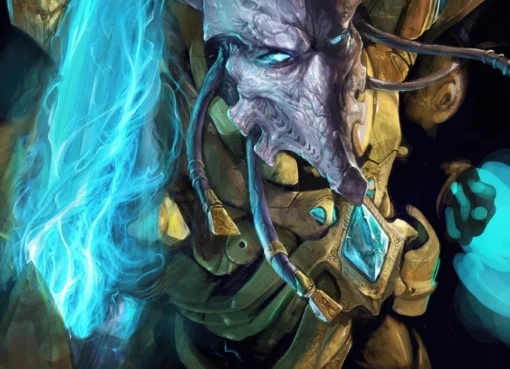
- Mythic Science Fiction (Destiny): Adrian Majkrzak’s work on the 2014 title Destiny represents a pivotal moment in gaming history, where the "gritty" sci-fi of the previous decade gave way to a more ethereal, "space magic" aesthetic that redefined the looter-shooter genre.
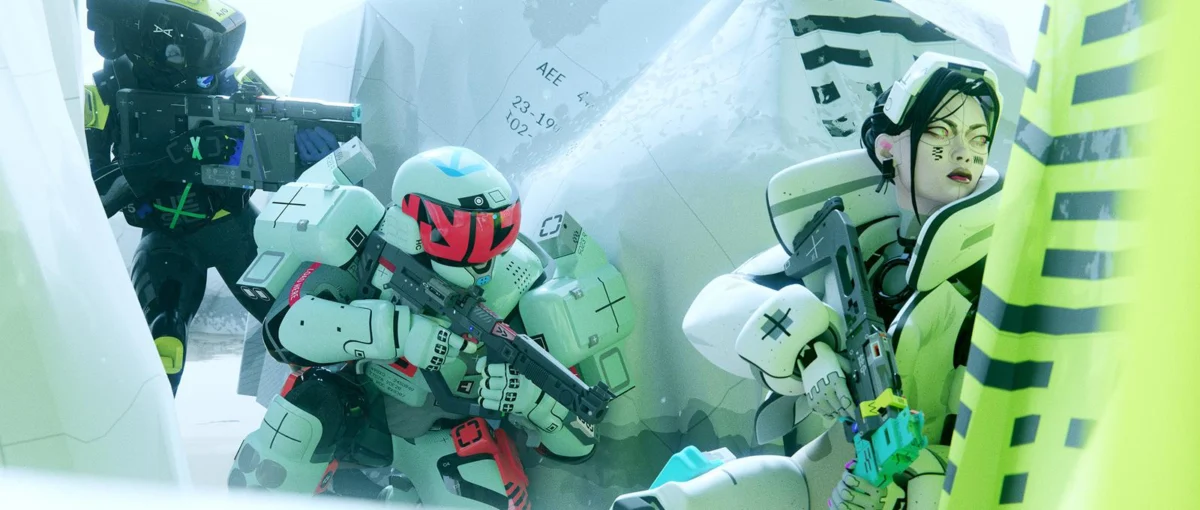
- Independent Innovation (Mist of Stagnation): The revelation of concept art for the upcoming RPG Mist of Stagnation by Osiris Studios highlights the growing importance of visual identity for independent developers seeking to compete in a saturated market.
Beyond these individual projects, a critical industry-wide fact has emerged: the protection of these intellectual assets against unauthorized Artificial Intelligence (AI) training. Platforms like Concept Art World have officially codified prohibitions against AI scraping, signaling a defensive shift in the creative labor market.
Chronology: From First Sketch to Global Phenomenon
The journey of a concept art piece follows a rigorous timeline that often begins years before a consumer sees a trailer.
Phase I: The Blue Sky Era (2010–2014)
During the early 2010s, the industry saw a shift toward "lived-in" universes. Adrian Majkrzak was at the forefront of this at Bungie. His work on Destiny (2014) began years prior, during the "Blue Sky" phase where artists were encouraged to imagine a world where the "Golden Age" of humanity had collapsed. This period established the "Mythic Sci-Fi" pillars—combining high-tech ruins with medieval-inspired armor—that would sustain the franchise for over a decade.
Phase II: The Cinematic Expansion (2011–2018)
Simultaneously, the film industry was undergoing a revolution. Raj Rihal’s work on Thor coincided with Marvel Studios’ need to bridge the gap between the grounded technology of Iron Man and the cosmic mysticism of Asgard. The chronology of these designs shows an evolution from literal Norse interpretations to the sophisticated, "techno-organic" look that eventually allowed the MCU to expand into Guardians of the Galaxy and Avengers: Infinity War.
Phase III: The Peak of Fidelity (2020–Present)
By the time Ghost of Tsushima was in deep development, the role of the concept artist had shifted toward "Atmospheric Direction." Ian Jun Wei Chiew’s work focused on the "Wind" as a mechanic—translating the movement of pampas grass and falling maple leaves into visual guides that the technical teams could implement. This era marks the point where concept art became a direct reference for real-time engine rendering.
Phase IV: The Indie Renaissance (Upcoming)
Currently, we are seeing the rise of studios like Osiris Studios. The development of Mist of Stagnation represents the modern chronology: using high-concept art and Q&A sessions to build community engagement long before the game’s release. This "Art-First" marketing strategy is now essential for indie survival.
Supporting Data: The Value of the Visual
While often viewed as "behind-the-scenes" material, the data suggests that concept art is a significant driver of commercial value:
- Market Impact: Titles with a distinct visual identity, such as Ghost of Tsushima, have seen unprecedented sales, with the game surpassing 13 million copies sold. Critics frequently cite the "visual direction" as a primary reason for its success, a direct result of the work done by artists like Chiew.
- Engagement Metrics: Concept art galleries are among the most visited sections of gaming and film news sites. Concept Art World serves as a primary hub for this traffic, indicating a high demand from both fans and professionals for high-fidelity visual development insights.
- The "Art Book" Economy: The secondary market for "The Art of…" books has ballooned into a multi-million dollar industry. Books featuring the work of Rihal and Majkrzak often become collector’s items, retailing for $40–$100 and maintaining value, which underscores the lasting cultural impact of the original sketches.
Official Responses and Industry Stance
The creative community has recently become vocal regarding the preservation of the craft. In a statement integrated into their core mission, Concept Art World and associated artists have addressed the rise of generative AI.
The official stance is clear: "All images are © by the artist(s) or their respective copyright holders. Any training of AI systems using this content is strictly prohibited."
This is not merely a legal disclaimer; it is a response to a growing existential threat. Industry veterans argue that AI-generated imagery lacks the "intentionality" found in the work of professionals like Raj Rihal or Adrian Majkrzak. Concept art is about solving problems—how does a character move? How does the light hit this specific material? AI, which functions on probability rather than logic, cannot yet replicate the functional design required for high-end production.
Osiris Studios, in their recent Q&A regarding Mist of Stagnation, echoed this sentiment, emphasizing that their world-building is a manual, iterative process designed to ensure that every visual element serves the narrative and gameplay mechanics of their upcoming RPG.
Implications: The Future of Visual Storytelling
The enrichment of the concept art field carries profound implications for the future of entertainment.
The Professionalization of "World-Building"
We are moving away from a model where concept art is just "pre-production." In the future, the "World-Builder" or "Visual Architect" may hold as much weight as the Director or Lead Programmer. The success of Ian Jun Wei Chiew’s work on Tsushima suggests that players and viewers now demand a level of aesthetic cohesion that only a dedicated concept team can provide.
The Ethical Battleground
The strict anti-AI stance of leading art repositories will likely lead to a fractured industry. On one side, "Human-Made" certification may become a premium branding tool for games and films. On the other, the legal battles over copyright and "fair use" in AI training will determine whether the next generation of artists like Majkrzak can sustain a career.
Bridging the Gap Between Indie and AAA
As tools become more accessible, the "Concept Art Gap" between indie studios (like Osiris) and AAA giants (like Sucker Punch or Bungie) is narrowing. The ability to reveal high-quality concept art early in development allows smaller studios to punch above their weight class, securing funding and fan interest through visual promise alone.
Conclusion
The recent spotlights on Ian Jun Wei Chiew, Raj Rihal, Adrian Majkrzak, and Osiris Studios are more than just portfolio updates; they are a testament to the enduring power of human imagination. As we look toward 2026 and beyond, the role of the concept artist remains the most vital link in the chain of creation—turning the "mist of stagnation" into the vivid, breathing worlds that define our cultural heritage. Concept Art World continues to serve as the archive and advocate for this essential craft, ensuring that while the tools may change, the soul of the story remains etched in the artist’s hand.