The Architecture of Imagination: Exploring the Evolution of Visual Development in Modern Entertainment
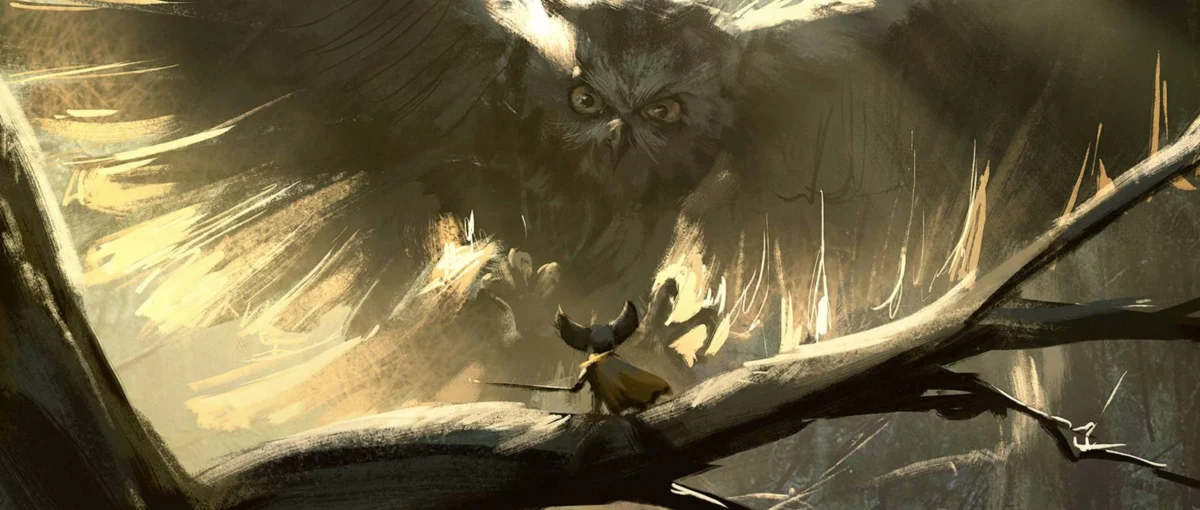
In the multi-billion dollar landscape of global entertainment, the first spark of a cinematic masterpiece or a chart-topping video game rarely begins on a film set or within a game engine. Instead, it begins on the digital canvases of concept artists—the visual architects who define the look, feel, and soul of modern mythology.
Concept Art World (CAW), a premier industry resource, recently highlighted a series of pivotal works that underscore the diversity and technical prowess of today’s visual development sector. From the supernatural historical landscapes of 47 Ronin to the irreverent, high-octane aesthetics of the Deadpool video game, these features provide a window into the rigorous creative processes that drive the industry. As the entertainment sector faces unprecedented technological shifts, the work of studios like Framestore and Atomhawk, and individual masters like Nikolay Yeliseyev and Jose Emroca Flores, remains the bedrock of storytelling.
Main Facts: The Pillars of Visual Development
Visual development is the process of conceptualizing and creating the look of a project before production begins. It is a collaborative effort involving directors, production designers, and specialized artists. The recent spotlights by Concept Art World emphasize four critical pillars of the current industry:
- The Studio Powerhouse (Framestore & 47 Ronin): Framestore, a global leader in VFX and design, provided the conceptual backbone for 47 Ronin. Their work illustrates how concept art bridges the gap between historical accuracy and fantastical "world-building," creating creatures and environments that feel grounded yet otherworldly.
- The Stylistic Individual (Jose Emroca Flores): The Deadpool video game showcased a departure from hyper-realism. Jose Emroca Flores’ paintings brought a gritty, comic-book-inspired vibrancy to the medium, proving that unique artistic "voice" is as valuable as technical precision.
- The Specialized Agency (Atomhawk Design): Studios like Atomhawk represent the professionalization of concept art. They act as a centralized hub of talent, providing consistent visual language for massive franchises across gaming and film.
- The Artist Spotlight (Nikolay Yeliseyev): Individual artists like Yeliseyev represent the "fine art" side of the industry, where personal style and atmospheric storytelling influence the broader trends of the entertainment world.
Chronology: From Sketchbooks to Digital Ecosystems
The history of concept art is a timeline of technological liberation. In the early days of Hollywood, "production illustrators" used charcoal, gouache, and oil paints to give directors a glimpse of a scene.
- The Golden Age (1970s–1990s): The birth of the modern blockbuster, led by Star Wars, placed concept artists like Ralph McQuarrie at the center of the production. At this stage, art was physical, often matted and painted on boards.
- The Digital Revolution (2000s): The advent of tablets and software like Adobe Photoshop revolutionized the speed of iteration. Artists could now "paint" with light and texture in ways previously impossible. This era saw the rise of studios like Framestore, which integrated concept art directly into the VFX pipeline.
- The Hybrid Era (2010s–Present): Today, as seen in the work featured by Concept Art World, the line between 2D painting and 3D modeling has blurred. Artists now use "3D kitbashing," VR sculpting, and photogrammetry to create immersive concepts. The Deadpool game art by Jose Emroca Flores, for instance, reflects a sophisticated understanding of how 2D aesthetic principles translate into 3D gaming environments.
Supporting Data: The Value of the Visual
While often categorized as "pre-production," the financial and creative impact of concept art is measurable. According to industry reports, the global animation and VFX market was valued at approximately $160 billion in 2023, with a significant portion of early-stage funding for films and games being secured through "pitch decks" comprised almost entirely of concept art.
- Framestore’s Impact: Framestore, the studio behind the 47 Ronin concepts, employs over 2,500 people globally. Their ability to visualize complex "creature features" is why they are a go-to for Disney, Marvel, and Warner Bros.
- Atomhawk’s Reach: Based in the UK and Canada, Atomhawk has contributed to some of the highest-grossing media properties in history, including the Marvel Cinematic Universe and the Mortal Kombat franchise. Their involvement often dictates the visual "North Star" for a project, ensuring that thousands of downstream artists stay true to a single vision.
- The Digital Archive: Concept Art World serves as a critical repository for this work. In an industry where projects are often "shelved" or changed during production, the preservation of original concepts is vital for academic and professional study.
Official Responses and Ethical Standards
As the industry evolves, so do the challenges surrounding intellectual property. Concept Art World has taken a definitive stance on the most pressing issue of the decade: Generative Artificial Intelligence.
In an official statement regarding their content, CAW asserted: "All images are © by the artist(s) or their respective copyright holders. Any training of AI systems using this content is strictly prohibited."
This response reflects a broader movement within the creative community. Organizations like the Concept Art Association (CAA) have been lobbying for stricter regulations on how AI models "scrape" the work of human artists. The argument is twofold:
- Economic Protection: Artists like Nikolay Yeliseyev spend decades honing a unique style. When AI models are trained on their specific brushwork without consent or compensation, it threatens their livelihood.
- Creative Integrity: Studios like Atomhawk and Framestore rely on the "happy accidents" and intentional storytelling of human designers. The industry’s official stance remains that while AI may become a tool, it cannot replace the foundational "blueprinting" provided by professional concept artists.
Implications: The Future of World-Building
The enrichment of the concept art field has profound implications for how we consume media. We are no longer in an era where "good enough" visuals suffice. The modern audience demands "immersion," and that immersion starts with the work featured on platforms like Concept Art World.
The Rise of the "Auteur" Concept Artist
The spotlight on Jose Emroca Flores suggests a shift toward "Auteurism" in gaming. As graphics reach a plateau of realism, players are seeking out games with a distinct "hand-painted" or "stylized" feel. This creates a premium for artists who can offer something beyond photographic accuracy—they offer a mood.
Concept Art as a Standalone Medium
We are witnessing the transition of concept art from a "temporary blueprint" to a "standalone collectible." With the rise of high-end art books and digital galleries, the work of Nikolay Yeliseyev is being consumed not just as a step in a process, but as fine art. This elevates the status of the "concept artist" to that of a traditional master, attracting a new generation of talent to the field.
The Collaborative Global Studio
The success of Atomhawk Design highlights the "globalization" of creativity. A game developed in California might have its environments designed in the UK and its characters designed in Singapore. This interconnectedness allows for a richer diversity of visual influences, blending Eastern and Western aesthetics—much like the "East meets West" themes found in 47 Ronin.
Conclusion
The features provided by Concept Art World—ranging from the industrial-scale output of Framestore to the intimate paintings of Nikolay Yeliseyev—demonstrate that concept art is the vital marrow of the entertainment industry. It is a field that sits at the intersection of high technology and ancient storytelling.
As we move toward 2026 and beyond, the role of the concept artist will only become more central. In a world increasingly saturated with AI-generated imagery, the "human touch"—the ability to imbue a character with a history or a landscape with a soul—will be the ultimate differentiator. Studios that invest in high-level visual development, and platforms that protect and showcase that talent, will continue to define the cultural zeitgeist. The "Architecture of Imagination" is not just about drawing pretty pictures; it is about building the worlds we choose to live in, if only for the duration of a movie or a game.