The Animation Paradox: Why Five Classic Cartoons Outperformed Scooby-Doo in Artistic Evolution
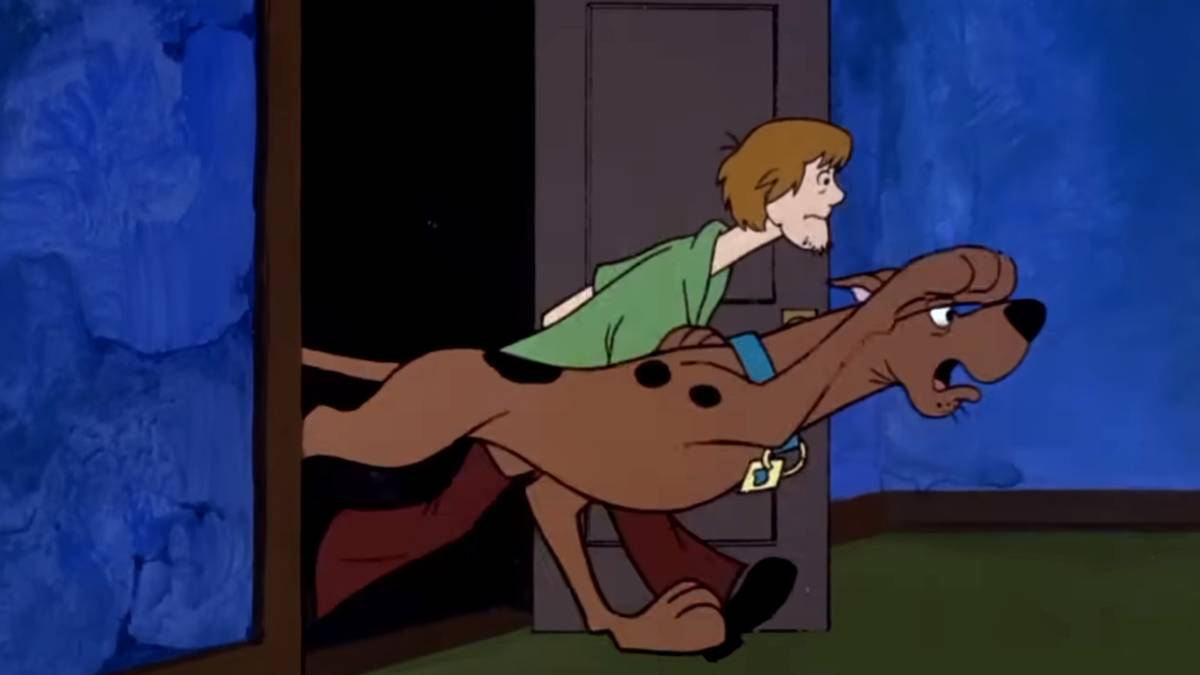
The landscape of American animation is dominated by a few select "institutions"—franchises so pervasive that they have become synonymous with the medium itself. At the forefront of this category stands Scooby-Doo. Since its debut in 1969 with Scooby-Doo, Where Are You!, the franchise has provided over five decades of content, spanning multiple series, live-action films, and direct-to-video specials. However, as the franchise celebrates its longevity, a critical question emerges among historians and critics: has the brand’s ubiquity come at the cost of creative growth?
While Scooby-Doo remains a cultural phenomenon, it is often criticized for its rigid adherence to a formula that rarely challenges its audience or the boundaries of the medium. In contrast, several other classic cartoons have managed to achieve what the Mystery Inc. gang could not: they evolved alongside their viewers, embraced audacious creative risks, and produced a body of work that thrives on artistic craft rather than mere nostalgia.
The Chronology of Innovation: From Theatrical Shorts to Cable Dominance
To understand the disparity between Scooby-Doo and its more innovative counterparts, one must look at the timeline of animation’s evolution. In the 1940s, animation was defined by theatrical shorts that relied on high-budget physical comedy. By the 1960s, the "limited animation" style of Hanna-Barbera (which birthed Scooby-Doo) focused on cost-cutting measures for television, often sacrificing fluid movement for repetitive dialogue.
The late 1980s and early 1990s marked a "Renaissance" period, where creators began to rebel against the formulaic nature of Saturday morning cartoons. This era saw the rise of creator-driven projects that prioritized unique visual identities and psychological depth. This chronological shift moved animation from a "babysitting tool" to a legitimate art form capable of winning Academy Awards and Peabody Awards.
1. Tom and Jerry: The Silent Symphony of Physical Comedy
Long before Scooby-Doo began running through repetitive hallways, William Hanna and Joseph Barbera perfected the art of the chase with Tom and Jerry. Created for MGM’s theatrical division, these shorts represent the pinnacle of physical animation.
The Craft of Wordless Narrative
Unlike Scooby-Doo, which relies heavily on expository dialogue and catchphrases to drive the plot, Tom and Jerry is almost entirely wordless. The narrative is communicated through precise spatial intelligence, timing, and exaggerated character expressions. This lack of dialogue forced the animators to innovate, using the characters’ bodies as the primary instruments of storytelling.
Supporting Data: Critical Acclaim
The industry’s response to this craftsmanship was unprecedented. Tom and Jerry won seven Academy Awards for Best Animated Short Film, a record that remains unsurpassed by any other theatrical animated series featuring the same characters. This success was bolstered by Scott Bradley’s complex musical scores, which functioned as a "third character," shifting tempo and tone to match the frantic action on screen. While Scooby-Doo is an institution of television, Tom and Jerry is a masterclass in cinematic technique.
2. Batman: The Animated Series and the "Dark Deco" Revolution
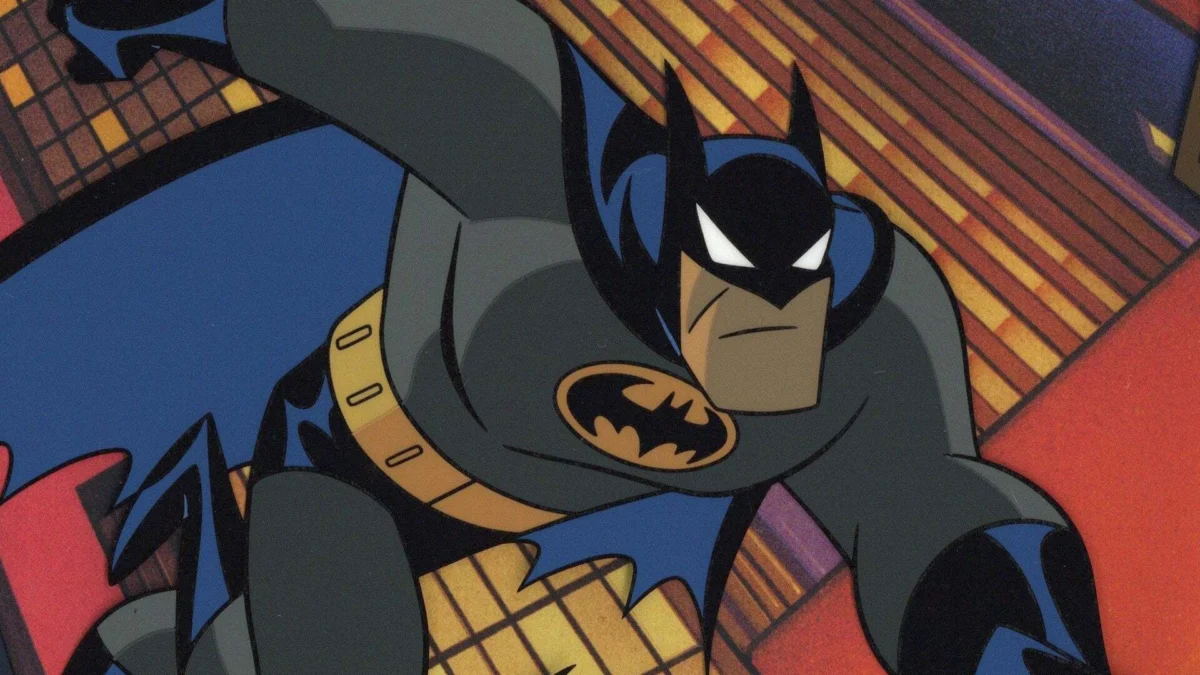
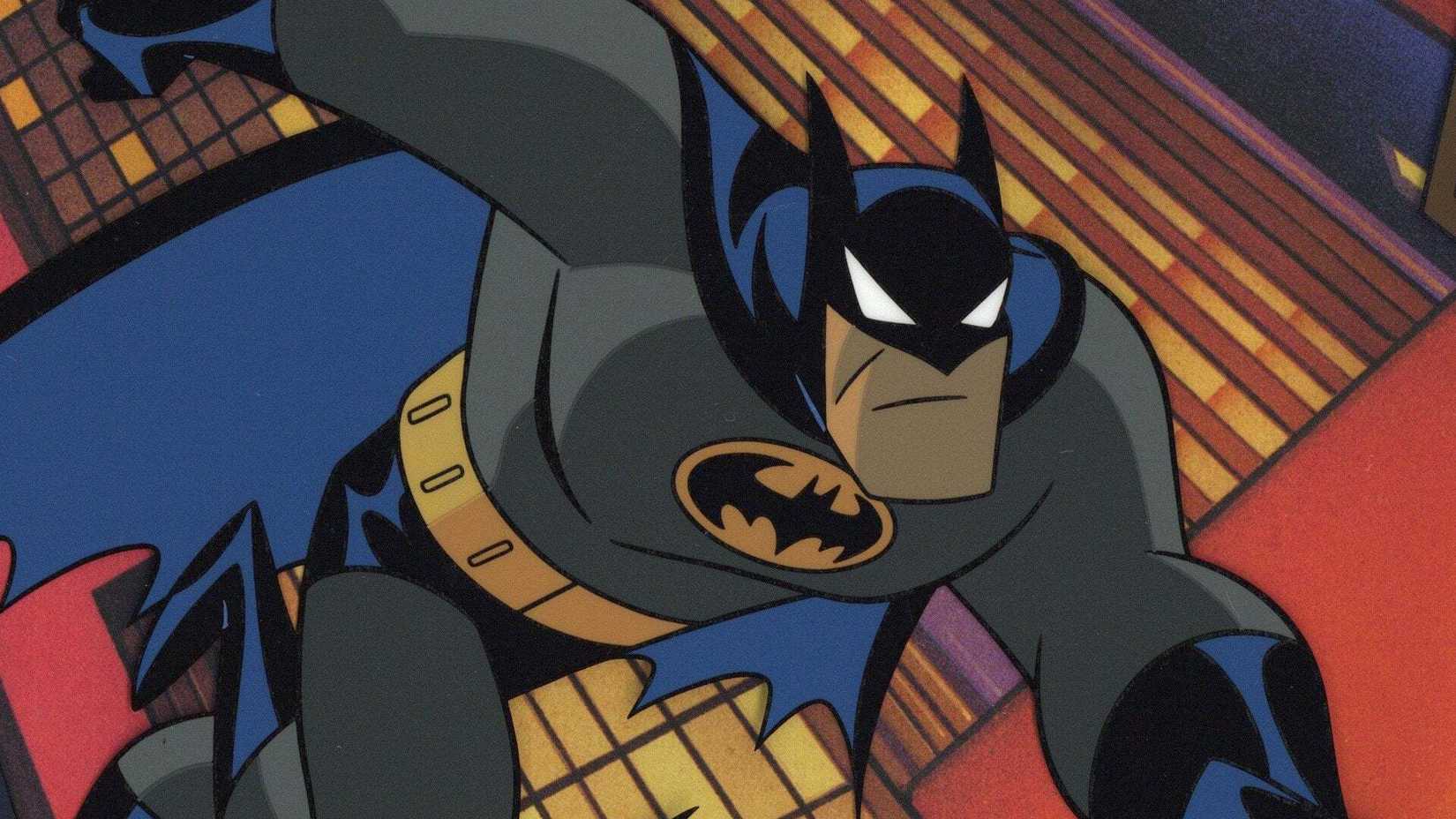
If Scooby-Doo represents the safety of the status quo, Batman: The Animated Series (BTAS) represents the power of disruption. Developed by Bruce Timm, Paul Dini, and Mitch Brian, the series premiered on Fox Kids in 1992 and immediately dismantled the tropes of children’s programming.

Aesthetic Innovation
The show’s visual identity was built on a concept called "Dark Deco." In a radical departure from standard industry practices, the backgrounds were painted on black paper rather than white. This gave Gotham City a film noir atmosphere that felt grounded, dangerous, and mature.
Psychological Depth
While Scooby-Doo villains are almost always "men in masks" driven by simple greed, BTAS reimagined its antagonists as tragic figures. The Emmy-winning episode "Heart of Ice" transformed Mr. Freeze from a campy scientist into a grieving husband motivated by love and loss. This level of narrative sophistication elevated the series beyond the "superhero" genre, earning it four Emmy Awards and a permanent place in the pantheon of great American dramas.
3. The Powerpuff Girls: Subverting the "Sugar and Spice" Trope
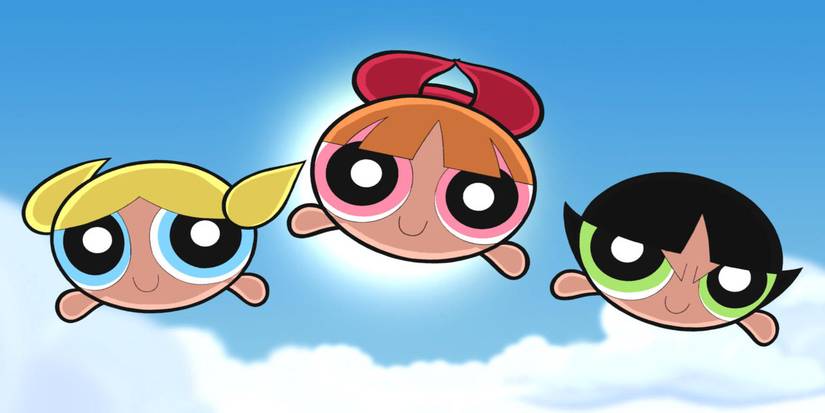
Created by Craig McCracken, The Powerpuff Girls (1998) arrived at a time when gender roles in animation were strictly defined. The show took the classic "superhero" framework and filtered it through a retro-pop aesthetic, creating a world where three kindergartners were the sole defenders of a city.
Tone and Menace
The show’s brilliance lay in its ability to balance "cute" aesthetics with genuine peril. Episodes like "Speed Demon" and "Bubblevicious" explored dark, almost apocalyptic themes that the Scooby-Doo franchise would typically avoid. By treating its young audience as capable of handling psychological menace, McCracken created a show that felt urgent and modern.
Official Recognition
The series was not just a commercial hit; it was a critical darling, earning six Emmy nominations and an Annie Award for Outstanding Achievement in an Animated Television Production. Its influence can still be seen in the "CalArts" style of the 2010s, proving that its visual risks paid off in long-term industry influence.
4. Courage the Cowardly Dog: Surrealism and Psychological Horror
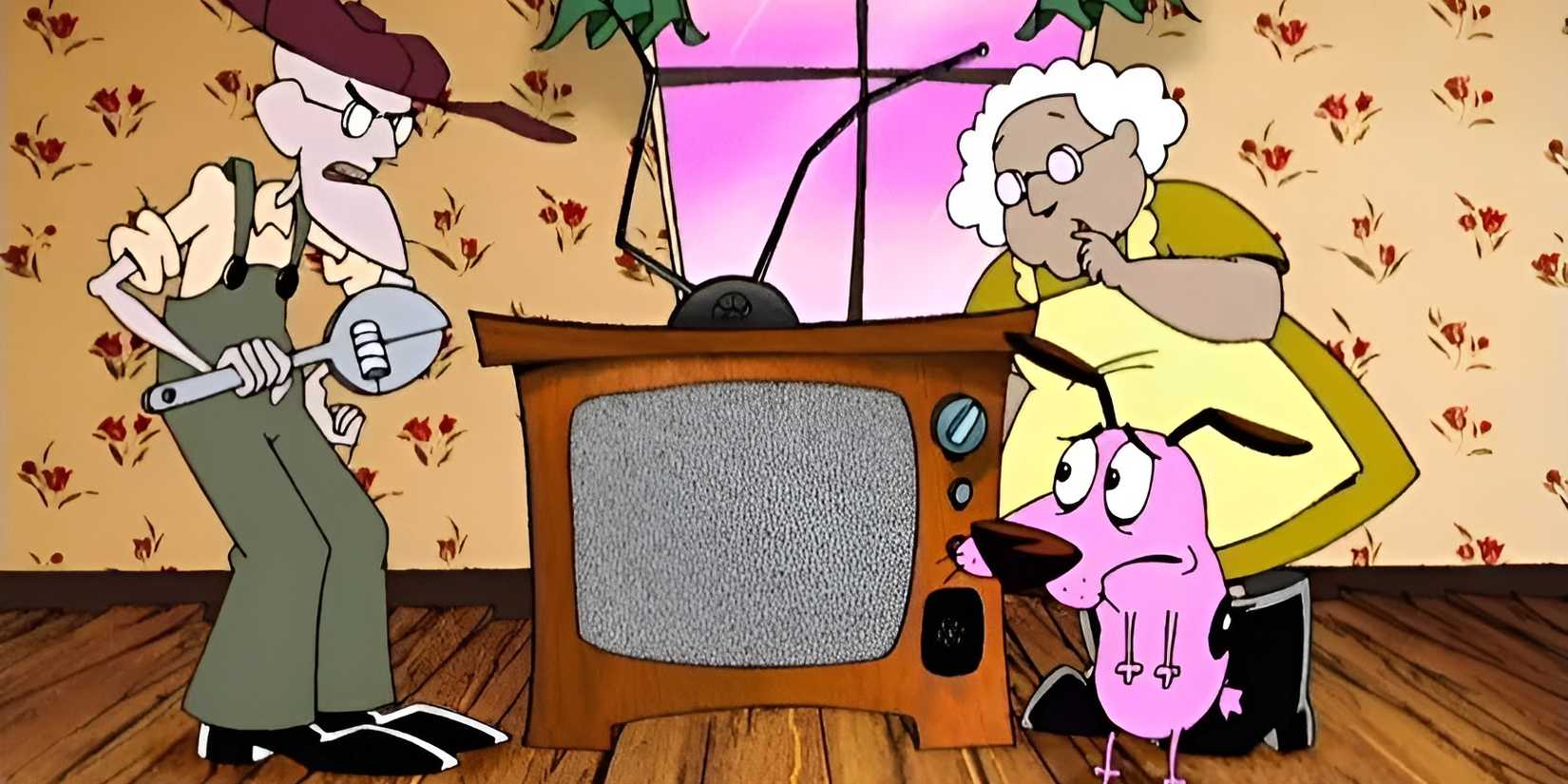
While Scooby-Doo deals in "fake" scares—monsters that are inevitably revealed to be humans—Courage the Cowardly Dog embraced the truly supernatural and the deeply surreal. Created by John R. Dilworth, the series grew out of an Academy Award-nominated short, The Chicken from Outer Space.
Breaking Visual Boundaries
Dilworth pushed the medium by blending traditional hand-drawn animation with early CGI, stop-motion, and live-action photography. This "uncanny valley" effect created a sense of unease that perfectly complemented the show’s horror themes. Unlike the predictable environments of the Mystery Machine’s travels, the setting of "Nowhere, Kansas" felt like a liminal space where anything could happen.
Emotional Resonance
At its core, Courage was a show about the nature of fear and the necessity of love. Episodes like "The Tower of Dr. Zalost" dealt with themes of clinical depression and loneliness—topics far more complex than the typical "get-rich-quick" schemes found in the Scooby-Doo universe. This willingness to explore the human (and canine) psyche ensured the show’s longevity in the hearts of its viewers.
5. SpongeBob SquarePants: The Peak of Character-Driven Surrealism
Stephen Hillenburg, a marine science educator, changed the landscape of animation in 1999 with SpongeBob SquarePants. While the show has become a meme-factory in the digital age, its first three seasons are widely regarded as some of the best writing in the history of the medium.
The Hillenburg Philosophy
Hillenburg’s background in biology allowed him to create a "complete society" on the ocean floor. The characters—SpongeBob, Patrick, Squidward, and Sandy—were built on clear archetypes that generated comedy through their conflicting personalities rather than forced situational gags.
Supporting Data: A Legacy of Excellence
The show’s quality was reflected in its accolades, including six Emmy Awards and a prestigious Peabody Award. Classic episodes like "Band Geeks" are studied by writers for their perfect comedic structure. While Scooby-Doo often feels like a product of its time, early SpongeBob feels timeless because it relies on the universal absurdity of the human condition.
Implications for the Future of the Industry
The comparison between Scooby-Doo and these five titans of animation highlights a fundamental truth in the entertainment industry: longevity is not the same as evolution. Scooby-Doo has survived by being a "safe" brand—a reliable formula that parents trust and children can easily digest. However, the shows that truly define the medium are those that take the "audacious creative risks" mentioned by critics.
The Risk of Stagnation
The recent controversy surrounding the adult-oriented reboot Velma illustrates the dangers of the Scooby-Doo paradox. When a franchise has been static for too long, any attempt to radically change the formula can result in a disconnect with the audience. In contrast, franchises like Batman or The Powerpuff Girls have built "innovation" into their DNA, allowing them to be reimagined in various tones and styles without losing their core identity.
Conclusion: The Merit of Craft
As the industry moves further into the era of streaming and reboots, the lessons from Tom and Jerry, Batman: TAS, The Powerpuff Girls, Courage, and SpongeBob remain relevant. These shows prove that animation is at its best when it treats its audience with respect, pushes visual boundaries, and prioritizes craft over commercial safety.
While Scooby and the gang will undoubtedly continue to unmask villains for decades to come, the true "phenomena" of the animation world will always be those shows that aren’t afraid to step out of the Mystery Machine and into the unknown. The upcoming reboots of The Powerpuff Girls and Tom and Jerry suggest that the industry is once again looking toward these high-water marks of quality to lead the next generation of storytelling.